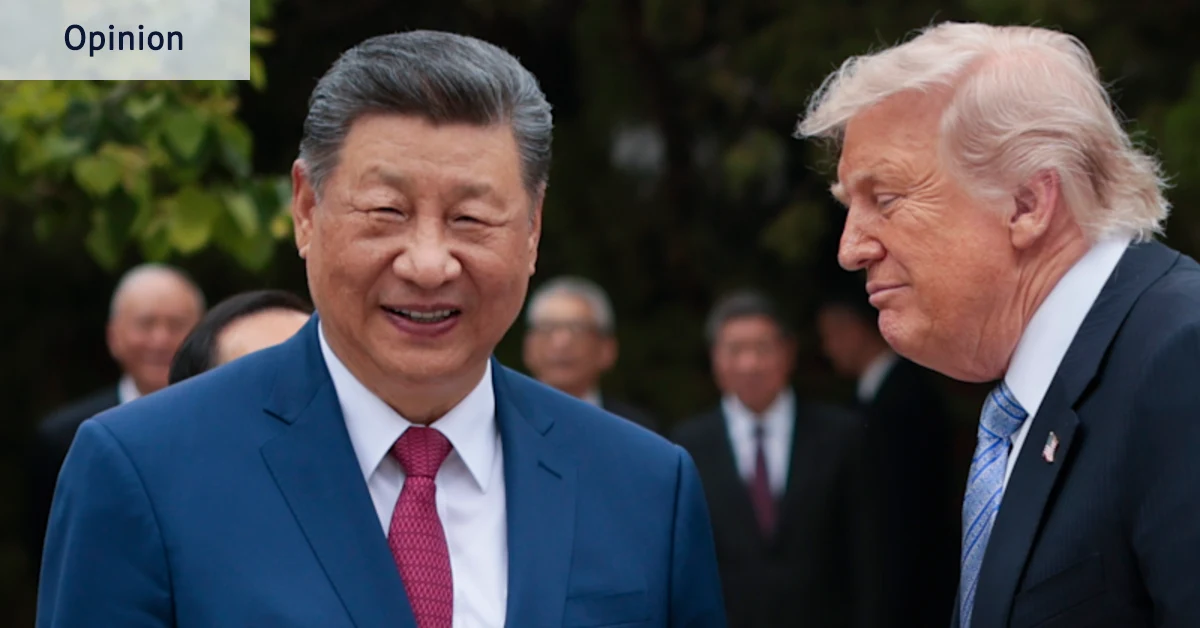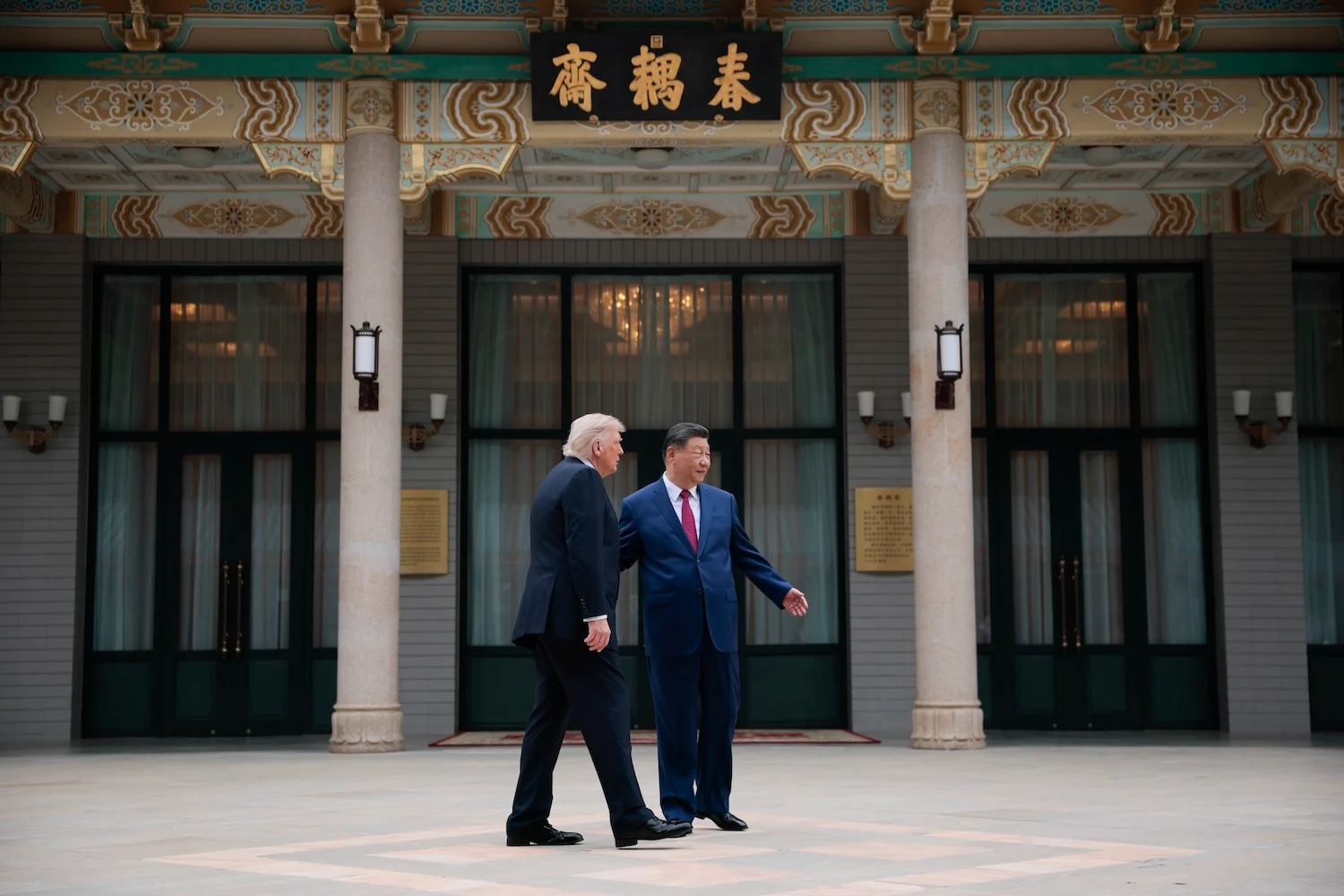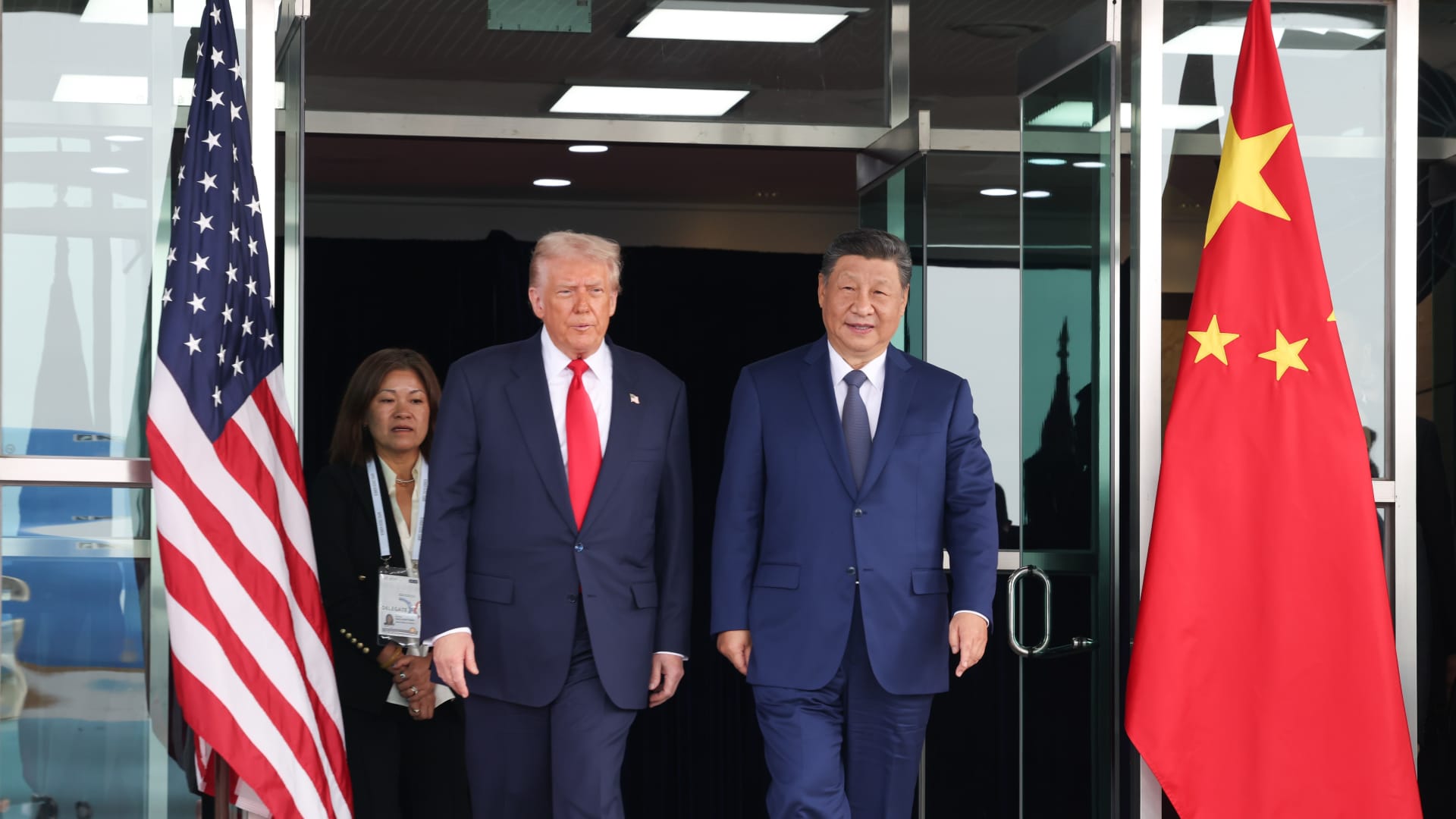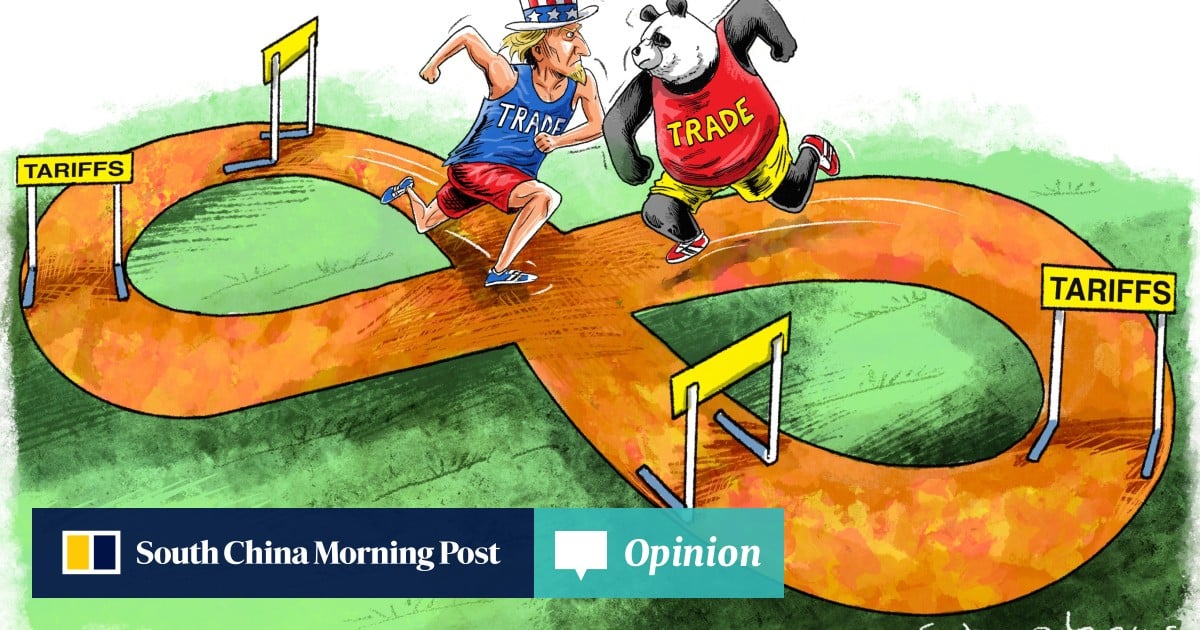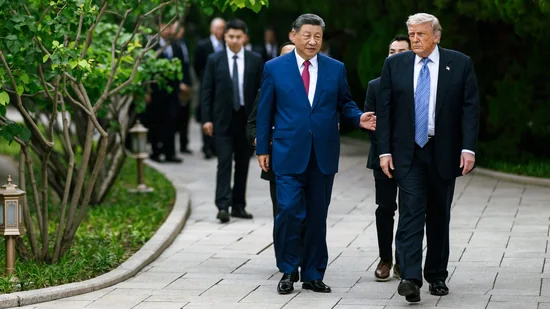
Recent China-U.S. trade negotiations raised hopes that economic ties may be stabilizing after years of escalating tensions. A key milestone was U.S. President Donald Trump’s state visit to China in mid-May 2026, during which he and President Xi Jinping explicitly agreed to build a “constructive relationship of strategic stability” based on “fairness and reciprocity.”
Yet the ongoing negotiations have done little to alter the institutional machinery of U.S. trade policy toward China. Behind the headlines, anti-dumping and countervailing duty investigations, together with recurring “sunset reviews,” continue to advance under established statutory procedures.
During Trump’s visit to China, Beijing and Washington reached preliminary agreements on tariffs, market access, investment, and critical mineral supply chains, raising hopes of stabilizing bilateral economic relations. Yet the negotiations left the U.S. trade remedy regime untouched.
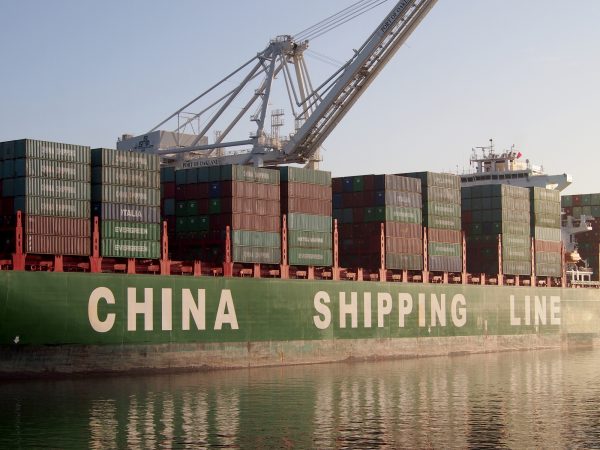
The U.S. Department of Commerce and U.S. International Trade Commission (USITC) have continued anti-dumping, countervailing duty, and five-year sunset review proceedings against Chinese goods pursuant to established statutory procedures. Most trade remedy measures remain in place despite the recent easing of tensions. As Chad Bown observed, their continued operation reflects how deeply these measures are embedded in U.S. legal and political institutions, making meaningful reform difficult.