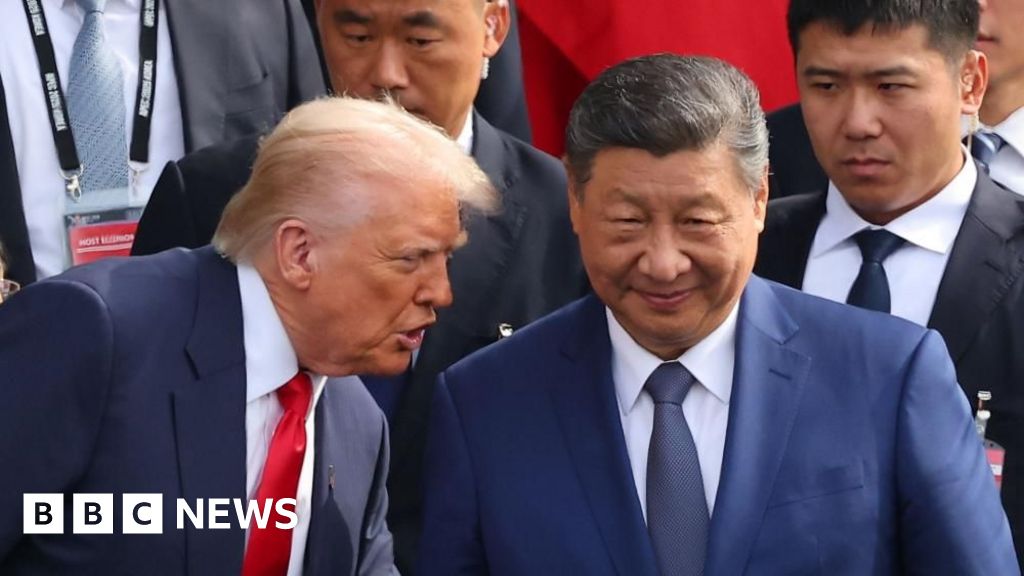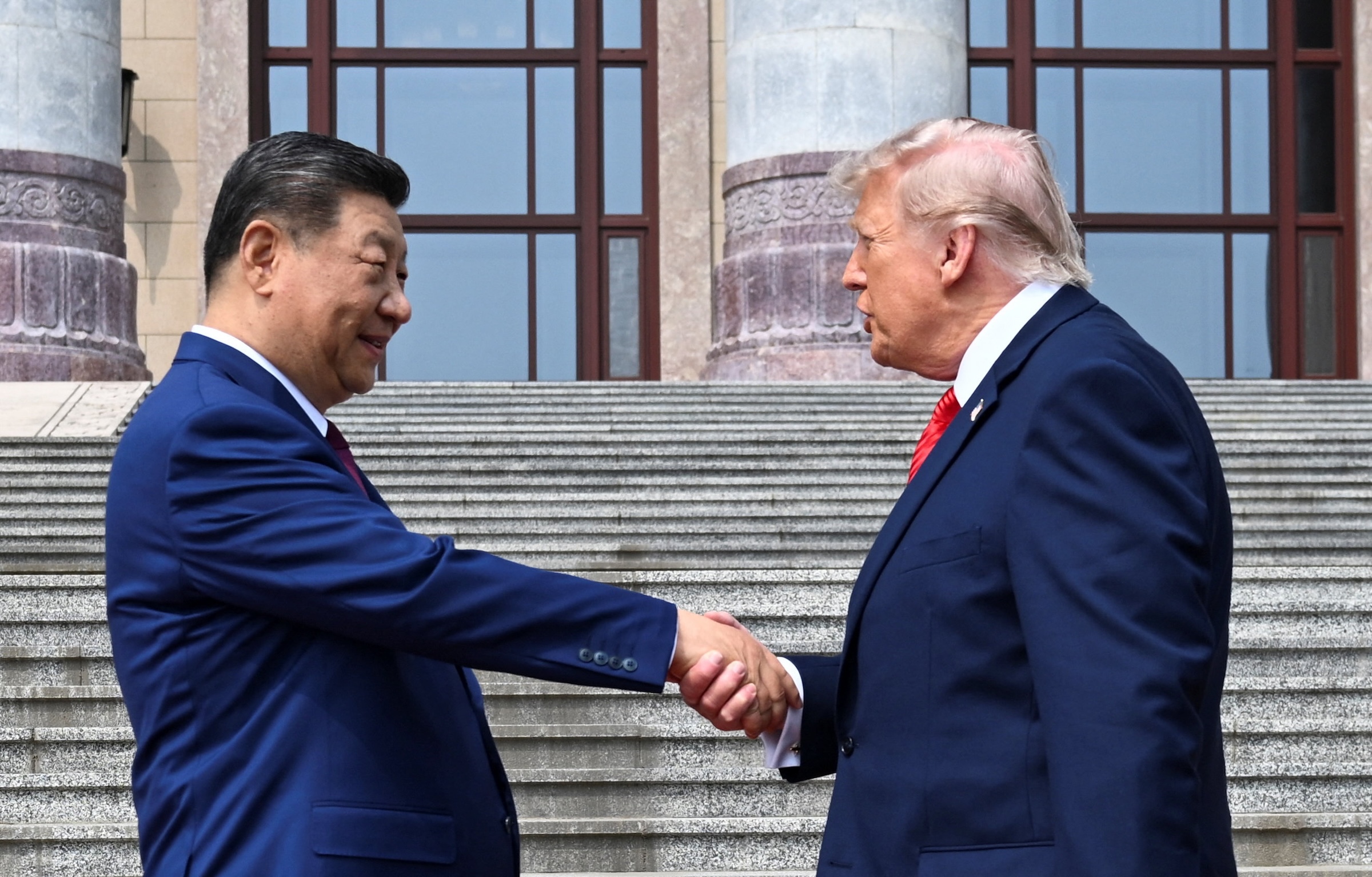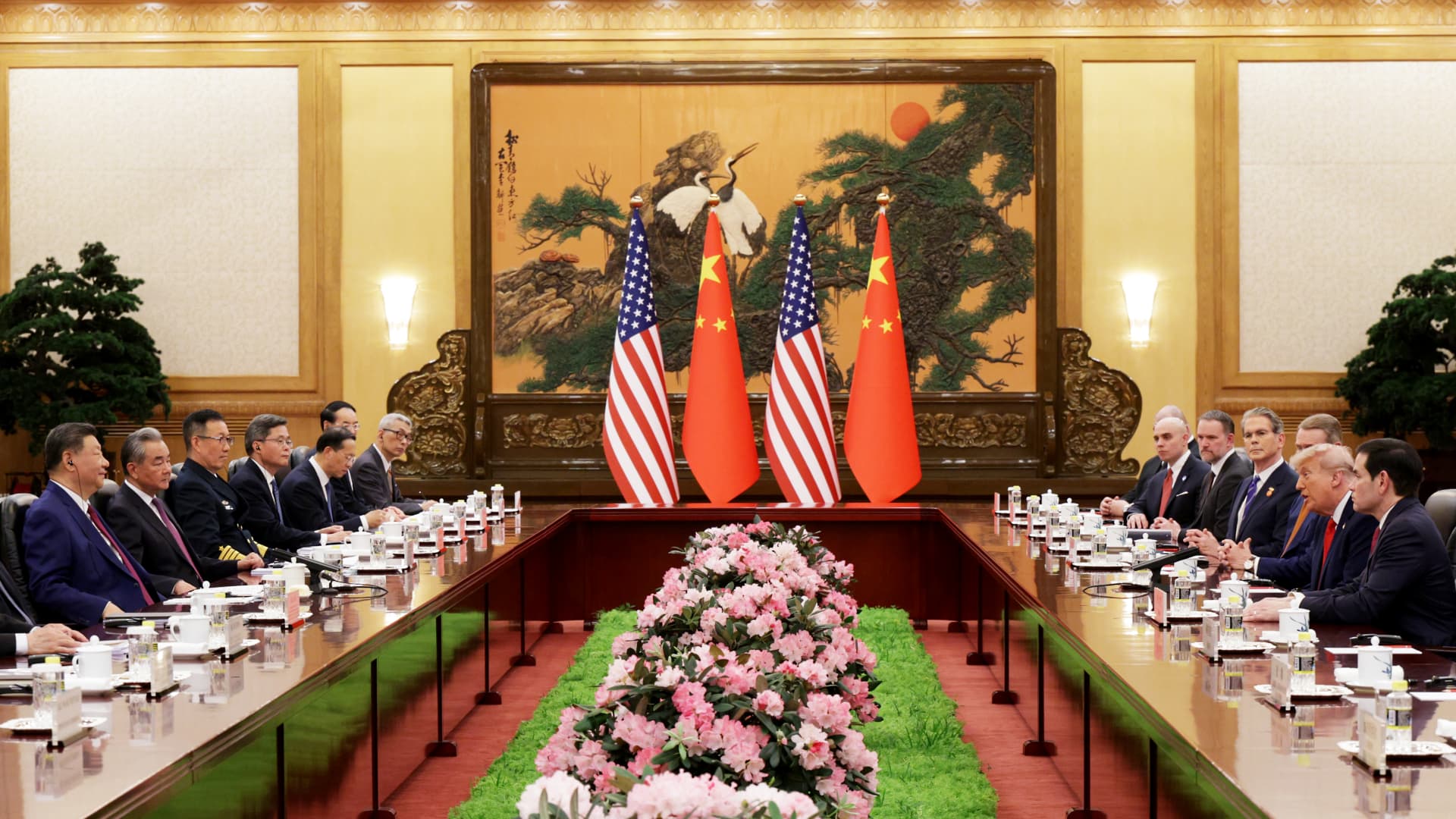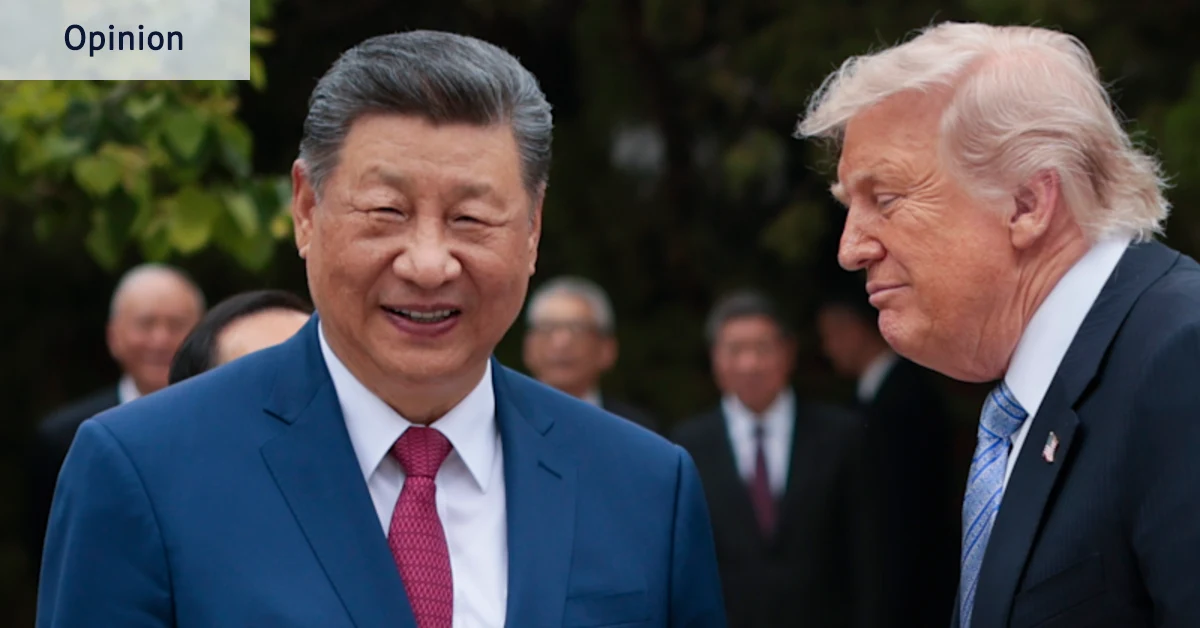
In April 2025, US President Donald Trump fired the first shots in his trade war against China (and the rest of the world). Some countries quickly capitulated, but the Chinese dug in their heels, and responded in kind. Eventually, the two countries seemed to arrive at some sort of détente — one that was subsequently rendered irrelevant by a US court ruling on Trump’s Liberation Day tariffs.
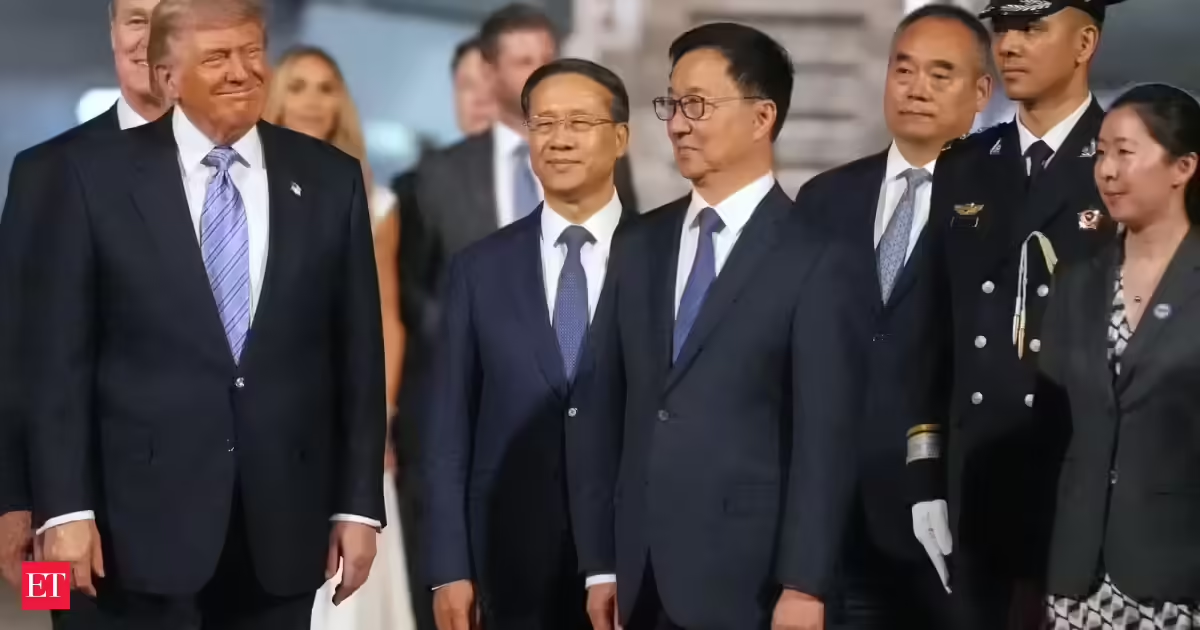
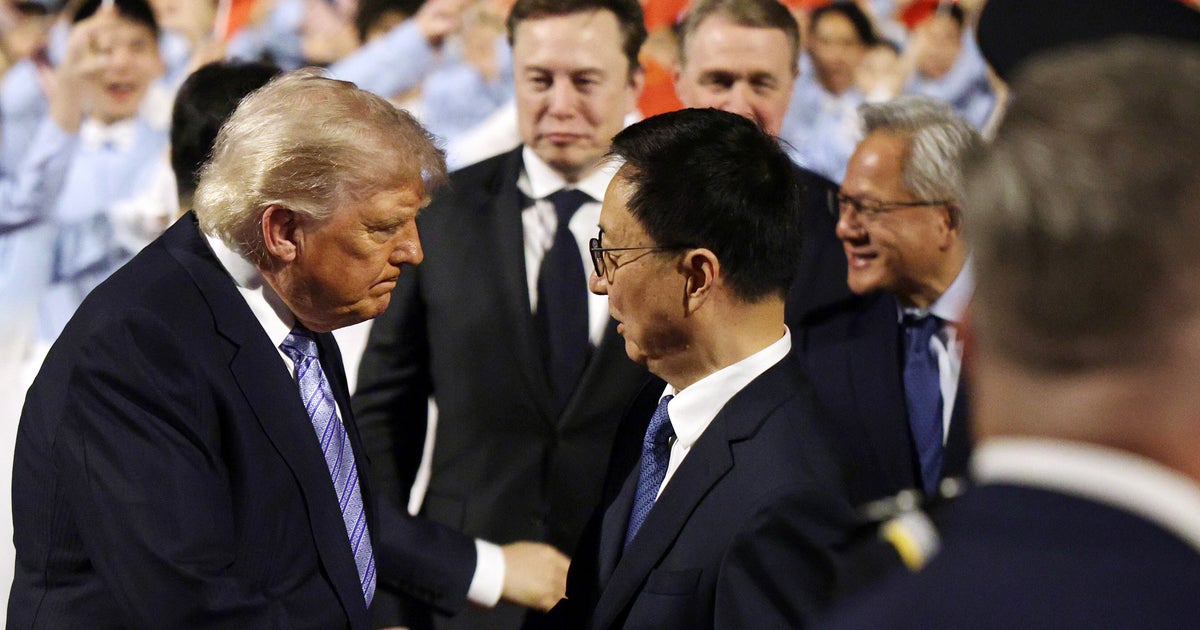
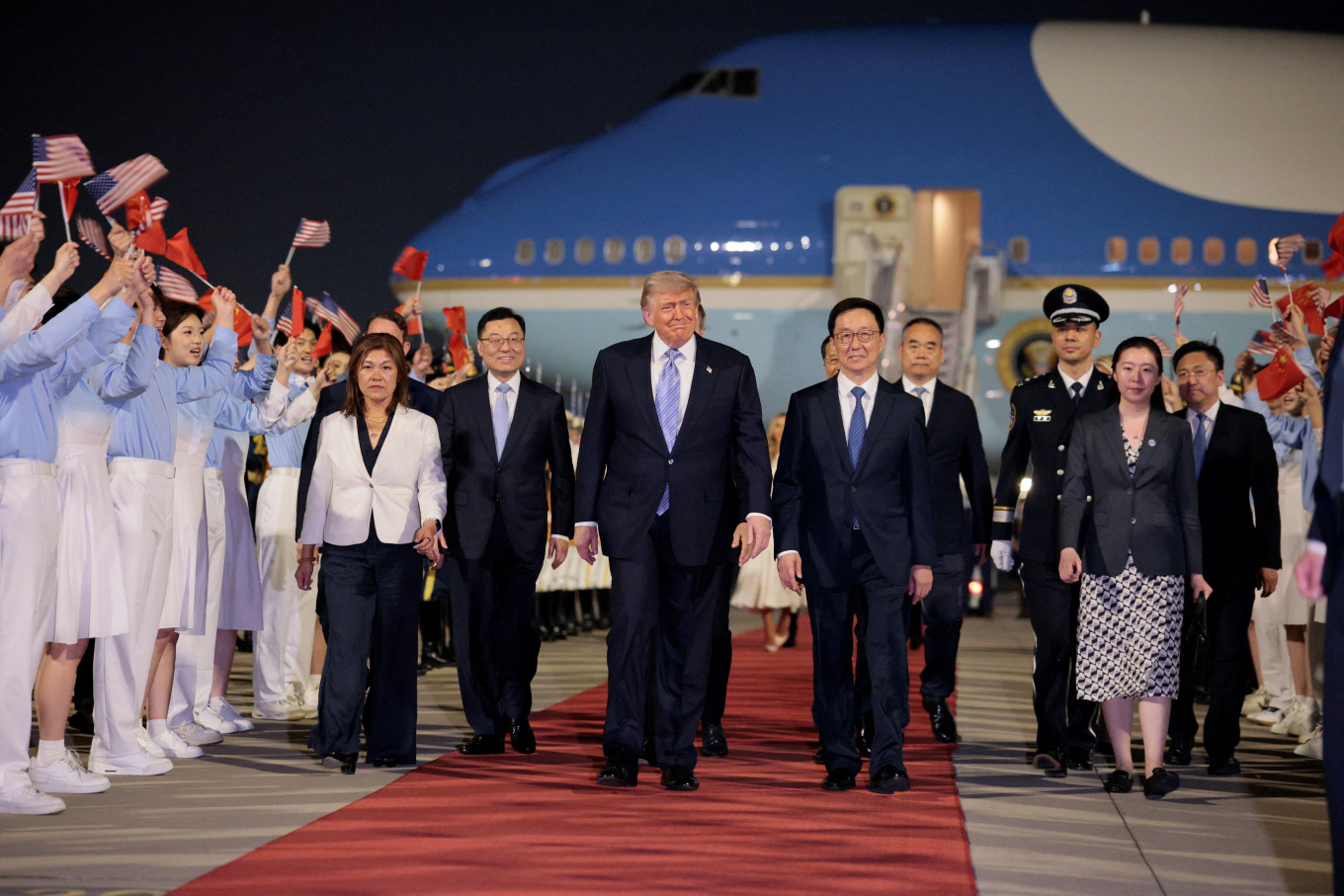
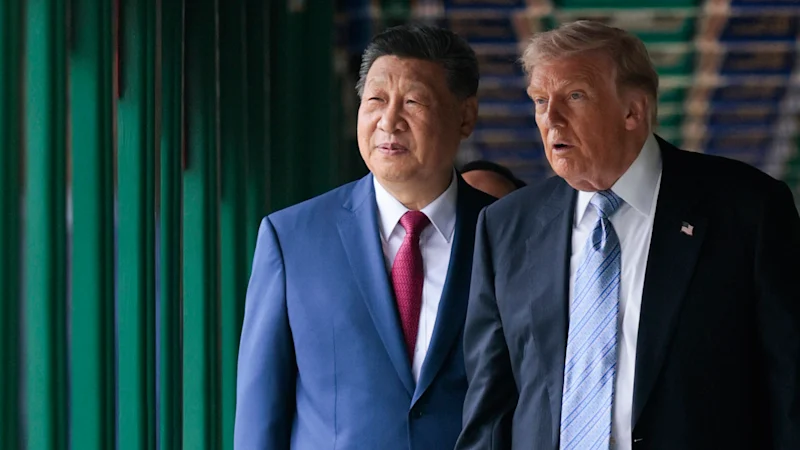
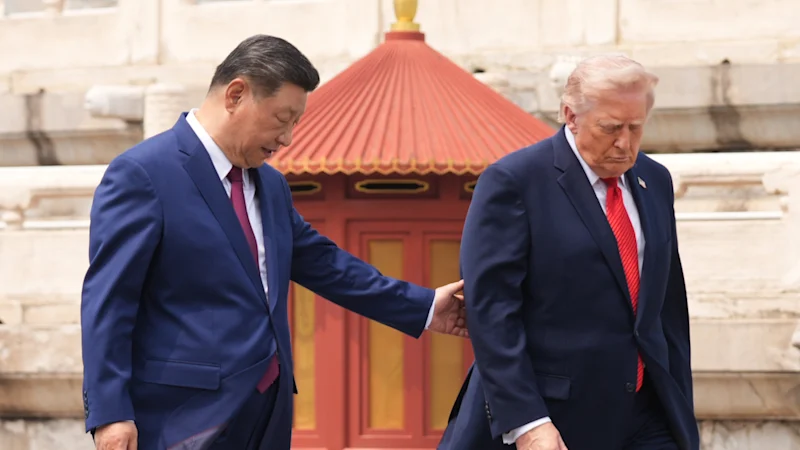
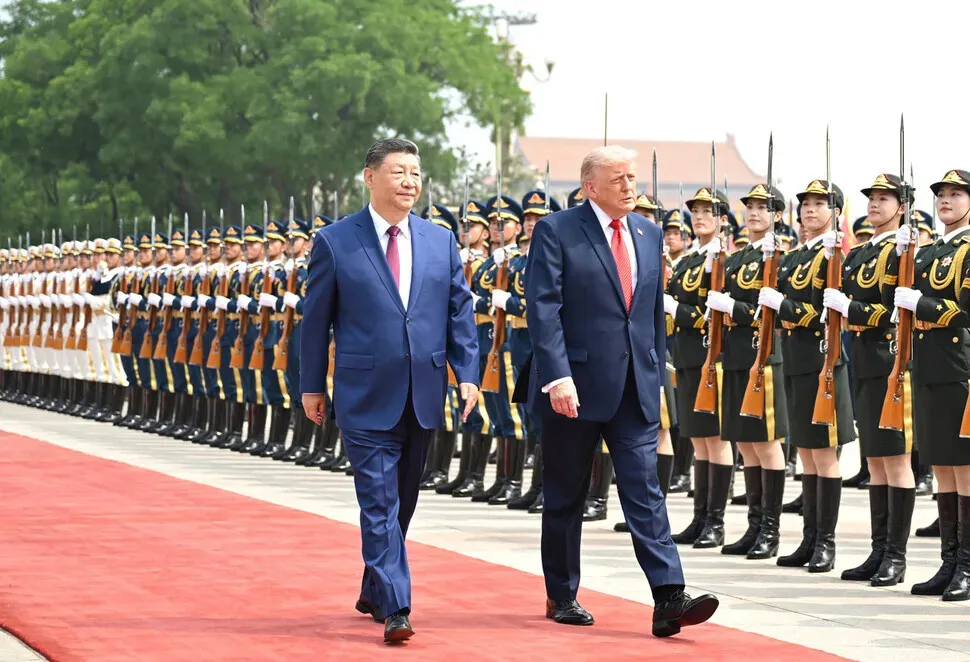
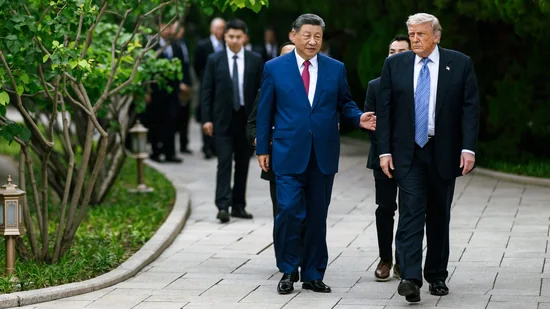
A little over a year later, the main focus of Trump’s two-day visit to China, his first since 2017, was less about confrontation and more about boosting business ties between the two countries. After all, efforts by the first Trump Presidency, the Biden administration, and the tariffs-led trade war of 2025 have not dented China’s standing as the world’s manufacturing hub, including for hi-tech products, with the curbs on the sale of high-end AI chips pushing Beijing to emphasise self-reliance (so much so that reports now suggest that China is saying no to these chips). It isn’t clear what else the summit achieved in terms of business; Trump said China has promised to buy 200 Boeing planes; Beijing was silent on this, although a Chinese spokesperson said that the trade ties were “mutually beneficial”. Each side selected what mattered to them in their readouts, but both sides have also tried to play up the outcomes in positive terms.