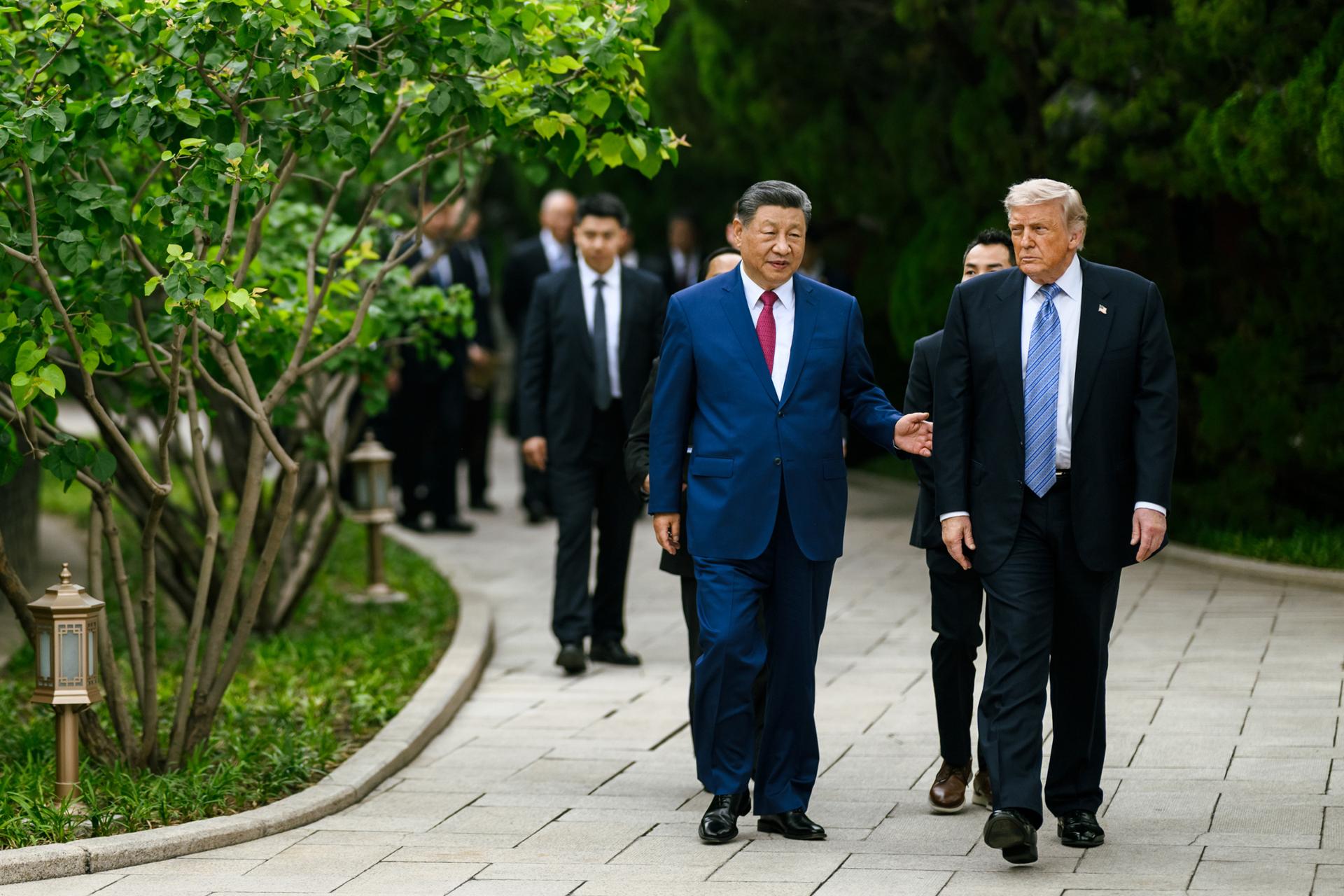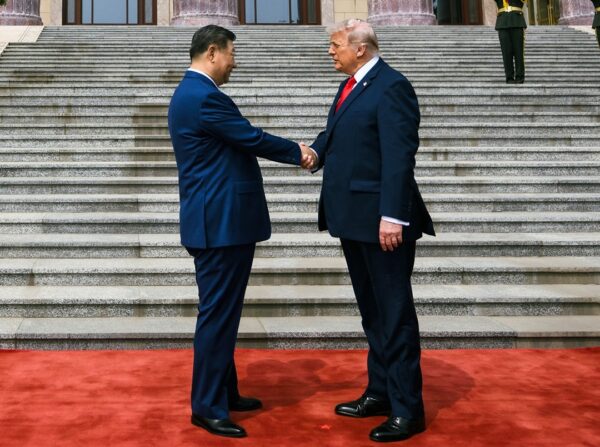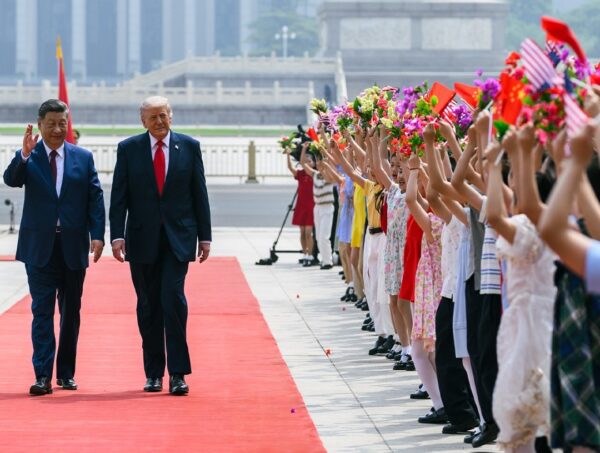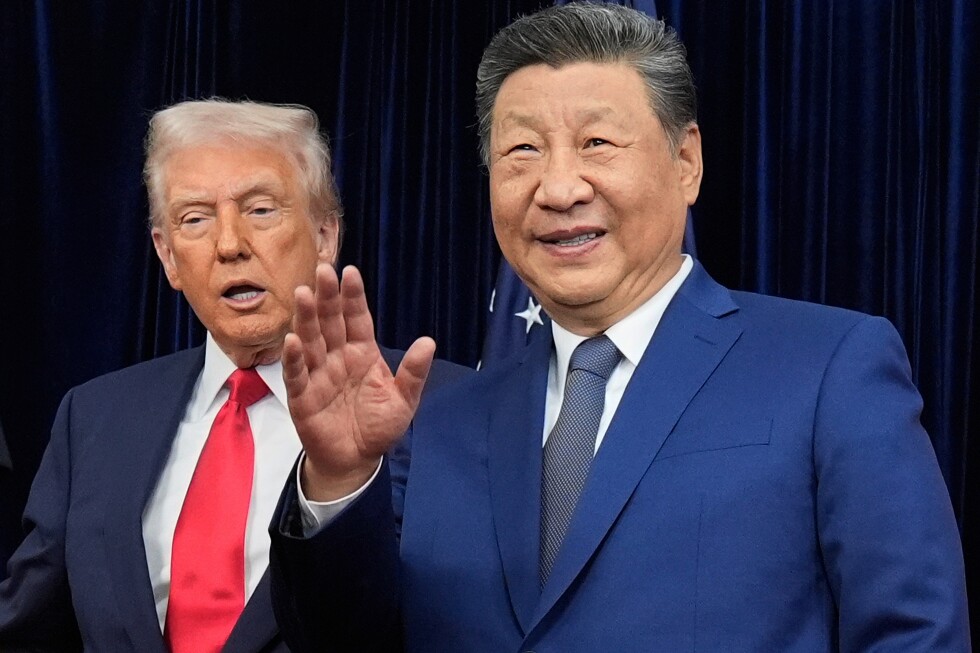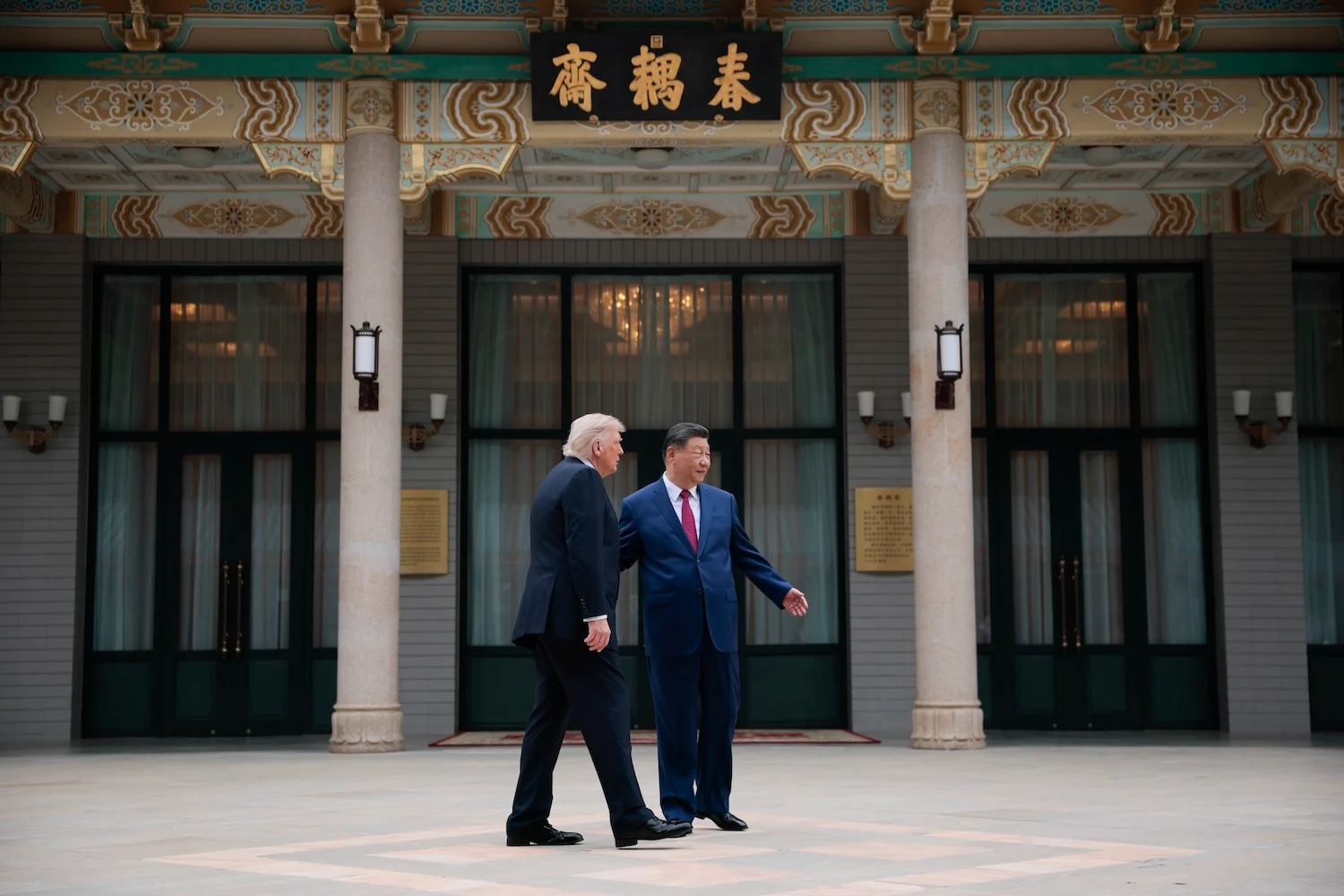
At their May summit in Beijing, U.S. President Donald Trump and Chinese President Xi Jinping seemed sincere in their desire to resume robust trade relations and manage the tricky Taiwan issue. They agreed to promote a “constructive relationship of strategic stability” between the United States and China—a vague phrase that the two sides likely interpret differently but is nonetheless a sign of a shared aspiration to cope with their differences.
Yet neither strategic trust nor friendship is sufficient for stability, and despite the seemingly positive top-level sentiment, cooperation between Washington and Beijing is now more challenging and precarious than ever. Both Trump and Xi have brutally shaken up their respective political systems and centralized power in their hands, mangling the institutions, communication channels, and bureaucracies essential to avoiding or de-escalating crises. This erosion of both process and predictability has decimated the diplomatic guardrails that, in the past, prevented the two superpowers from reaching the brink.
At their May summit in Beijing, U.S. President Donald Trump and Chinese President Xi Jinping seemed sincere in their desire to resume robust trade relations and manage the tricky Taiwan issue. They agreed to promote a “constructive relationship of strategic stability” between the United States and China—a vague phrase that the two sides likely interpret differently but is nonetheless a sign of a shared aspiration to cope with their differences.