Even as a U.S.–China trade truce appears to be holding, analysts caution that the détente remains fragile in a rivalry increasingly defined by strategic competition.
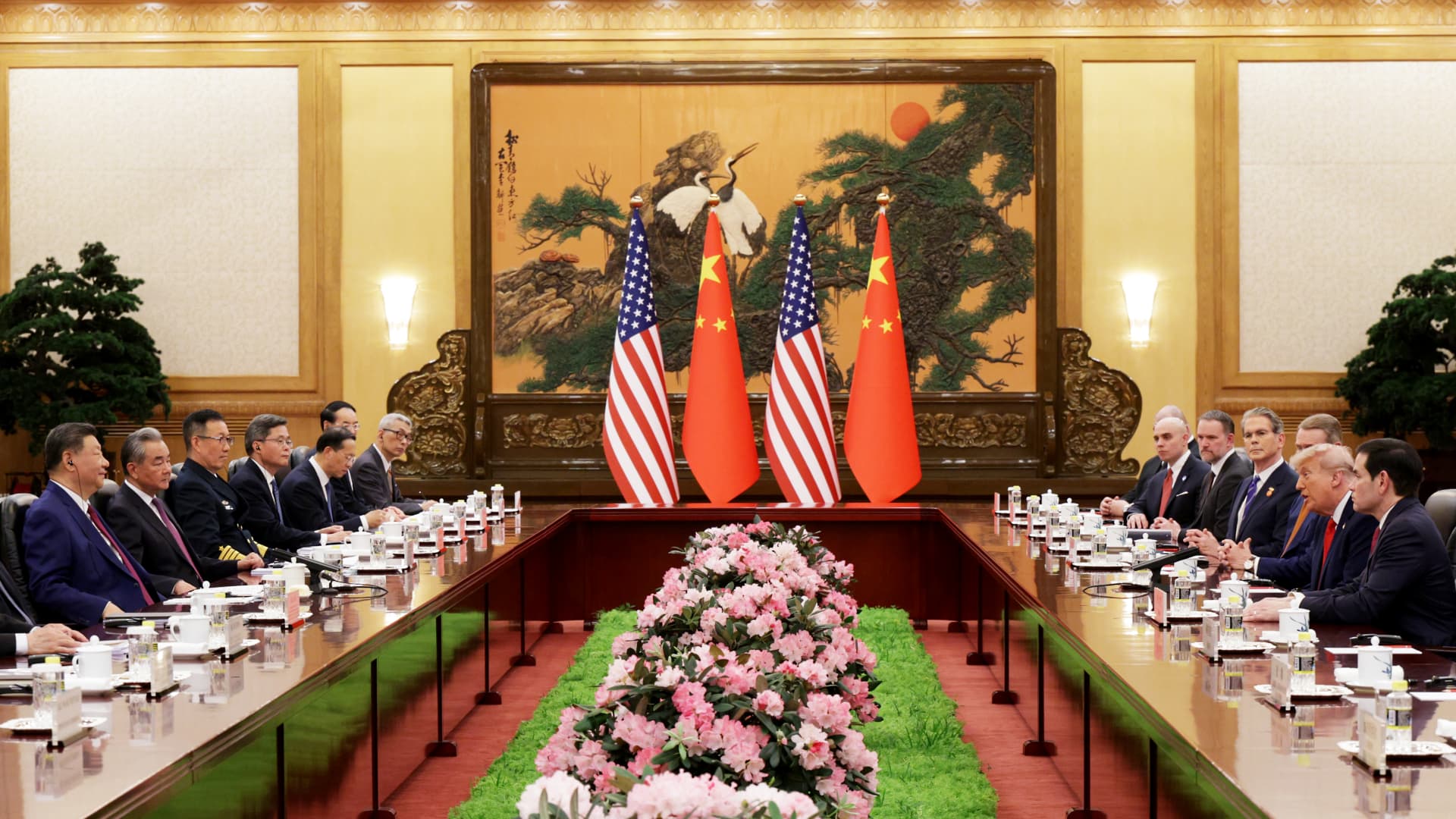
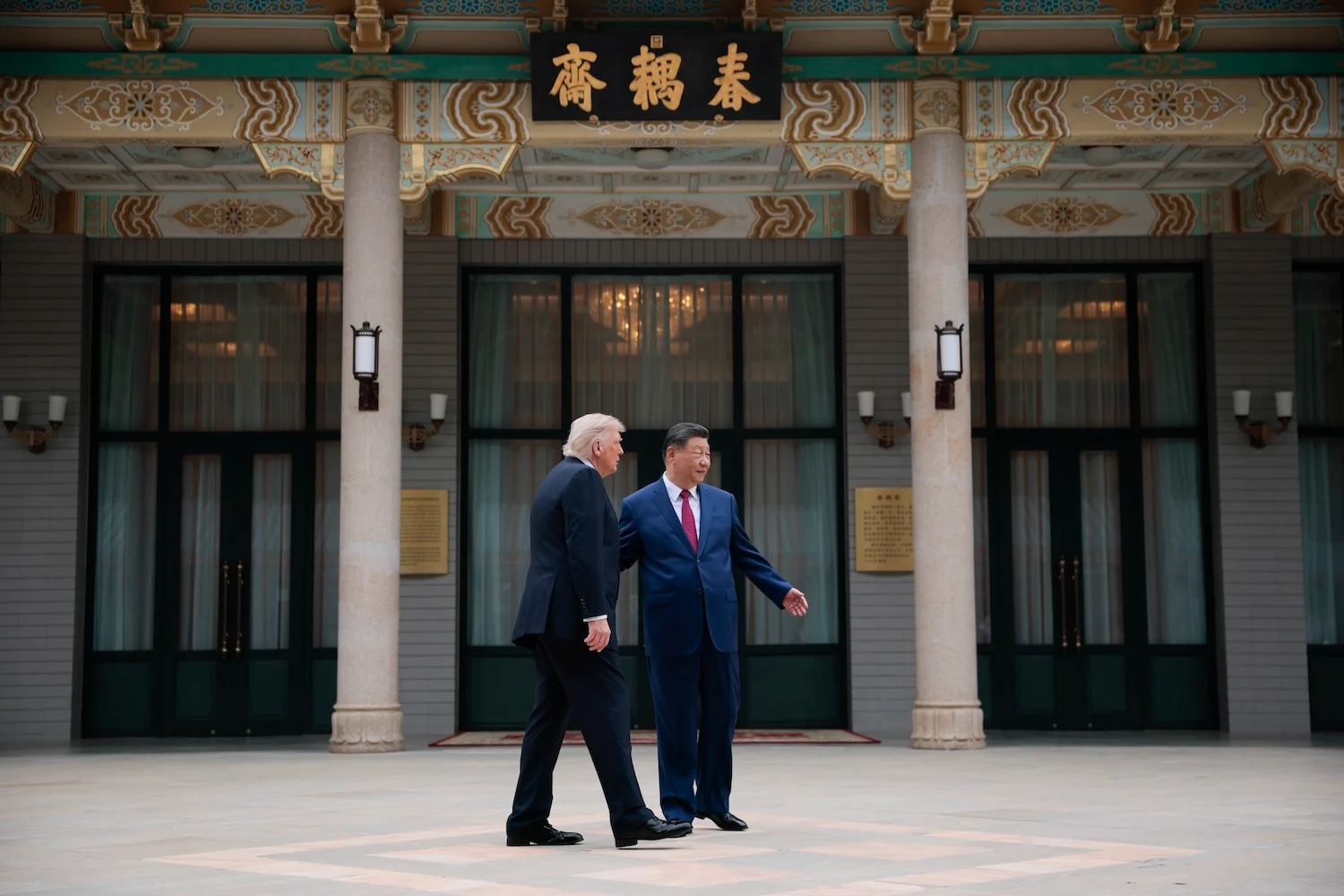
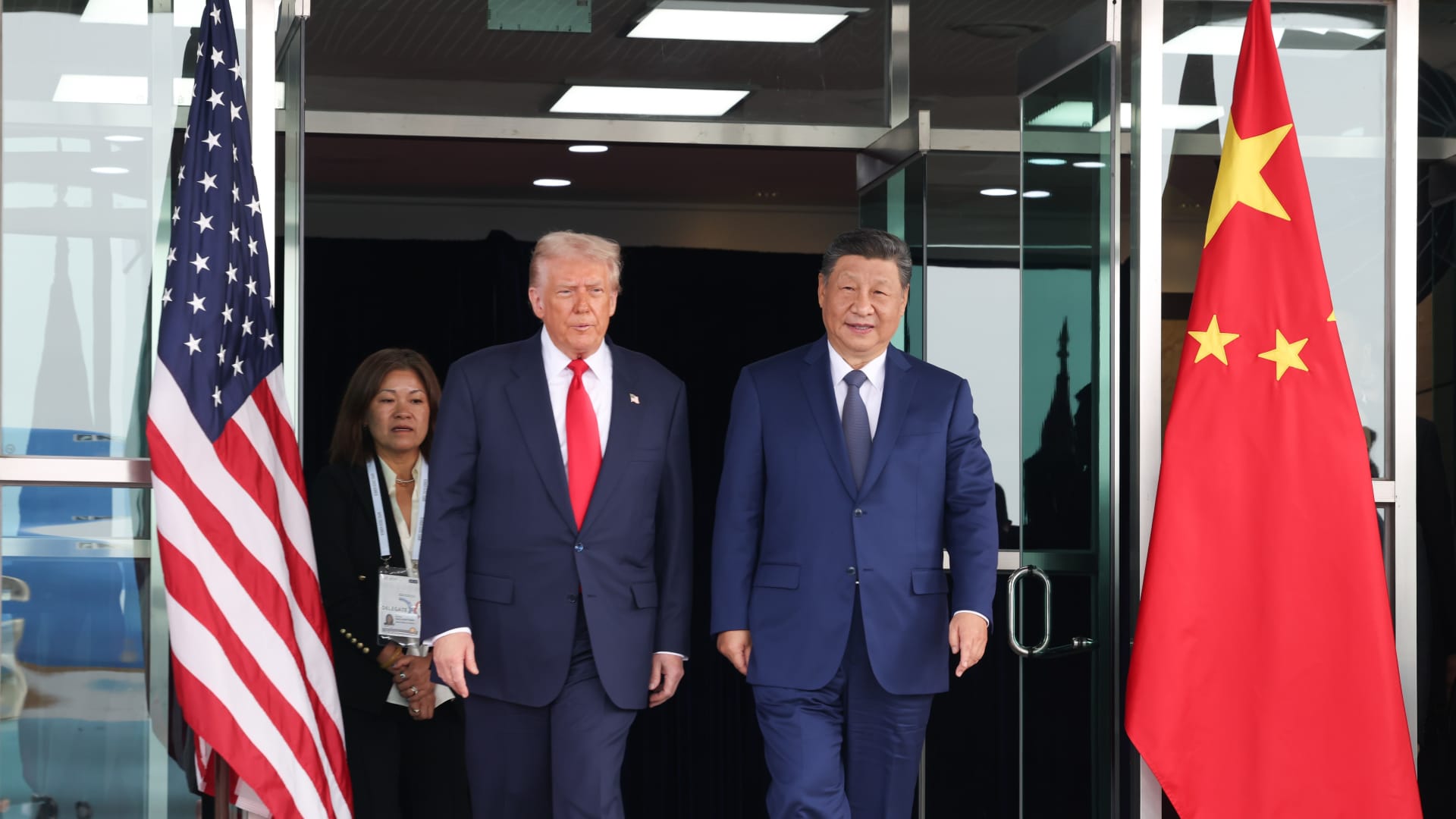
A flurry of decisions, outlined in the sweeping trade deal struck by U.S. President Donald Trump with Chinese leader Xi Jinping last month, took effect on Monday, with rollbacks of steep tariffs and export controls.
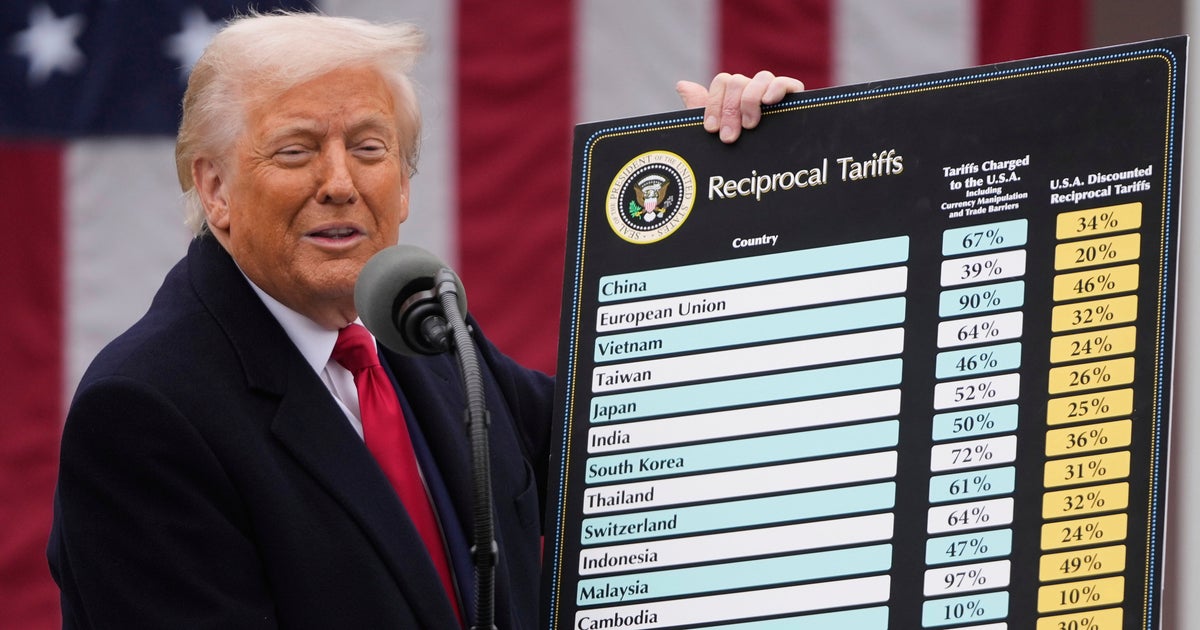
The U.S. halved fentanyl-linked tariffs on imports from China to 10% and extended for a year a truce that lowered the reciprocal tariff rate from 34% to 10%.
In return, China’s Ministry of Commerce rolled back several export restrictions on critical minerals and rare earth materials to the U.S. on Monday. Those curbs, first imposed on Oct. 9, had targeted materials vital for military hardware, semiconductors, and other high-tech industries.
Beijing also reversed retaliatory limits on exports of gallium, germanium, antimony, and other so-called super-hard materials such as synthetic diamonds and boron nitrides. Those measures, introduced in December 2024, were widely seen as a response to Washington’s expanded semiconductor export restrictions on China.