China and US still have to improve communication, clear misunderstandings and strengthen cooperation to avoid damaging global tariff war
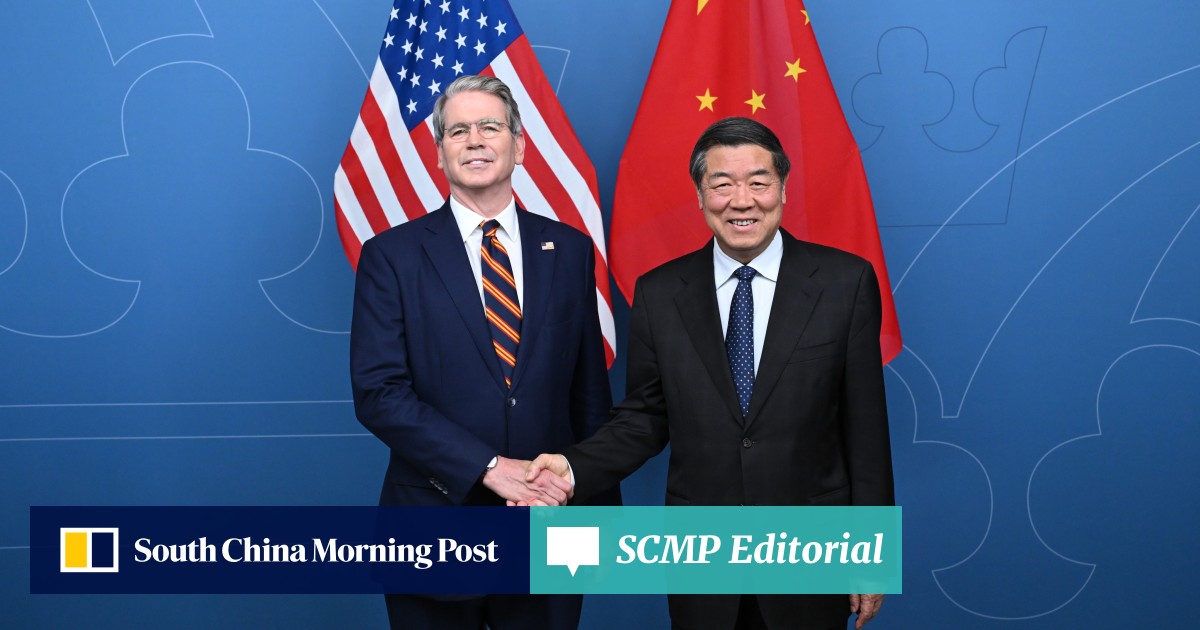
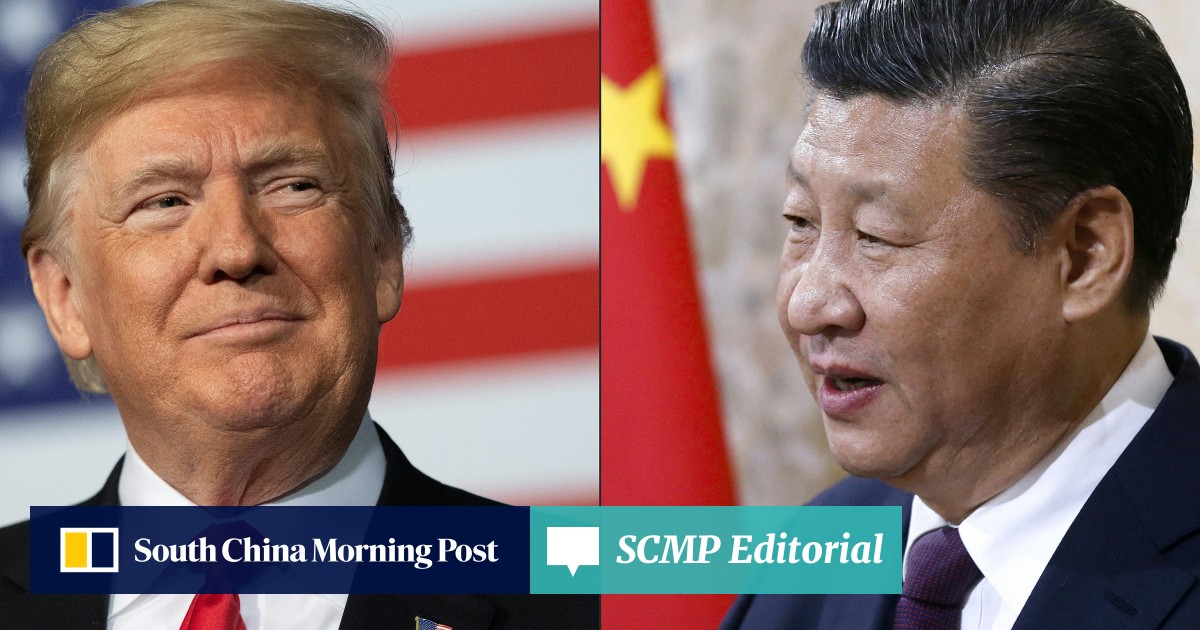
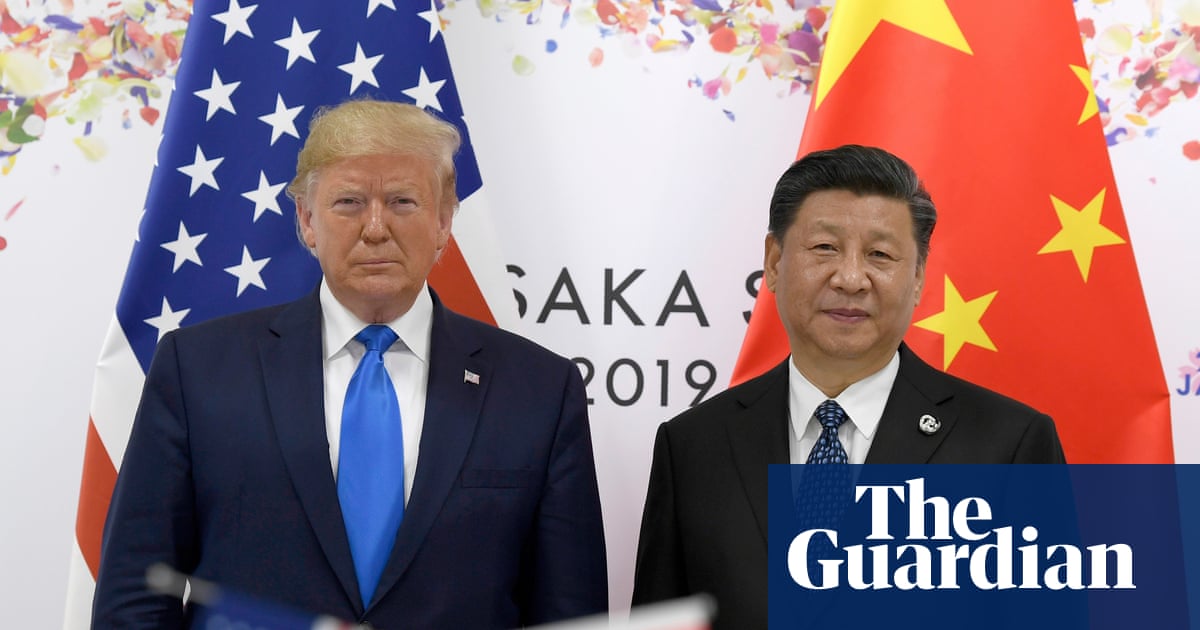
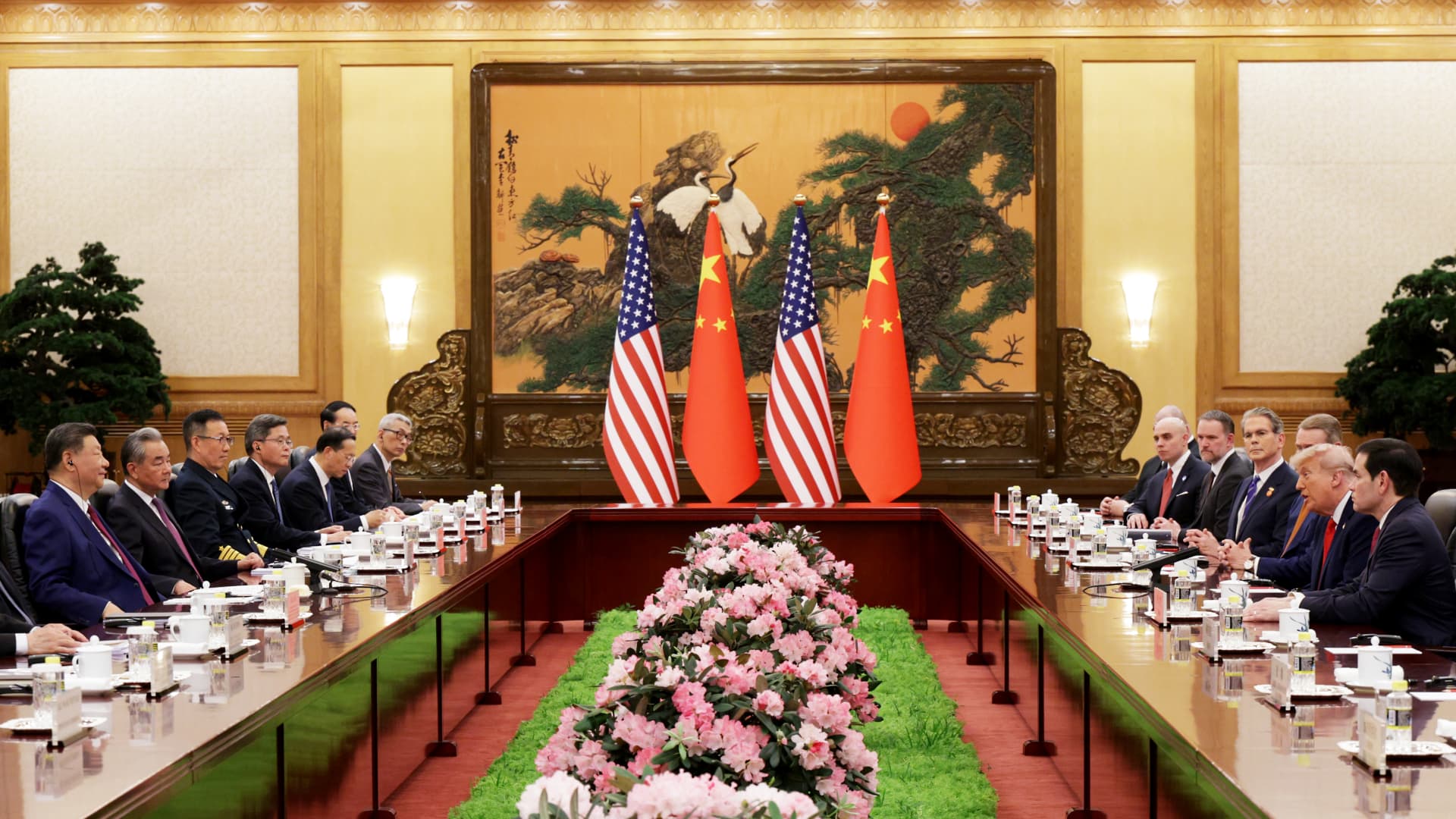
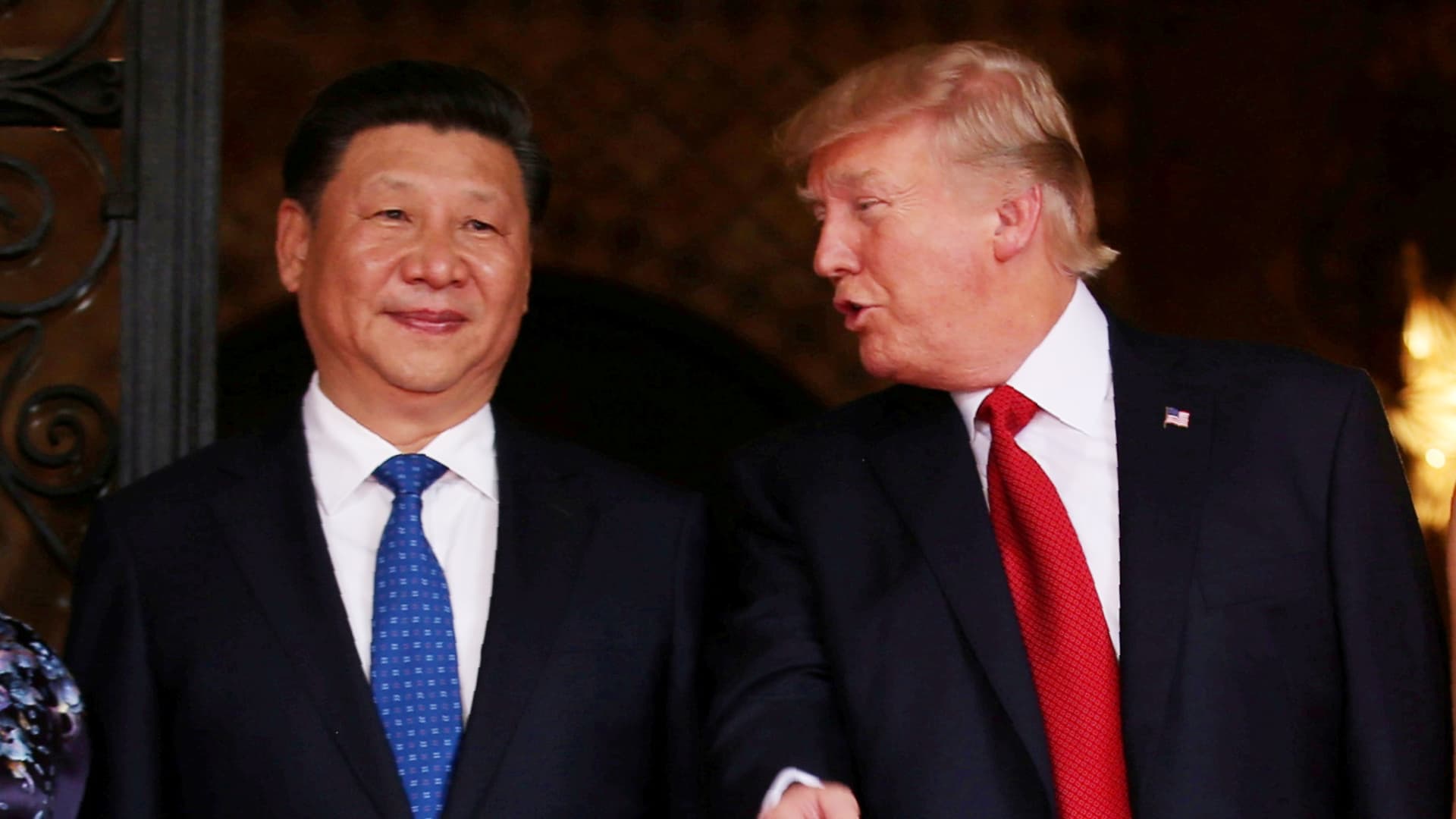
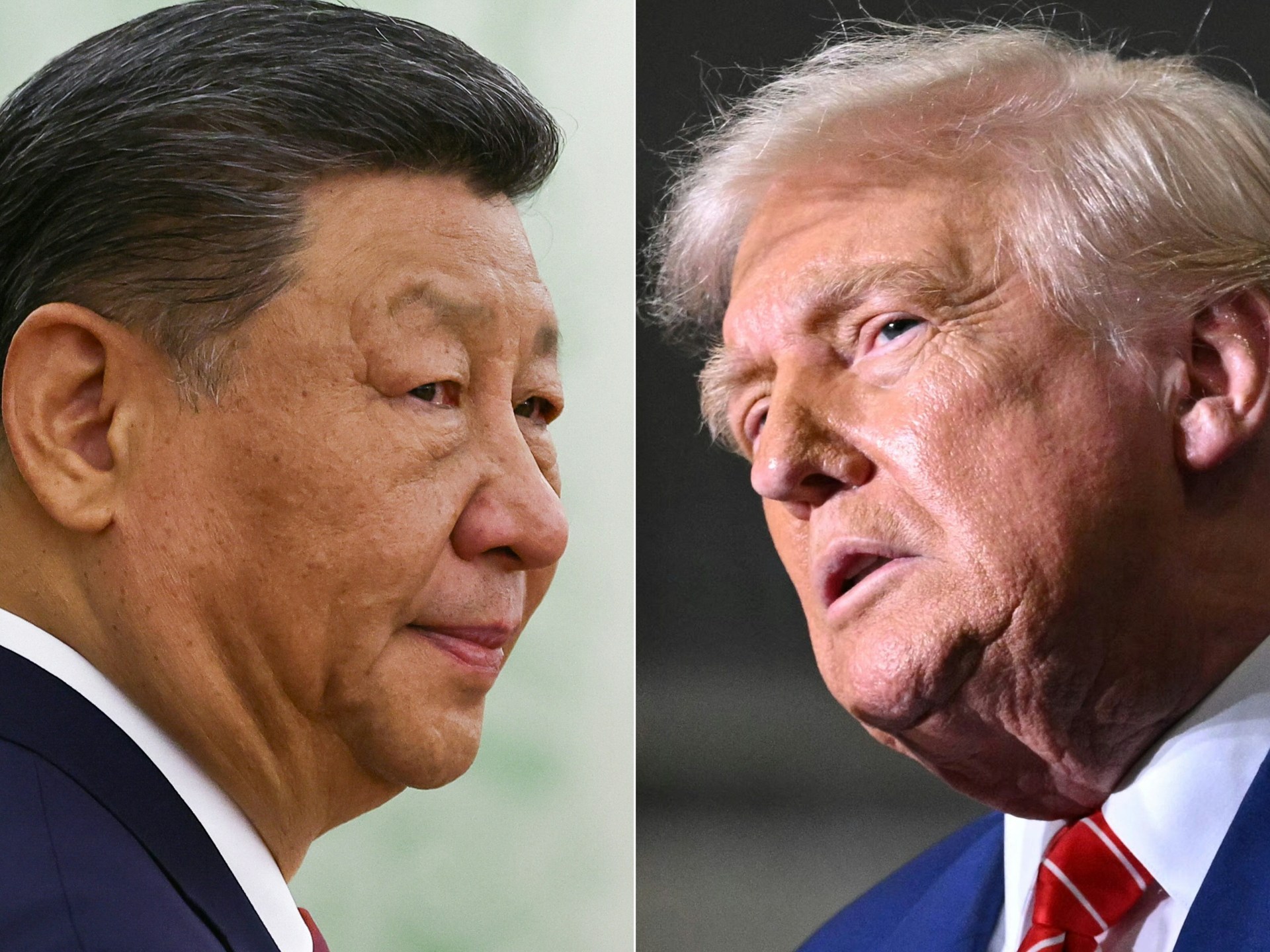
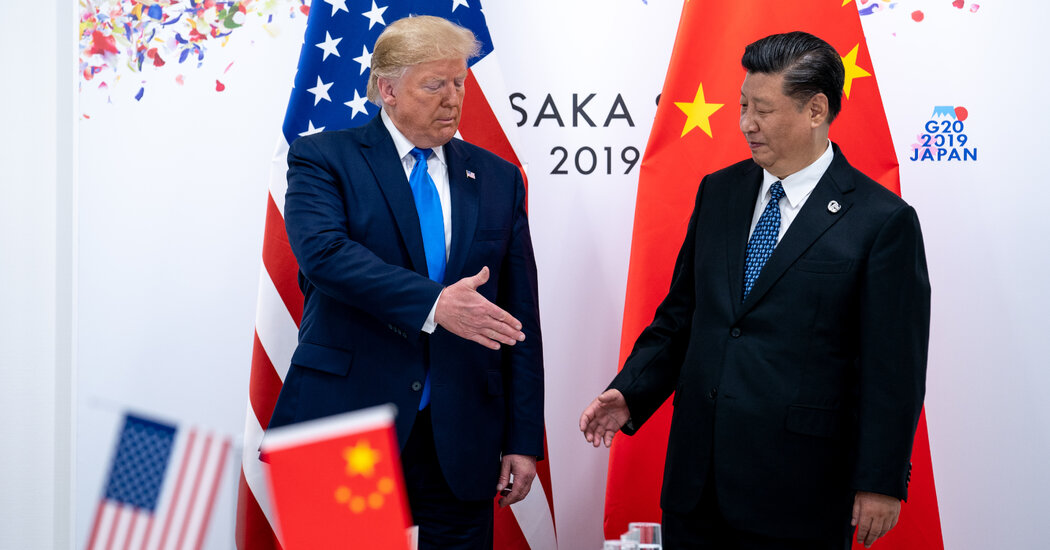
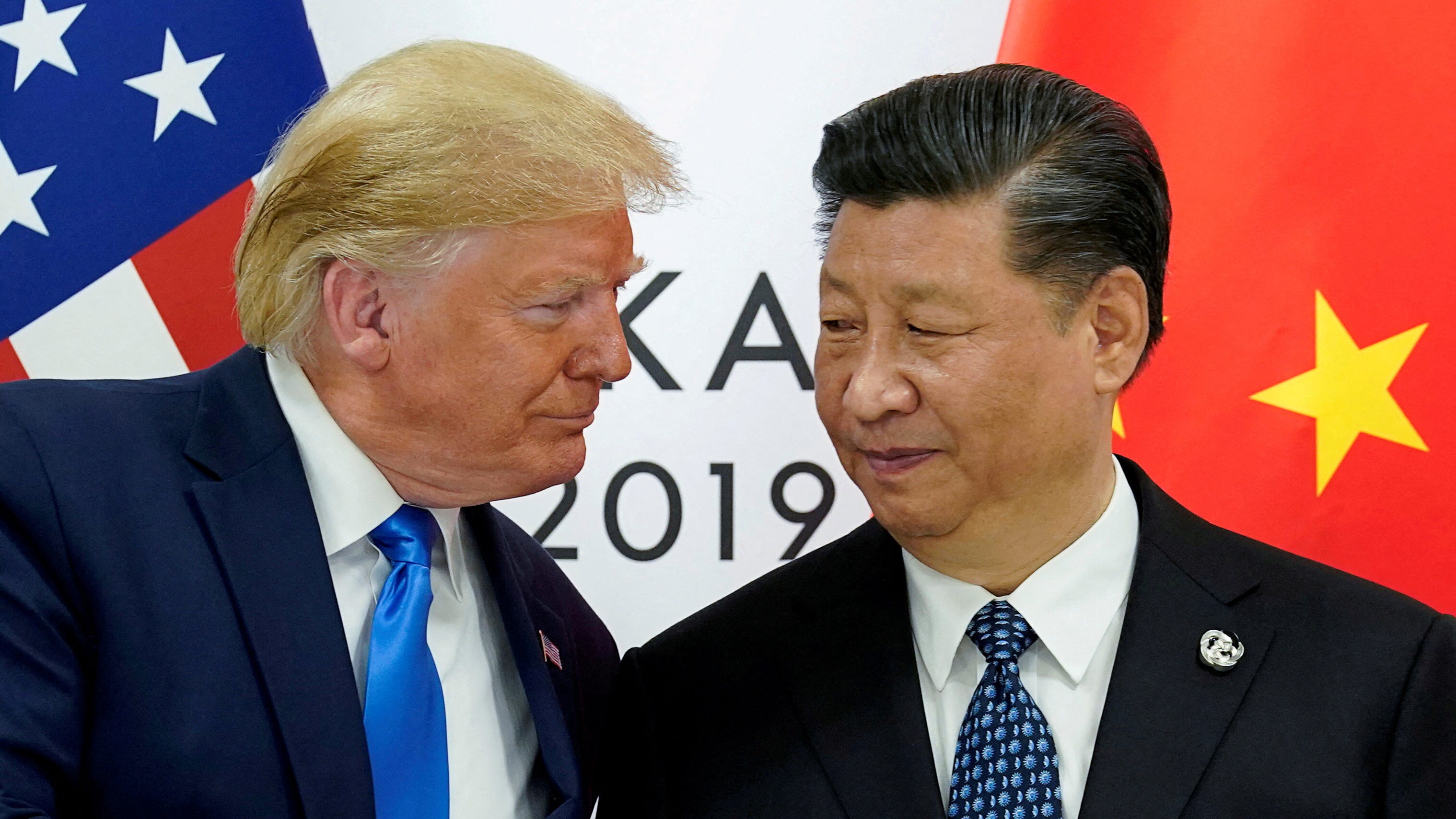
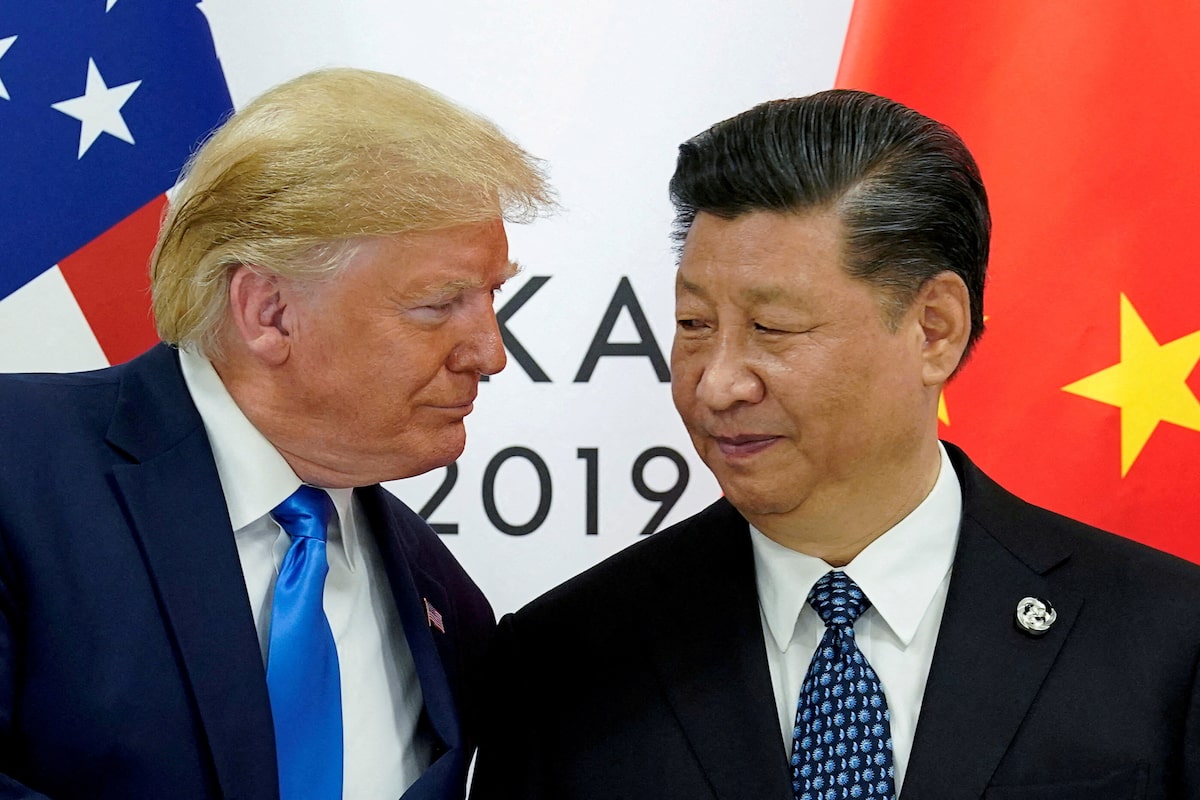
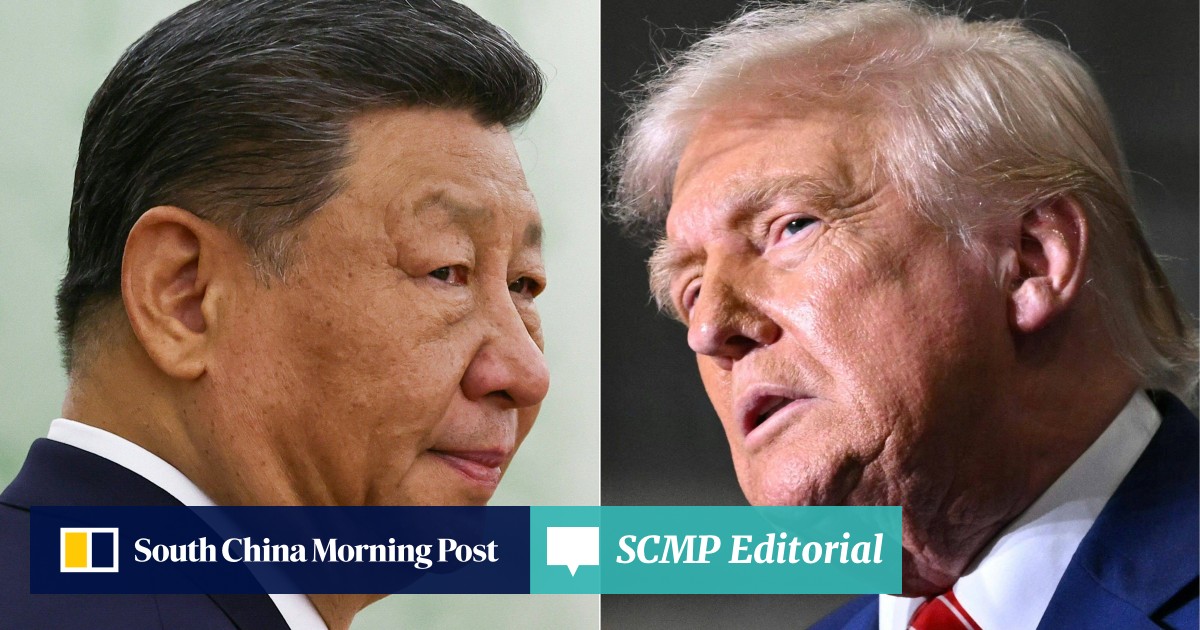
Top-level talks amid tense stand-offs between China and the United States have the power to move markets, and often do. The excitement generated by the 90-day trade war truce agreed in Geneva last month is an example. But it is not matched by reaction to Thursday’s call between presidents Xi Jinping and Donald Trump. Though it is another welcome break in the ice that has formed over the bilateral relationship, it leaves a key question unanswered – what next, if the truce is to succeed in heading off a damaging global tariff war.
That is not to say no good at all came from the first call between the two leaders since days before Trump’s inauguration in January. The US president said on social media that Xi had invited him and America’s first lady to visit China, and he had reciprocated. The details – ceremonial and diplomatic – remain to be negotiated between officials, but a possible opportunity will be the annual Apec Economic Leaders’ Meeting to be held in Seoul in November.
Both leaders had concrete results to show for the call. Trump agreed to unblock visas for Chinese students in the US, days after the State Department said it would revoke them, and Xi agreed to resume Chinese exports of rare earth minerals, crucial to everyday civilian, strategic and military technologies. Each has dimmed prospects of more constructive dialogue and negotiation between the two sides. A number of technological bans and export controls imposed by Washington remain in place, examples of mixed messaging that does nothing to ease tensions.