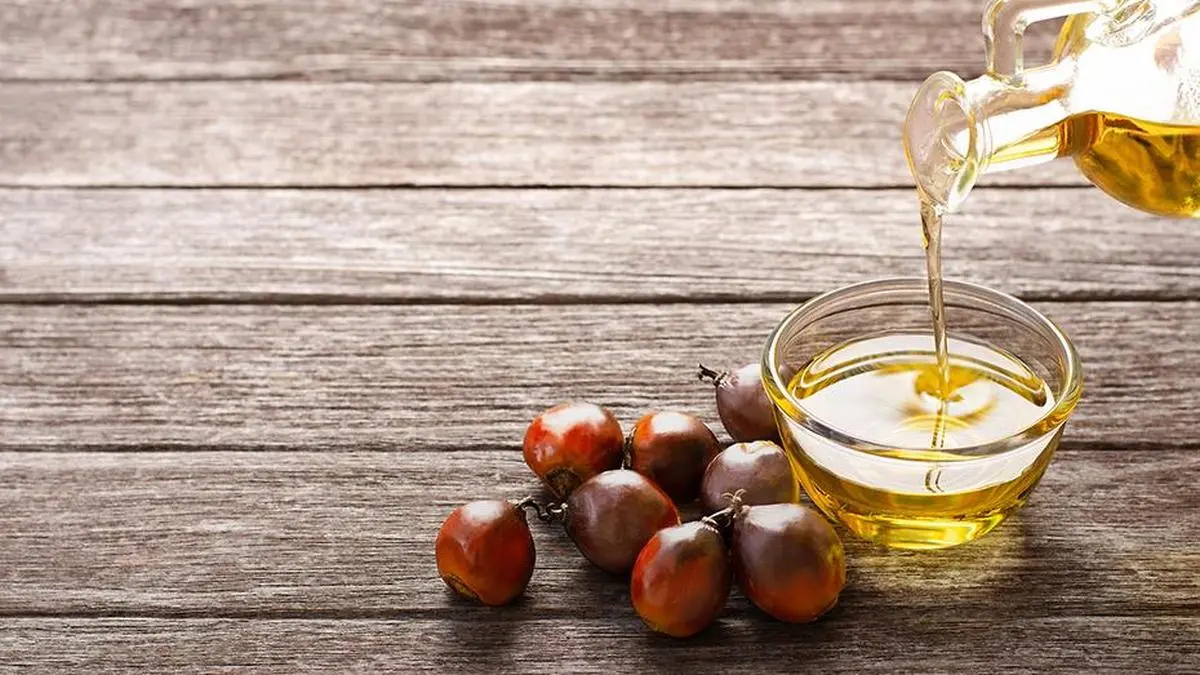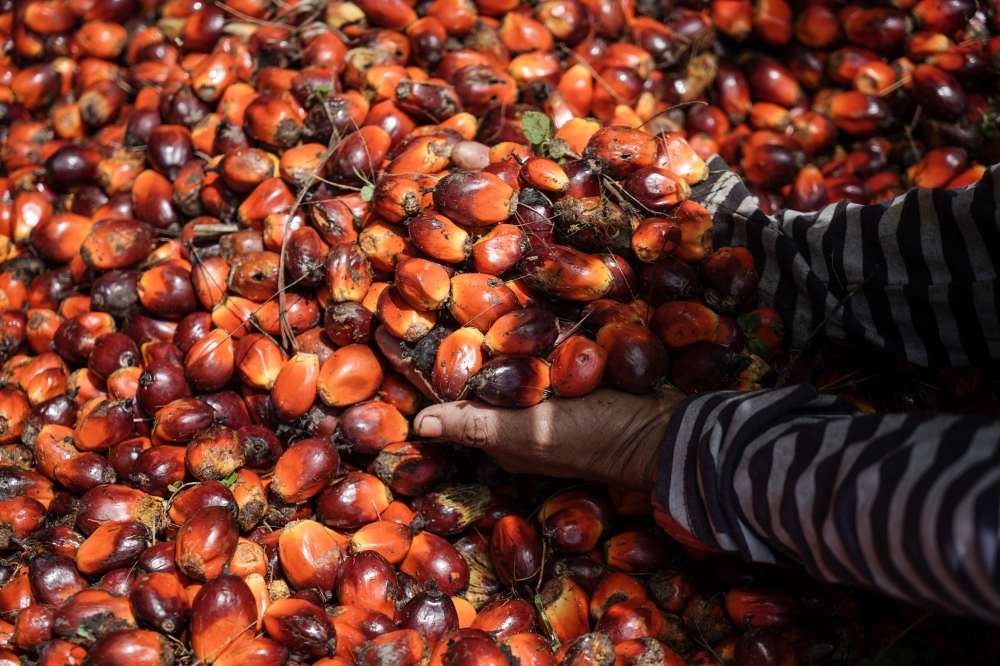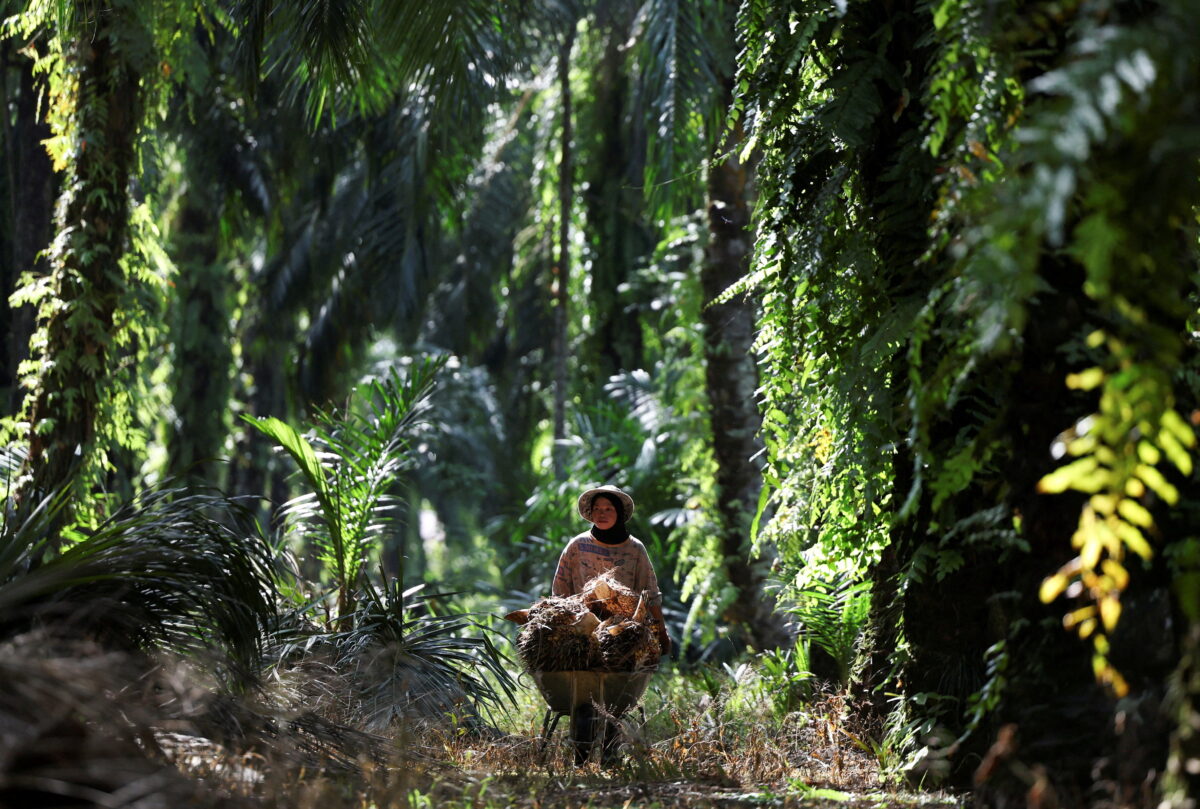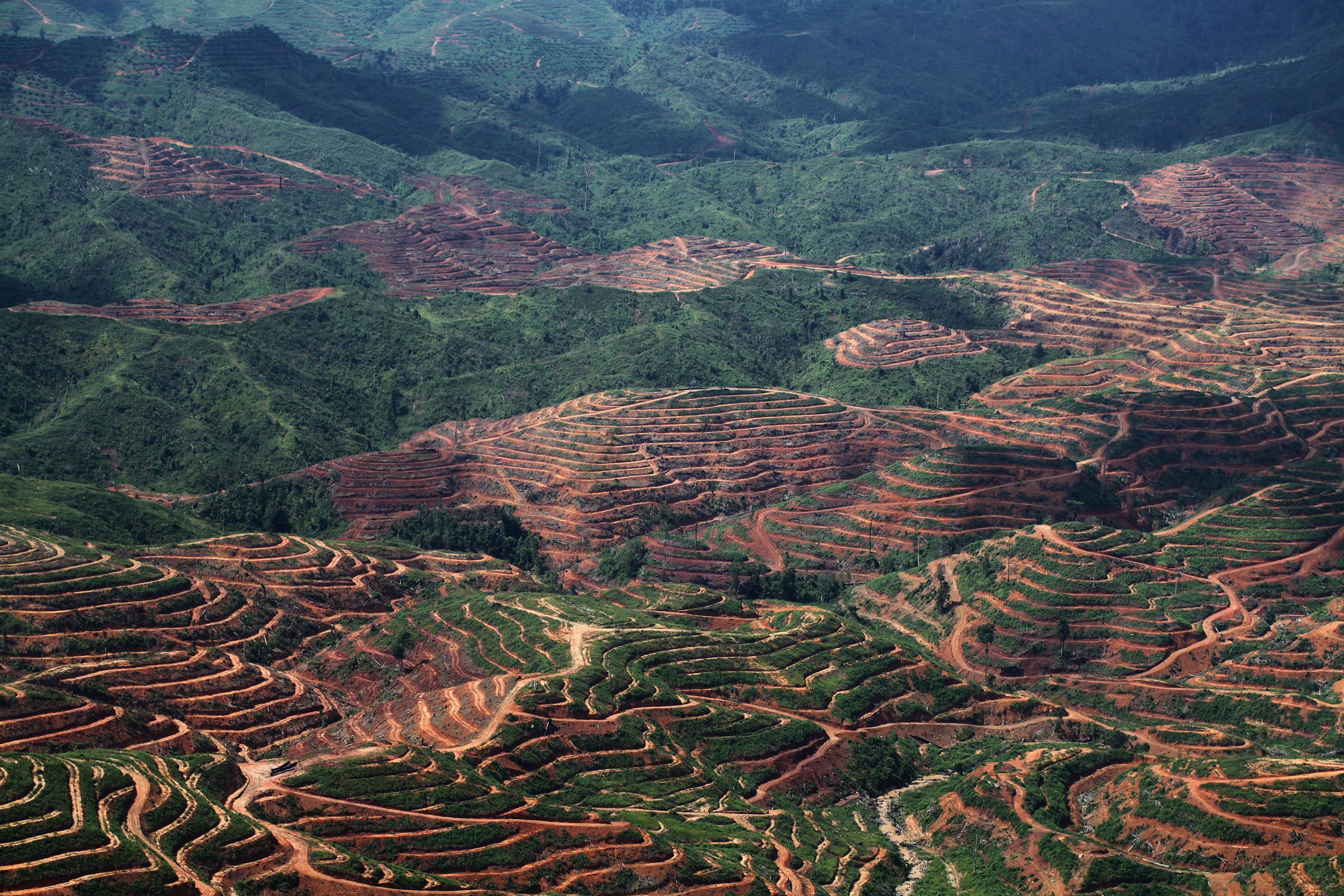
E-commerce platforms, supermarkets, and even grocery retailers today are flooded with packaged food products prominently advertised as “No Palm Oil.” It is no surprise, therefore, that palm oil has become one of the most misunderstood ingredients in the food landscape. Blamed for being ubiquitous, its real strengths of versatility and affordability are conveniently kept aside. The “No Palm Oil” label is increasingly being used to influence consumer choice through a simple message: palm-free is healthier and greener. But the science is more nuanced, and cannot be oversimplified. Beyond saturated fat: What the science really says Palm oil has become a convenient target in public debate because it contains a relatively high proportion of saturated fat. However, that is only part of the story. Palm oil’s fat profile places it between highly saturated fats such as butter, ghee and coconut oil, and more unsaturated oils such as sunflower, soybean, canola and mustard. Existing evidence does not support describing palm oil as uniquely harmful to cardiovascular health either. Furthermore, the World Health Organization’s recent rapid overview notes that there is a need for careful evidence-based interpretation of palm oil rather than slogan-based conclusions. The health debate, however, should not stop at the saturated-fat label. In palm oil, the presence of oleic acid, a monounsaturated fat that is heart-friendly, reduces triglycerides and lowers the low-density lipoprotein (LDL or bad) cholesterol level, allowing it to behave almost like olive oil. What’s more, controlled clinical trials conducted between 1992 and 2017 across Malaysia, Australia, India, China, Denmark and Italy found palm olein [the liquid fraction of palm oil] performed on par with olive, canola and groundnut oils in terms of LDL cholesterol response. In practical terms, the evidence suggests that palm olein behaves more like a stable cooking oil than a dietary villain. However, like any edible oil, it must be judged in the context of total diet, cooking method and frequency of use. The real public health concern is often not the oil but the ultra-processed foods in which it appears—here, sugar, salt, refined starch and excess calories can pose greater risks than the fat source itself. The economics behind every drop For India, the economics related to palm oil is far more crucial. Affordability is the major gain from the consumption side. Millions of marginalized farmers, food vendors, and industrial workers rely on palm oil for daily sustenance and employment, making it an accessible edible oil for households and the food industry. That is why a simple “No Palm Oil” claim may sound appealing, but it can also obscure the trade-off between price, nutritional quality and supply security. The footprint of replacement The sustainability case is equally comparative rather than absolute. Palm oil’s biggest advantage is its yield: it produces more oil per hectare than many alternatives.1 This means that a shift away from palm oil can require more land for the same volume of oil. That land penalty can, in turn, spill over into forests, biodiversity and other ecosystem services. The ecological trade-off of such replacement is immense. Studies have shown that the biodiversity footprint for other edible oils is substantially larger than that of palm oil. The climate impact per unit of edible oil3 reveals something similar. Source: “Species Richness and Carbon Footprints of Vegetable Oils: Can High Yields Outweigh Palm Oil’s Environmental Impact?”, Robert Bayer and Tim Rademacher, Sustainability, 2021 Palm oil is also the most water-efficient of all edible oil crops. Expanding the land cultivated under lower-yield oil crops to replace oil palm can increase the total area required to be under cultivation—and in turn raise aggregate land use, emissions, biodiversity and water demand across the supply chain. Ultimately, the issue is not palm oil versus no palm oil. The real question is whether consumers are being given information that helps them make informed choices about fat quality, food processing and sustainability. The path forward lies in informed consumption, better product formulation and accountable supply chains. Palm oil is neither a miracle ingredient nor a villain; it is an edible oil whose health and sustainability profile depends on how it is produced and used. The auithor is Assistant General Manager - Palm Oil Programme at Solidaridad Asia.Published on July 26, 2026
Look beyond the “No Palm Oil” label
Explore the complexities of palm oil, debunking myths about health, sustainability, and its role in informed consumer choices.
702 words~3 min read