A chemical engineer explains how Malaysian palm oil is processed, graded and refined to meet health, quality and environmental standards
How Malaysian palm oil is produced to preserve health, quality and the planet
Every year, enough palm oil is produced to fill 30,000 Olympic-sized swimming pools, and nearly one-third of it comes from Malaysia. But how does this widely used ingredient get from tree to table?
“It’s a product that touches so many lives,” says Shyam Lakshmanan, a chemical engineer with four decades of experience in palm oil refining. Based in Sandakan, Malaysia, he leads one of the country’s major refineries and has spent much of his career focused on improving efficiency, quality and environmental standards in the palm oil industry.
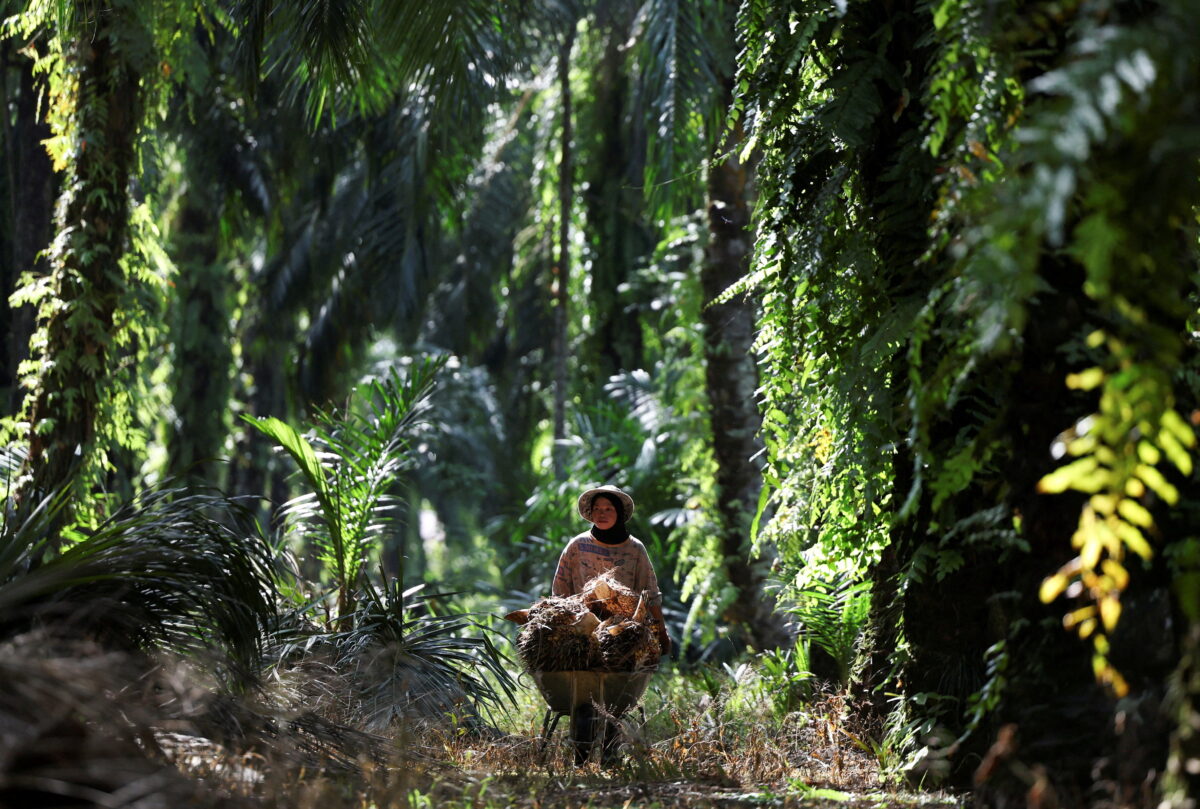
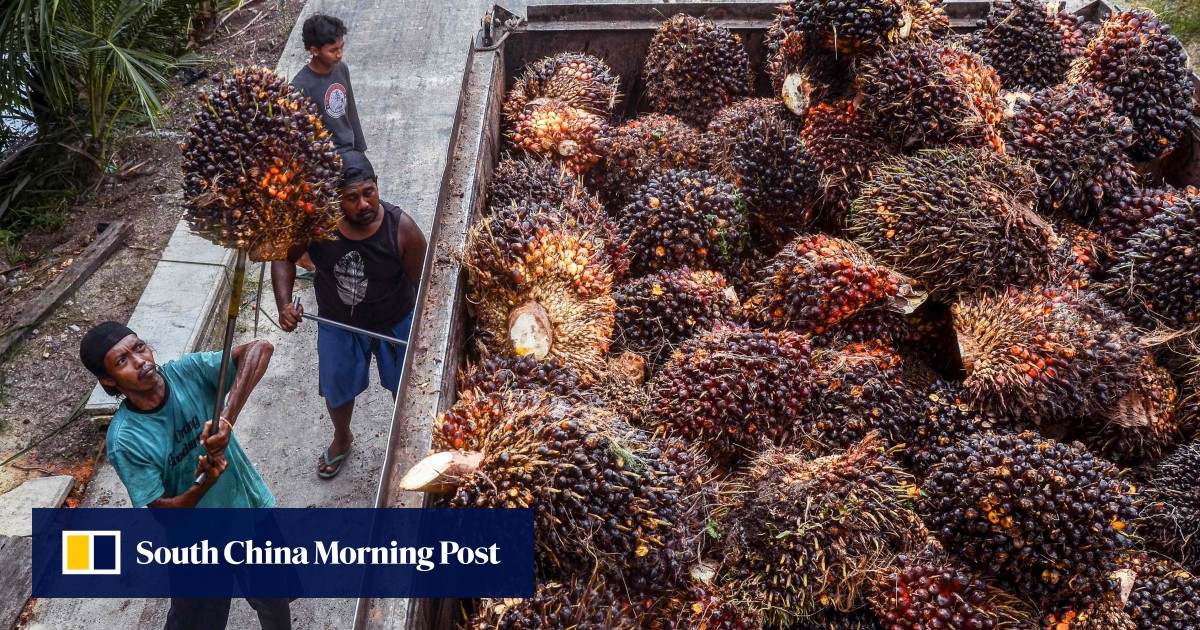
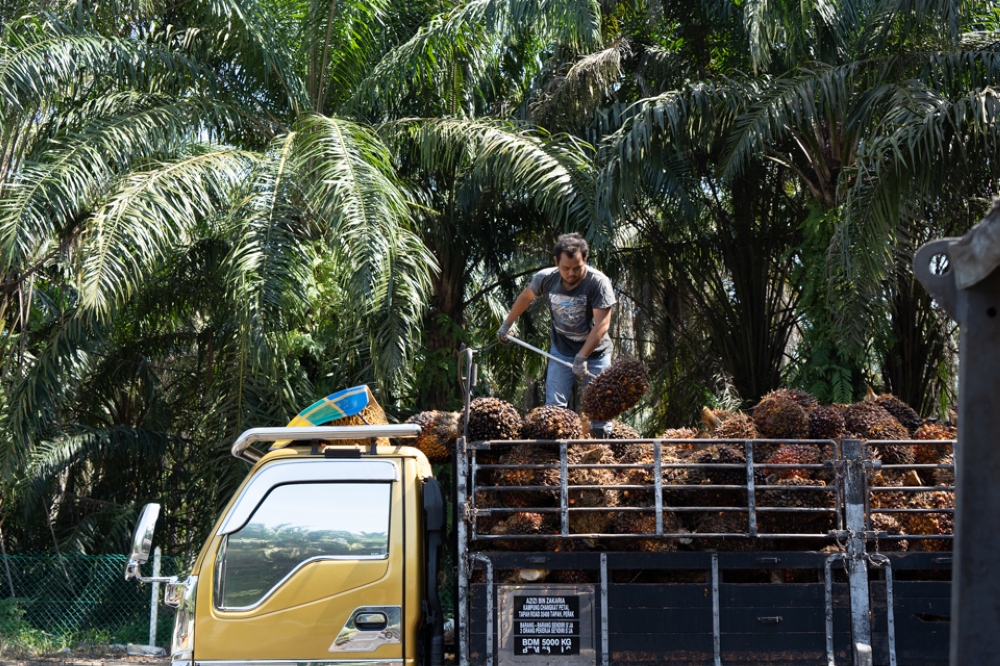
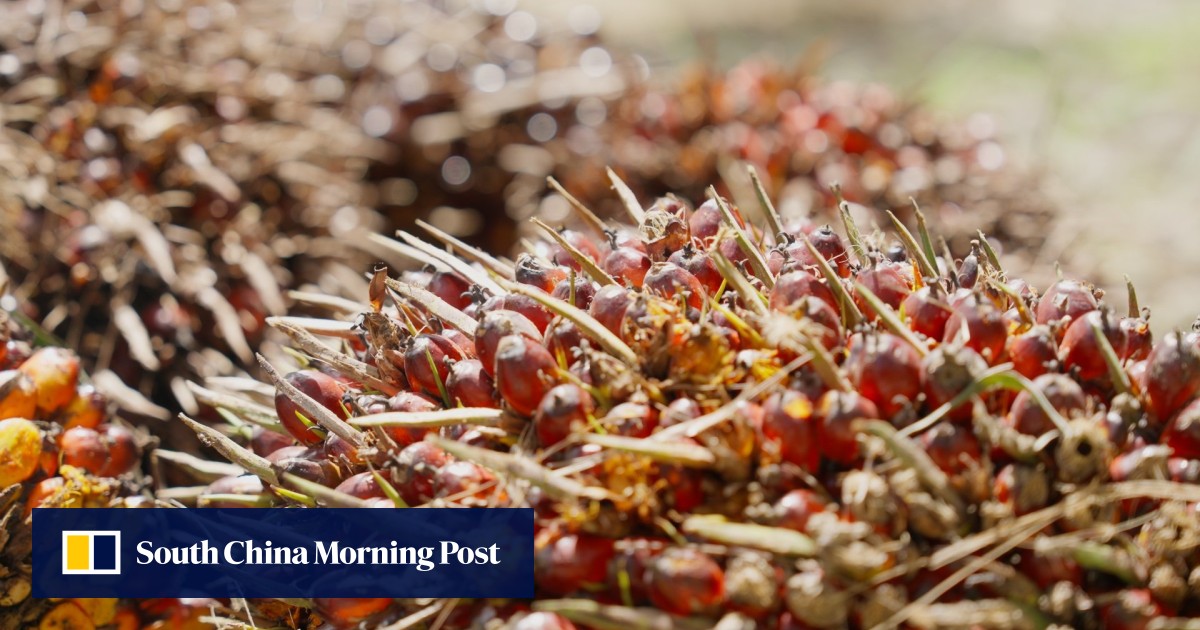
Palm oil begins its journey from plantations across Malaysia. An oil palm tree typically takes three to four years to mature before it starts bearing fruit. Unlike seasonal crops, oil palm is perennial, meaning the same tree can produce fruit year after year without needing to be replanted. Each tree can yield 14 to 18 fresh fruit bunches annually and remain productive for up to 30 years.