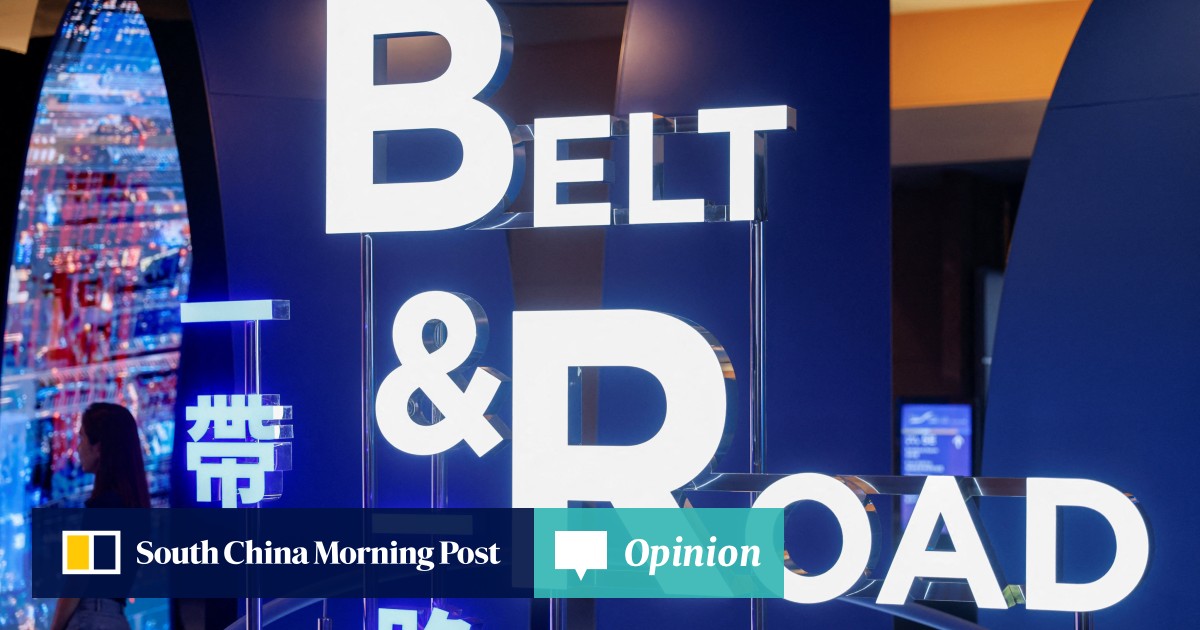
A woman visits the permanent exhibition at the Zhongguancun Exhibition Center in Beijing, China. The writer argues that China’s political economy has reshaped its national priorities. A prolonged property downturn, mounting local government debt and the drive for technological self‑sufficiency have redirected capital toward domestic needs such as semiconductor production and energy transition.
China’s overseas economic engagement is undergoing a quiet but significant transformation.
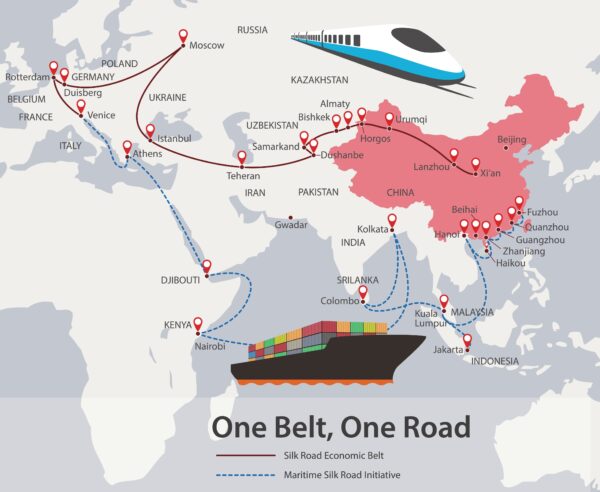
Figures from the Green Finance and Development Centre show Belt and Road Initiative (BRI) investment and construction activity reached a record USD 124 billion in 2025, surpassing levels seen during the initiative’s first decade.
Yet, behind the headline number lies a shift in the instruments and priorities driving Beijing’s global reach.
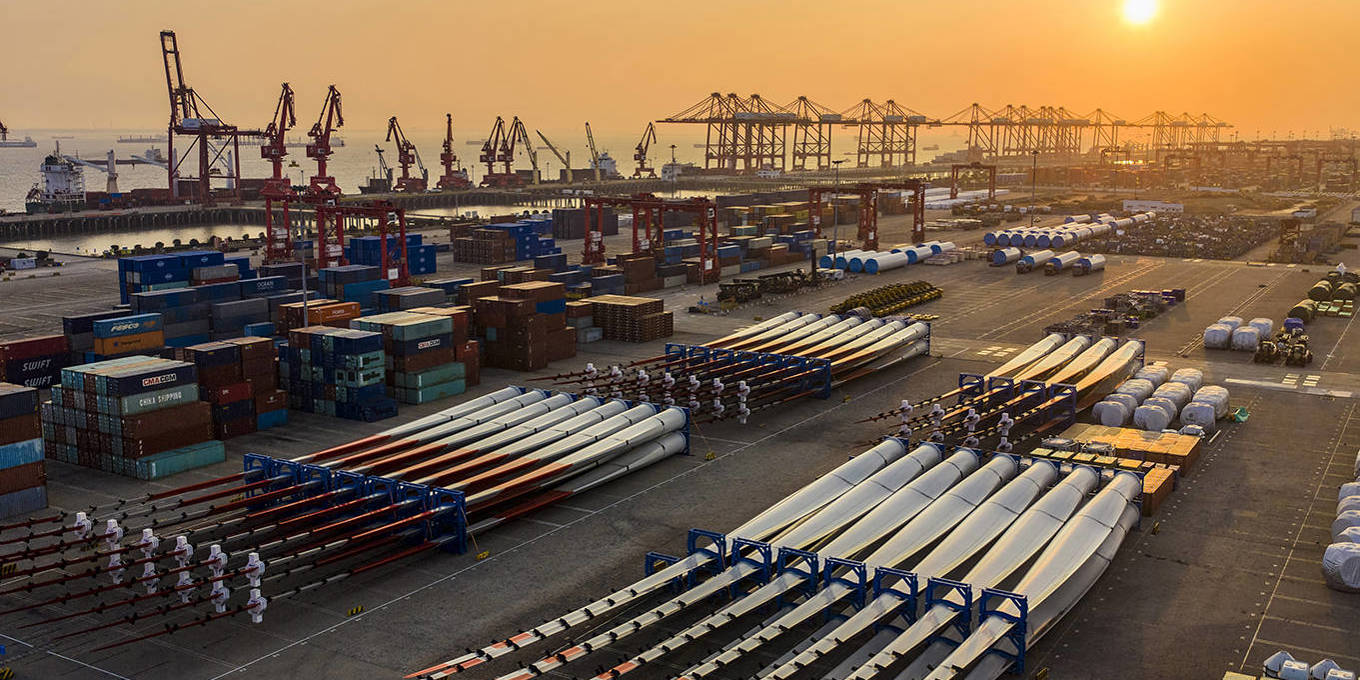
Construction contracts accounted for nearly two‑thirds of total engagement last year, while policy‑bank lending remained well below its mid‑2010s peak. Across Africa and much of the developing world, equity participation, public‑private partnerships and local‑currency financing increasingly replaced the large sovereign credit lines that once defined Chinese development finance.