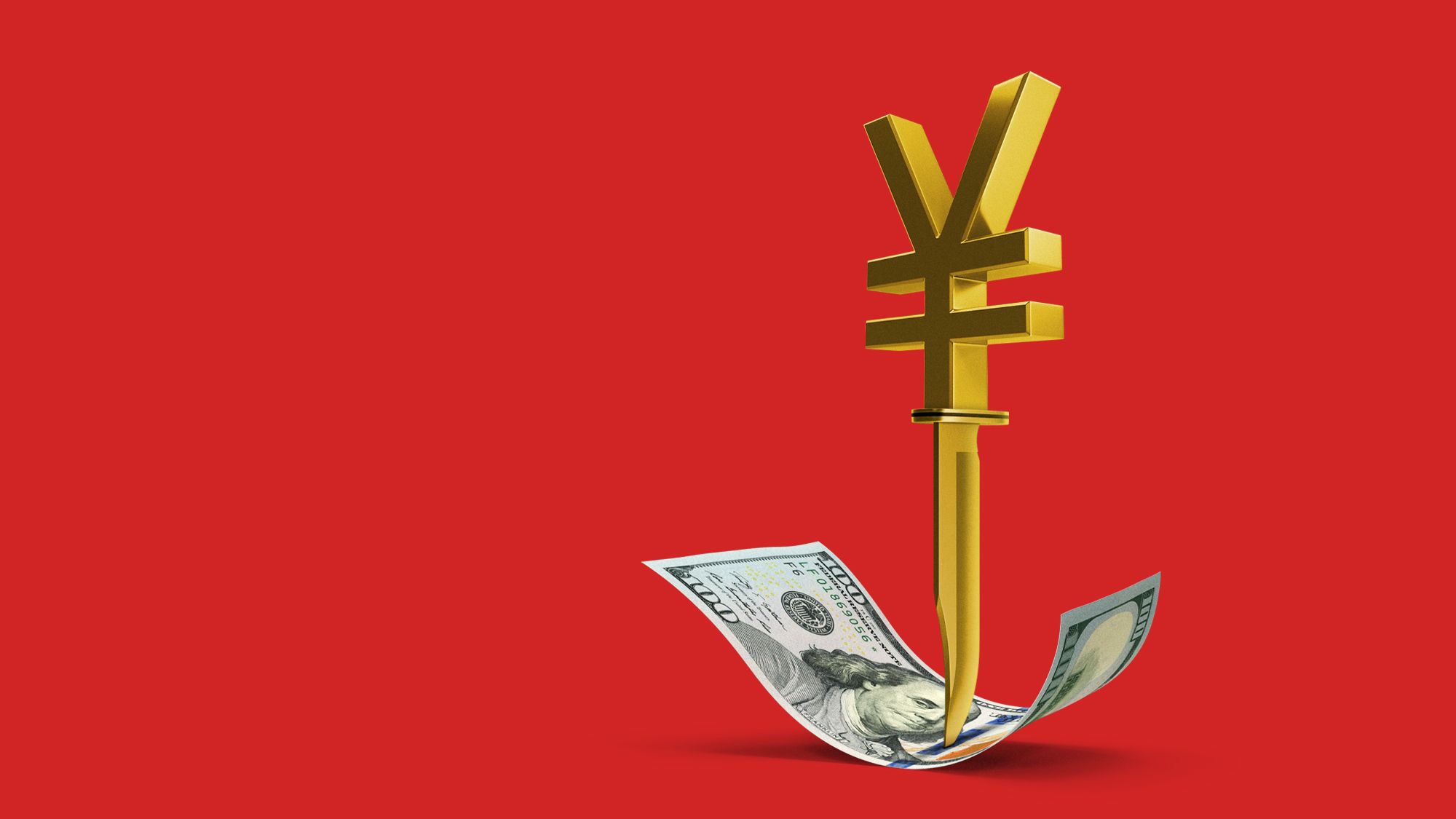
China’s economic rise at home has expanded outward, with an influx of Chinese investment, aid, and loans overseas, particularly since the launch of the Belt and Road Initiative in 2013. Analysts abroad, especially in the United States, often see these financial levers as a channel for Chinese influence. The thesis behind “debt trap diplomacy,” for example, holds that China uses loans to ensnare recipient governments in debt, then pressures them for concessions in exchange for flexible repayment conditions.
But has China’s growing economic engagement abroad actually translated into political influence?
That’s exactly the question Audrye Wong, a senior fellow at the American Enterprise Institute, explores in her new book, “Subversion and Seduction: China’s Economic Statecraft” (Oxford University Press, 2026). She finds that China’s economic influence is closely tied to positive inducements, not punitive measures like sanctions or debt penalties.
Even then, “Recipient countries actually have considerable agency in shaping and even circumscribing China’s economic influence,” Wong told The Diplomat in a written interview, “and that’s a point often overlooked by those focused on the high-level bilateral U.S.-China competition.