Read The Diplomat, Know The Asia-Pacific
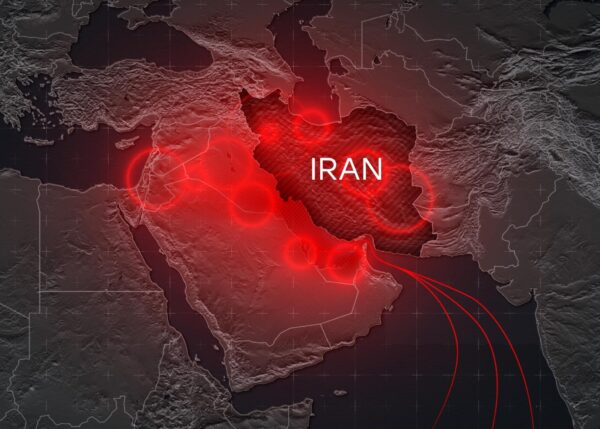
Beijing is becoming more selective about where and what it builds overseas. That transition was already underway but it has been hastened by the Iran-U.S. war.
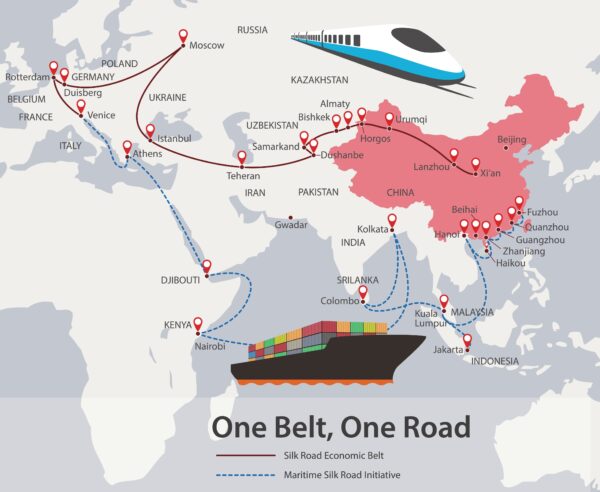
For much of the past decade, the Belt and Road Initiative (BRI)’s biggest vulnerability appeared to be debt. The present conflict in the Middle East is forcing Beijing to confront a different problem: physical risks to infrastructure.
Even before the outbreak of conflict between Israel, the U.S., and Iran, security was a growing problem for the BRI. Militant attacks on Chinese personnel along the China-Pakistan Economic Corridor, persistent insecurity around Chinese-backed projects in parts of Africa, and the disruption of land trade routes following the Russia-Ukraine war had already forced Beijing to deal with security problems it was poorly equipped to handle.
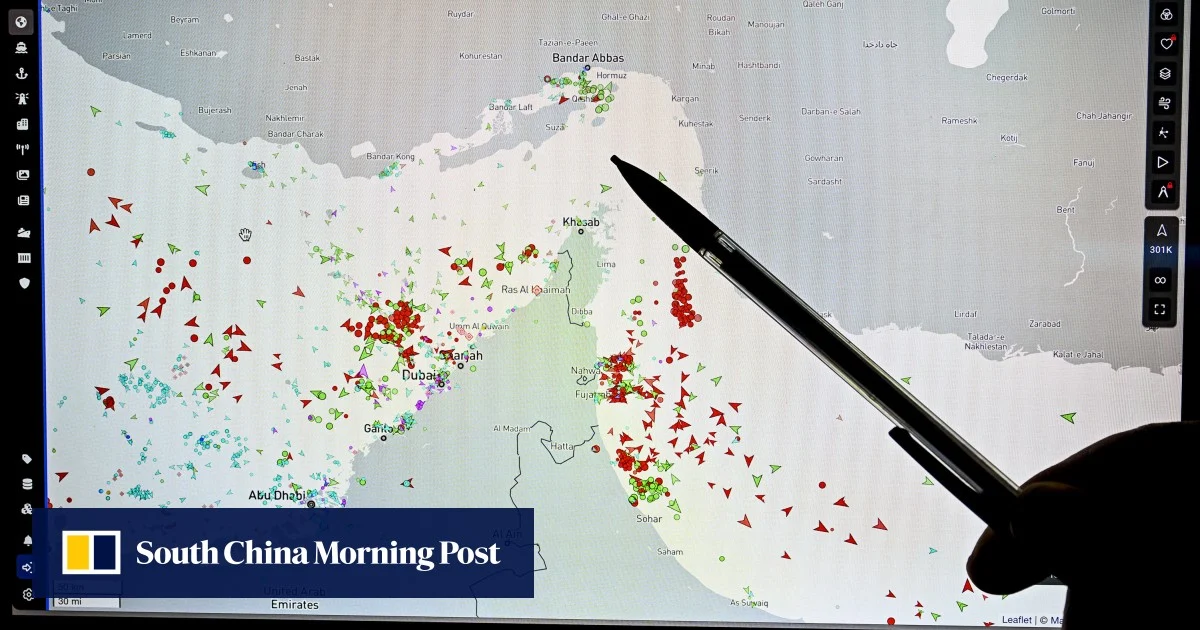
China’s direct investment in the Middle East reached roughly $89 billion between 2019 and 2024. Energy terminals, seaports, and logistics corridors in Qatar, the UAE, and Oman are now sitting inside or near active conflict zones. That means Chinese capital is now concentrated in a region where military strikes, not borrower default, are the primary threat to project viability.