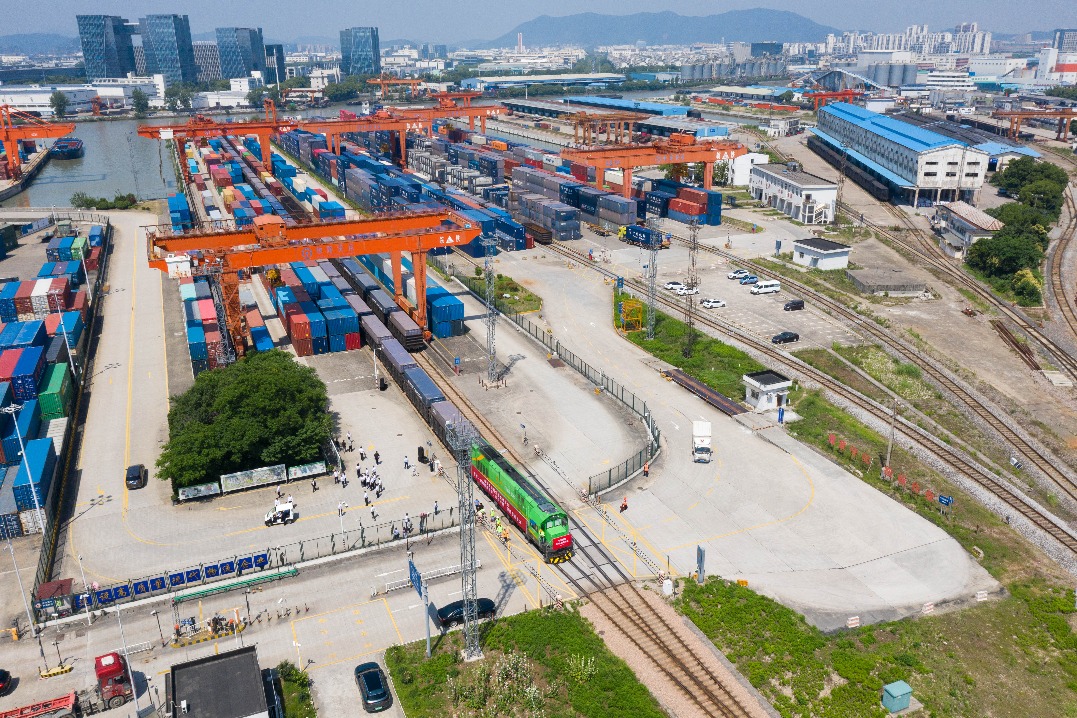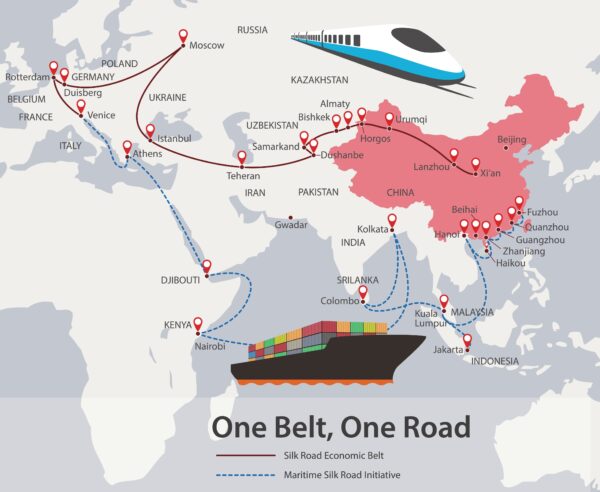
Large-scale infrastructure projects around the world mark the success of the Chinese Belt and Road Initiative (BRI). The strategy, launched in 2013, has been instrumental in transforming global trade and connectivity. Yet while it has brought benefits, it has also come with unexpected costs and consequences for recipient countries. Infrastructure development has come tied to Chinese technology, now heavily embedded in electrical grids, telecommunications networks, and government utilities. Countries in the EU and North America have noted risks to national security and sovereignty caused by subversive Chinese technology, yet blacklisted companies such as Huawei and Dahua Technologies remain actively involved in the development of tech infrastructure in strategic locations such as the Balkans, on Europe’s western frontier.
For over a decade, China has made investments in the Balkans, with over €1 billion committed by Beijing as early as 2009. Chinese loans have been instrumental in securing the BRI’s route into Europe. Investments have flowed into all of the Balkan states except Kosovo, which remains unrecognized by China. The introduction of Chinese technologies has created serious cause for concern. Countries have become particularly concerned after finding Chinese communication devices embedded in imported products and after witnessing China’s use of advanced surveillance to target its own Uyghur population. This led the US to blacklist 28 Chinese companies and produce the Clean Network Initiative, which seeks to ensure telecommunications security within Western networks.