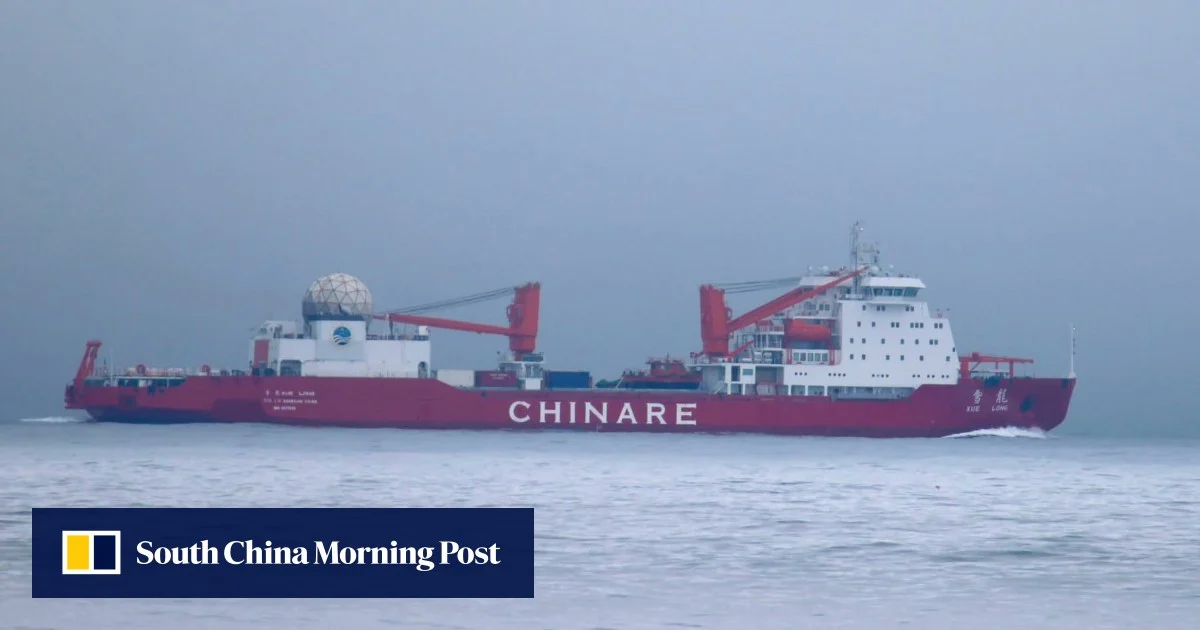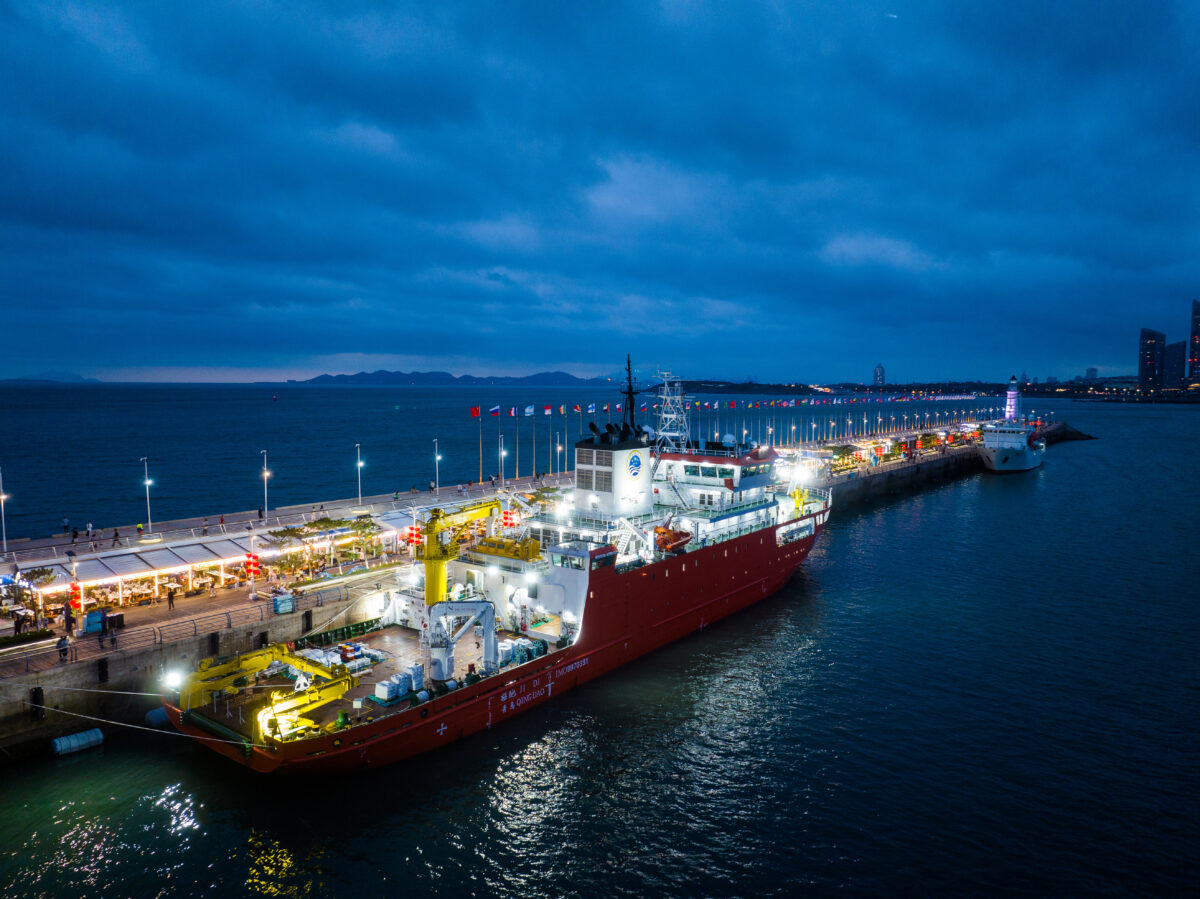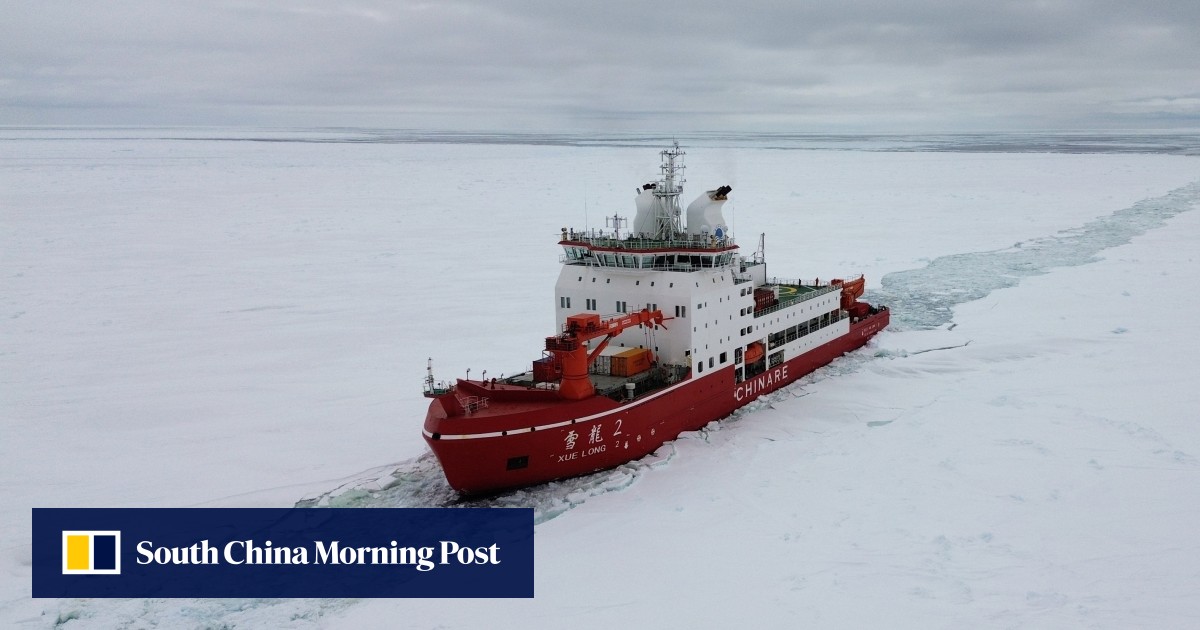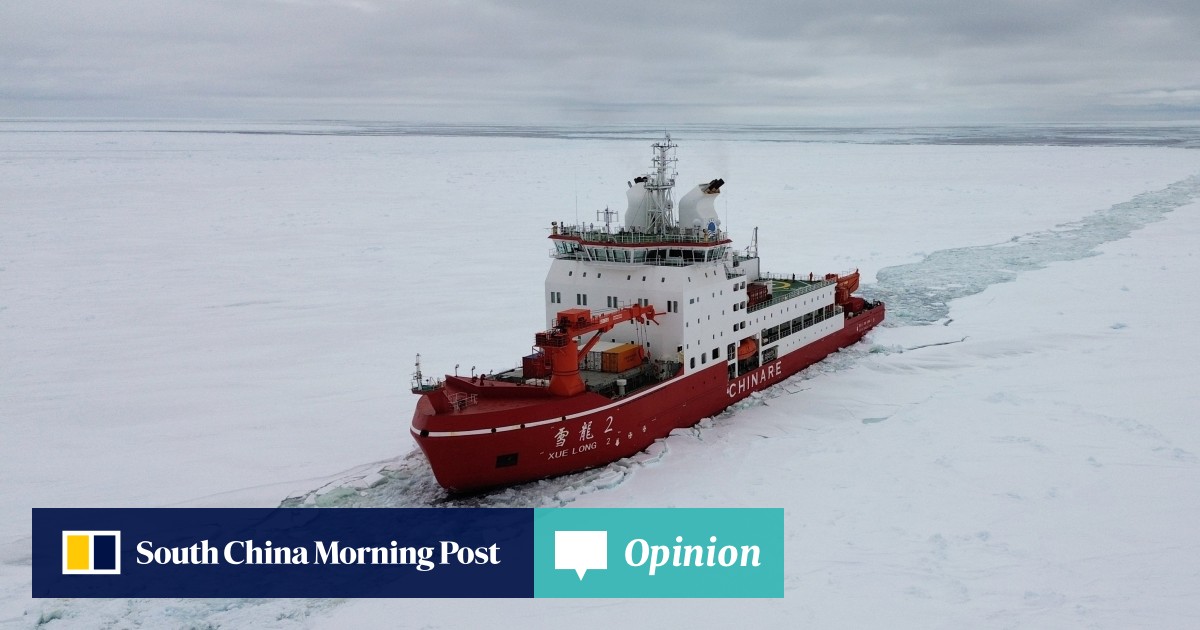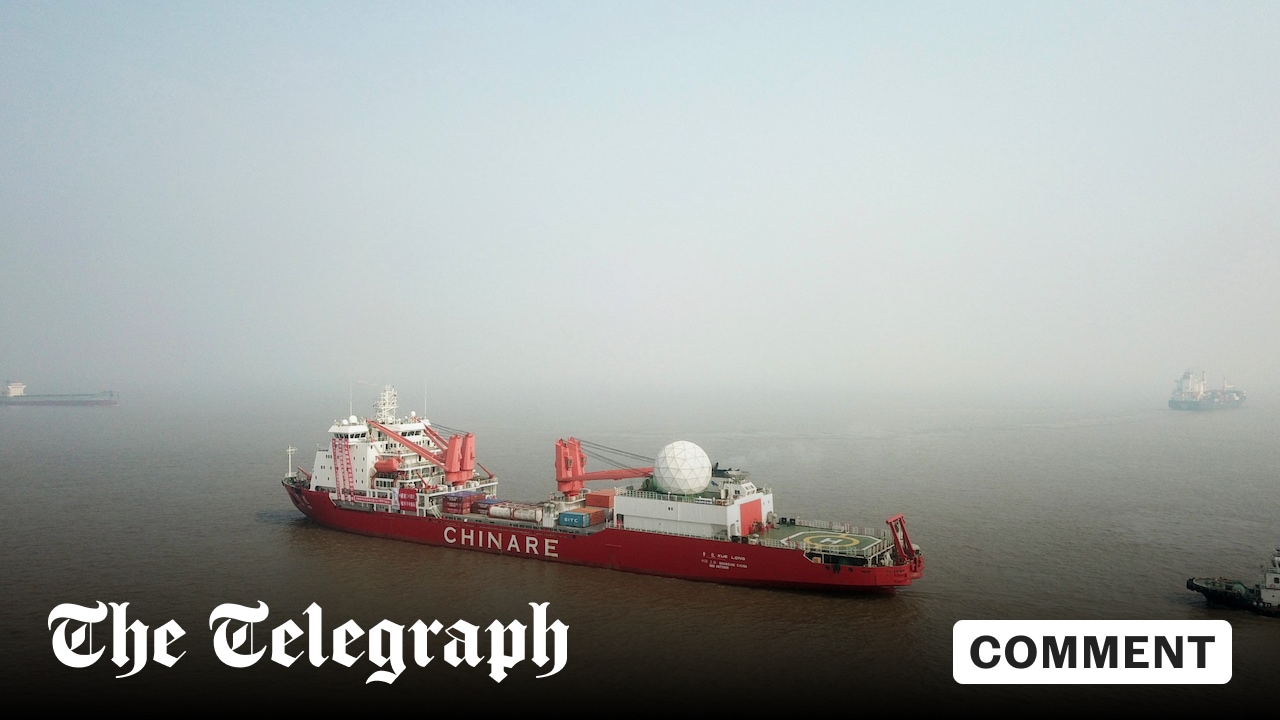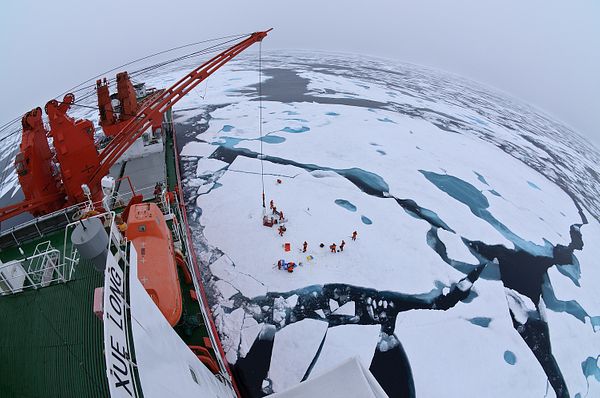
It has been almost a decade now since Beijing announced its revised Arctic strategy, particularly focused on the development of the Polar Silk Road (PSR), a segment of the Belt and Road Initiative originally conceived as an emerging “blue economic channel” connecting Europe with Northeast Asia via the Northern Sea Route.
The PSR would later be incorporated into Beijing’s 2018 governmental White Paper on the Arctic, as China sought to “understand, protect, develop, and participate in the governance” of the far north, while positioning itself as a “near-Arctic state” and regional stakeholder. While maintaining emphasis on Arctic scientific cooperation, China began to exhibit stronger interests in regional economic, and to a degree strategic, initiatives in the years following the publication of the White Paper.
However, many of China’s initial, ambitious Arctic objectives soon collided with political and logistical realities. Various planned regional investments, from railways in the Nordic region and Russia, to mines in Greenland and Canada, to natural gas co-development in Alaska, failed to materialize. Policy momentum was further stalled by the COVID-19 pandemic, and subsequently by the aftershocks of Russia’s full-scale invasion of Ukraine in 2022.