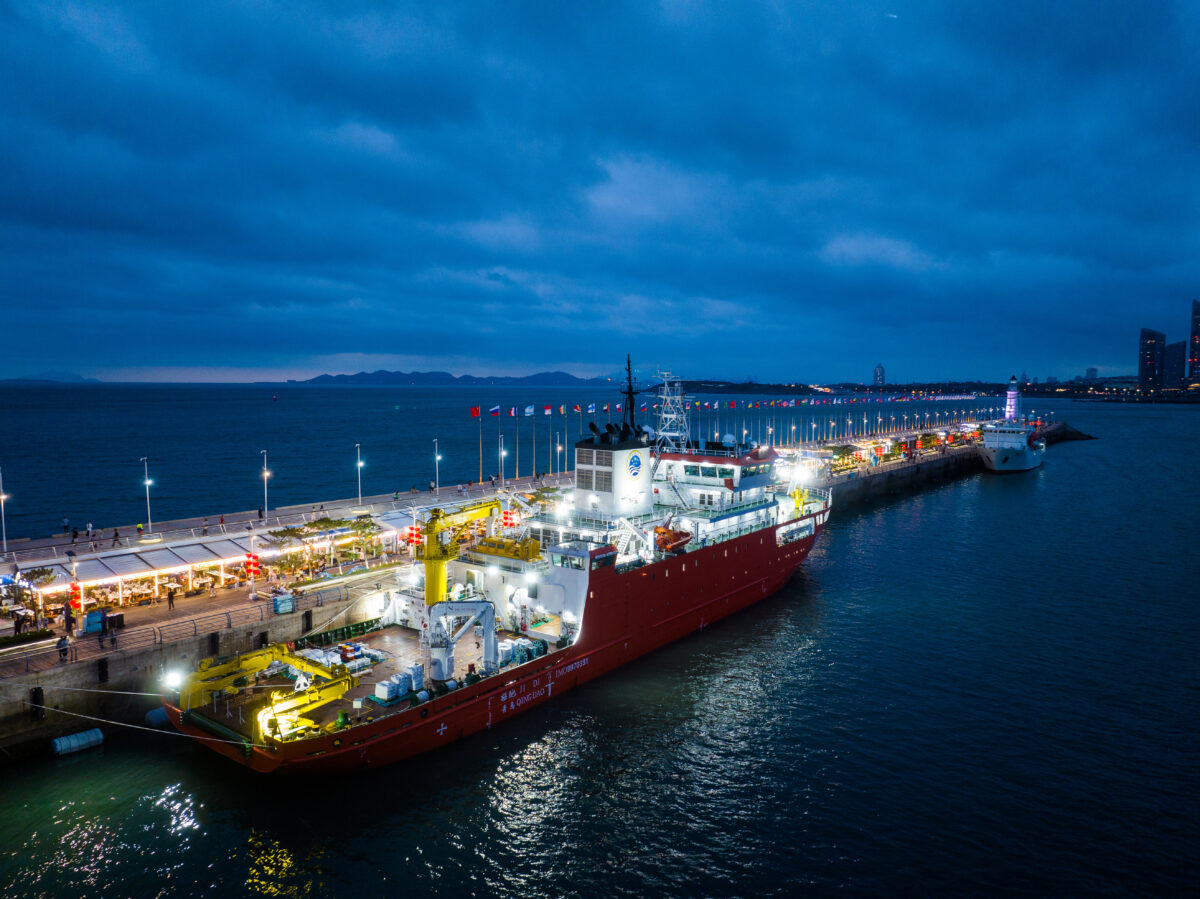
China’s deepening partnership with Russia and its growing maritime capabilities have prompted Arctic governments to view Beijing not only as an economic actor or scientific stakeholder, but also as a potential strategic challenge. Despite political resistance from most Arctic states, China remains determined to expand its knowledge, presence and influence in the region.
Chinese policy documents and official commentary have long emphasised the goal of developing China into a ‘polar great power’. China’s 2018 Arctic Policy presented China as a ‘near-Arctic state’ with legitimate interests in Arctic shipping, resource development, scientific research and governance.
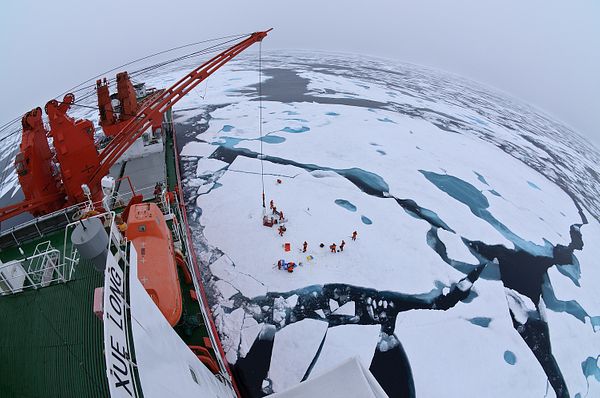
Since then, Chinese investments, scientific activities and diplomatic engagement have sought to establish China as a long-term stakeholder in the region. In addition to opening a weekly container route along the Northern Sea Route, China has become a major investor in Russia’s Arctic energy sector through its stake in the Yamal Liquefied Natural Gas project. It has also maintained a sustained scientific presence through the Yellow River research station in Svalbard and regular Arctic expeditions by its icebreakers Xue Long and Xue Long 2. Diplomatically, China has sought a larger role in Arctic governance since obtaining observer status in the Arctic Council in 2013. Together, these commercial, scientific and diplomatic activities demonstrate Beijing’s determination to remain a long-term Arctic stakeholder despite growing political headwinds.