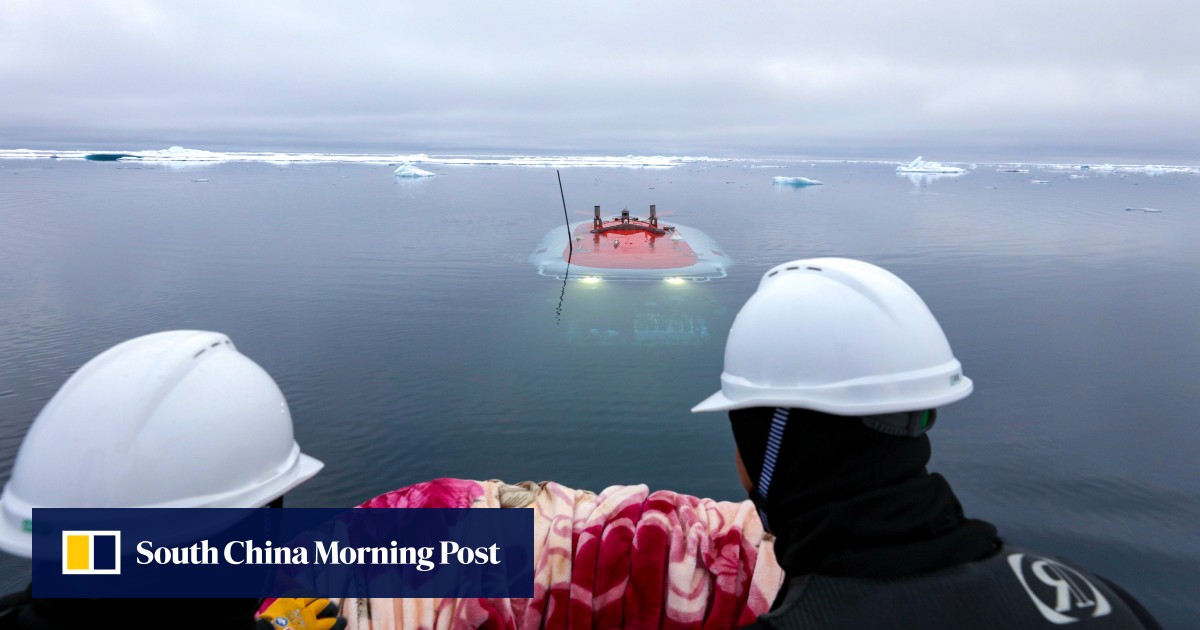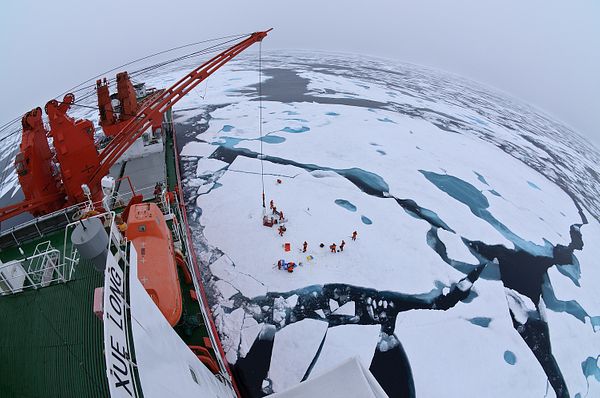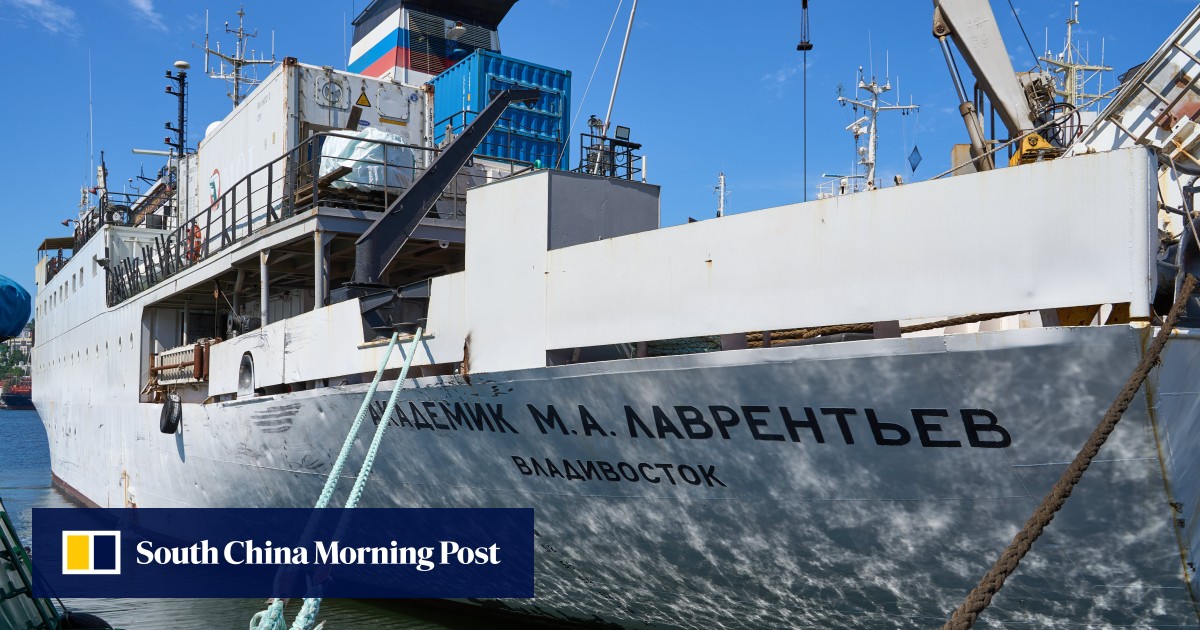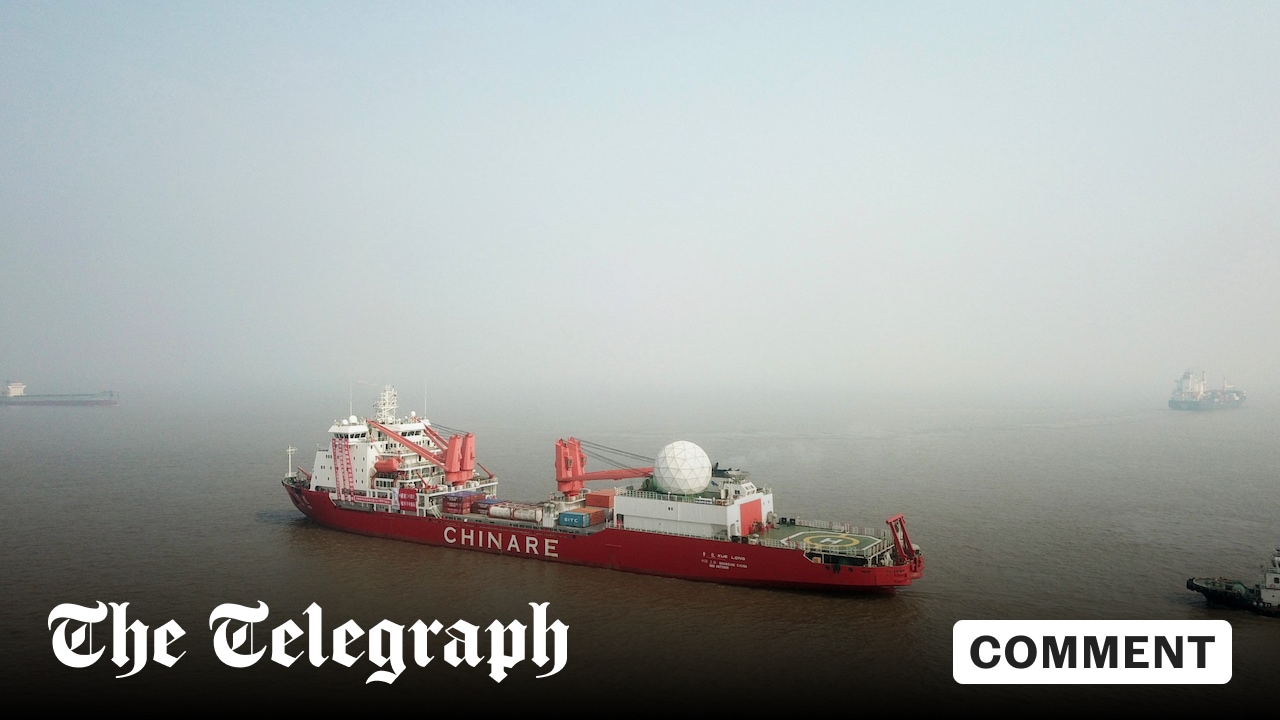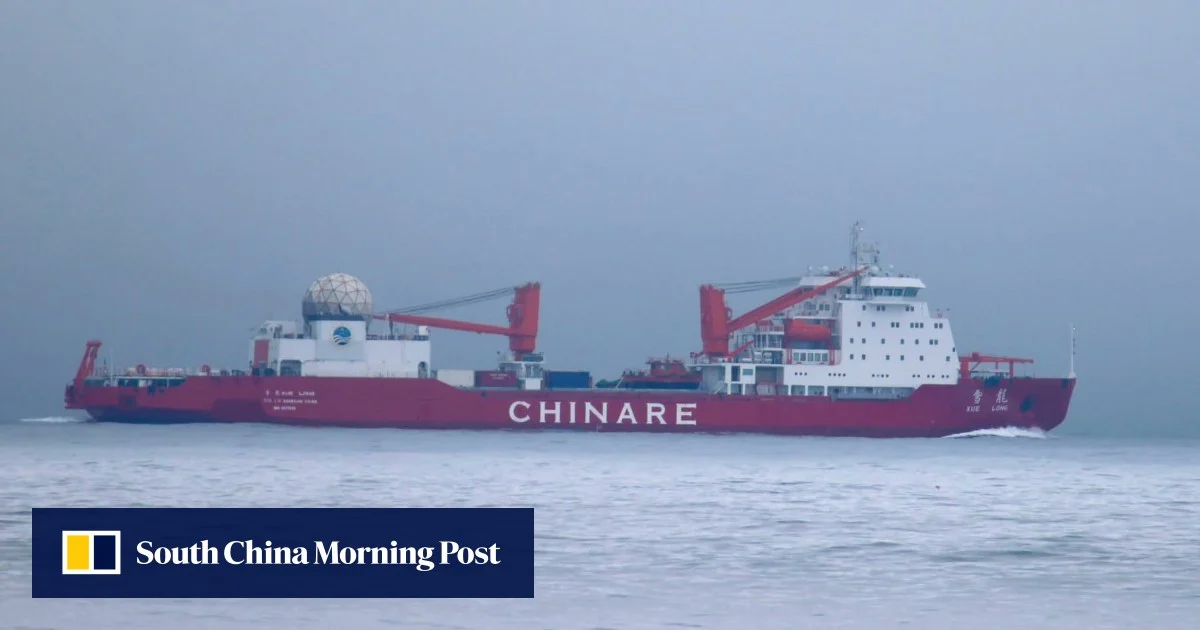
Last year, as part of China’s 15th Arctic expedition, two of China’s manned submersibles, the Fendouzhe and Jiaolong, conducted what Chinese news agency Xinhua described as “joint underwater operations” or manned dives under the Arctic ice. This was the first time that China had done anything like this. For the purposes of these dives, China brought to the region two of its deep-sea research vessels, which acted as motherships for the submersibles. These submersibles then conducted more than 40 dives over a 56-day period in the Central Arctic Ocean, some together and some separately.
As we discussed in a longer brief on the topic, these tests were just the latest sign of the growing scope of China’s scientific activities in the Arctic. Many signs point toward China increasingly seeking, among other goals, to develop reliable means to operate, communicate, and navigate within the Arctic region, both below the surface and above it. The manned submersible experiments can be seen as just one important milestone to this end, reflecting China’s growing ambition and capability to expand its presence within its self-defined “strategic new frontiers.”
Towards the “Strategic New Frontiers”
Polar regions (meaning both the Arctic and Antarctica) and deep seas are both part of what in the Chinese political vocabulary is sometimes referred to as the “strategic new frontiers” (战略新疆域). These are strategically important regions or domains that are opening up for exploitation due to advances in technology, and toward which China is already envisioning the next phase of its economic expansion. In addition to polar and deep-sea regions, they typically also include space, cyberspace, and artificial intelligence.