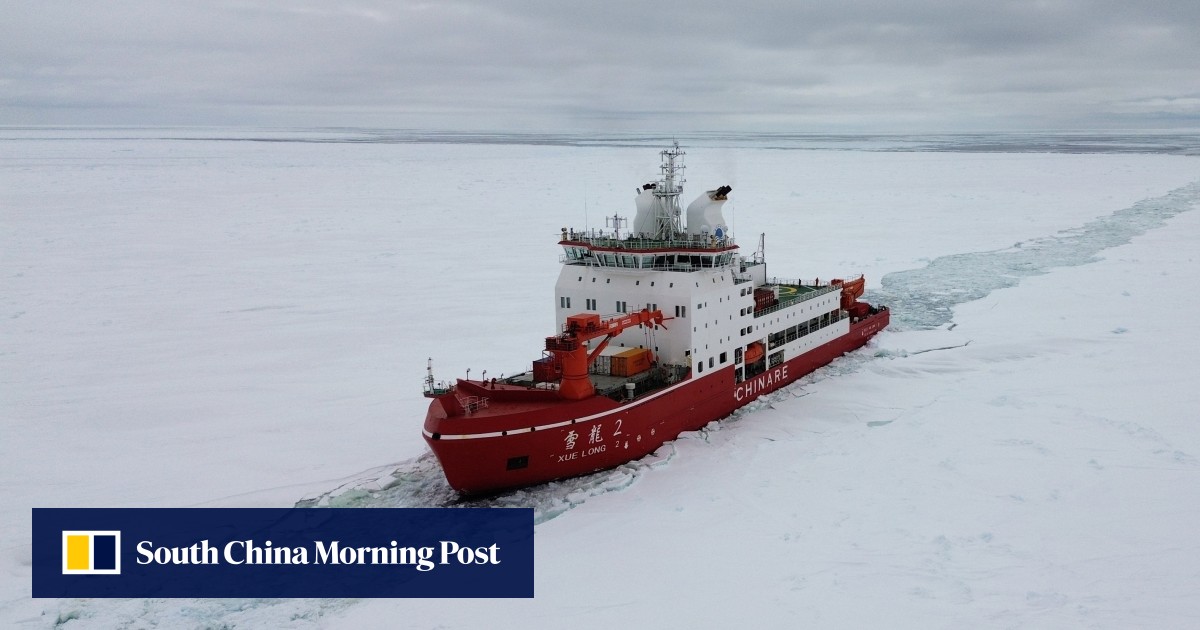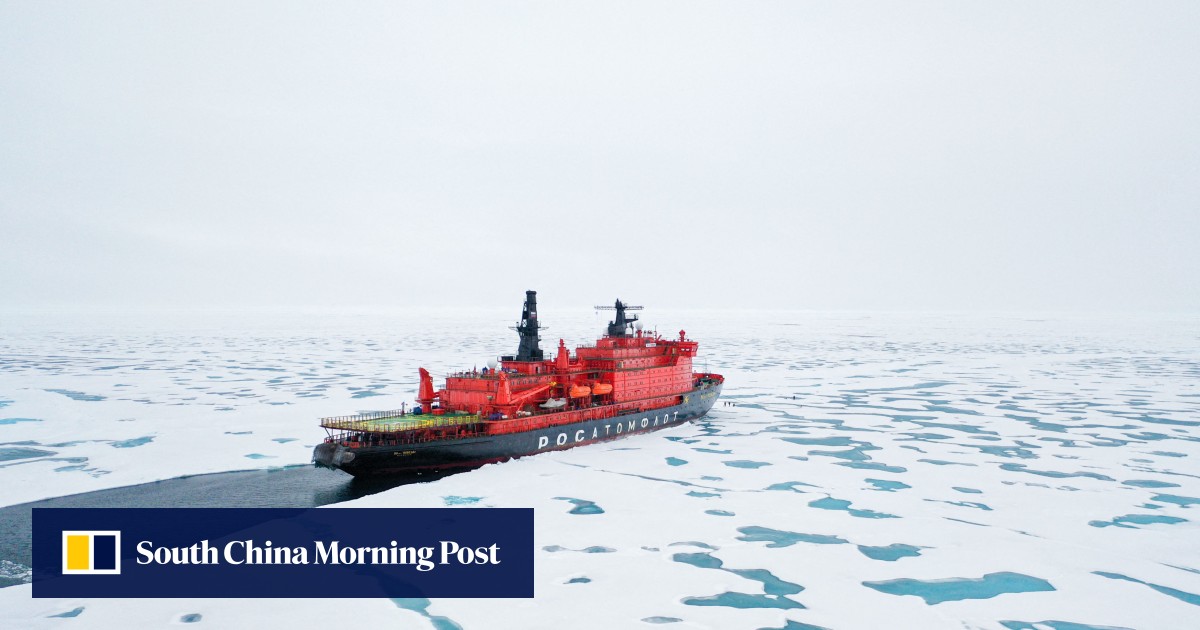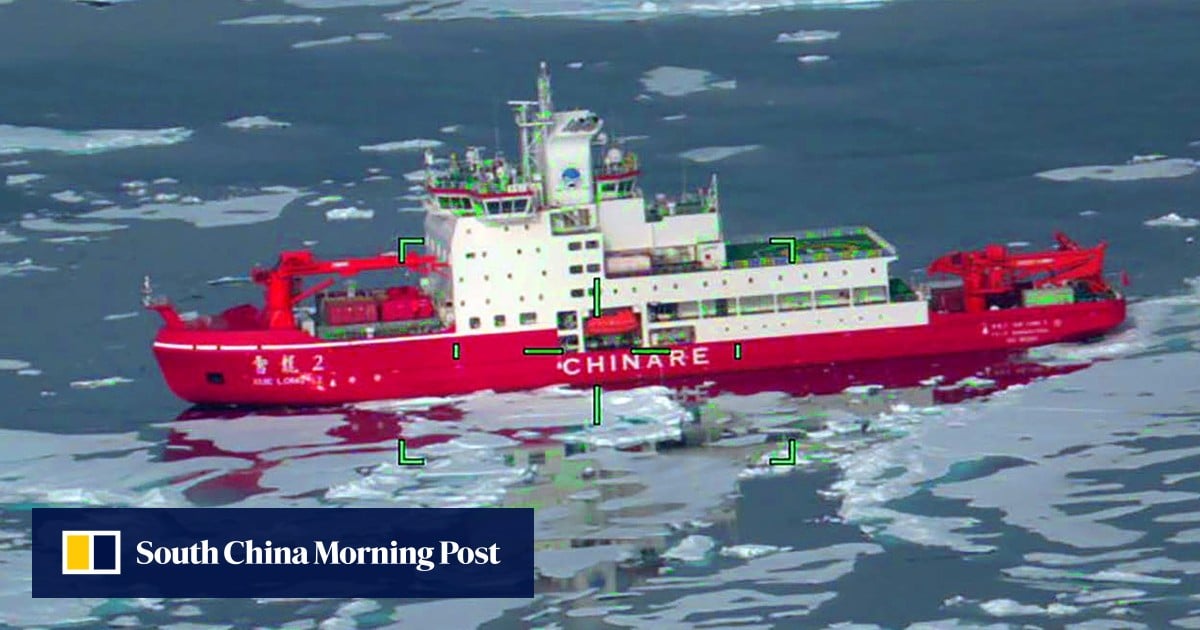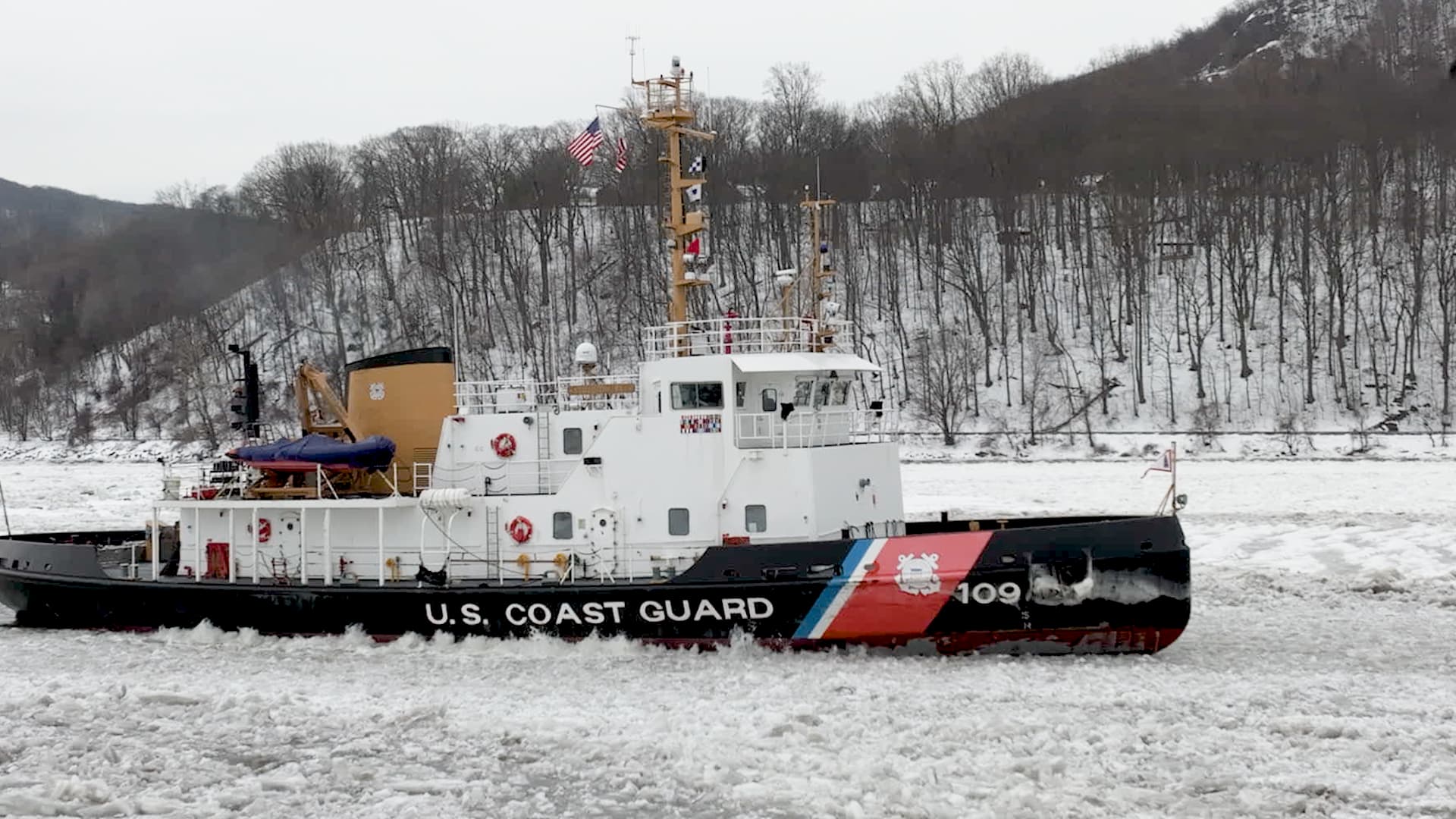
The once-impenetrable Arctic waters have become the latest battleground for sea dominance among military and maritime vessels, as increased activity by both the Chinese and Russian Coast Guard and naval ships in recent months has raised concern in the U.S.
The Northwest Passage, a sea route extending north of Canada that connects the Arctic Ocean to the North Atlantic, can save approximately 4,500 nautical miles in transit time. That can cut a vessel’s trip from the Far East to Europe, and from Russia to Europe, in half, saving both time and money on bunker fuel. Warmer temperatures have extended the travel season for vessels traversing this waterway, with frozen routes carved out by polar icebreakers, and Russian and Chinese icebreakers dominating the region.
More than 1,800 ships traveled on the Arctic polar waterway in 2025, a 40 percent increase from 2013. In 2025, China completed 14 voyages, including a Cosco containership, the first containership to make a journey through the waterway.
“From an economic and commercial standpoint, it makes sense for shippers to be interested in the development in that region to save time,” said Aaron Roth, principal and head of federal strategy and security at the Chertoff Group.