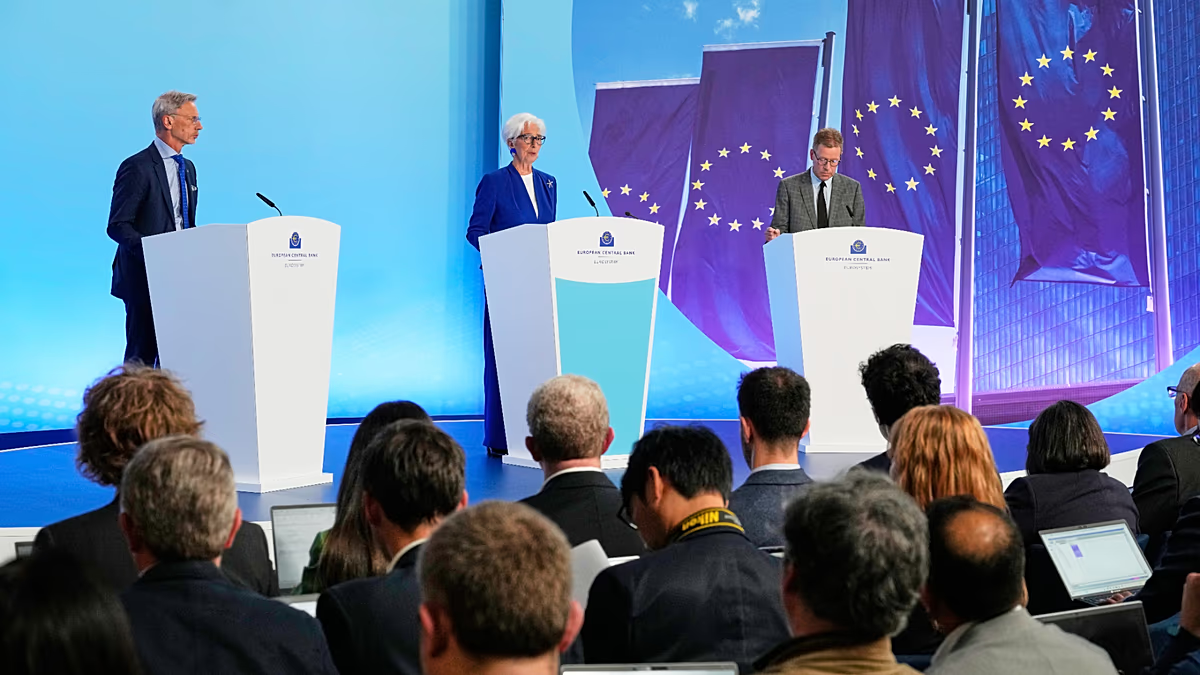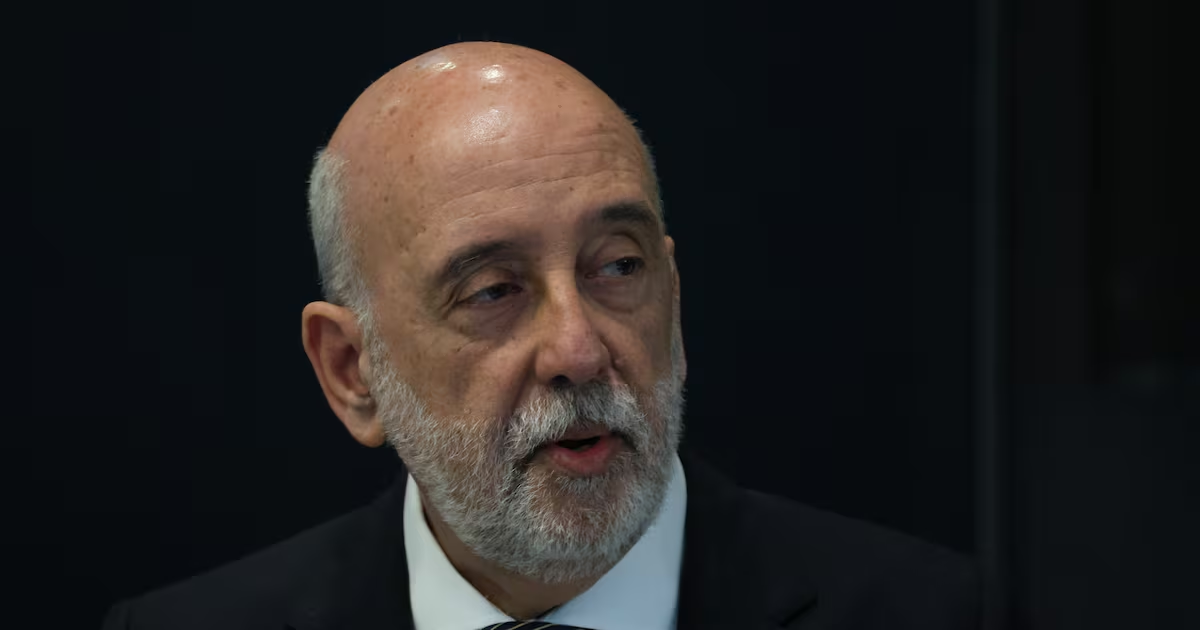
The next two sets of inflation data for the euro zone will be “meaningful” for the European Central Bank (EB) in deciding whether to increase interest rates in December, Central Bank governor Gabriel Makhlouf has warned. The European Central Bank (ECB) kept interest rates on hold on Thursday, but the bank’s president Christine Lagarde left the door open to a hike in September, as renewed turmoil in the Middle East pushes oil prices higher and threatens another spike in inflation. Leaving rates unchanged came a month after the ECB had increased them for the first time since 2023, amid fears rising inflation sparked by surging oil crisis had begun to feed through to the wider economy.The ECB’s governing council will see new economic projections for the bloc in September, but in the meantime there will be “meaningful new information” from inflation data for July and August along with the GDP print for the second quarter of the year, Makhlouf wrote in a blog post published on Friday. The governor will be “paying particular attention” to “whether the recent rebound in energy prices proves sustained or fades,” adding that will be the single most important factor in headline inflation. He will also be watching whether core inflation – which strips out volatile factors such as energy and food prices – remains stable, along with any impact the inflation spike has on economic growth. [ ECB keeps rates on hold despite Middle East turmoilOpens in new window ]“The decision not to change rates this week primarily reflects our judgment that, with the effects of the June increase still working through the economy and with limited data since our last meeting, the right course is to observe carefully how the data evolve before drawing further conclusions,” Makhlouf said. “With updated projections at our next meeting in September we will be able to more confidently assess the appropriate stance in order to achieve our 2 per cent inflation target over the medium term.”Aer Lingus job cuts and Ryanair’s profits plunge - what is happening in the Irish aviation sector? Listen | 41:54The governor described inflation overall as a “moving picture,” noting that the most recent euro zone data had come in lower than the ECB had expected. Still, with oil prices rising again, internal projections now put inflation at about 3 per cent. For Ireland, Makhlouf reiterated that the central bank here is focused on how wages respond to rising prices and whether the increase in energy prices moves from a temporary shock to “more persistent, broad-based inflation.”
Makhlouf focuses on inflation and GDP data ahead of September rate decision
Central Bank governor’s comments come a day after ECB left interest rates unchanged for now
424 words~2 min read