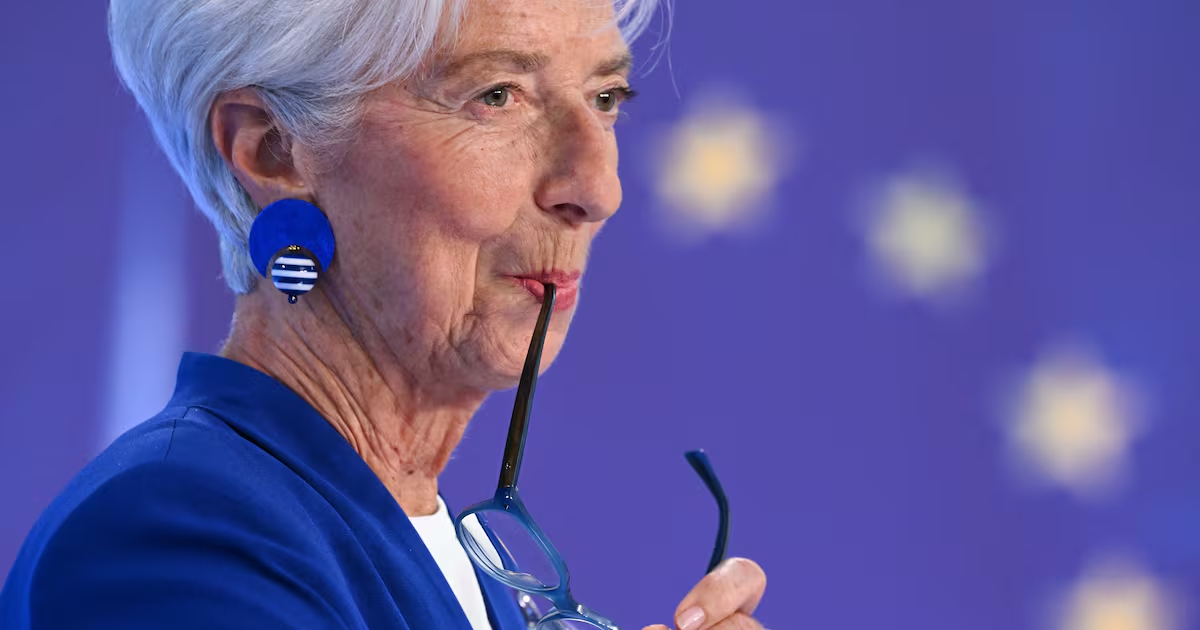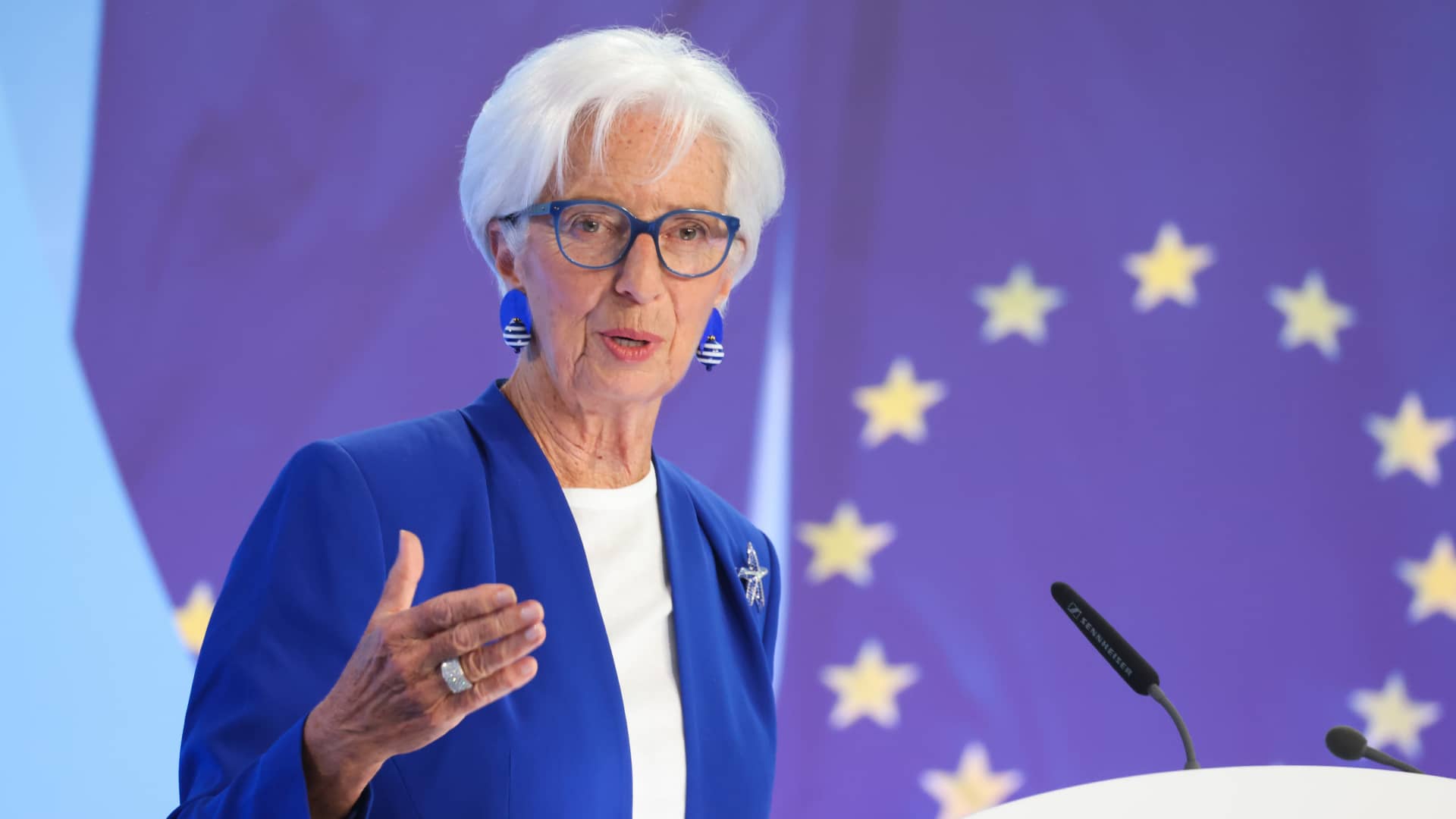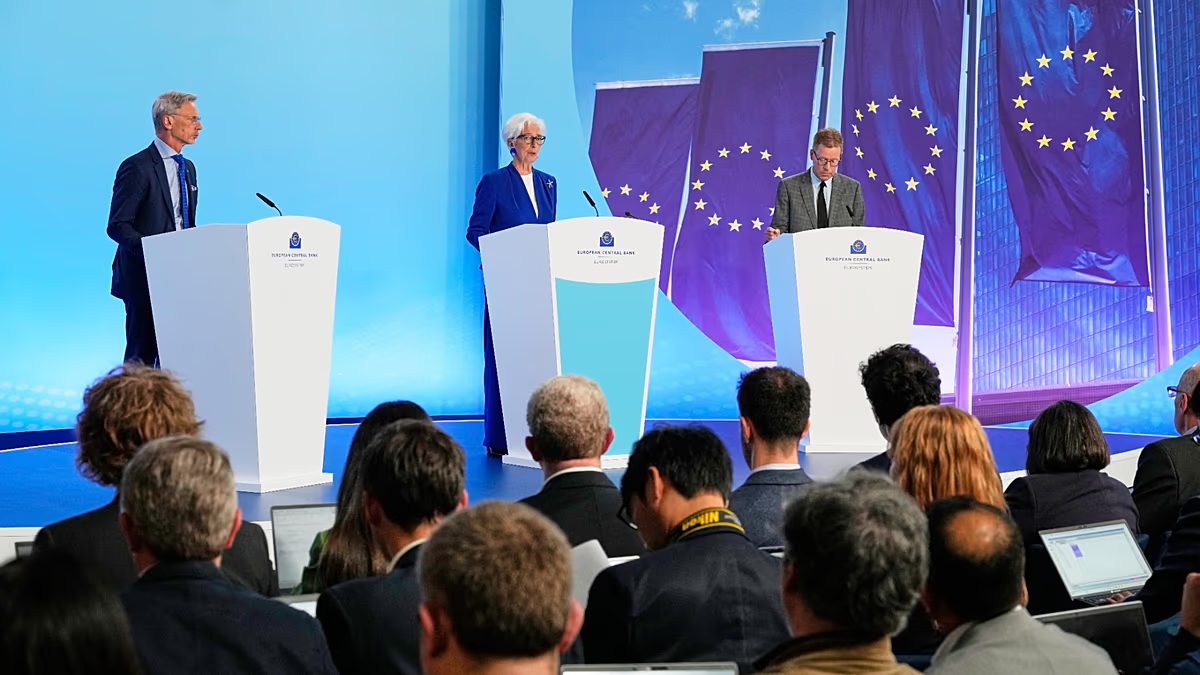
The European Central Bank (ECB) is widely expected to leave interest rates unchanged at its policy meeting on Thursday, while signaling that another rate increase remains a possibility in September as rising energy prices threaten to reignite inflationary pressures, according to Reuters.After raising rates in June and indicating that further tightening could follow, the ECB has since been presented with a series of softer economic indicators. Inflation, wage growth, economic activity and inflation expectations have all shown signs of easing in recent weeks, reducing the urgency for an immediate follow-up rate hike.However, the renewed surge in oil prices to above $90 a barrel amid ongoing conflict in the Middle East has complicated the inflation outlook. Higher energy costs risk feeding into broader consumer prices, increasing the likelihood that policymakers may need to tighten monetary policy again later this year, Reuters reported.Markets Continue to Price in Further TighteningFinancial markets currently expect between two and three additional ECB rate hikes, with investors fully pricing in one increase by October and another by April next year, according to Reuters.The market's expectations have been driven largely by the recent rise in oil prices rather than a significant deterioration in underlying inflation fundamentals. Reuters reported that many economists believe the euro area's inflation trajectory would require less aggressive policy tightening than markets currently anticipate.Some analysts expect the ECB to adopt a "hawkish pause," maintaining a firm stance against inflation while refraining from raising rates immediately.Lagarde Faces Delicate Communication ChallengeECB President Christine Lagarde is expected to strike a careful balance during Thursday's policy announcement. According to Reuters, policymakers are likely to reiterate that inflation risks remain elevated and that additional monetary tightening remains an option if required.At the same time, the central bank is expected to avoid strongly reinforcing expectations for imminent rate hikes, as financial markets have already priced in significant additional tightening.Wage Pressures Remain ContainedA key factor supporting the ECB's decision to pause is the absence of widespread second-round inflation effects despite elevated energy prices, Reuters reported.Such effects typically emerge when higher energy costs push up prices across the economy and trigger stronger wage demands, creating a self-reinforcing inflation cycle. However, Reuters reported that wage growth has continued to moderate, labour market conditions remain relatively soft, particularly in Germany, and businesses surveyed by the ECB expect wage pressures to ease further.Consumer inflation expectations have also moderated, while recent data show limited evidence that higher energy prices are feeding into broader inflation. Services inflation slowed last month, providing additional reassurance to policymakers.Structural Challenges Weigh on Euro Zone EconomyBeyond inflation, the euro area's longer-term economic outlook remains clouded by persistent trade tensions, elevated energy costs and increasing competition from China in several of Europe's major export industries.These factors are expected to continue weighing on industrial activity and labour demand, potentially limiting broader inflationary pressures over the medium term.Food Prices Could Become the Next Inflation RiskDespite the easing in wage pressures, ECB officials remain cautious about fresh inflation risks. Policymakers believe delayed second-round effects cannot be ruled out and that the central bank must remain prepared to respond if inflation proves more persistent.Another emerging concern is food inflation. An unusually hot summer across much of Europe may have damaged agricultural output, while low water levels on major rivers could disrupt shipping and supply chains.According to Reuters, analysts have warned that although food inflation has eased in recent months due to lower commodity prices, adverse weather conditions and the lingering effects of El Niño could put renewed upward pressure on food prices in the coming months.For now, the ECB is expected to keep borrowing costs unchanged, but Thursday's policy guidance is likely to reinforce that future decisions will remain dependent on incoming inflation and economic data, with energy prices continuing to play a crucial role in shaping the central bank's next move.
Global Market: ECB seen holding rates steady while keeping September hike option open
The European Central Bank is expected to maintain current interest rates at its upcoming policy meeting. Policymakers will likely signal that further rate increases remain a possibility in September. This cautious approach comes as rising energy prices threaten to reignite inflationary pressures across the euro area. Financial markets are anticipating additional rate hikes, while wage growth and inflation expectations have shown signs of easing.
634 words~3 min read