Just six weeks ago, the European Central Bank appeared to be winning its fight against inflation.
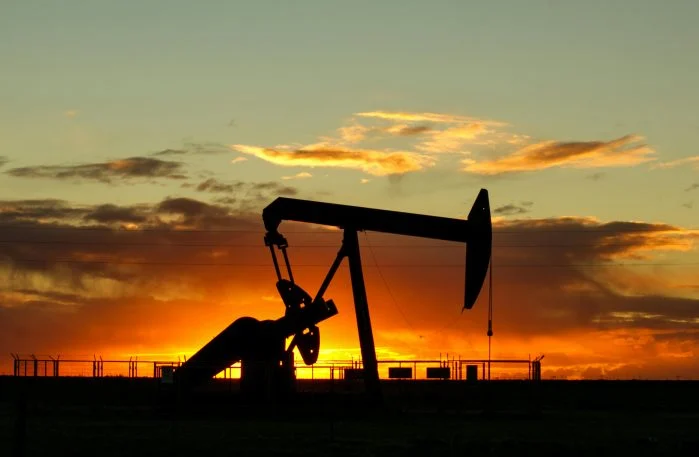
Oil prices had fallen sharply after a ceasefire between the US and Iran, inflation was cooling faster than expected and the eurozone economy was proving more resilient than initially feared.
By Thursday, the conversation in Frankfurt had changed completely.
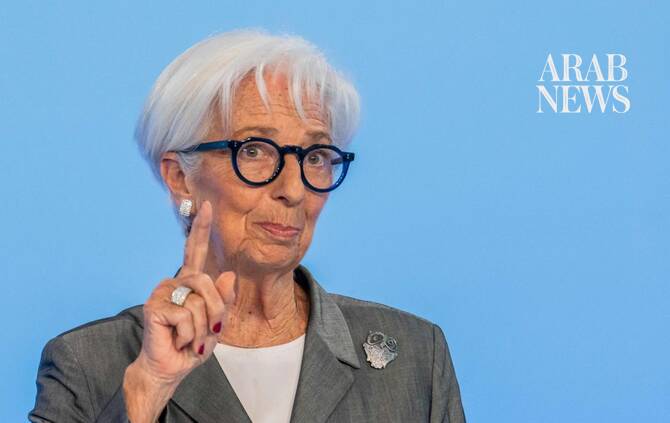
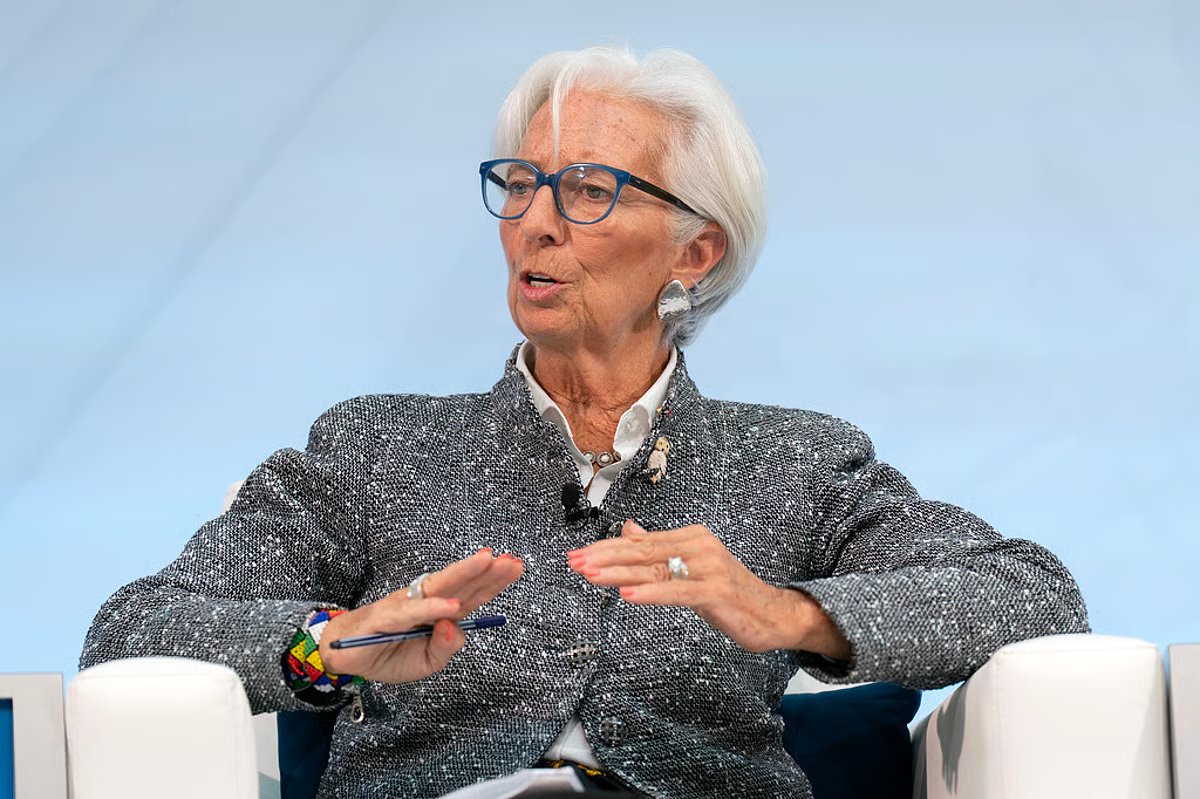
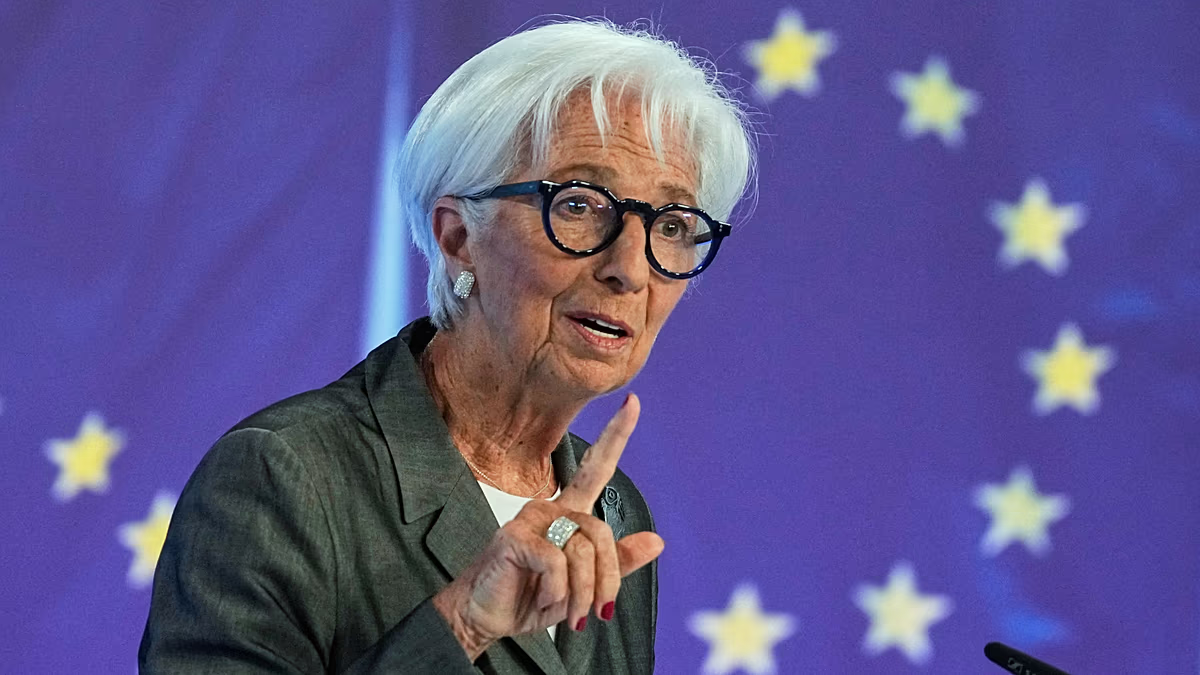
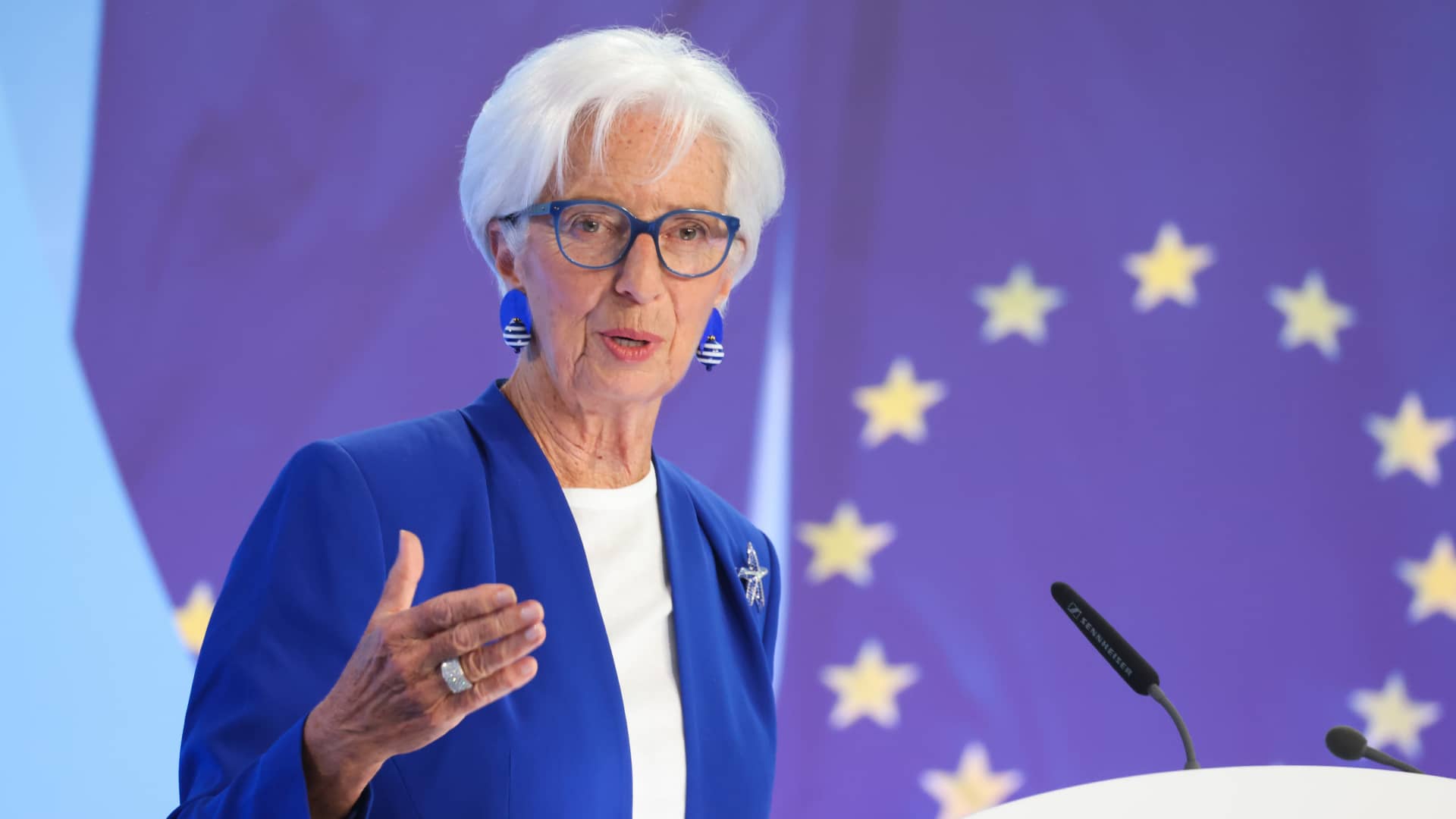
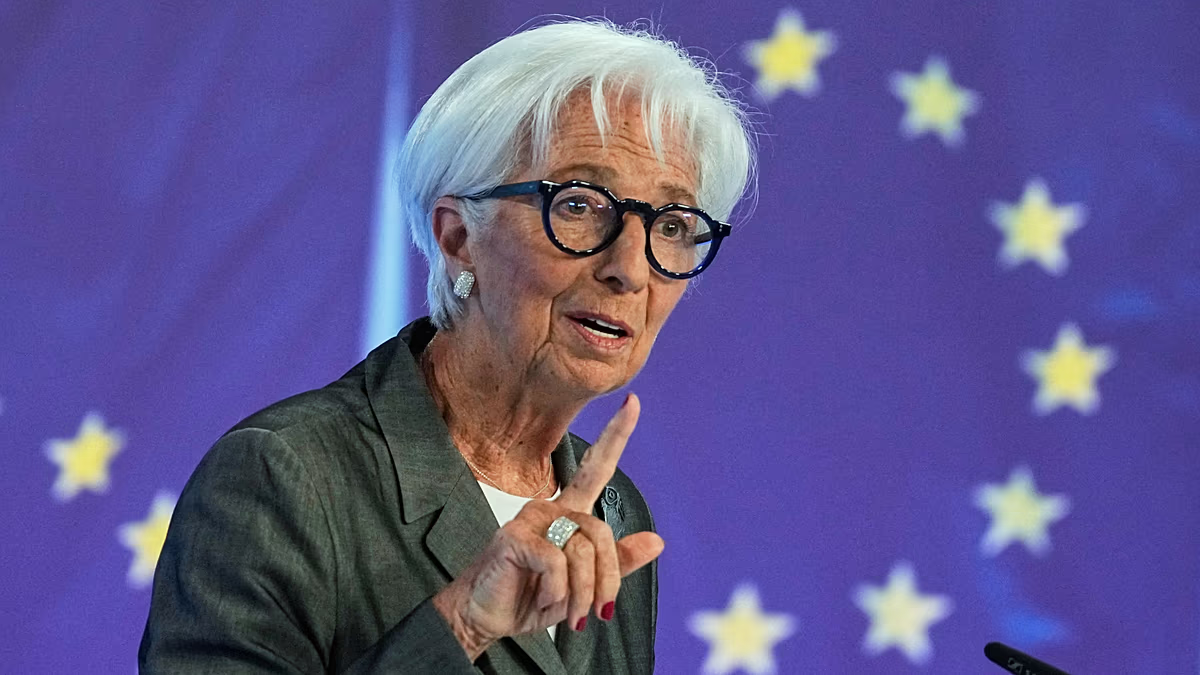
Christine Lagarde mentioned energy prices, particularly oil, repeatedly during her press conference, underscoring how rapidly geopolitical developments have reshaped the ECB's outlook.
While policymakers insist their September decision will remain data-dependent, the message was clear: the path of oil prices may now be the single most important variable determining whether interest rates remain on hold or rise again.