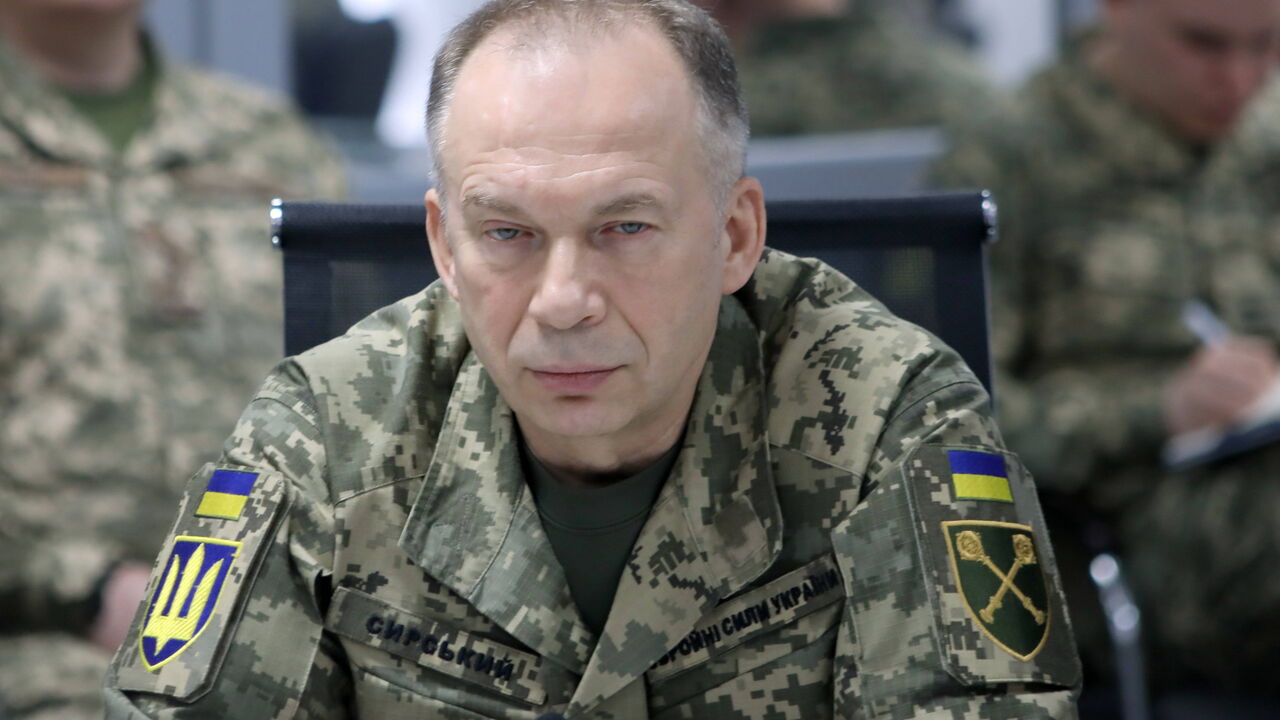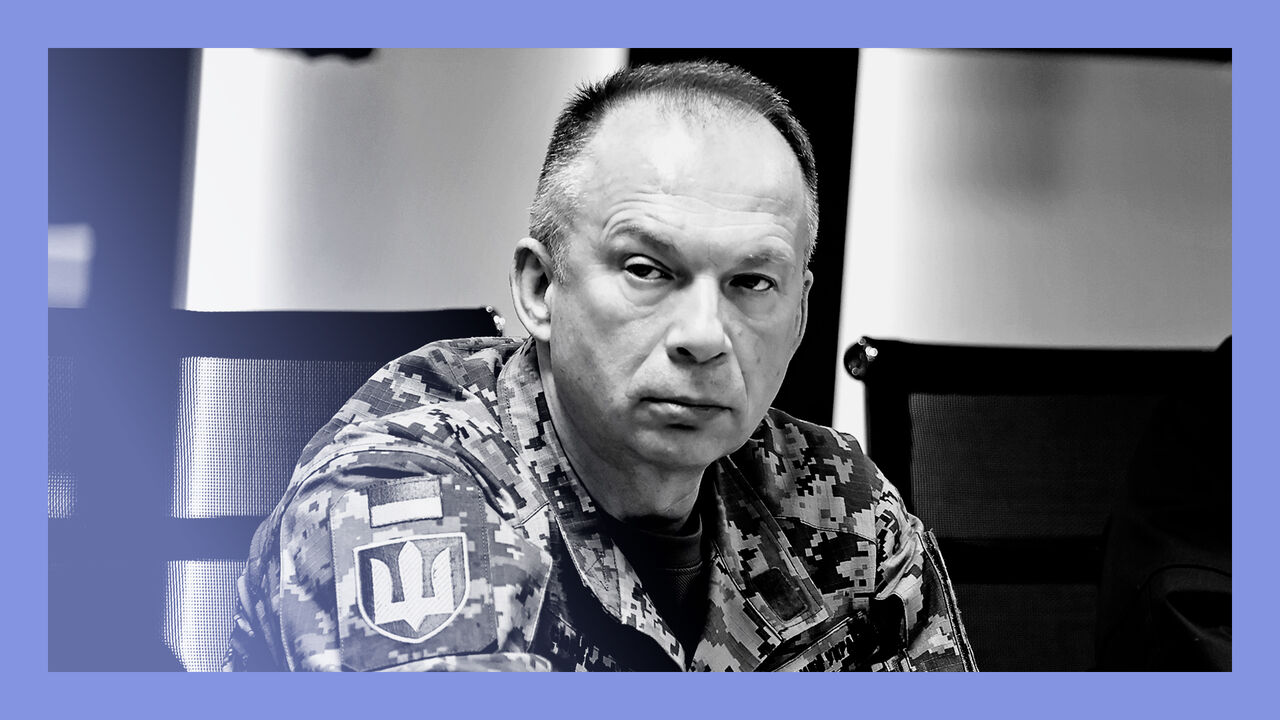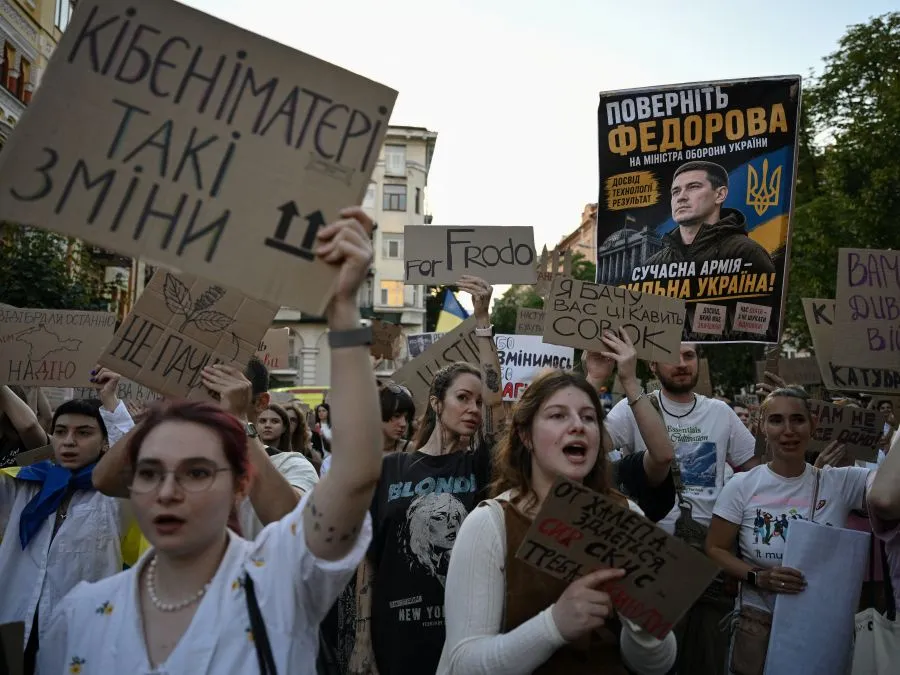
Skip to Content Subscribe Our Offers My Account Manage My Subscriptions FAQ Newsletters Canada Canadian True Crime Canadian Politics Health World Israel & Middle East Financial Post NP Comment Longreads Puzzmo Diversions Comics NP News Quiz New York Times Crossword Horoscopes Life Eating & Drinking Style Sponsored Play for Ontario Travel Travel Canada Travel USA Travel International Cruises Travel Essentials Culture Books Celebrity Movies Music Theatre Television Business Essentials Advice Lives Told Tails Told Shopping Buy Canadian Home Living Outdoor Living Kitchen & Dining Tech Style & Beauty Personal Care Entertainment & Hobbies Gift Guide Travel Guide Amazon Prime Day Deals Savings National Post Store More Sports Hockey Baseball Basketball Football Soccer Golf Tennis Driving Vehicle Research Reviews News Gear Guide Obituaries Place an Obituary Place an In Memoriam Classifieds Place an Ad Celebrations Working Business Ads Archives Healthing Epaper Manage Print Subscription Profile Settings My Subscriptions Saved Articles My Offers Newsletters Customer Service FAQ Newsletters Canada World Financial Post NP Comment Longreads Puzzmo Diversions Life Shopping Epaper Manage Print Subscription HomeNP CommentAdam Zivo: Zelenskyy jeopardized Ukraine by ousting brilliant military reformerHe now seems to have realized his mistakeLast updated 36 minutes ago You can save this article by registering for free here. Or sign-in if you have an account.People take part in a demonstration to protest against the ousting a reformist defence minister Mykhailo Fedorov and demand the dismissal of Ukraine's army chief Oleksandr Syrskyi, as Ukraine President face one of the most urgent political crises of the Russian invasion, in Kyiv on July 20, 2026. Photo by Genya SAVILOV / AFP via Getty Images.Ukrainian President Volodymyr Zelenskyy made a grave mistake last week when he dismissed the country’s popular defence minister, Mykhailo Fedorov, in an apparent effort to appease the military’s corrupt and ineffective old guard. Although mass protests quickly forced Zelenskyy to backtrack on firing the minister — and even spurred belated reforms — the incident has justifiably shaken public faith in his leadership.Enjoy the latest local, national and international news.Exclusive articles by Conrad Black, Barbara Kay and others. Plus, special edition NP Platformed and First Reading newsletters and virtual events.Unlimited online access to National Post.National Post ePaper, an electronic replica of the print edition to view on any device, share and comment on.Daily puzzles including the New York Times Crossword.Support local journalism.Enjoy the latest local, national and international news.Exclusive articles by Conrad Black, Barbara Kay and others. Plus, special edition NP Platformed and First Reading newsletters and virtual events.Unlimited online access to National Post.National Post ePaper, an electronic replica of the print edition to view on any device, share and comment on.Daily puzzles including the New York Times Crossword.Support local journalism.Create an account or sign in to continue with your reading experience.Access articles from across Canada with one account.Share your thoughts and join the conversation in the comments.Enjoy additional articles per month.Get email updates from your favourite authors.Create an account or sign in to continue with your reading experience.Access articles from across Canada with one accountShare your thoughts and join the conversation in the commentsEnjoy additional articles per monthGet email updates from your favourite authorsSign In or Create an AccountorFedorov is widely regarded — both domestically and internationally — as one of the most effective members of Zelenskyy’s government. Originally appointed as minister of digital transformation in 2019, the 35-year-old tech prodigy is credited for Ukraine’s unlikely rise as a global leader in digital governance and aggressive adoption of wartime drone technology.The National Post newsletter that doesn’t hold back, giving readers the unvarnished truth on media, politics and culture.By signing up, you consent to receive the above newsletter from Postmedia Network Inc.A welcome email is on its way. If you don't see it, please check your junk folder.The next issue of Right? will soon be in your inbox.We encountered an issue signing you up. Please try againAlthough Fedorov has never served in the army, Zelenskyy appointed him as defence minister in January during a particularly difficult time. Incessant missile strikes had left Kyiv without electricity amid a bitter winter, and Russia’s anticipated springtime offensive threatened to disrupt the frontlines. A change in direction was needed.The young minister was unsettled by the inefficiency, corruption and Soviet-style thinking he witnessed within Ukraine’s military — so he immediately implemented data-driven reforms, especially with respect to procurement, that arguably shifted the war in Kyiv’s favour.Before his arrival, the defence ministry’s bureaucrats relied on their own subjective assessments when ordering military equipment, but they were often ignorant of frontline needs and the technical performance of the systems (e.g. drones) they purchased. Soldiers thus found themselves with suboptimal or irrelevant gear that was often distributed on the basis of loyalty to higher ups, not battle performance.Worse yet, this highly centralized system often awarded sole-sourced contracts to well-connected suppliers, some of whom obviously inflated their prices. Several ministerial department heads had also effectively been appointed by defence companies, blurring the lines between industry and government.Fedorov immediately ordered an audit of the defence ministry, allegedly revealing approximately $6.6 billion in overspending, and subjected officials to polygraph tests, dismissing those who failed or refused. He then mandated that the ministry procure weapons based on hard data (e.g. technical specifications and battlefield testing); expanded the use of open tenders; and, one-by-one, removed personnel who maintained questionable private sector ties.At Fedorov’s direction, the military scaled up use of Ukraine’s “Brave1” digital marketplace, where soldiers use video-verified battlefield successes to earn “e-points” that can be exchanged for more weapons and equipment. He had originally launched the marketplace in late 2024, as digital transformation minister, and had two years of data showing that gamifying war improves performance and efficiency.The use of open tenders has already produced substantial savings, reportedly reducing the price of artillery by 16 per cent (more than $100 million) in a recent contract, for example, and lowering the cost of new mid-range drones by 20-30 per cent. Expanded use of the Brave1 system, meanwhile, has helped ensure that soldiers obtain what they actually need, in accordance to their battlefield merits, by bypassing bureaucratic gatekeepers.Beyond procurement, Fedorov has consistently argued that, in a war of attrition against a much larger enemy, Ukraine can only survive through asymmetrical warfare where advanced technology — such as drones and robotics — compensates for Russia’s sheer manpower advantages.In that spirit, Fedorov convinced Elon Musk to block Russia’s access to Starlink by switching off all terminals operating in Ukraine except those on a Kyiv-approved “white list.” The change, which came into effect in February, cut off Russian forces’ access to unjammable satellite internet, causing chaos and reducing attacks.The defence minister invested heavily into mid-range drones, partially by redirecting funds originally earmarked for year-end salaries. Within the first four months of this year, Kyiv purchased three times as many of these drones as it had throughout the entire year before, allowing the Ukrainian military to systematically destroy Russia’s logistical infrastructure and partially isolate occupied Crimea.Fedorov’s strategies — and occasional gambles — proved highly successful. Moscow’s already-slow advancements in Ukraine have stalled since the spring, largely because the ratio of Russian to Ukrainian casualties has shifted dramatically in Kyiv’s favour – from 2:1 to 8:1. His doctrine has been to defend Ukraine by maintaining a deadly “drone wall” on the frontlines, and to use mid-range and deep strikes to cripple Russia’s military and economy, forcing an end to the war.Having stabilized the front, Fedorov moved onwards to fixing manpower shortages.Ukraine has struggled to adequately train, equip and compensate its soldiers, and has often left them languishing on the front indefinitely, with no clear end to their service. As such, recruitment has been anemic and desertions are now at crisis levels, forcing conscription officers to fill quotas using draconian practices that fuel social unrest.Fedorov sought to resolve this issue last month by dramatically increasing salaries, instituting fixed-term contracts and granting a 100-day amnesty period for deserters who wish to return to service. Yet these reforms, along with all of Fedorov’s other good work, were derailed when Zelenskyy, as part of a broader cabinet reshuffle, dismissed him as defence minister last week.The original pretext had been Fedorov’s failure to fix military recruitment, but few Ukrainians believed this. Thousands of demonstrators took to the streets in the largest county-wide protests since the beginning of the war — which are still ongoing — demanding the young minister’s reinstatement. It was, and remains, a deeply symbolic issue for them, epitomizing the fight between Ukraine’s future and past.Initial media reports suggested that Fedorov had been removed because he had not only threatened entrenched interests, but had clashed with Ukraine’s older, Soviet-style military leaders — especially the controversial (now former) commander-in-chief, Oleksandr Syrskyi.Syrskyi was one of the country’s top generals when Russia launched its full-scale invasion, and was lauded for overseeing the defence of Kyiv and the liberation of Ukraine’s Kharkiv region. Yet, after the first winter of war, disillusionment with his old-school leadership grew. He seemed too willing to sacrifice Ukrainian lives to defend positions until the last possible moment, recklessly forgoing strategic retreats, earning him the nickname “the Butcher.”Discontent bubbled after he was appointed commander-in-chief in early 2024. Critics accused him of maintaining a “Soviet-style culture” that devalued human life and incentivized false reports up the command chain. Some military leaders believed that he was a micromanager who lacked a strategic vision for the war — but few openly criticized him.After Fedorov was dismissed last week, he publicly confirmed that he had been removed for butting heads with Syrskyi, and that the commander-in-chief, favouring traditional attritional warfare, had obstructed tech-oriented reforms. In a press conference, Fedorov argued that Syrski had created a culture of “constant dishonesty” where soldiers are haphazardly organized and little analysis is done of why losses occur.Zelenskyy subsequently confirmed that he had removed Fedorov due to the untenable conflict — between the two men, he had made his choice. It soon became clear this was a miscalculation: the protesters remained in the streets, and a Ukrainian poll showed public trust in Fedorov soaring from 35 to 65 per cent, slingshotting over the president.So, Zelenskyy blinked. Acknowledging public outrage, he dismissed Syrskyi this week, appointed a well-respected replacement and is now in talks to reinstate Fedorov in some undisclosed capacity. Yet, Fedorov stated on Thursday that he will not accept any position except defence minister, lest he lack the “real authority” to “combat corruption in procurement” and “root out the culture of lies and irresponsibility within the system.”The president may have initially sided with the Sovietized and corrupt old guard, but it seems that Ukraine’s tempestuous democratic spirit is prevailing.National Post Join the Conversation This website uses cookies to personalize your content (including ads), and allows us to analyze our traffic. Read more about cookies here. By continuing to use our site, you agree to our Terms of Use and Privacy Policy.
Adam Zivo: Zelenskyy jeopardized Ukraine by ousting brilliant military reformer
He now seems to have realized his mistake
1,805 words~8 min read