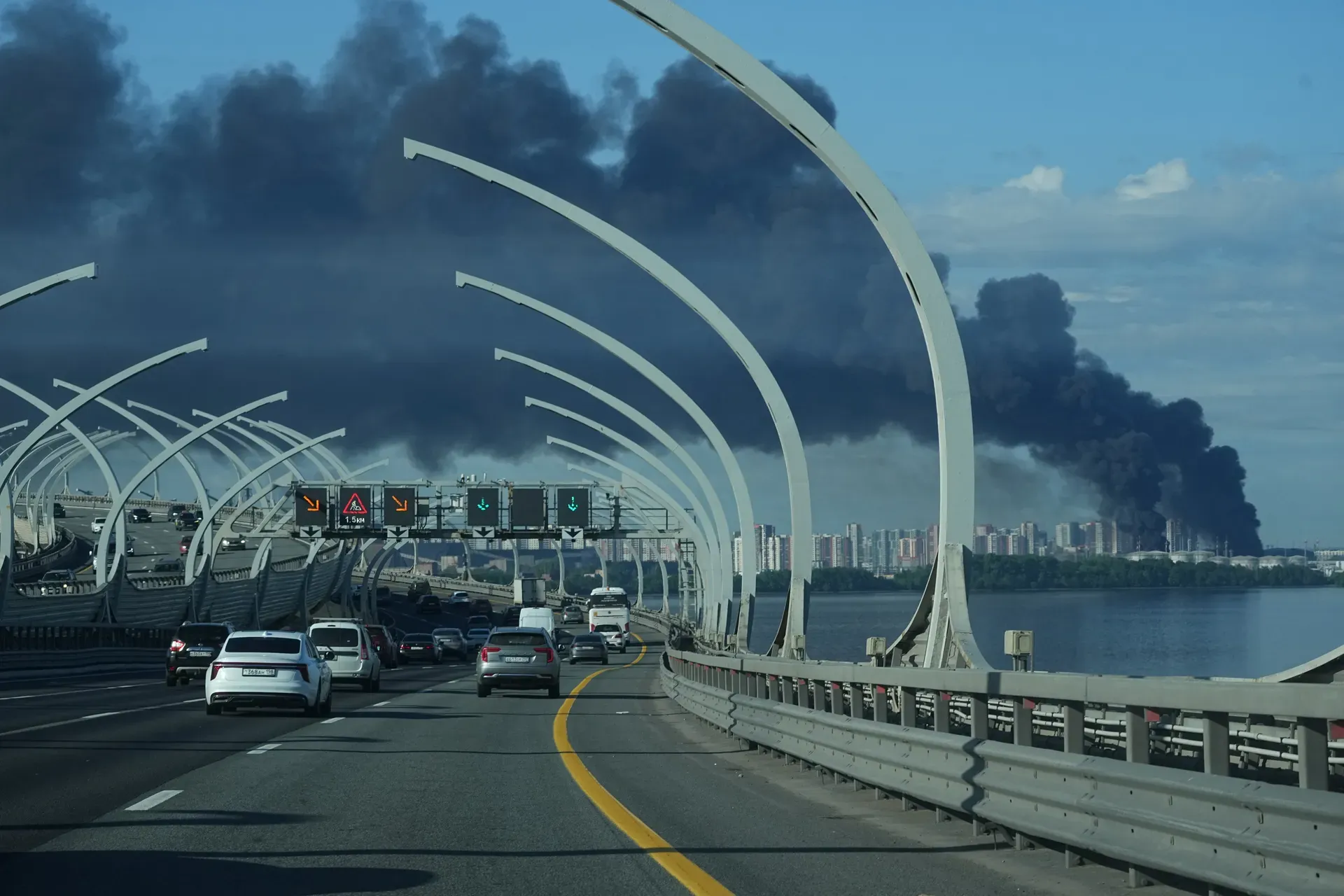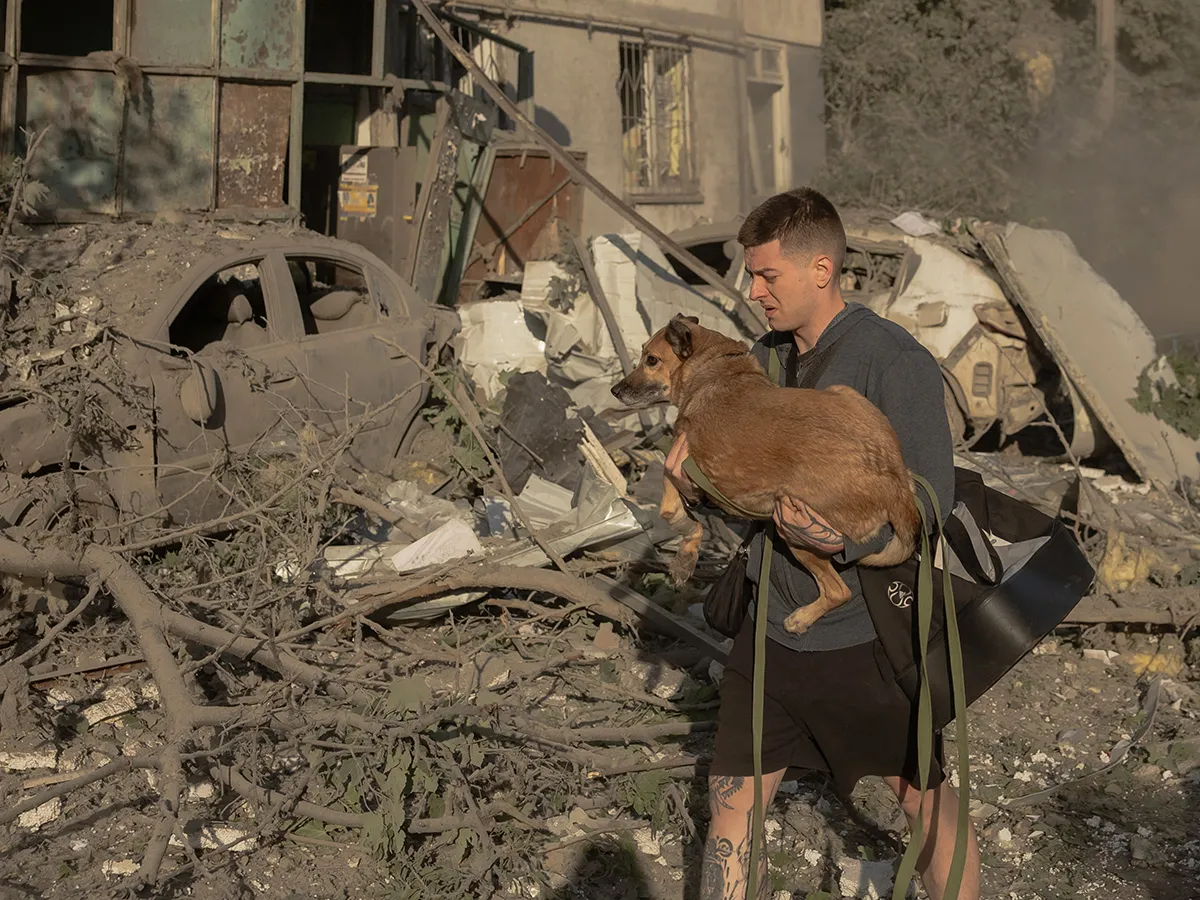
Skip to Content Subscribe Our Offers My Account Manage My Subscriptions FAQ Newsletters Canada Canadian True Crime Canadian Politics Health World Israel & Middle East Financial Post NP Comment Longreads Puzzmo Diversions Comics NP News Quiz New York Times Crossword Horoscopes Life Eating & Drinking Style Sponsored Play for Ontario Travel Travel Canada Travel USA Travel International Cruises Travel Essentials Culture Books Celebrity Movies Music Theatre Television Business Essentials Advice Lives Told Tails Told Shopping Buy Canadian Home Living Outdoor Living Tech Style & Beauty Kitchen & Dining Personal Care Entertainment & Hobbies Gift Guide Travel Guide Deals Savings National Post Store More Sports Hockey Baseball Basketball Football Soccer Golf Tennis Driving Vehicle Research Reviews News Gear Guide Obituaries Place an Obituary Place an In Memoriam Classifieds Place an Ad Celebrations Working Business Ads Archives Healthing Epaper Manage Print Subscription Profile Settings My Subscriptions Saved Articles My Offers Newsletters Customer Service FAQ Newsletters Canada World Financial Post NP Comment Longreads Puzzmo Diversions Life Shopping Epaper Manage Print Subscription HomeNewsCanadaWorldUkraine on the brink: A Canadian journalist's blunt warning about the war-torn countryAnalysis: Odesa-based Canadian journalist Michael Bociurkiw says Ukraine is drained after four years of war, and refugees here face grim choiceLast updated 13 minutes ago You can save this article by registering for free here. Or sign-in if you have an account.A man carries a dog among rubble outside a residential building which was damaged during Russian missile and drone strike on Kyiv on June 2, 2026. Ukrainian refugees “are not going to come back if no inch of Ukraine is safe,” Canadian journalist Michael Bociurkiw warns. Photo by Roman PILIPEY/AFP via Getty ImagesThe hall at St. Vladimir’s Ukrainian Orthodox Church in Calgary is packed. Three gigantic, artistically painted wooden Easter eggs dominate the stage. Heavily accented voices rise and fall amid the chatter as attendees nibble on poppyseed cake and other Ukrainian delicacies. No one wears the bright blue-and-yellow of the war’s early days, but embroidered vyshyvanky peek from under sweaters and jackets.Enjoy the latest local, national and international news.Exclusive articles by Conrad Black, Barbara Kay and others. Plus, special edition NP Platformed and First Reading newsletters and virtual events.Unlimited online access to National Post.National Post ePaper, an electronic replica of the print edition to view on any device, share and comment on.Daily puzzles including the New York Times Crossword.Support local journalism.Enjoy the latest local, national and international news.Exclusive articles by Conrad Black, Barbara Kay and others. Plus, special edition NP Platformed and First Reading newsletters and virtual events.Unlimited online access to National Post.National Post ePaper, an electronic replica of the print edition to view on any device, share and comment on.Daily puzzles including the New York Times Crossword.Support local journalism.Create an account or sign in to continue with your reading experience.Access articles from across Canada with one account.Share your thoughts and join the conversation in the comments.Enjoy additional articles per month.Get email updates from your favourite authors.Create an account or sign in to continue with your reading experience.Access articles from across Canada with one accountShare your thoughts and join the conversation in the commentsEnjoy additional articles per monthGet email updates from your favourite authorsSign In or Create an AccountorThese are the faithful still committed to Ukraine’s cause. They came to hear Michael Bociurkiw — a Canadian journalist of Ukrainian heritage now based in Odesa — deliver a sobering assessment of a war grinding into its fifth year. A familiar face on CNN and the BBC, Bociurkiw has become one of the most credible English-language voices on the ground. On this night, he mixes high-level strategy with raw human cost, offering unvarnished predictions about Putin, Xi and Trump — and a blunt warning to his Canadian compatriots.Get a dash of perspective along with the trending news of the day in a very readable format.By signing up you consent to receive the above newsletter from Postmedia Network Inc.A welcome email is on its way. If you don't see it, please check your junk folder.The next issue of NP Posted will soon be in your inbox.We encountered an issue signing you up. Please try againChina, he reports, has gone beyond secretly shipping drone components labelled “refrigerator parts” to Russia. Beijing is now training Russian forces in drone warfare, electronic warfare and explosives. Beijing denies it, of course.Yet Bociurkiw’s most urgent message isn’t geopolitical intrigue. It is a warning about the quiet hollowing out of Ukraine itself.“Millions have left — many of them young and able-bodied,” he tells the room. Heads nod. “You see them here in Calgary.” His stark assessment: many will never return permanently. That poses a devastating problem for postwar reconstruction: You can pledge billions to rebuild Ukraine, but without human capital, the effort collapses.Nearly 300,000 Ukrainians arrived in Canada under the Canada-Ukraine Authorization for Emergency Travel (CUAET) program between 2022 and 2024. As emergency visas expire and extensions run until 2027, only about 2,500 have secured permanent residency. In Germany, Bociurkiw reports, “asylum seekers at the start of the war are now beginning to qualify for citizenship there.” Here, the pathway remains murky.A 2025 survey found just three per cent had returned to Ukraine. Immigration, Refugees and Citizenship Canada still officially expects most to go home once fighting stops. Bociurkiw questions that assumption.“They’re here on temporary status. They can work, but it’s very, very difficult,” he says. Canada must decide soon what to do with them. Yet returnees face grim realities: “People are not going to come back if no inch of Ukraine is safe — and I don’t use those words lightly. That’s what Ukrainians tell me they feel.“No one voluntarily leaves their home,” he continues. “So the question is, if we give them citizenship, does that make it easier — or harder — for them to return? I’ll be honest, that needs to be decided.”Bociurkiw turns to broader Canadian policy with pointed suggestions.First, expel Russian diplomats. Every other G7 country has done so since 2022; Canada has not. Bociurkiw dismisses fears of reciprocity: “We know Russia is waging hybrid warfare here, including election meddling. Our friends in Ottawa seem to think if we expel theirs, they’ll expel ours and we’ll lose so much. We can get other countries to represent us.”Second, he voices frustration over social media. Many younger CUAET arrivals post TikToks critical of Canadian housing, homelessness, drug use, cost of living and even ethnic tensions. Bociurkiw pushes back online, urging gratitude.His worry is twofold: the clips hand Russia propaganda ammunition, and they gift Canadian immigration skeptics powerful visuals.“Criticism is normal in a democracy,” he says, “but our parents came here with almost nothing and endured tough times.” If you truly despise it here, he adds, there are no exit controls; you can leave.Third, and more measured, he urges Canada to help rebuild Ukraine’s shattered independent media. Martial law forced channels into a single 24/7 “United News” telethon — patriotic, repetitive and increasingly unwatched. Advertising is banned, funding is strained, and many journalists have been killed, drafted or fled. “I feel we’re not far from Ukrainian media joining the Afghans, Persians and others who have fled their countries,” he warns.Bociurkiw speaks from lived experience. In Odesa — once Ukraine’s most entrepreneurial city — the energy is fading. Friends are leaving; restaurants, bars and businesses are closing for lack of staff and customers; men hide indoors to avoid mobilization sweeps. Drones strike closer: one hit an apartment building just 500 metres from his home recently. His “green zone” near foreign consulates no longer feels safe.“In war,” he says quietly, “you find your senses become very well-attuned. Your hearing, your sense of smell, eyesight.” The drones flying overhead are louder, faster, more powerful now.“You start to see this hollowing out of people’s eyes because they can’t sleep,” he adds. “It’s the loss of spirit… the mental health collapse that’s very difficult to portray in a media interview.” Journalist Michael Bociurkiw has become one of the most credible English-language voices on the ground in Ukraine. Photo by Donna Kennedy-GlansWhen will it end? Bociurkiw’s answer is blunt: “When either Putin decides he can declare victory, thus ensuring his political survival … or he gets assassinated.“Ukraine is still fighting,” he assures the room. “It will fight to the end. This is an existential war.”Events following his spring talk in Calgary attest to Ukraine’s resilience. Earlier this week, smoke rose over St. Petersburg just as the Kremlin-hosted “Russian Davos” — the St. Petersburg International Economic Forum — was opening. Ukrainian drones had struck a nearby oil terminal and a naval hub. In Washington, “a small but significant band of Republican lawmakers broke ranks to advance both an Iran war powers resolution and legislation that could unlock fresh U.S. military aid for Ukraine,” Bociurkiw shares in an early June media briefing. And in Brussels, the EU moved against four Chinese companies accused of fuelling Russia’s war machine, doubling down on its strategy of targeting Moscow’s enablers.Yet in his talk in Calgary, Bociurkiw took great care to challenge Western narratives of endless resilience. No society can endure this level of trauma indefinitely; people are reaching a breaking point. The drip-feed of Western support has prolonged the conflict without delivering decisive advantage.“Whether it’s the missiles, either defensive or offensive military kit, or really hardcore sanctions,” he says, “I think many Western leaders are actually still afraid of Putin … we’re afraid that if we push him too hard, he’ll do the worst and reach for the nuclear button.”His message landed with quiet force in Calgary. The diaspora wants to help, but sentimental solidarity isn’t enough.Our website is the place for the latest breaking news, exclusive scoops, longreads and provocative commentary. Please bookmark nationalpost.com and sign up for our newsletters here. Join the Conversation This website uses cookies to personalize your content (including ads), and allows us to analyze our traffic. Read more about cookies here. By continuing to use our site, you agree to our Terms of Use and Privacy Policy.
Ukraine on the brink: A Canadian journalist's blunt warning about the war-torn country
Analysis: Odesa-based Canadian journalist Michael Bociurkiw says Ukraine is drained after 4 years of war, and refugees here face grim choice
1,657 words~8 min read