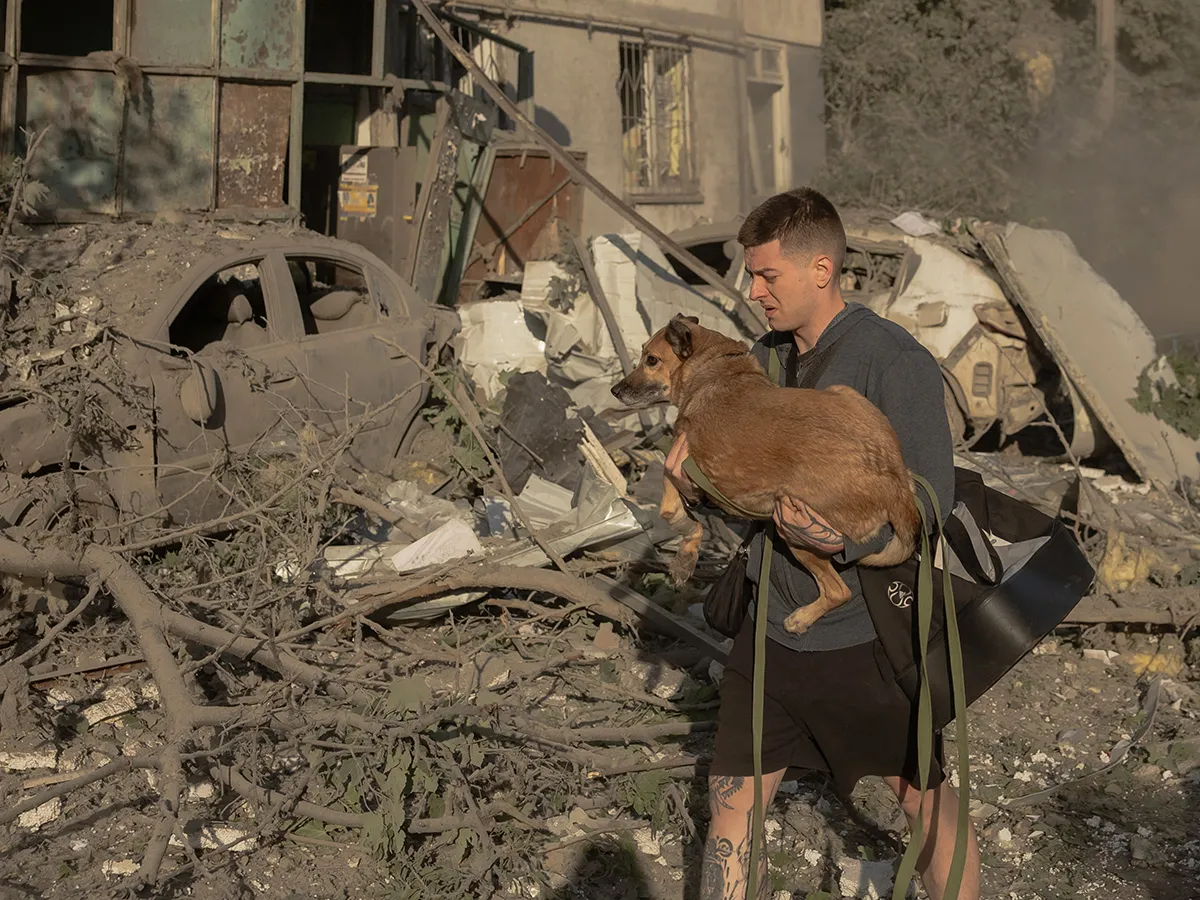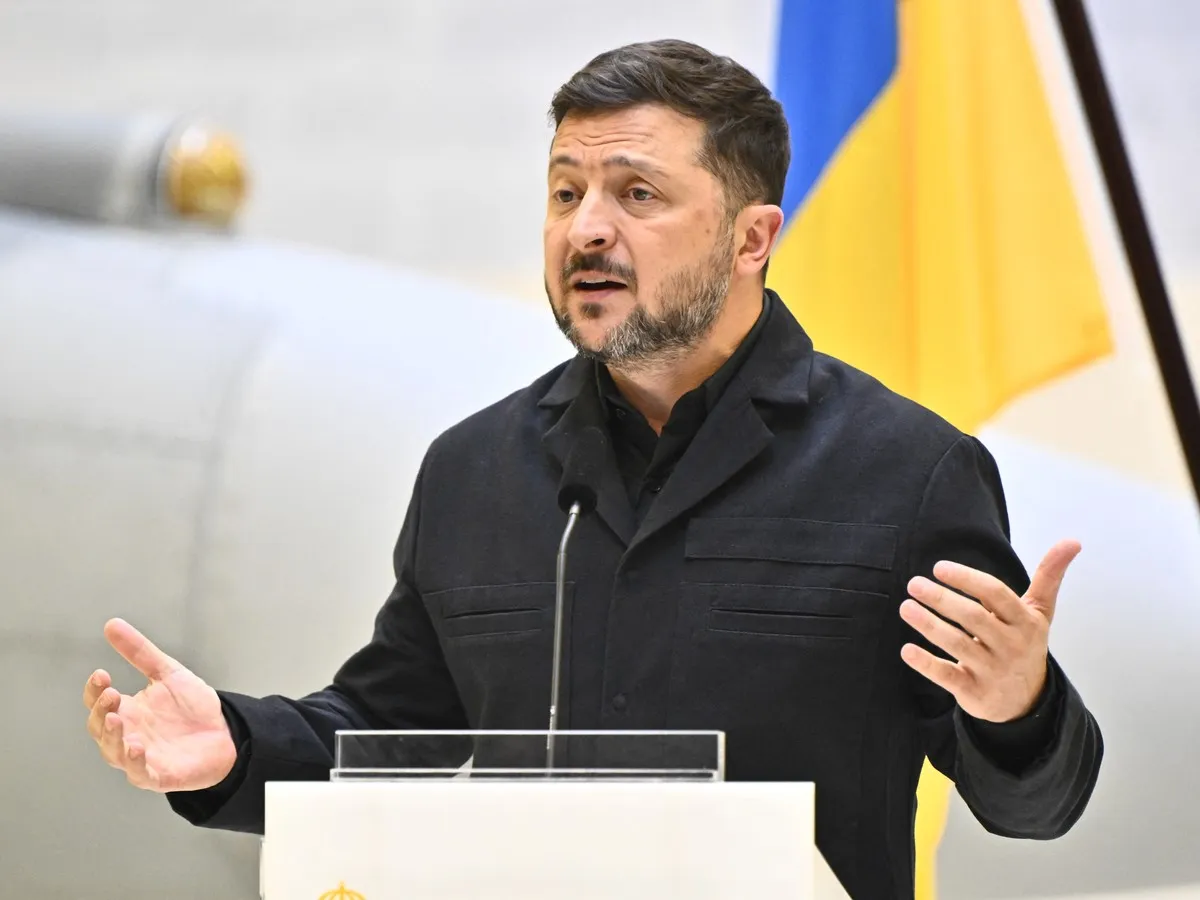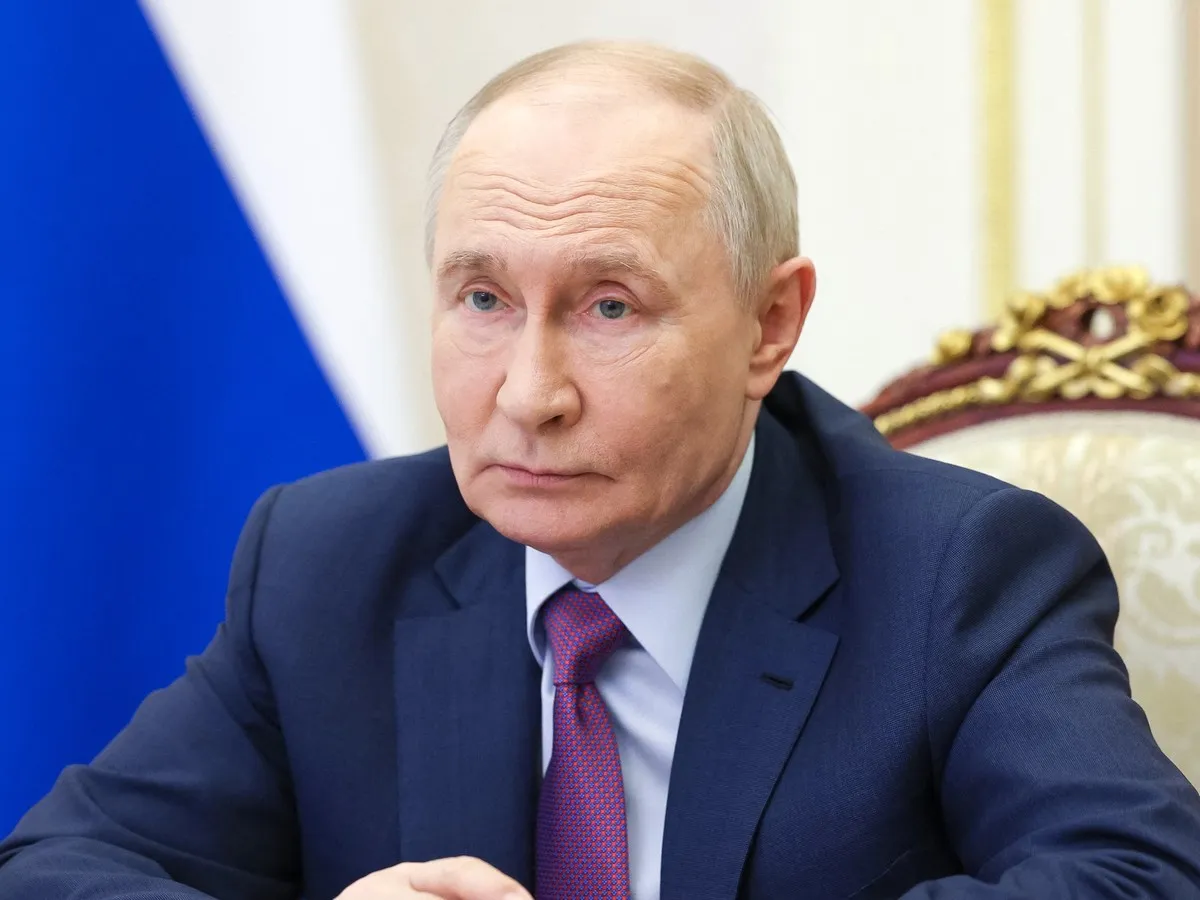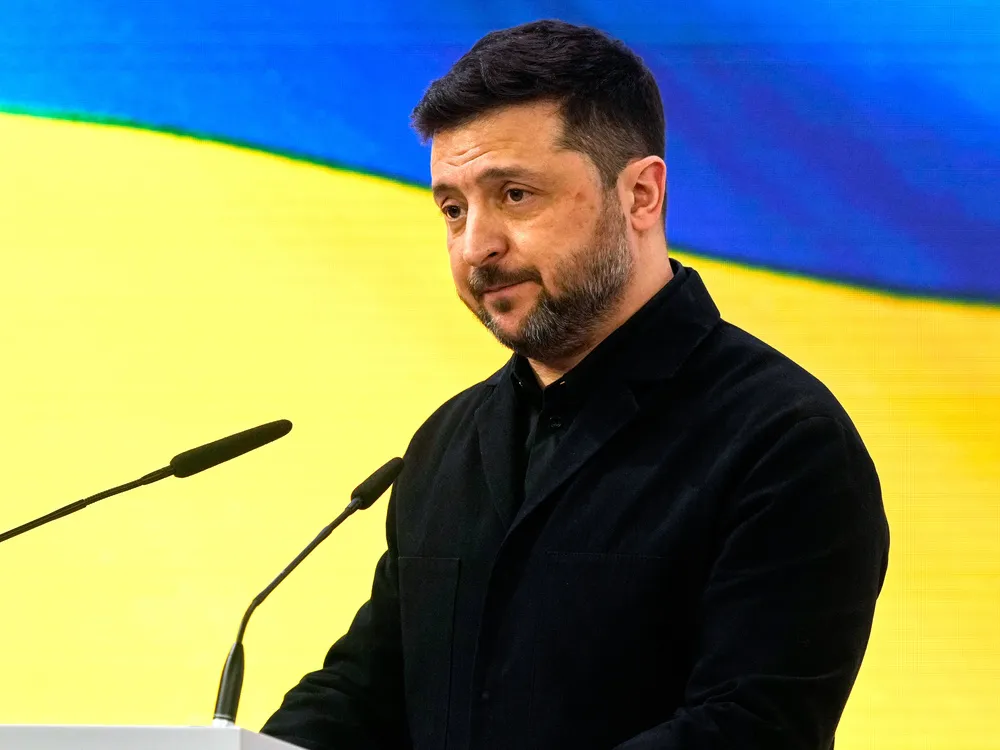
Skip to Content Subscribe Our Offers My Account Manage My Subscriptions FAQ Newsletters Canada Canadian True Crime Canadian Politics Health World Israel & Middle East Financial Post NP Comment Longreads Puzzmo Diversions Comics NP News Quiz New York Times Crossword Horoscopes Life Eating & Drinking Style Sponsored Play for Ontario Travel Travel Canada Travel USA Travel International Cruises Travel Essentials Culture Books Celebrity Movies Music Theatre Television Business Essentials Advice Lives Told Tails Told Shopping Buy Canadian Home Living Outdoor Living Kitchen & Dining Tech Style & Beauty Personal Care Entertainment & Hobbies Gift Guide Travel Guide Amazon Prime Day Deals Savings National Post Store More Sports Hockey Baseball Basketball Football Soccer Golf Tennis Driving Vehicle Research Reviews News Gear Guide Obituaries Place an Obituary Place an In Memoriam Classifieds Place an Ad Celebrations Working Business Ads Archives Healthing Epaper Manage Print Subscription Profile Settings My Subscriptions Saved Articles My Offers Newsletters Customer Service FAQ Newsletters Canada World Financial Post NP Comment Longreads Puzzmo Diversions Life Shopping Epaper Manage Print Subscription HomeNP CommentMarcus Kolga: Putin’s Russia is at a dead end — Canada must help Ukraine finish the jobPutin’s war has failed to erase Ukraine or break the west. Instead, it's exposed the weakness, corruption and fear of his regimeLast updated 31 minutes ago You can save this article by registering for free here. Or sign-in if you have an account.Ukraine's President Volodymyr Zelenskyy addresses the audience during a session at the Munich Security Conference in Munich, Germany, Saturday, Feb. 14, 2026. Photo by Michael Probst /APVladimir Putin’s war against Ukraine was never about protecting Russians or strengthening Russia’s place in the world. It was always a war of neo-imperialist vanity, consolidation of power, organized theft and cultural annihilation.Enjoy the latest local, national and international news.Exclusive articles by Conrad Black, Barbara Kay and others. Plus, special edition NP Platformed and First Reading newsletters and virtual events.Unlimited online access to National Post.National Post ePaper, an electronic replica of the print edition to view on any device, share and comment on.Daily puzzles including the New York Times Crossword.Support local journalism.Enjoy the latest local, national and international news.Exclusive articles by Conrad Black, Barbara Kay and others. Plus, special edition NP Platformed and First Reading newsletters and virtual events.Unlimited online access to National Post.National Post ePaper, an electronic replica of the print edition to view on any device, share and comment on.Daily puzzles including the New York Times Crossword.Support local journalism.Create an account or sign in to continue with your reading experience.Access articles from across Canada with one account.Share your thoughts and join the conversation in the comments.Enjoy additional articles per month.Get email updates from your favourite authors.Create an account or sign in to continue with your reading experience.Access articles from across Canada with one accountShare your thoughts and join the conversation in the commentsEnjoy additional articles per monthGet email updates from your favourite authorsSign In or Create an AccountorWhen Putin announced his “special military operation” in February 2022, he claimed Russia was eliminating imaginary “Nazis” in Ukraine. In reality, the objective was to destroy Ukrainian identity, language and culture, re-colonize a democratic European nation, and prove to the Russian people and the world that Putin remained a leader of historic consequence.Ukraine’s land, resources and people were to be seized by force. Russian troops were sent not to liberate, but to subjugate, plunder and terrorize under false pretences.This newsletter from NP Comment tackles the topics you care about. (Subscriber-exclusive edition on Fridays)By signing up you consent to receive the above newsletter from Postmedia Network Inc.We encountered an issue signing you up. Please try againPutin promised Russians a swift victory. Kremlin propagandists boasted that Kyiv would fall in three days, a prediction accepted by too many western analysts and governments. Four years later, Putin’s war has reached a political, military, economic and social dead end. The ‘three-day war’ will become the legacy of his rule.Russia’s forces, once presented as unstoppable, have now been exposed as brutal, corrupt and strategically inept. They have failed to break Ukraine, failed to fracture Western support, and are increasingly unable to shield Russia from the consequences of Putin’s aggression: rising inflation, punishing interest rates, a failing economy, growing social strain and declining public confidence in Putin himself.The cost to lives, both Ukrainian and Russian, has been staggering. The United Nations has confirmed that nearly 16,000 Ukrainian civilians have been killed since the full-scale invasion began, while Ukrainian authorities state that over 20,000 children have been abducted or forcibly transferred by Russian authorities. Western estimates suggest Russian casualties now exceed one million at an average rate of 35,000 casualties per month.The material destruction is immense. Ukraine’s recovery and reconstruction needs are estimated at over US$588 billion, with schools, hospitals, homes, energy systems, ports, railways and cultural sites still targeted by Russian missiles, drones and artillery. Yet the nation Putin is trying to erase is likely to emerge stronger than the Russia that tried to destroy it.Against all odds, Ukraine has become one of the world’s most battle-tested and innovative military powers. Its armed forces have transformed drone warfare, battlefield intelligence and logistics, while its society has endured years of terror without surrendering its democratic will. Supported by European integration and seized Russian assets, Ukraine could emerge as one of Europe’s most important security powers. Russia, by contrast, is being hollowed out.Sanctions, corruption, demographic decline, capital flight and Ukrainian strikes on Russian energy infrastructure are exposing the fragility of Putin’s system. Drone attacks on refineries, pipelines and storage facilities – often thousands of kilometres from the front lines — are reducing capacity and pressuring a budget dependent on oil and gas revenues.Black smoke above Moscow and St. Petersburg, airport shutdowns, cancelled military propaganda parades and burning refineries have shattered Putin’s image as Russia’s protector — the war meant to cement his invincibility is exposing his weakness.Oligarchs and security strongmen who once believed Putin guaranteed their wealth and impunity are now trapped inside Russia, cut off from assets, travel and lifestyles that made loyalty profitable. They are shackled to an increasingly paranoid ruler concerned less with Russia’s future than his own survival.Among ordinary Russians, the cracks are widening. Despite censorship and propaganda, many understand that their country has been driven into a pointless war with no plausible path to victory. The state has criminalized truth, but it cannot hide funerals, rampant inflation, shortages or fear — just as the Soviet system failed to do in the lead-up to its collapse in 1991.Putin’s response is a virtual iron curtain: draconian internet controls and suppression of every domestic information space before public anger turns into political action.At a conference in Europe last month that I attended, leading exiled Russian journalists described a nation at a dead end: a society imprisoned by fear, propaganda, violence and hopelessness. Like Russia’s dictator before him, Putin is sacrificing his people to preserve his myth and power.The beginning of the end of the Putin regime may look exactly like what we see now: military exhaustion, economic pressure, elite anxiety, public disillusionment, battlefield failure and a dictator trapped by his own decisions. Russia’s defeat will not come from one event. It will come from sustained pressure.Canada has been one of Ukraine’s strongest supporters. To help end this war, we must do more.First, we must enforce existing sanctions against Kremlin-aligned actors in Canada who collaborate with Russian state media, think tanks and propaganda platforms. Sanctions matter only when violations bring consequences.Second, Canada should work with allies to accelerate the use of frozen Russian sovereign assets for Ukraine’s defence and reconstruction. New Canadian disclosure rules should be used to identify sanctioned assets and determine how they can help repair the damage — including the estimated US$22 billion in Russian state assets held by Euroclear and deposited in Canadian banks.Third, Canada should continue and expand its support for fact-based journalism inside Russia and Belarus. Independent journalists in exile expose the lies, corruption, repression and elite fractures authoritarian regimes work to conceal.Putin’s war has failed. It failed to erase Ukraine or break the west. Instead, it has exposed the weakness, corruption and fear at the centre of his regime. Peace will only be achieved when Russia is defeated and Putin’s regime, built on lies, terror and theft, comes to an end. Canada can help support those who can finish that job.National PostMarcus Kolga is the founder of Disinfowatch and a senior fellow at the Macdonald-Laurier Institute. Join the Conversation This website uses cookies to personalize your content (including ads), and allows us to analyze our traffic. Read more about cookies here. By continuing to use our site, you agree to our Terms of Use and Privacy Policy.
Marcus Kolga: Putin’s Russia is at a dead end — Canada must help Ukraine finish the job
Putin’s war has failed to erase Ukraine or break the west. Instead, it's exposed the weakness, corruption and fear of his regime
1,442 words~7 min read