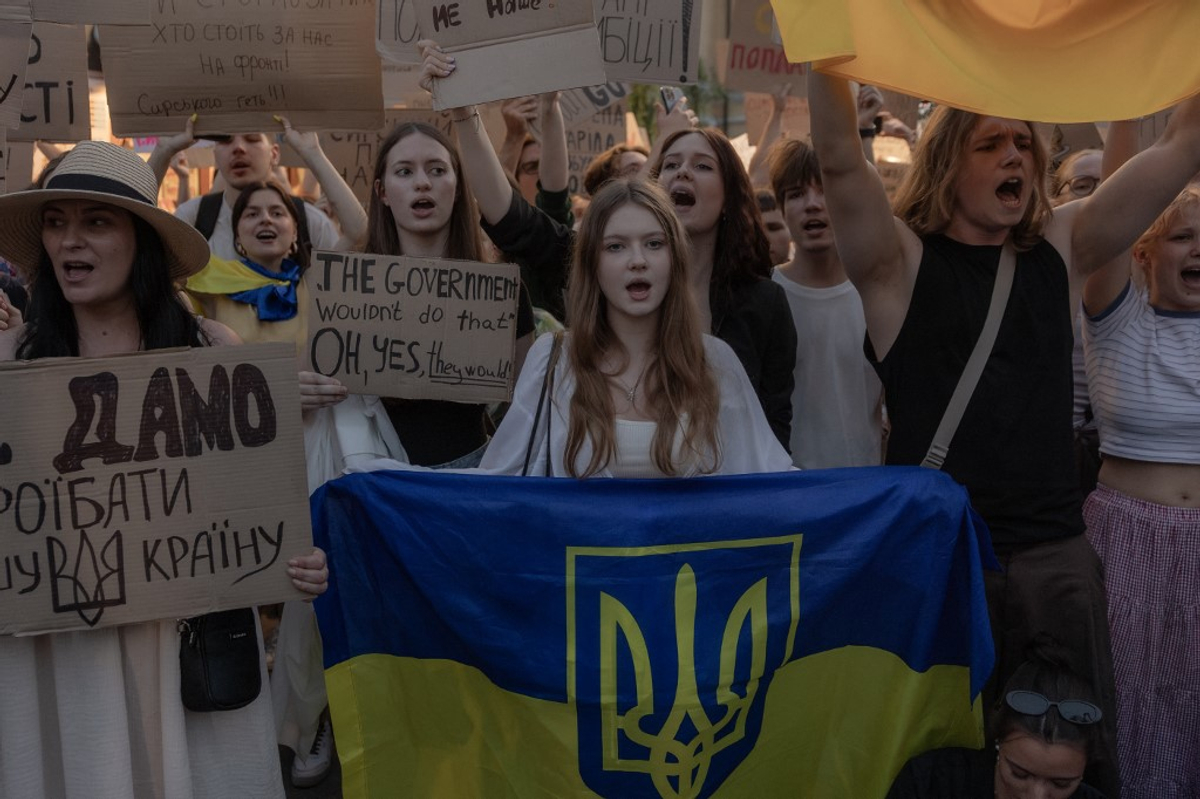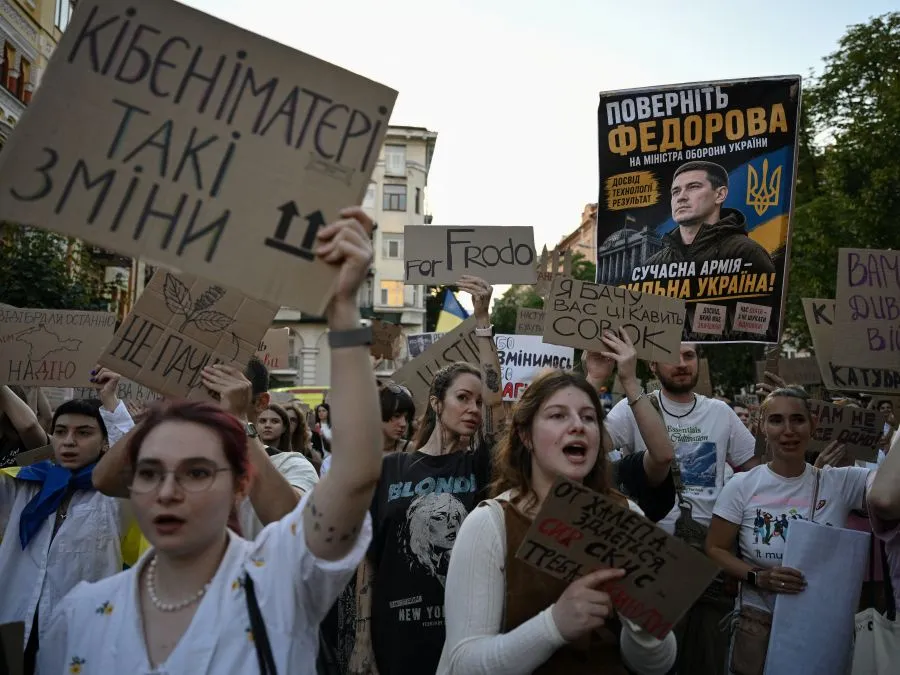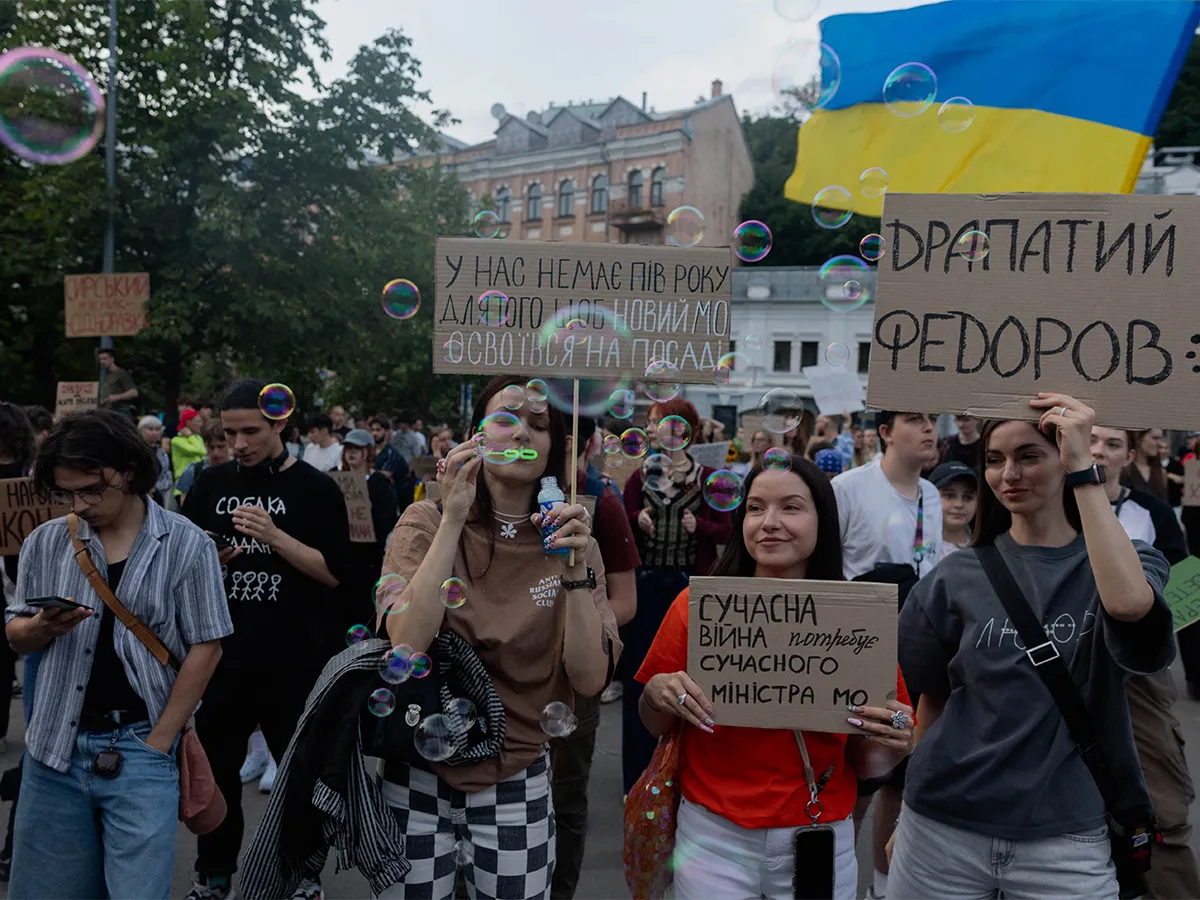
Skip to Content Subscribe Our Offers My Account Manage My Subscriptions FAQ Newsletters Canada Canadian True Crime Canadian Politics Health World Israel & Middle East Financial Post NP Comment Longreads Puzzmo Diversions Comics NP News Quiz New York Times Crossword Horoscopes Life Eating & Drinking Style Sponsored Play for Ontario Travel Travel Canada Travel USA Travel International Cruises Travel Essentials Culture Books Celebrity Movies Music Theatre Television Business Essentials Advice Lives Told Tails Told Shopping Buy Canadian Home Living Outdoor Living Kitchen & Dining Tech Style & Beauty Personal Care Entertainment & Hobbies Gift Guide Travel Guide Amazon Prime Day Deals Savings National Post Store More Sports Hockey Baseball Basketball Football Soccer Golf Tennis Driving Vehicle Research Reviews News Gear Guide Obituaries Place an Obituary Place an In Memoriam Classifieds Place an Ad Celebrations Working Business Ads Archives Healthing Epaper Manage Print Subscription Profile Settings My Subscriptions Saved Articles My Offers Newsletters Customer Service FAQ Newsletters Canada World Financial Post NP Comment Longreads Puzzmo Diversions Life Shopping Epaper Manage Print Subscription HomeNP CommentRaymond J. de Souza: Ukrainian protests reflect a healthy democracyUkraine has managed, remarkably, to preserve and even enhance its democratic culture during the restrictions of wartimeLast updated 12 minutes ago You can save this article by registering for free here. Or sign-in if you have an account.Protesters are seen in Kyiv on July 23, 2026, on the eighth day of a demonstration against Ukrainian President Volodymyr Zelenskyy's decision to dismiss Ukraine's defence minister. Raymond J. de Souza writes that the protests, and Zelenskyy's response, indicate Ukraine's democracy remains strong despite the ongoing war with Russia. Photo by Tetiana DZHAFAROVA / AFP via Getty ImagesKRAKÓW, Poland — It’s been three years since I last visited Kraków, an historic European capital and a good place to think about developments in Ukraine.Enjoy the latest local, national and international news.Exclusive articles by Conrad Black, Barbara Kay and others. Plus, special edition NP Platformed and First Reading newsletters and virtual events.Unlimited online access to National Post.National Post ePaper, an electronic replica of the print edition to view on any device, share and comment on.Daily puzzles including the New York Times Crossword.Support local journalism.Enjoy the latest local, national and international news.Exclusive articles by Conrad Black, Barbara Kay and others. Plus, special edition NP Platformed and First Reading newsletters and virtual events.Unlimited online access to National Post.National Post ePaper, an electronic replica of the print edition to view on any device, share and comment on.Daily puzzles including the New York Times Crossword.Support local journalism.Create an account or sign in to continue with your reading experience.Access articles from across Canada with one account.Share your thoughts and join the conversation in the comments.Enjoy additional articles per month.Get email updates from your favourite authors.Create an account or sign in to continue with your reading experience.Access articles from across Canada with one accountShare your thoughts and join the conversation in the commentsEnjoy additional articles per monthGet email updates from your favourite authorsSign In or Create an AccountorDuring the Habsburg period of the 19th century, Kraków and Lviv, now western Ukraine’s principal city, were both governed from Vienna. When Poland regained its independence at the conclusion of World War I with the dissolution of the Austro-Hungarian empire, Kraków and Lviv remained together in the new Polish republic. The ties are deep in history, with moments of both harmony and hostility.Cracovians, for reasons of both geography and the not-too-distant past, think more about Ukraine than in other places. Three developments in the past three years are noteworthy.The National Post newsletter that doesn’t hold back, giving readers the unvarnished truth on media, politics and culture.By signing up, you consent to receive the above newsletter from Postmedia Network Inc.A welcome email is on its way. If you don't see it, please check your junk folder.The next issue of Right? will soon be in your inbox.We encountered an issue signing you up. Please try againFirst, in the early days of Russia’s full-scale invasion in 2022, Poles reacted heroically to the influx of refugees. There were no refugee camps. Not a single one. All Ukrainian refugees were received into Polish homes, often for an extended period. Given the hostilities in their shared history, that was not to be assumed. It represented a great reconciliation of siblings sometimes in rivalry.Alas, there has been a recent rise in Polish resentment of the Ukraine war and Ukrainians, fomented by local instantiations of what is usually called right-wing populism. Hostility to Ukraine and a favourable disposition toward Russian President Vladimir Putin long had its champion in Hungary’s Viktor Orbán. Under the second Trump administration, MAGA fondness for Putin and suspicion of Ukraine has given all of that a second wind in Europe despite Orbán’s defeat, and those ill winds are blowing in Poland.Neither Poland’s government nor mainstream political culture has been captured by the Orbán/Trump turn toward Putin. (Recall that Donald Trump’s principal envoys have visited Putin eight times but refuse to set foot in Ukraine.) Nevertheless, a tilt toward Russia, or least against Ukraine, has gained more purchase here.Second, Ukrainians demonstrated greater military strength in 2022 than many thought that they had. Certainly more than Moscow thought they had. One reason for that was the military training that took place after the initial Russian invasion in 2014, training to which Canada made a contribution. Nevertheless, Ukraine in 2022 relied heavily on military aid from Europe and North America, and Poland — which had the highest defence spending as a proportion of GDP in Europe — was at the forefront of that.Over four years Ukraine still needs military supply, but has emerged as a military power of its own, producing millions of advanced drones capable of hitting Russian targets as far away as Siberia. The Gulf States, vulnerable to Iranian attack during the American-Israeli war, have invited Ukrainian officials to visit the region — including President Volodymyr Zelenskyy — to share expertise and technology.Eventually, when the war is over and Trump leaves office, Ukraine will join NATO — as have Finland and Sweden since 2022 — and Ukraine will be a leading military power in the alliance.Third, Ukraine has maintained a democratic culture. The Ukrainian constitution does not permit elections during wartime, but in recent weeks Ukrainians have taken to the streets to protest Zelenskyy’s decision to fire the defence minister and keep the top general. The street protests forced Zelenskyy to back down, fire the general and offer to keep the former defence minister in the government.It was a repetition of what happened earlier when Zelenskyy proposed weakening the anti-corruption office in the national government. Protests forced him into a U-turn.The reversals may have weakened Zelenskyy’s political authority, at least in the short term, but one reason Ukrainians are fighting and dying is to preserve a strong democracy, not a strong presidency or even a strong president.It is quite possible, even in mature democracies like Canada, that executive strength can compromise the culture of democracy, for which elections are a necessary, but not sufficient, condition. Ukraine has managed, remarkably, to preserve and even enhance its democratic culture during the restrictions of wartime.Still the war grinds on, the human costs continuing. It appears now that Ukraine may be prevailing or, at the very least, Russia is not prevailing. Absent the boost in oil revenues due to Trump’s war against Iran and continued support from China, Russia may otherwise be in danger of losing even what it seized in 2014. Ukraine is now capable of striking Crimea, threatening Russian supply lines.Ukraine is fighting. Ukraine is still suffering. Russian missiles have so long hit civilian targets that it is no longer even remarked that such were once recognized as war crimes.More sobering, while Ukraine fights on, it is not evident how the war might end. It is entirely possible that Ukraine may not lose, but still not win definitively. And however unpopular the war might be in Russia, Putin faces no constraints from a democratic culture.National Post Join the Conversation This website uses cookies to personalize your content (including ads), and allows us to analyze our traffic. Read more about cookies here. By continuing to use our site, you agree to our Terms of Use and Privacy Policy.
Raymond J. de Souza: Ukrainian protests reflect a healthy democracy
Ukraine has managed, remarkably, to preserve and even enhance its democratic culture during the restrictions of wartime
1,367 words~6 min read