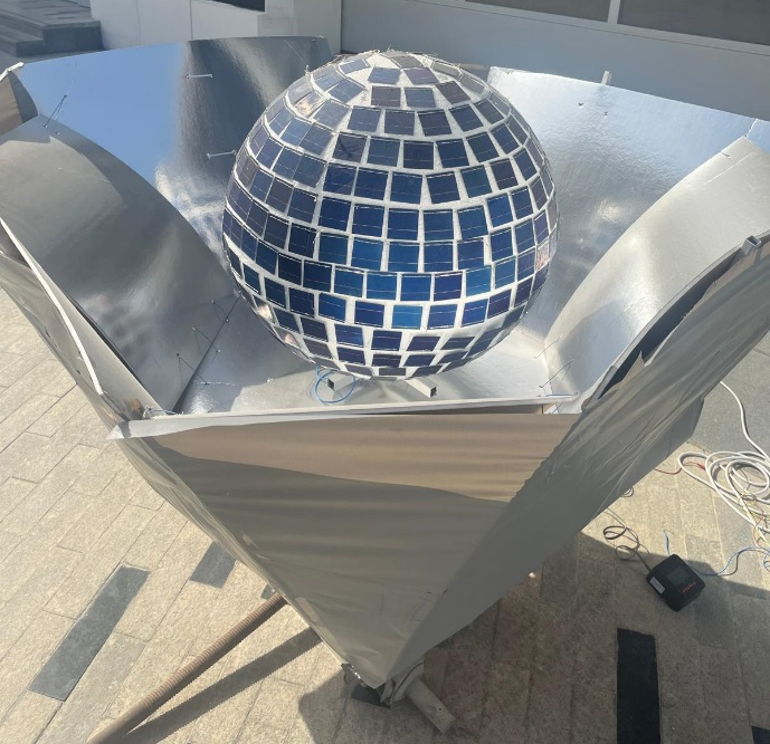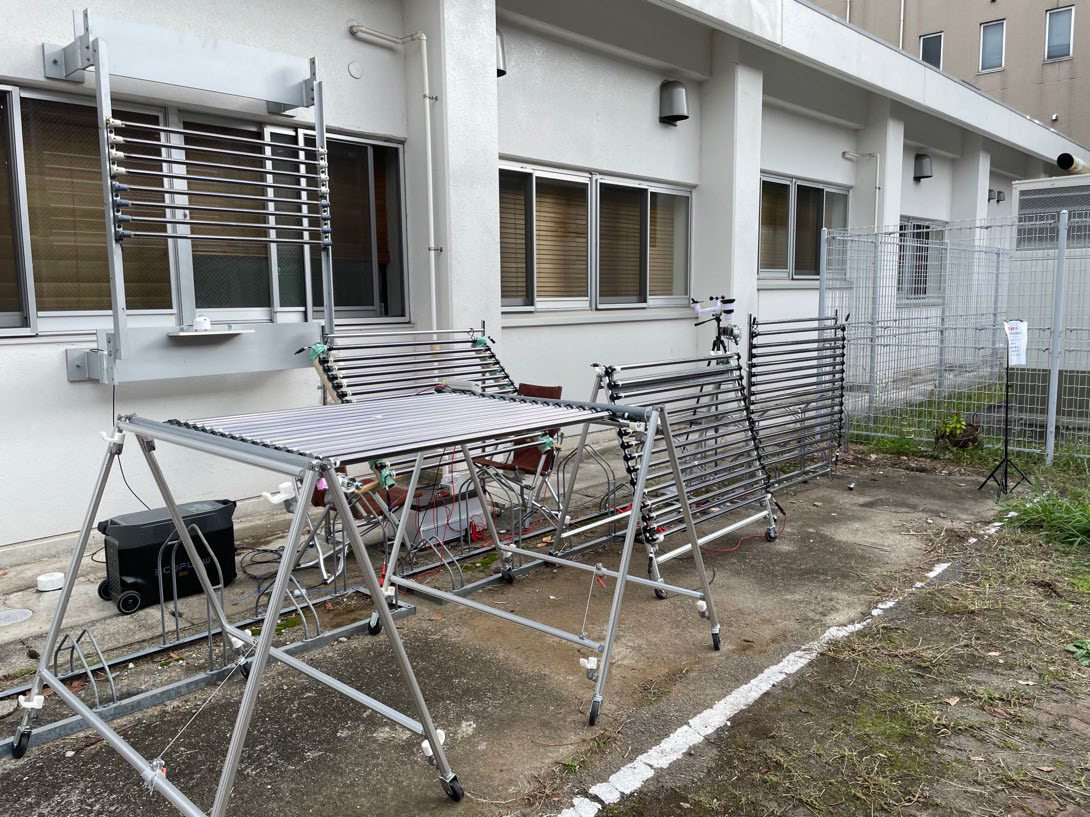
Solyndra’s cylindrical CIGS solar technology highlighted both the promise and challenges of unconventional PV designs, but a new study from Japan suggests that cylindrical modules may still offer advantages in building-integrated applications.
Researchers in Japan found that their curved geometry improves cooling, reduces temperature-related losses, and enables more stable energy harvesting under optimized urban installation conditions.
Few companies in the history of photovoltaics have embodied both the promise and the risks of solar innovation as clearly as Solyndra. Founded in California in 2005, the company emerged with a radically different vision of how solar modules could be designed: instead of conventional flat panels, it developed cylindrical photovoltaic tubes coated with copper-indium-gallium-diselenide (CIGS) thin-film cells. The concept aimed to create a three-dimensional solar surface capable of capturing direct, diffuse and reflected sunlight from multiple angles, while enabling lightweight, low-profile installations on large commercial rooftops.
The technology attracted significant attention from investors and policymakers alike, receiving strong financial backing from the U.S. government, including a $535 million loan guarantee from the Department of Energy under the Obama administration’s clean-energy initiatives. Once regarded as a symbol of American leadership in solar innovation, Solyndra ultimately filed for bankruptcy in 2011 as rapidly falling prices for conventional silicon modules and intensifying global competition undermined its ability to compete. The company’s rise and fall remains a landmark case in the challenges of bringing disruptive photovoltaic technologies from the laboratory to large-scale manufacturing.