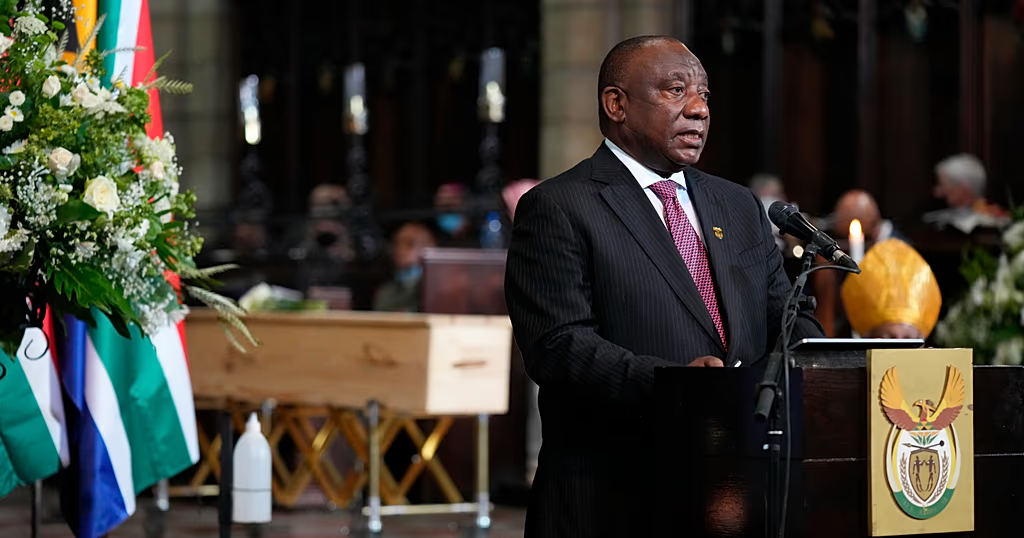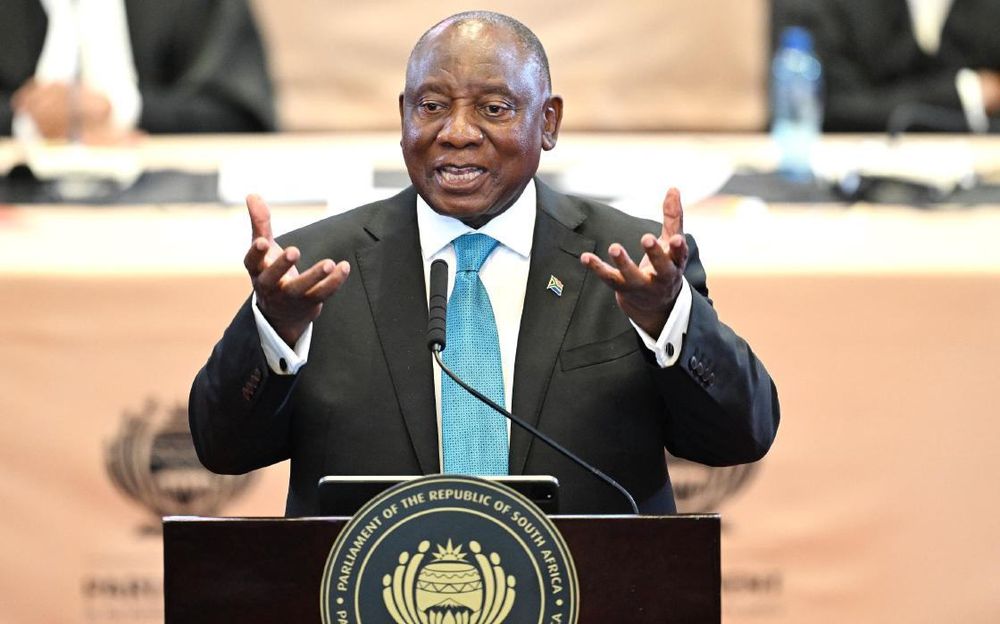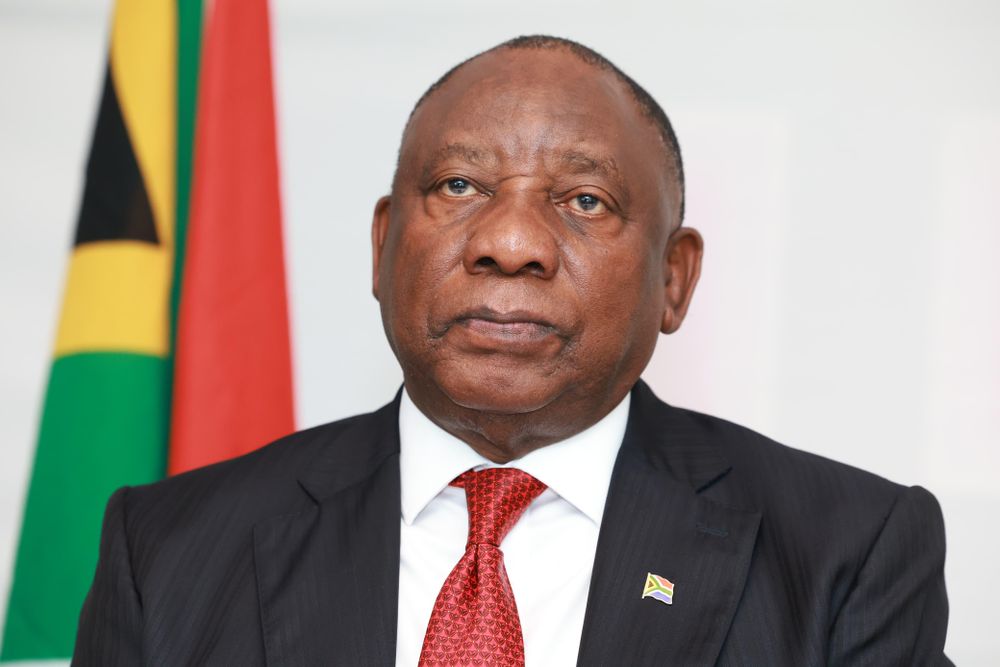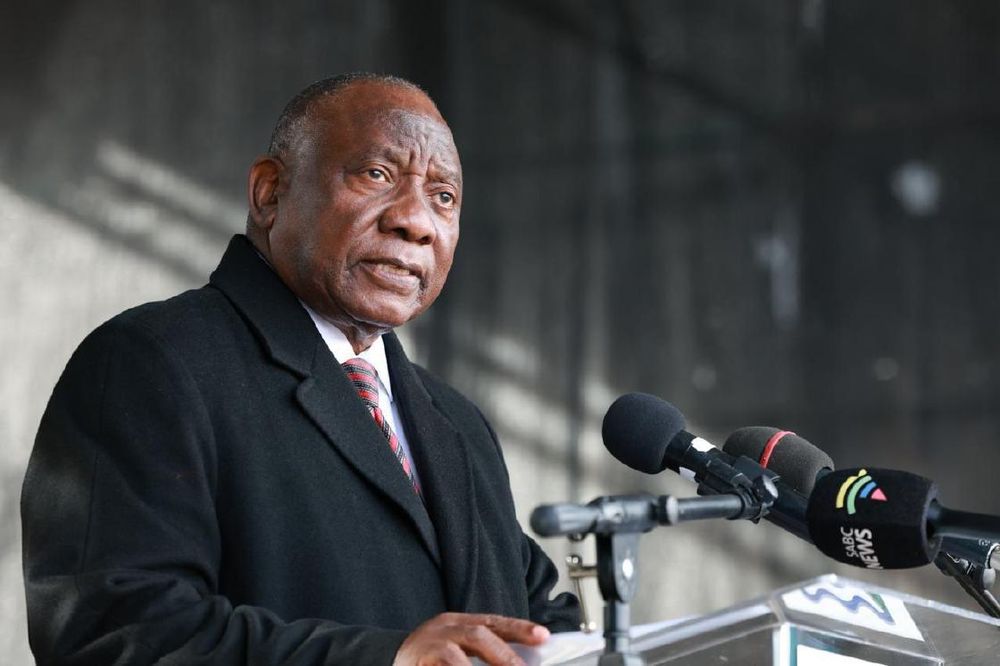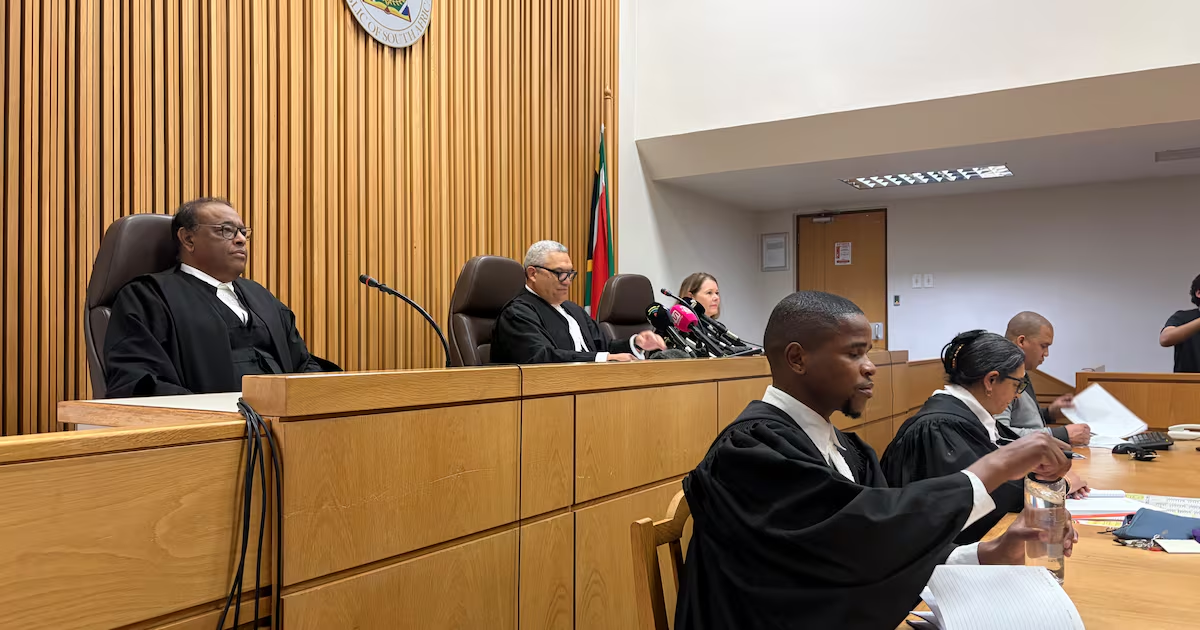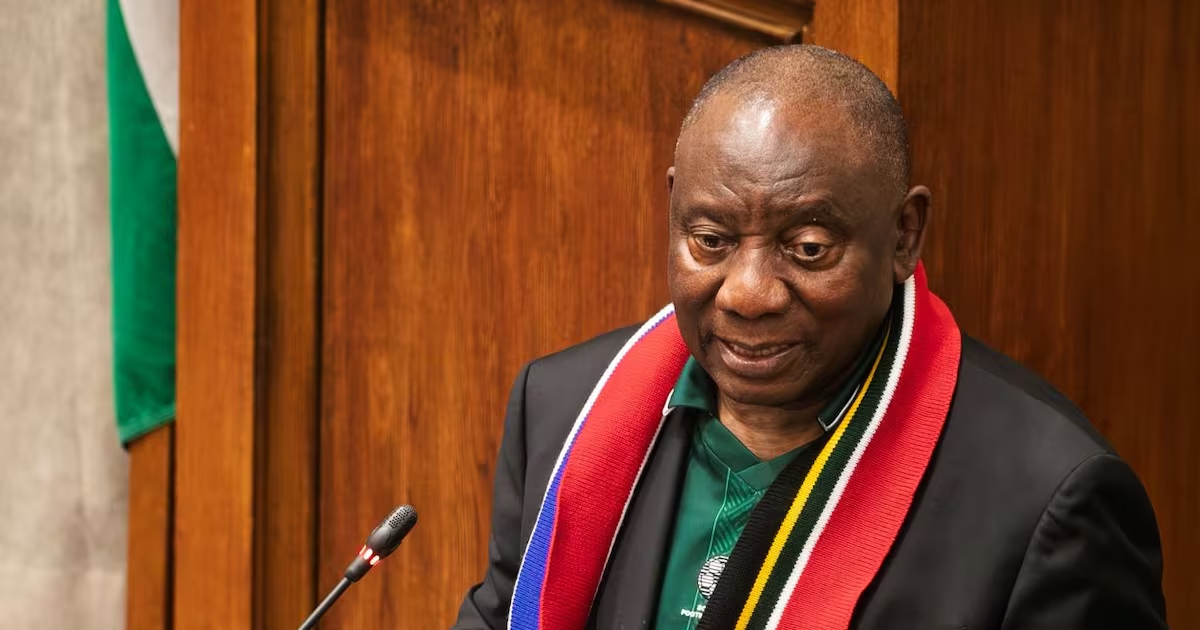
The Western Cape High Court has granted President Cyril Ramaphosa an interim interdict halting parliament’s section 89 impeachment inquiry pending the determination of his review application challenging the legality of the independent panel report that triggered the process.In a majority judgment delivered on Friday, the full bench ordered that parliament’s section 89 impeachment committee may not proceed with public hearings until the review application has been decided. The court ordered that the costs of the urgent application stand over for determination by the court hearing the review.One judge would have dismissed the application, finding that Ramaphosa had failed to make out a case for an interim interdict. However, the majority of the three-judge bench found that the president had met the requirements for interim relief and granted the interdict of limited duration.Ramaphosa had sought an interim interdict preventing the committee from continuing its work pending the outcome of a review application challenging the legality of the independent panel report that triggered the impeachment process.The application formed part of a broader legal battle over parliament’s implementation of section 89 of the Constitution, which governs the removal of a president from office.The committee was established after parliament resolved to proceed with an inquiry into allegations that Ramaphosa committed serious violations of the Constitution or the law and engaged in serious misconduct. The inquiry stems from the Phala Phala saga, in which $538,000 (about R8.8m) was stolen from the president’s game farm in Limpopo in 2020.The impeachment process was triggered after an independent panel, chaired by former chief justice Sandile Ngcobo, found prima facie evidence that Ramaphosa may have committed serious violations of the Constitution or the law and recommended that parliament investigate the matter further.Ramaphosa argued that allowing the committee to continue before the review application was determined would cause him irreparable harm and render the review proceedings academic. His legal team contended there were reasonable prospects that the review would succeed and that the balance of convenience favoured temporarily suspending the committee’s work.During the two-day hearing, advocate Wim Trengove argued that Ramaphosa would suffer “irreversible injustice” if the committee’s public hearings proceeded before the court determined whether the independent panel’s report was legally valid.Trengove submitted that subjecting the president to an impeachment inquiry based on a report that could later be set aside would cause significant reputational damage and public humiliation.“Very significant harm will be done to the president if the hearing goes ahead and it is ultimately found that the report was invalid,” Trengove argued.He told the court that a president removed under section 89 forfeits presidential benefits and pension and is barred from holding public office in future, making the impeachment process uniquely serious. He also argued parliament would suffer little prejudice if the committee’s work were temporarily halted because the review application is due to be heard from September 2 to 4, with judgment expected shortly thereafter.A central plank of Ramaphosa’s review application was that the independent panel had applied the wrong legal test. His legal team argued parliamentary rules required the panel to determine whether there was sufficient evidence of serious misconduct, whereas it assessed only whether there was prima facie evidence.The full bench, comprising judges Andre le Grange, Matthew Francis and Diane Davis, questioned whether the president would in fact suffer irreparable harm. Francis referred to former president Nelson Mandela giving evidence in the South African Rugby Football Union (Sarfu) litigation, suggesting that appearing in court was not inherently humiliating.Trengove responded that Mandela had appeared as a witness, whereas Ramaphosa faced a constitutional impeachment process that could permanently bar him from public office. He argued the interim interdict existed precisely to protect against such harm while the lawfulness of the underlying process was tested.Parliament opposed the application, arguing Ramaphosa had failed to satisfy the requirements for an interim interdict and that the section 89 process is a constitutionally mandated accountability mechanism that should not be delayed. Advocate William Mokhare, appearing for the impeachment committee, argued granting the relief sought would effectively suspend the Constitutional Court’s order directing the committee to conduct the inquiry.The application was also opposed by the EFF, ATM, MK party and United Africans Transformation.
BREAKING | Court halts Ramaphosa impeachment hearings pending legal review
High court grants interim interdict as Ramaphosa challenges legality of impeachment panel report
691 words~3 min read