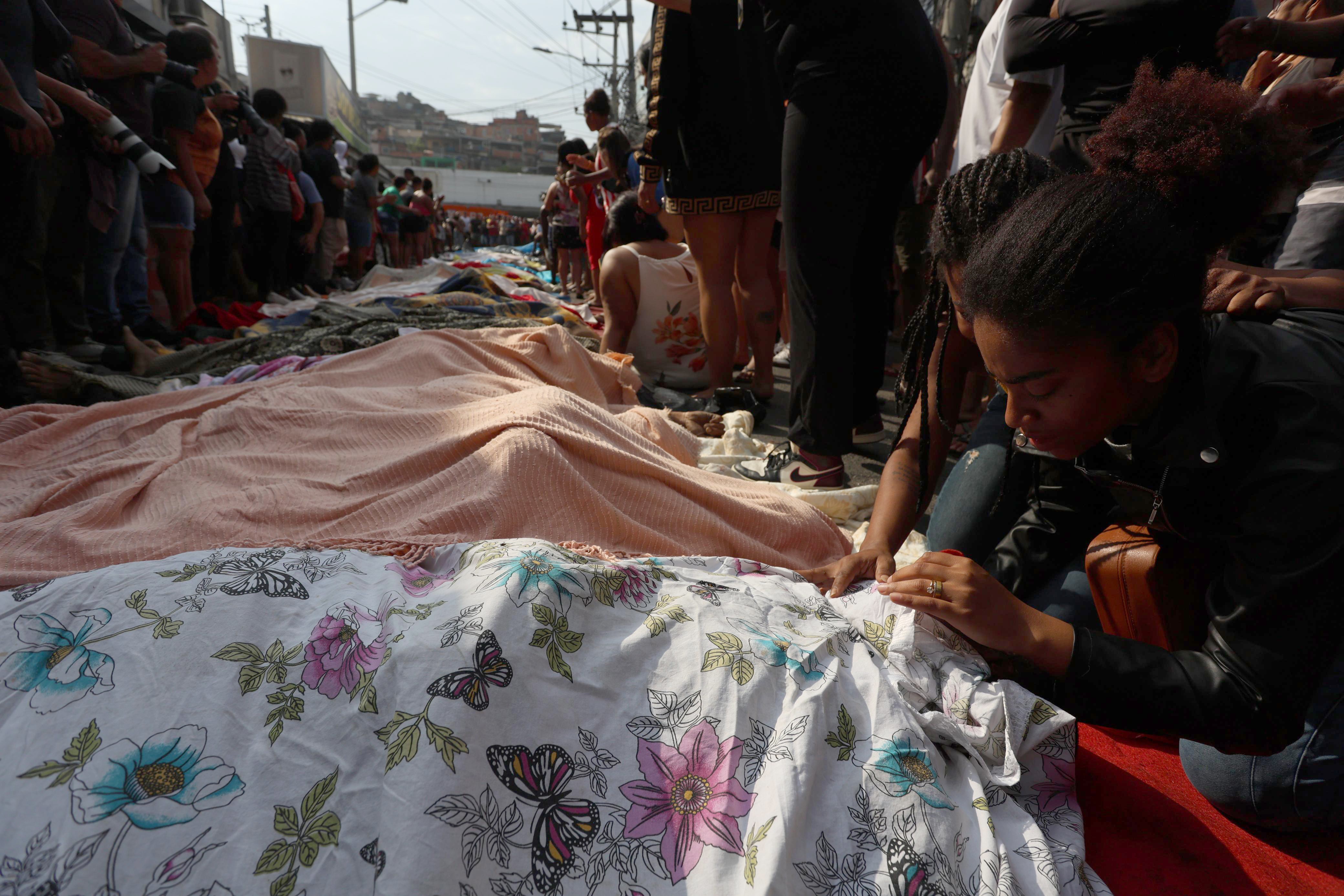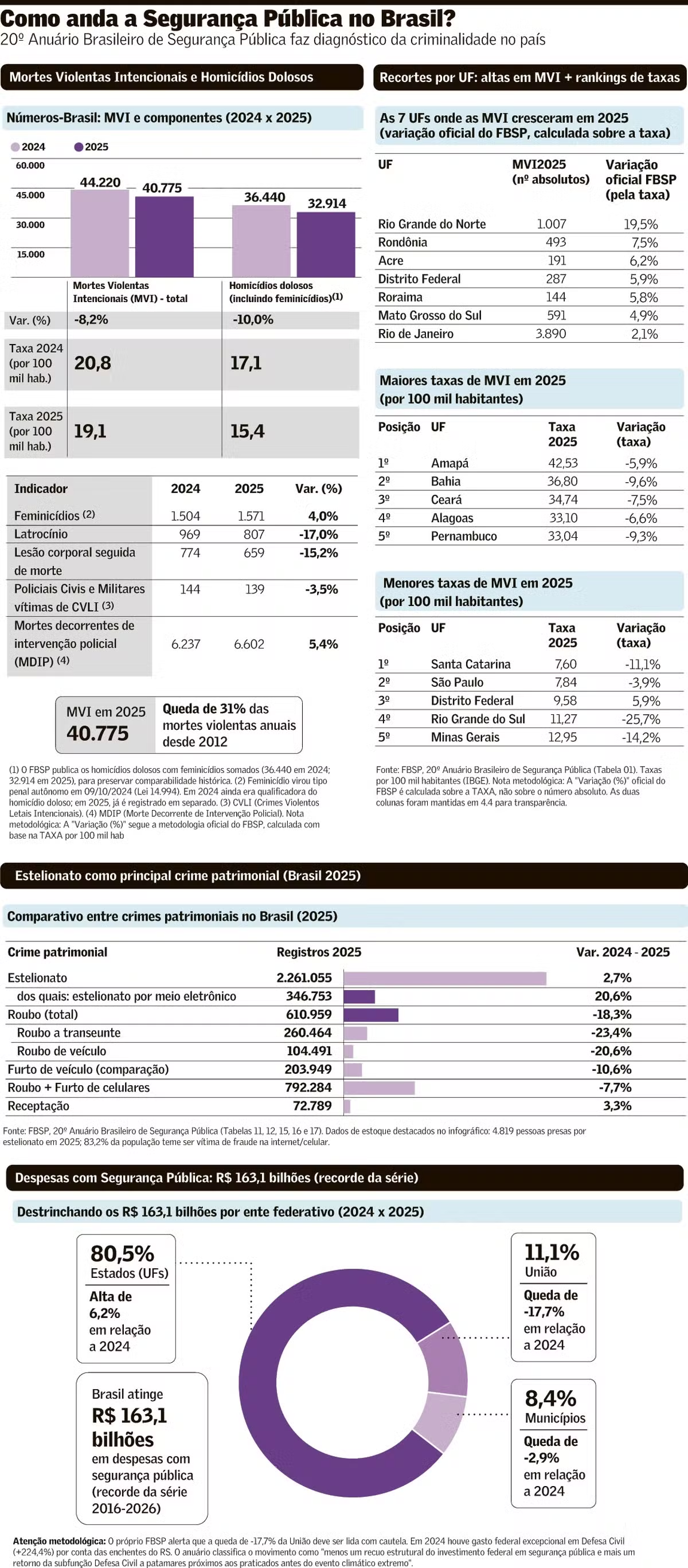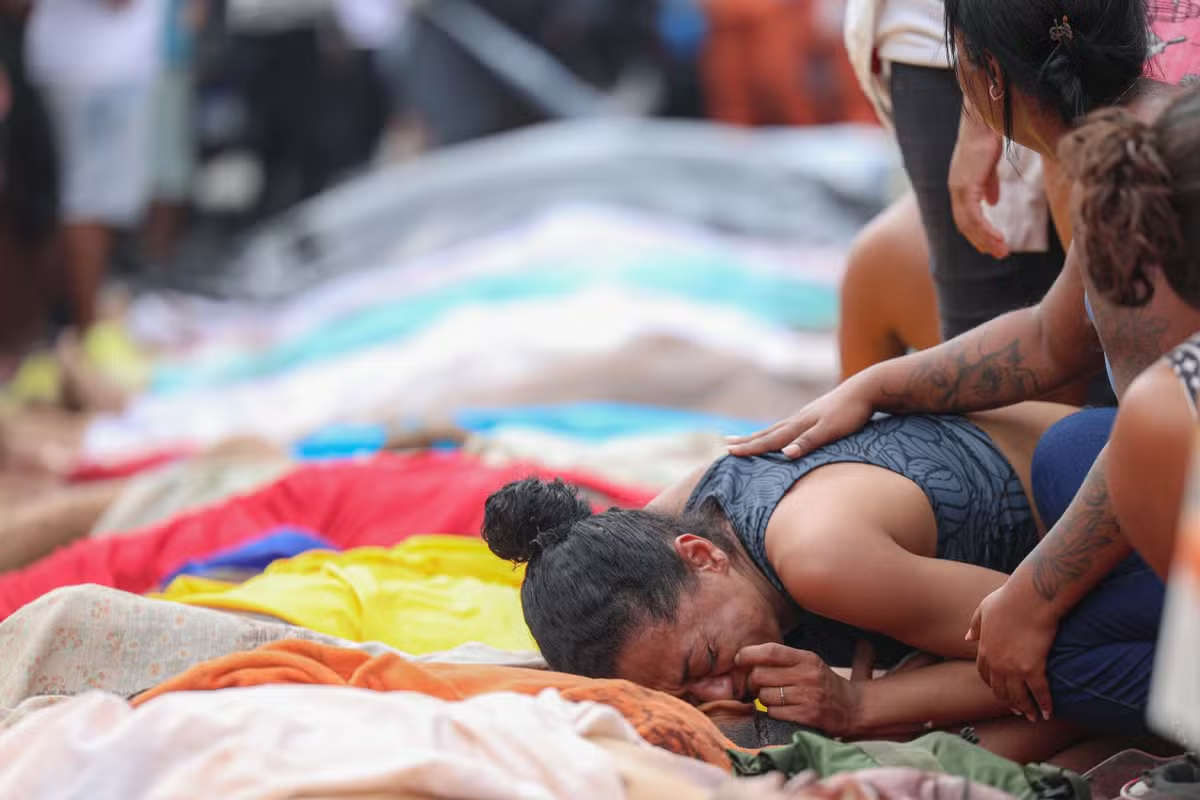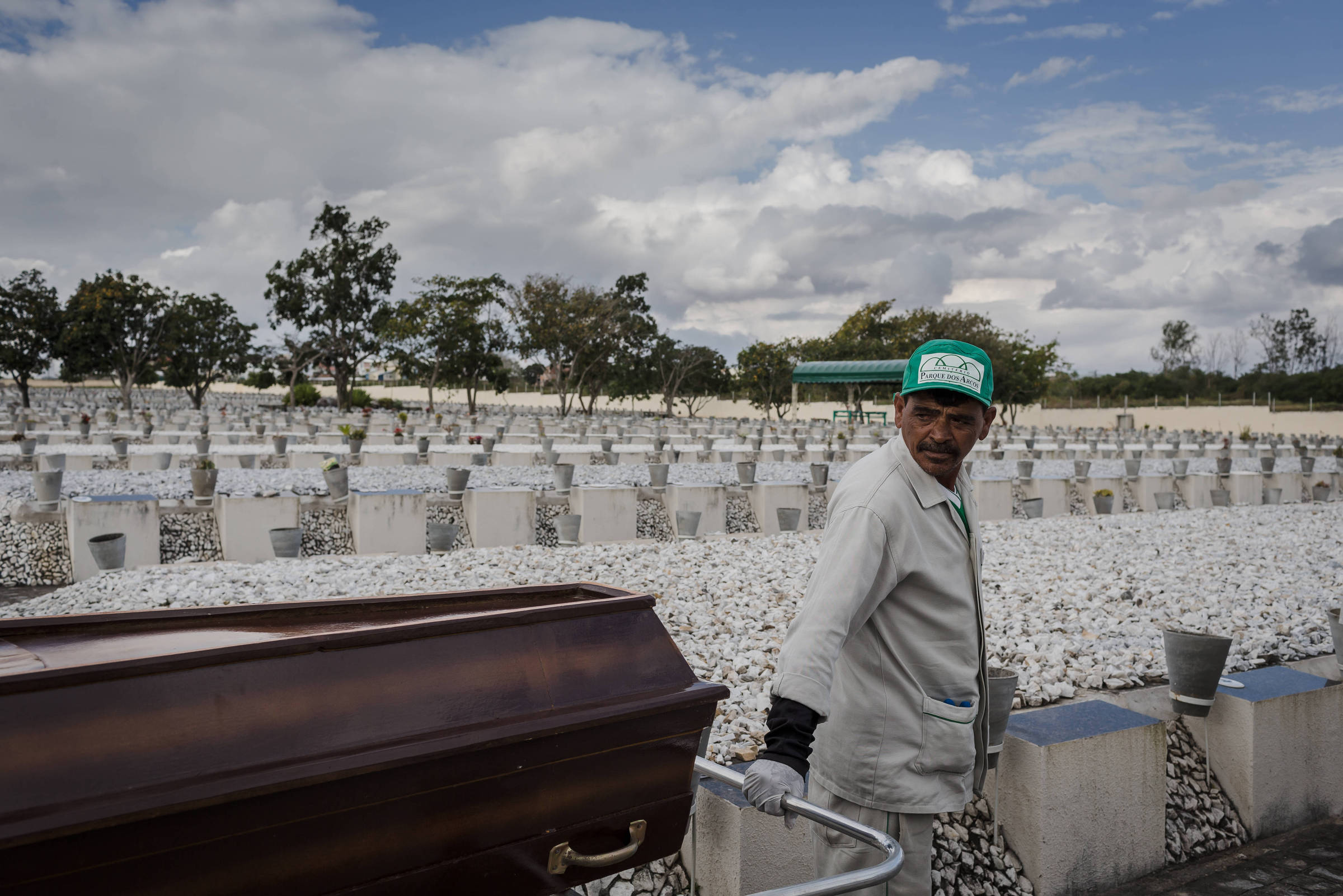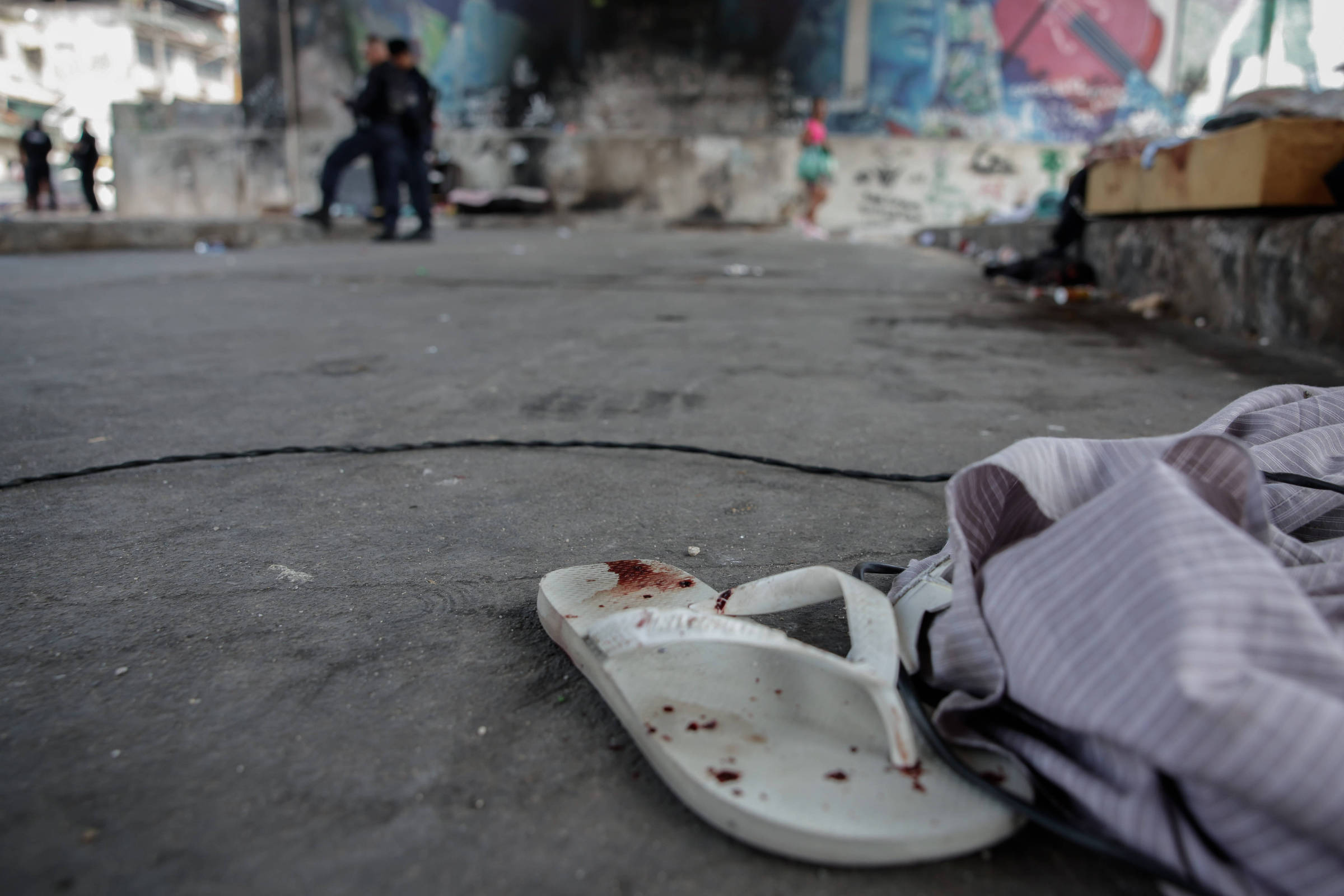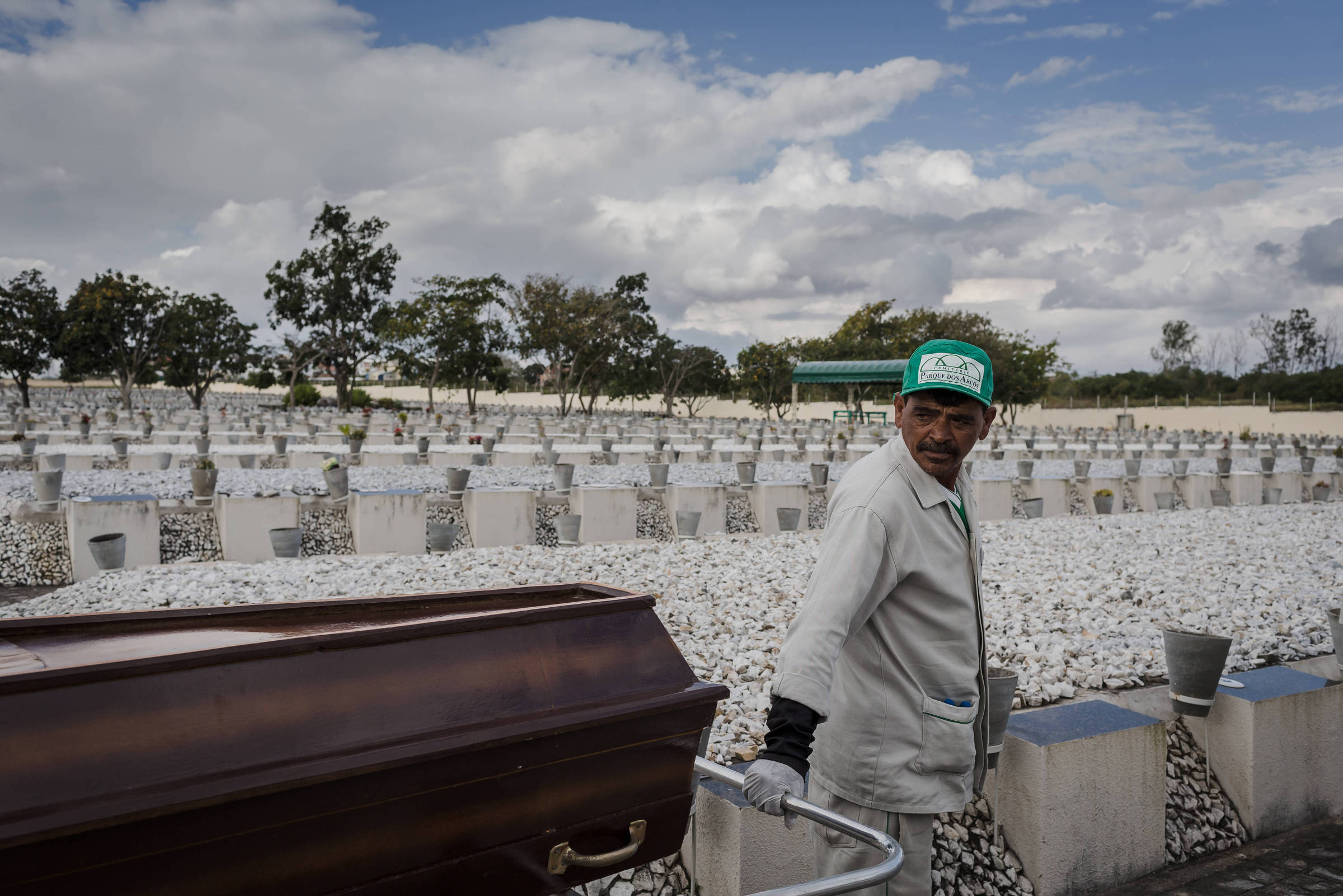
Brazil recorded 40,775 intentional violent deaths in 2025, down 8.2% from the previous year, according to the 20th Brazilian Public Security Yearbook. The country's homicide rate fell below 20 deaths per 100,000 inhabitants for the first time since the series began in 2012, reaching 19.1—the lowest level for the fourth consecutive year.
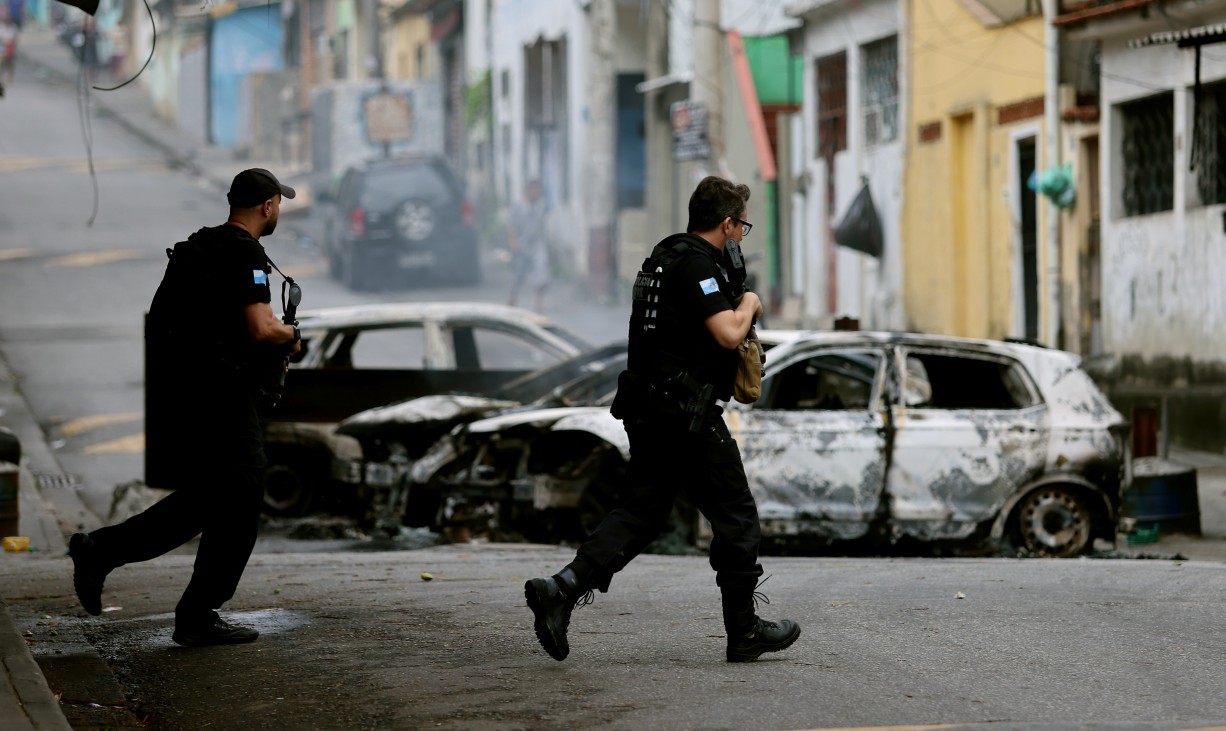
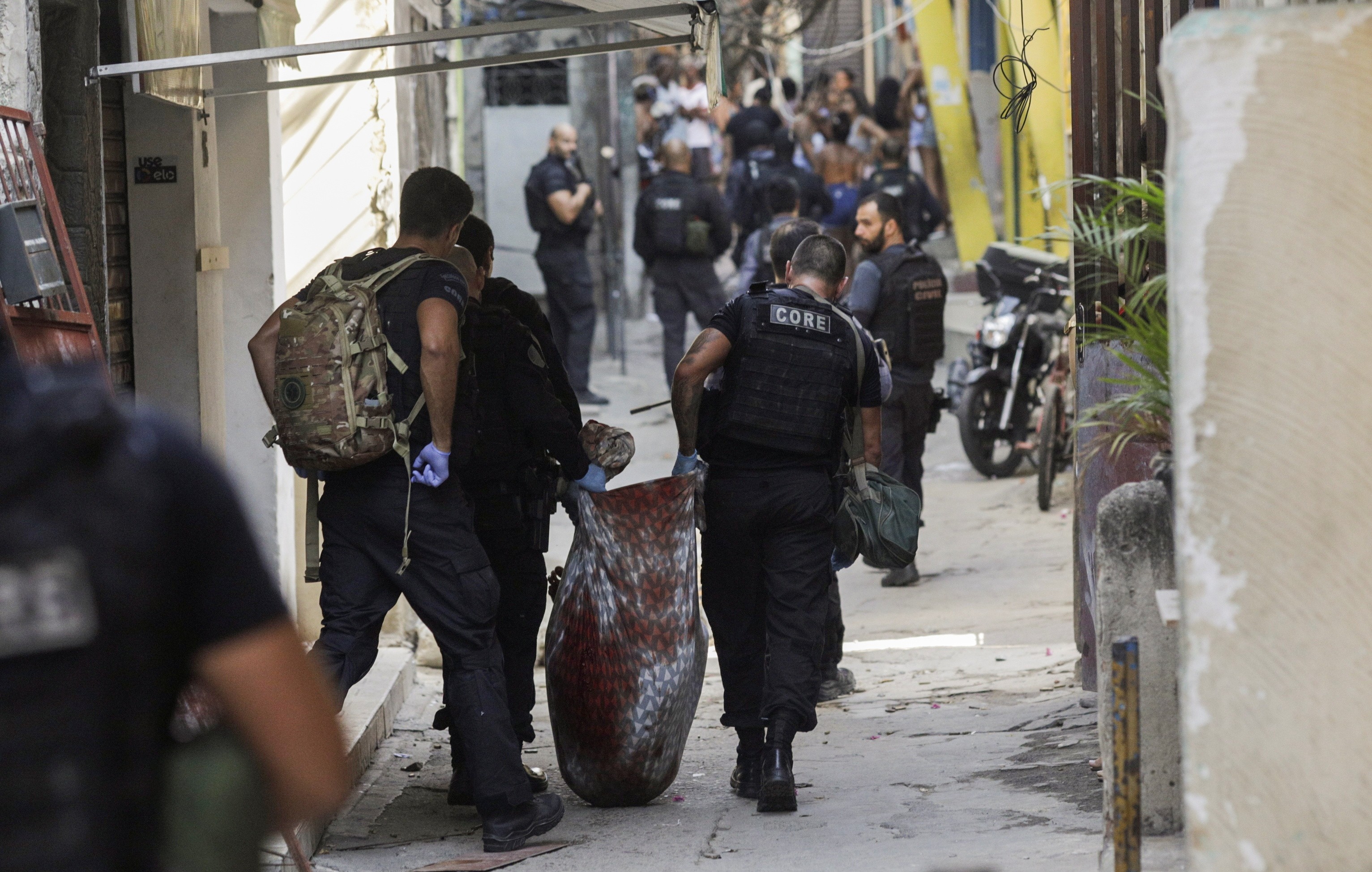
The category of intentional violent deaths includes intentional homicides, robberies resulting in death, assaults leading to death, and deaths caused by police action. All categories declined except police killings, which rose 5.4% to 6,602 deaths, the highest figure ever recorded by the Brazilian Public Security Forum.
Every region of the country has reduced its homicide rate since 2012, with the national rate falling by 31%. Amazonas posted the largest decline between 2024 and 2025, at 32%. Meanwhile, seven states saw violence increase, led by Rio Grande do Norte, where violent deaths rose 19.6%. According to Forum sociologist David Marques, the increase is linked to territorial disputes among criminal organizations, particularly the expansion of the Comando Vermelho (Red Command) in northern and northeastern Brazil.
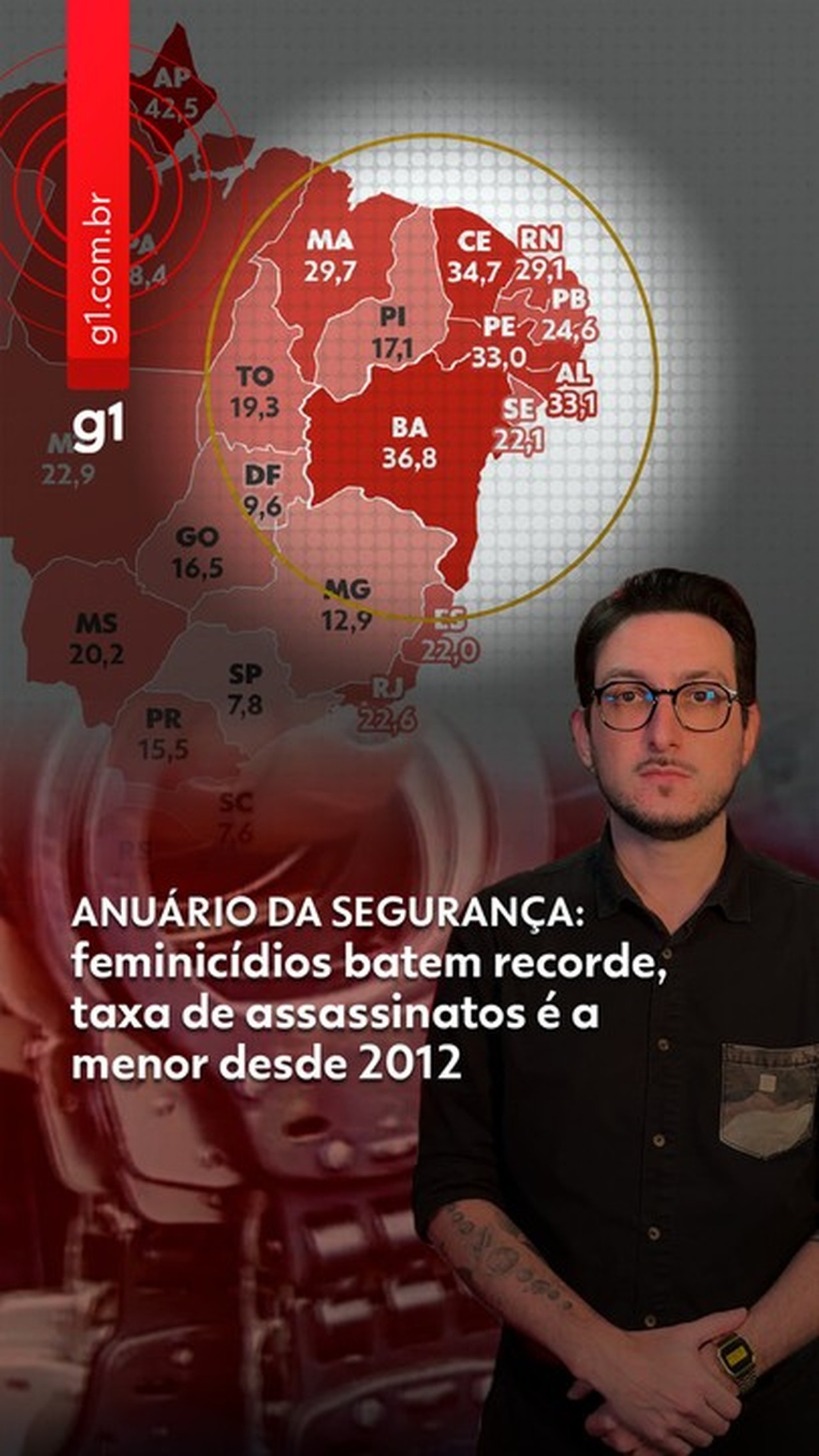
Amapá remained Brazil's most violent state for the fourth consecutive year, with 42.5 deaths per 100,000 inhabitants. Maranguape, in Ceará state, ranked as the country's most violent city for the second straight year, amid an ongoing turf war between the Comando Vermelho and the local criminal group Guardiões do Estado (Guardians of the State).