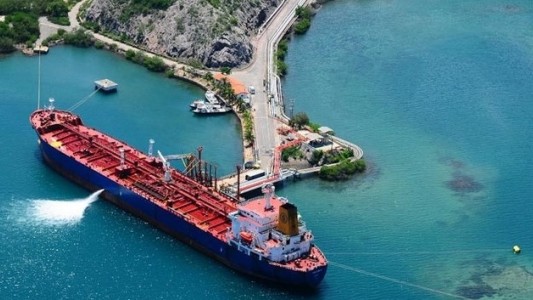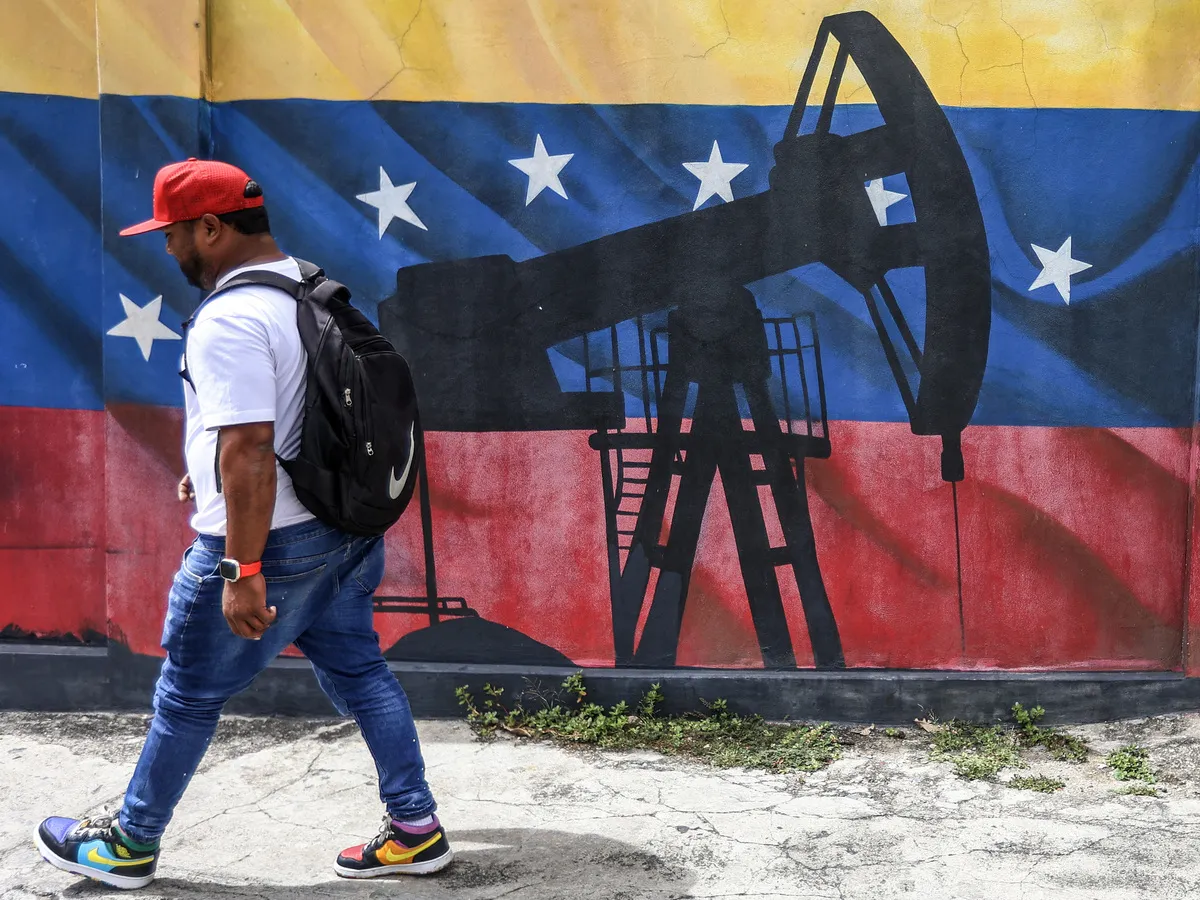
Skip to Content News Archives Economy Energy Oil & Gas Renewables Electric Vehicles Mining Commodities Agriculture Real Estate Mortgages Mortgage Rates Finance Banking Insurance Fintech Cryptocurrency Work Wealth Smart Money Wealth Management Investor Personal Finance Family Finance Retirement Taxes High Net Worth FP Comment Executive Women Puzzmo Newsletters Financial Times Business Essentials More Innovation Information Technology FP500 Podcasts Small Business Lives Told Tails Told Shopping Financial Post Store Obituaries Place a Notice Advertising Advertising With Us Advertising Solutions Postmedia Ad Manager Sponsorship Requests Classifieds Place a Classifieds ad Working Profile Settings My Subscriptions Saved Articles My Offers Newsletters Customer Service FAQ News Economy Energy Mining Real Estate Finance Work Wealth Investor FP Comment Executive Women Puzzmo Newsletters Financial Times Business Essentials HomeCommoditiesEnergyOil & GasU.S. fuelmakers tap Venezuela oil to hedge Canadian wildfire riskImports from Venezuela are on pace to hit 804,000 barrels a dayAuthor of the article:Last updated 5 minutes ago You can save this article by registering for free here. Or sign-in if you have an account.A man walks past a mural depicting an oil pumpjack on a Venezuelan flag in Caracas on January 15, 2026. Photo by Pedro MATTEY / AFP via Getty ImagesAmerican fuelmakers are gorging on the most Venezuelan oil in almost a decade as the threat of wildfires in Canada risks disrupting supplies at a time when refineries from Texas to Louisiana are running at full tilt.Subscribe now to read the latest news in your city and across Canada.Exclusive articles from Barbara Shecter, Joe O'Connor, Gabriel Friedman, and others.Daily content from Financial Times, the world's leading global business publication.Unlimited online access to read articles from Financial Post, National Post and 15 news sites across Canada with one account.National Post ePaper, an electronic replica of the print edition to view on any device, share and comment on.Daily puzzles, including the New York Times Crossword.Subscribe now to read the latest news in your city and across Canada.Exclusive articles from Barbara Shecter, Joe O'Connor, Gabriel Friedman and others.Daily content from Financial Times, the world's leading global business publication.Unlimited online access to read articles from Financial Post, National Post and 15 news sites across Canada with one account.National Post ePaper, an electronic replica of the print edition to view on any device, share and comment on.Daily puzzles, including the New York Times Crossword.Create an account or sign in to continue with your reading experience.Access articles from across Canada with one account.Share your thoughts and join the conversation in the comments.Enjoy additional articles per month.Get email updates from your favourite authors.Create an account or sign in to continue with your reading experience.Access articles from across Canada with one accountShare your thoughts and join the conversation in the commentsEnjoy additional articles per monthGet email updates from your favourite authorsSign In or Create an AccountorImports from Venezuela are on pace to hit 804,000 barrels a day for cargoes arriving in July, the highest level since 2017, data compiled by Bloomberg show. U.S. sanctions effectively shut off imports in 2019 before ramping up this year following the U.S. ouster of the country’s former president.Demand for Venezuelan crude has lifted prices in the U.S. Gulf Coast market from the doldrums. It was sold for a discount of US$15 to benchmark ICE Brent in May and is now at a discount of about US$10, according to people with knowledge of the situation.Refiners are tapping more Venezuelan oil as insurance against potential supply disruptions triggered by wildfires in Canada, which produces a heavy, thick crude of similar quality. Hot and dry conditions can spark fires, forcing drillers to evacuate workers, curtail operations and, in some cases, declare force majeure as they are unable to deliver oil to refineries.U.S. fuelmakers are enjoying the strongest refining margins in years thanks to a combination of low inventories and supply disruptions created by a flare-up in the Iran war and Ukrainian drone attacks against Russian refineries. The U.S. Gulf Coast 3-2-1 crack spread — a proxy of profits from converting three barrels of crude oil into two barrels of gasoline and one of diesel — reached the highest since at least 2012 last week.The uptick in demand provides some relief for Venezuelan crude, as inventories in the Caribbean have been clearing at a slower pace as China, once the largest buyer, hasn’t taken any oil this year. Meanwhile, vessels laden with oil float off the coast of Africa and Asia in a sign of oversupply following the brief reopening of the Strait of Hormuz. Renewed hostilities between the US and Iran could reverse the trend.Most of the Venezuelan oil is now marketed by commodity giants Trafigura Group and Vitol Group, who were entrusted with helping to sell Venezuelan oil in the aftermath of the capture of strongman Nicolas Maduro. Join the Conversation This website uses cookies to personalize your content (including ads), and allows us to analyze our traffic. Read more about cookies here. By continuing to use our site, you agree to our Terms of Use and Privacy Policy.
U.S. fuelmakers tap Venezuela oil to hedge Canadian wildfire risk
U.S. fuelmakers are gorging on the most Venezuelan oil in a decade as the threat of wildfires in Canada risks disrupting supplies. Read on.
830 words~4 min read