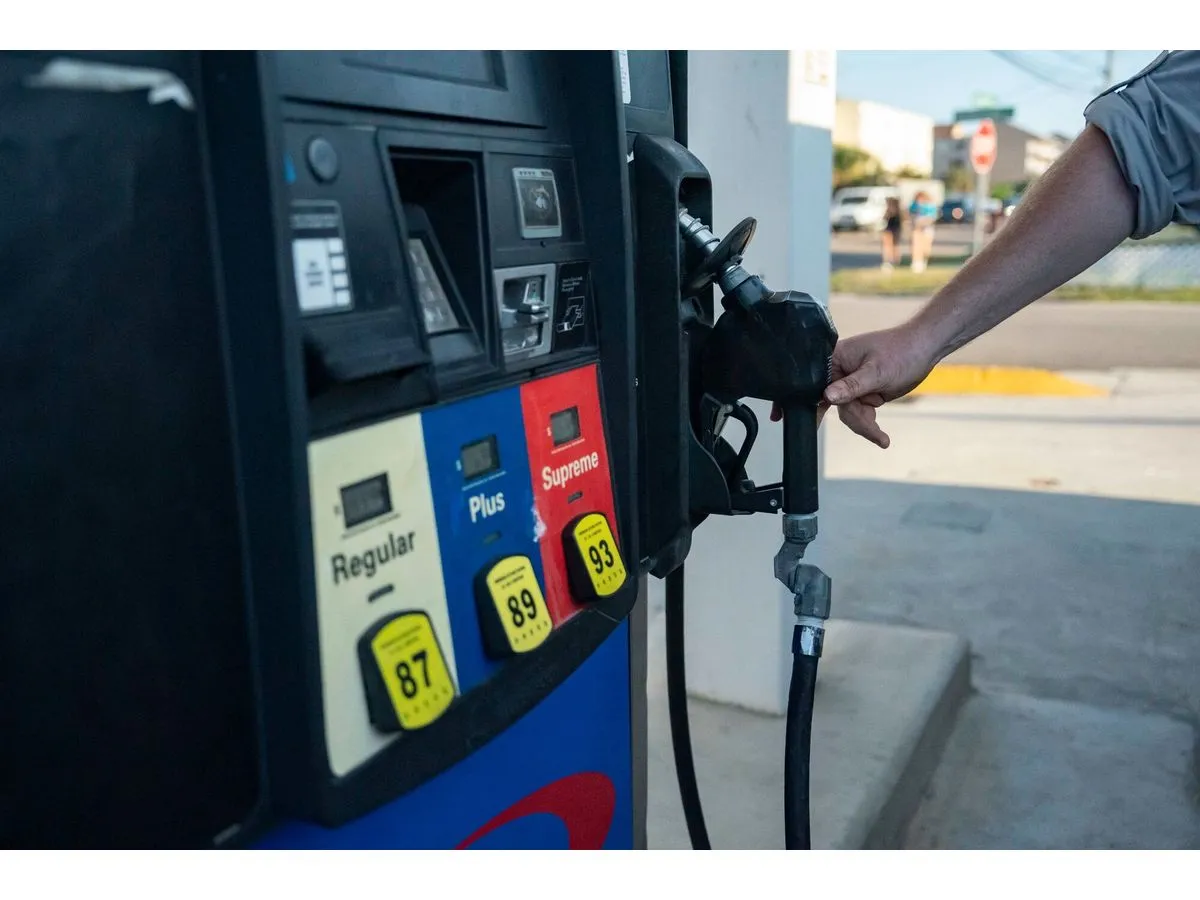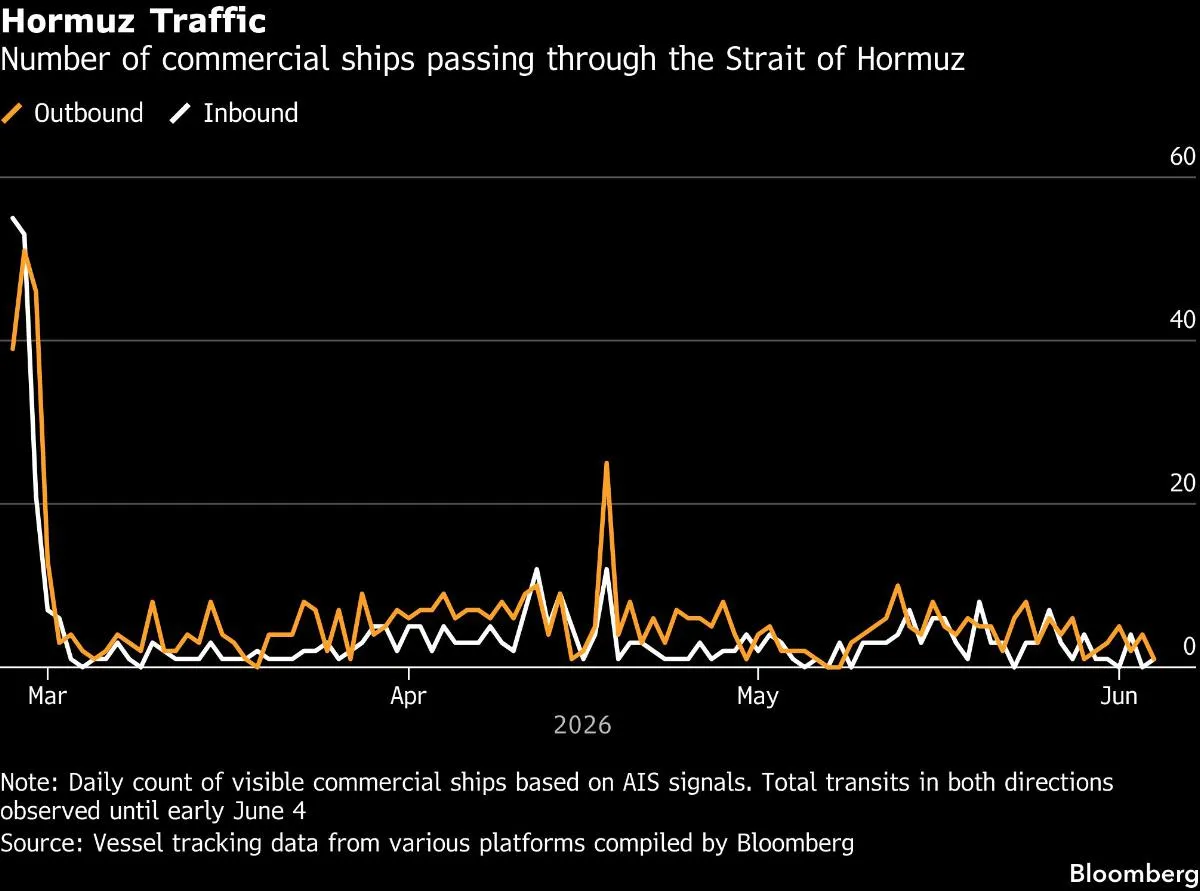
Skip to Content Subscribe Our Offers My Account Manage My Subscriptions FAQ Newsletters Canada Canadian True Crime Canadian Politics Health World Israel & Middle East Financial Post NP Comment Longreads Puzzmo Diversions Comics NP News Quiz New York Times Crossword Horoscopes Life Eating & Drinking Style Sponsored Play for Ontario Travel Travel Canada Travel USA Travel International Cruises Travel Essentials Culture Books Celebrity Movies Music Theatre Television Business Essentials Advice Lives Told Tails Told Shopping Buy Canadian Home Living Outdoor Living Kitchen & Dining Tech Style & Beauty Personal Care Entertainment & Hobbies Gift Guide Travel Guide Amazon Prime Day Deals Savings National Post Store More Sports Hockey Baseball Basketball Football Soccer Golf Tennis Driving Vehicle Research Reviews News Gear Guide Obituaries Place an Obituary Place an In Memoriam Classifieds Place an Ad Celebrations Working Business Ads Archives Healthing Epaper Manage Print Subscription Profile Settings My Subscriptions Saved Articles My Offers Newsletters Customer Service FAQ Newsletters Canada World Financial Post NP Comment Longreads Puzzmo Diversions Life Shopping Epaper Manage Print Subscription HomeNewsWorldFuel prices are slamming consumers even as crude crisis fadesIt's swelling costs for peak-season travellers and threatening to undermine President Donald Trump’s pledge to quash inflation ahead of midterm elections You can save this article by registering for free here. Or sign-in if you have an account.The gap between the cost of some refined products and raw crude is at a record in the U.S. and other regions even as global oil benchmarks have all but erased the spike driven by the Iran war. Photo by David Bloom/PostmediaPrices for gasoline, diesel and jet fuel are rebounding even as crude oil eases, a rare divergence that’s swelling costs for peak-season travellers and threatening to undermine President Donald Trump’s pledge to quash inflation ahead of midterm elections.Enjoy the latest local, national and international news.Exclusive articles by Conrad Black, Barbara Kay and others. Plus, special edition NP Platformed and First Reading newsletters and virtual events.Unlimited online access to National Post.National Post ePaper, an electronic replica of the print edition to view on any device, share and comment on.Daily puzzles including the New York Times Crossword.Support local journalism.Enjoy the latest local, national and international news.Exclusive articles by Conrad Black, Barbara Kay and others. Plus, special edition NP Platformed and First Reading newsletters and virtual events.Unlimited online access to National Post.National Post ePaper, an electronic replica of the print edition to view on any device, share and comment on.Daily puzzles including the New York Times Crossword.Support local journalism.Create an account or sign in to continue with your reading experience.Access articles from across Canada with one account.Share your thoughts and join the conversation in the comments.Enjoy additional articles per month.Get email updates from your favourite authors.Create an account or sign in to continue with your reading experience.Access articles from across Canada with one accountShare your thoughts and join the conversation in the commentsEnjoy additional articles per monthGet email updates from your favourite authorsSign In or Create an AccountorThe gap between the cost of some refined products and raw crude is at a record in the U.S. and other regions even as global oil benchmarks have all but erased the spike driven by the Iran war. Some analysts warn that consumers need to brace for more pain as a Russian export ban stemming from the conflict with Ukraine and renewed tensions in the Middle East squeeze supplies.“Refineries are already running at very high utilization rates,” said Jamie Torrance, who runs diesel and jet fuel trading at Trafigura Group, one of the largest global oil merchants. “Yet inventories are still drawing.”Get a dash of perspective along with the trending news of the day in a very readable format.By signing up you consent to receive the above newsletter from Postmedia Network Inc.A welcome email is on its way. If you don't see it, please check your junk folder.The next issue of NP Posted will soon be in your inbox.We encountered an issue signing you up. Please try againFor governments and central banks, fuel markets are a painful reminder of the inflationary fallout from Trump’s decision to go to war with Iran and failure to negotiate an end to Russia’s conflict with Ukraine. The president has pledged an investigation, but in the meantime companies including PepsiCo Inc. are blaming gasoline for slumping consumer demand and money managers at Vanguard Asset Management are buying insurance against stickier-than-expected US inflation because of costlier fuel.“President Trump and his energy team anticipated short-term market disruptions, communicated them openly to the American people, and implemented an aggressive plan to mitigate any impacts,” White House spokeswoman Taylor Rogers said in a statement. “Oil prices have dropped dramatically, and prices at the pump should follow.”Hedge funds were positioning for the run-up to continue before the US renewed attacks on Iran this week, with the most bullish bets on European gasoil since late March, data from ICE Futures Europe show. Expectations for soaring diesel prices emerged even while funds were the least bullish on Brent crude oil, the international benchmark, since December.The market for oil and refined products is global, but with regional variability. Supply shocks in one corner of the world often lead to higher prices thousands of miles away.The most significant recent shift has been in Russia, which banned diesel exports after months of Ukrainian attacks on its refineries caused domestic shortages. Russia is the world’s second-largest diesel exporter after the US, accounting for 11 per cent of global shipments.Traders say that countries that have relied on Russian supplies, such as Brazil and Turkey, have been in a bidding war for non-Russian supplies in recent days.Fuels are “the much more concerning part of the picture at the moment,” said Isabelle Gilks, director of oils research at energy consulting firm Wood Mackenzie. “Russia is sort of the straw that could break the camel’s back.”At the same time, a recent flare-up in fighting around the Strait of Hormuz as Trump declares a ceasefire over is threatening to exacerbate the problem. Flows of refined products through the strait, about five million barrels a day before Trump attacked Iran, have hovered near 1 million barrels a day recently, Citigroup Inc. analysts including Max Layton wrote in a note.Stretched ThinThe tightening in supply has emerged amid the peak of demand for the Northern Hemisphere’s traditional summer vacation season.In the U.S., regular unleaded gasoline cost an average of $3.88 a gallon as of July 10, according to the American Automobile Association — the third-highest price on record for this time of year. Diesel prices are the second-most expensive for this time of year on record. And while jet fuel costs have abated some, higher airfares remain persistent as airlines look to recoup costs from the early months of the war.In Europe, scorching heat has threatened the ability of refineries to make fuel at full capacity. Limits to the efficiency of their cooling and condensation systems means they have to cut output by as much as 15 per cent during a heatwave.Refiners have operated at maximum capacity in the U.S. for months straight, running the risk of mechanical breakdowns that could stifle production. Hurricane season in the southern US, which runs from June to November, is another risk for refinery shutdowns.Those risks are looming at a time when inventories have been run down after four months of the war in Iran. In the US, stockpiles of distillates, primarily diesel, are just off all-time seasonal lows, declining at a time of year when they typically build. In Europe, there have been early signs that some governments are looking to rebuild strategic reserves — adding to demand in the market.To be sure, some of the soaring prices for U.S. fuels also owe to record-high costs for credits for refiners to remain in compliance with the country’s renewable fuel standard.The White House also touted moves aimed at easing the supply disruptions including temporarily suspending a century-old shipping mandate and waiving some gasoline blending requirements.And earlier warnings about crises in the fuel market, such as predictions of jet fuel shortages, proved misplaced, as refiners responded by boosting production. Now, traders and analysts say, supplies of jet fuel are relatively comfortable — so much so that it may make sense to blend some of it into diesel to boost supplies of that fuel.China, a key supplier of fuel throughout Asia, authorized larger-scale exports of fuel this week for the first time since March.Traders are watching closely to see if the recent flare-up in tensions in the Middle East prompts China to slow exports, or whether elevated regional refining margins will drive further shipments from China and elsewhere in Asia over the coming weeks and months.“China exporting additional refined products should alleviate some of the pressure, but we need this to sustain,” said the Trafigura trader Torrance. “Otherwise there will be price appreciation across diesel and gasoline to a level where demand eventually falls.”—With assistance from Nicholas Lua, Rachel Graham, Grant Smith and Jeff Mason.Our website is the place for the latest breaking news, exclusive scoops, longreads and provocative commentary. Please bookmark nationalpost.com and sign up for our daily newsletter, Posted, here. Join the Conversation This website uses cookies to personalize your content (including ads), and allows us to analyze our traffic. Read more about cookies here. By continuing to use our site, you agree to our Terms of Use and Privacy Policy.
Fuel prices are slamming consumers even as crude crisis fades
The gap between the cost of some refined products and raw crude is at a record in the U.S.
1,555 words~7 min read