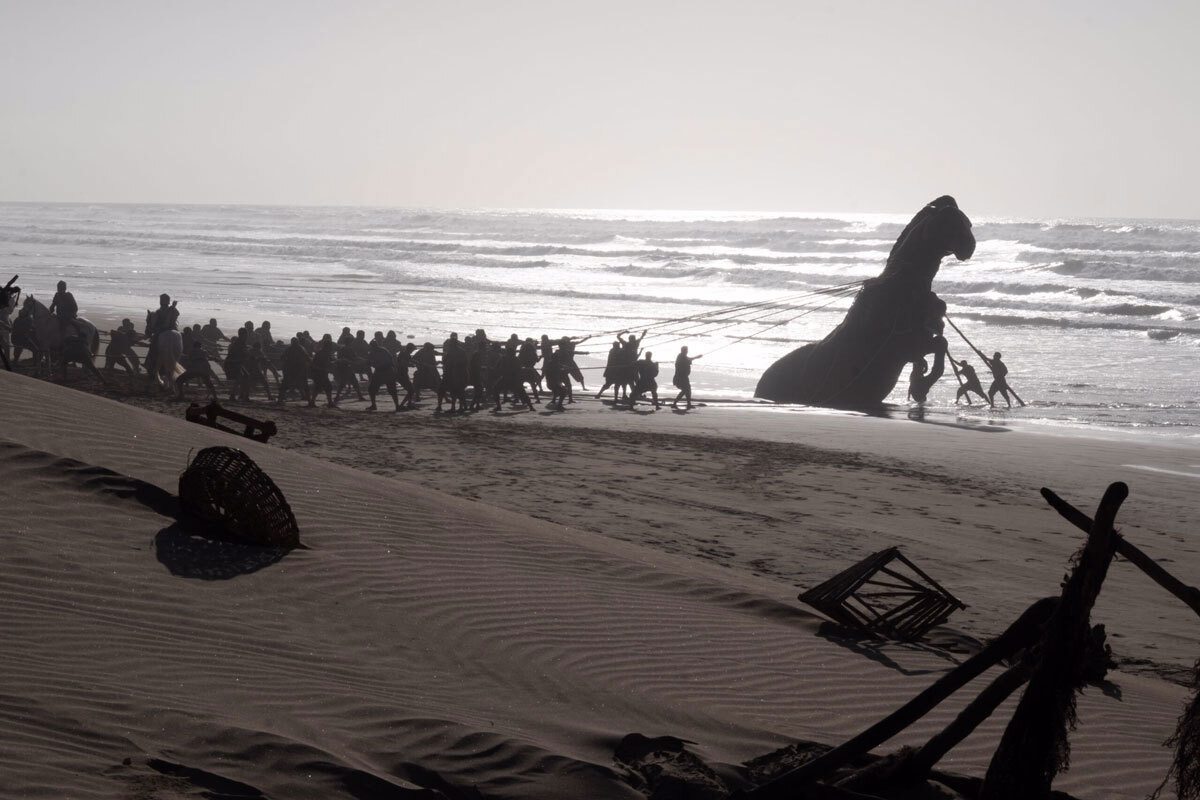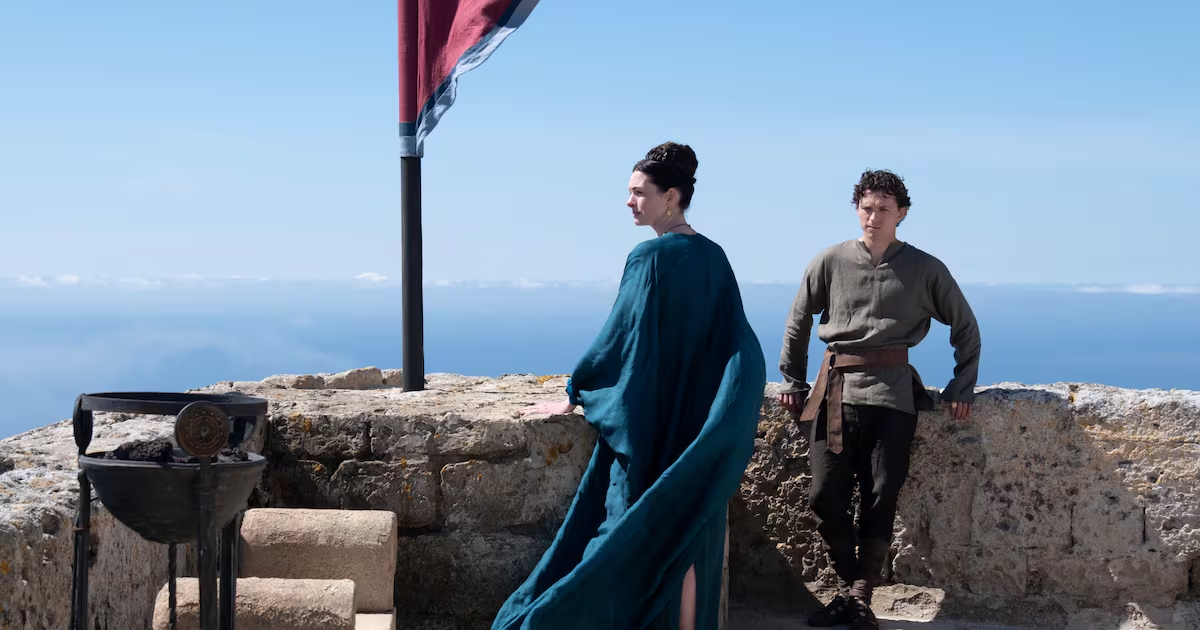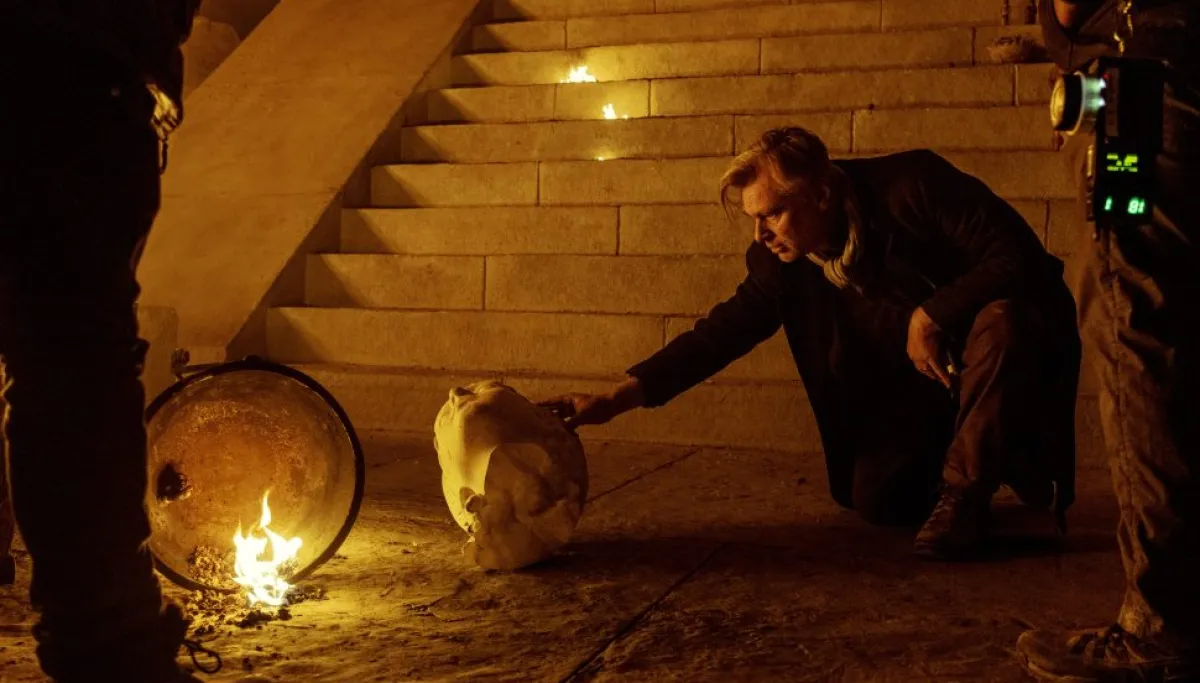
Christopher Nolan has built much of his career around men confronting forces larger than themselves: time, war, memory, guilt, gravity and the consequences of ambition.
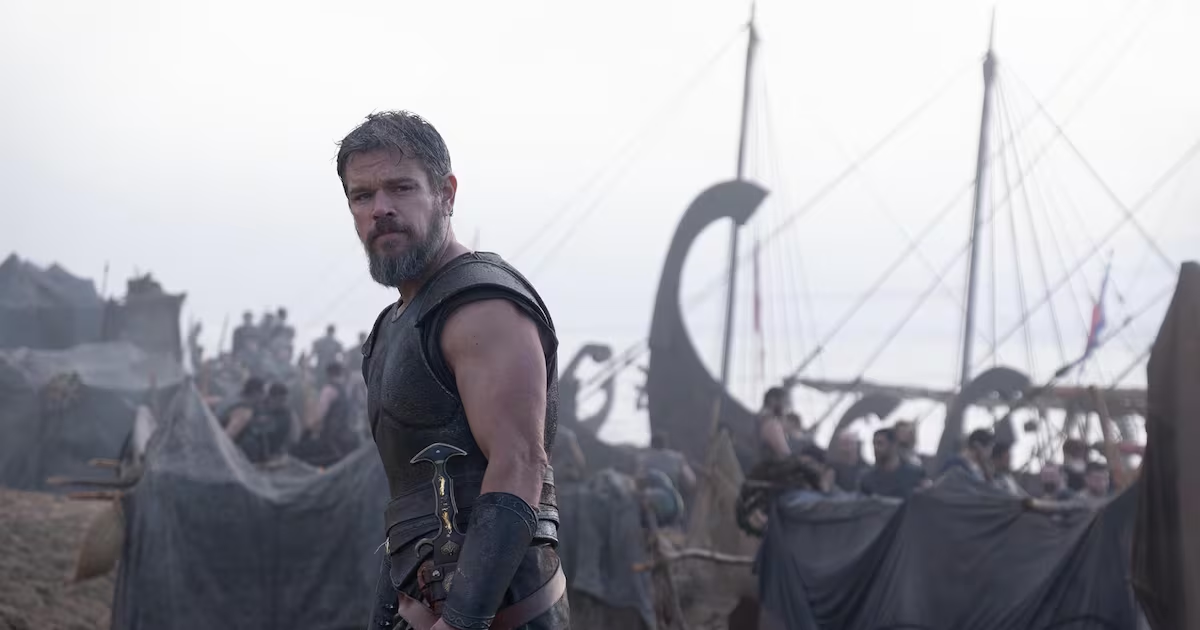
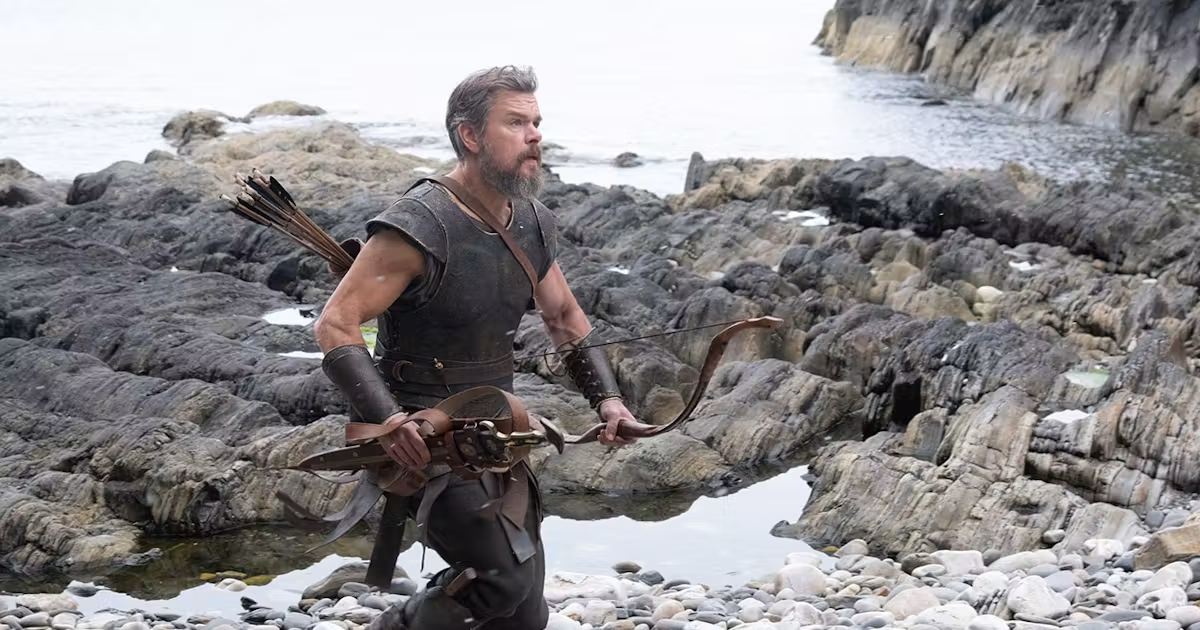
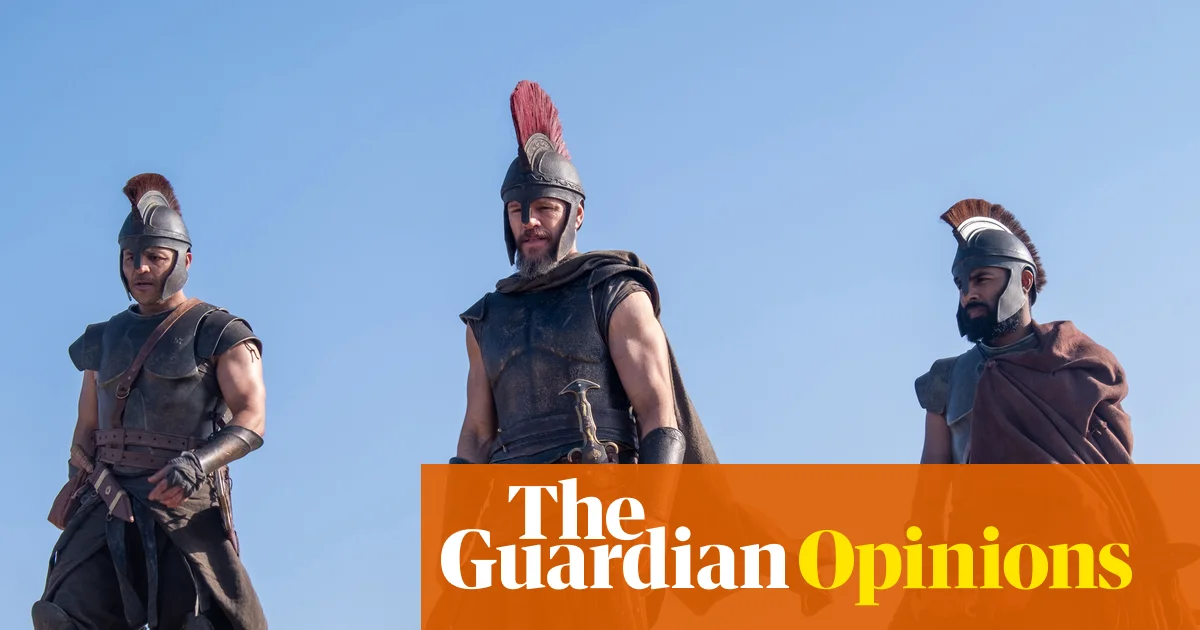
In The Odyssey, he turns to one of Western literature’s foundational stories: Odysseus’s struggle to return to Ithaca after the destruction of Troy.
Yet one of the production’s most consequential choices occurred outside the narrative.
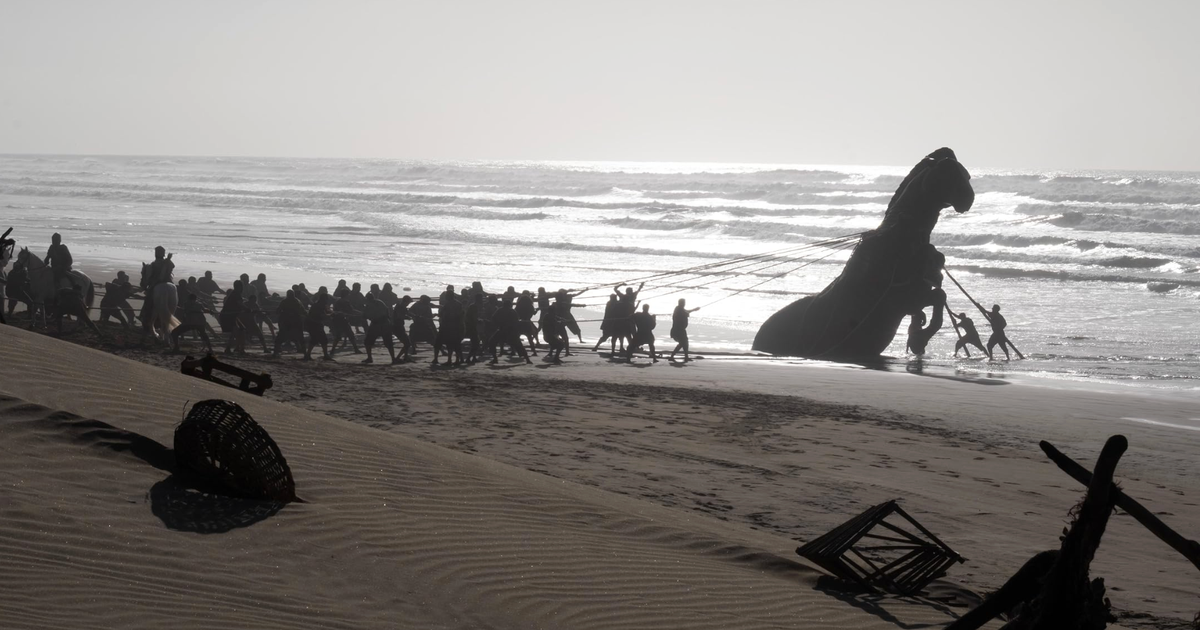
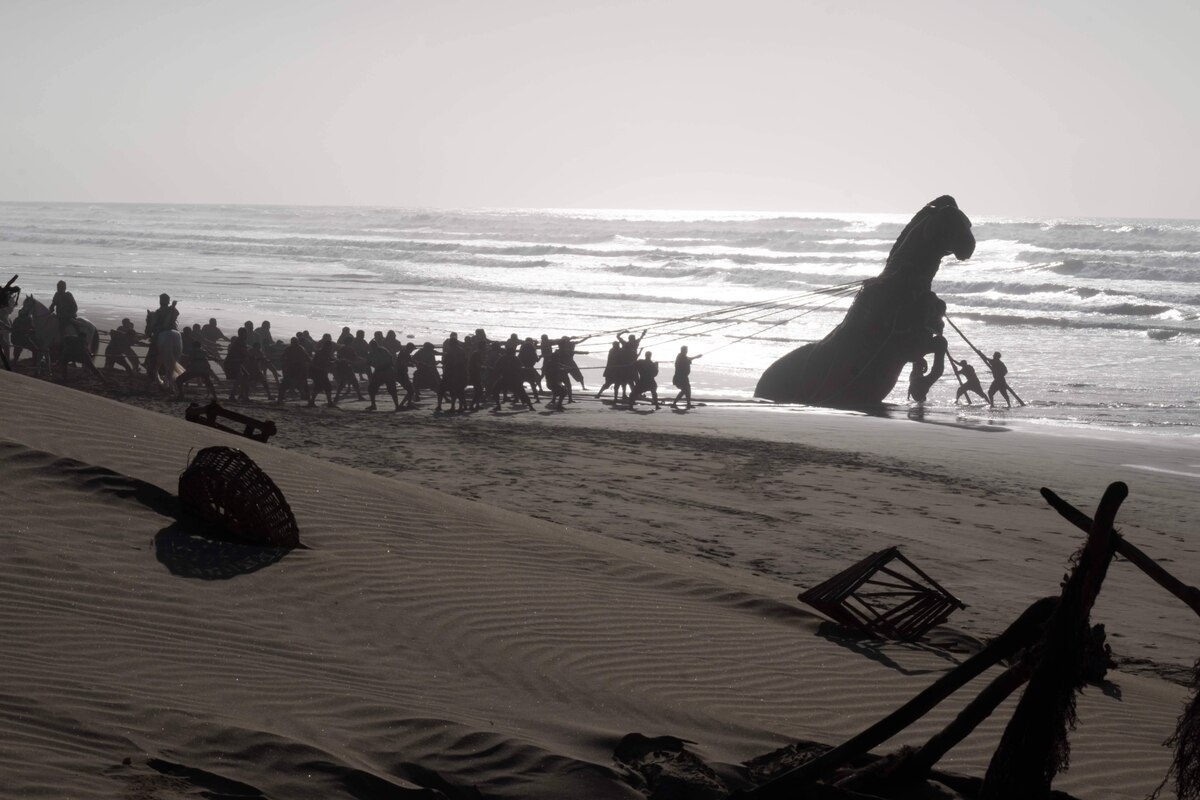
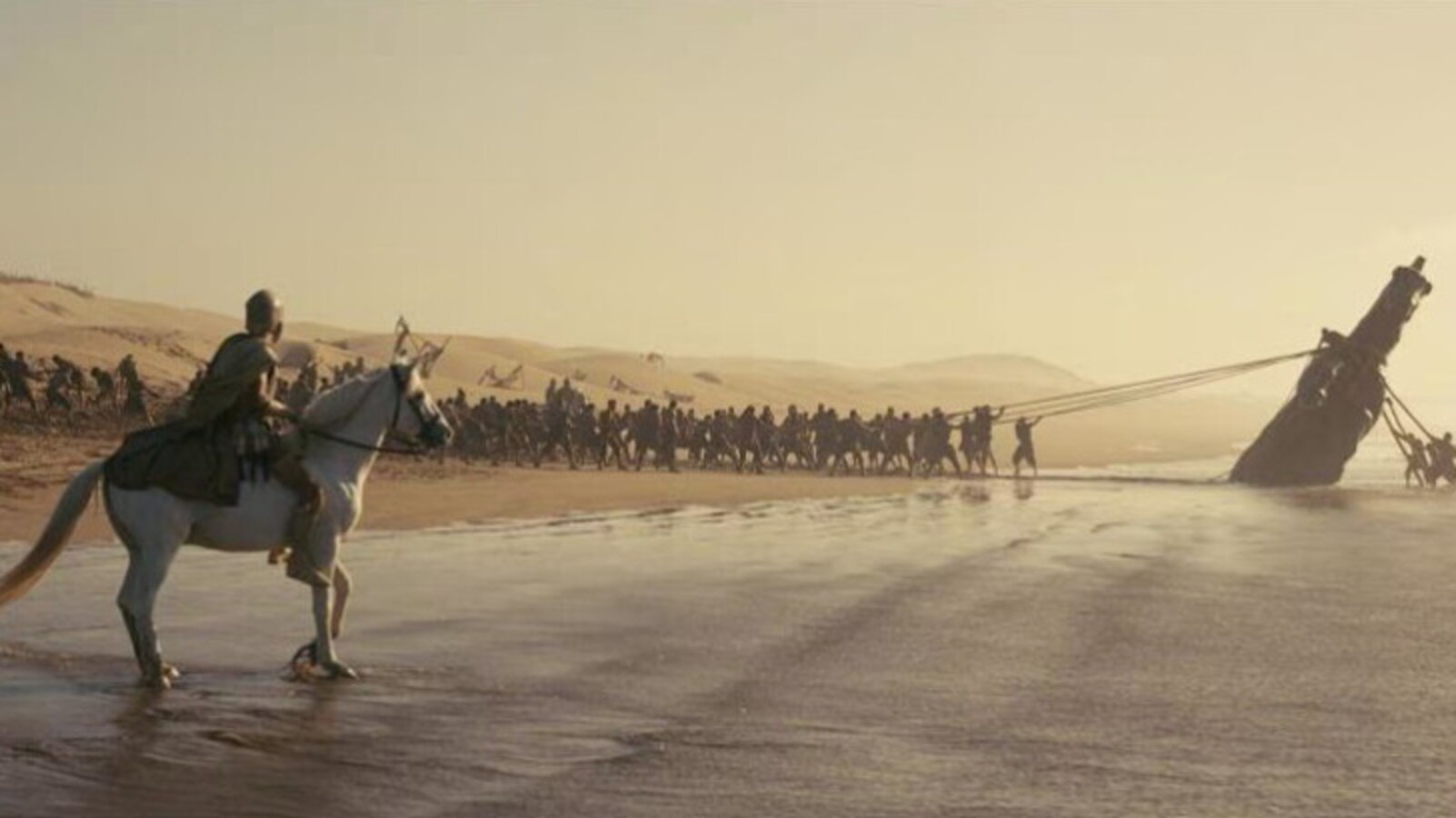
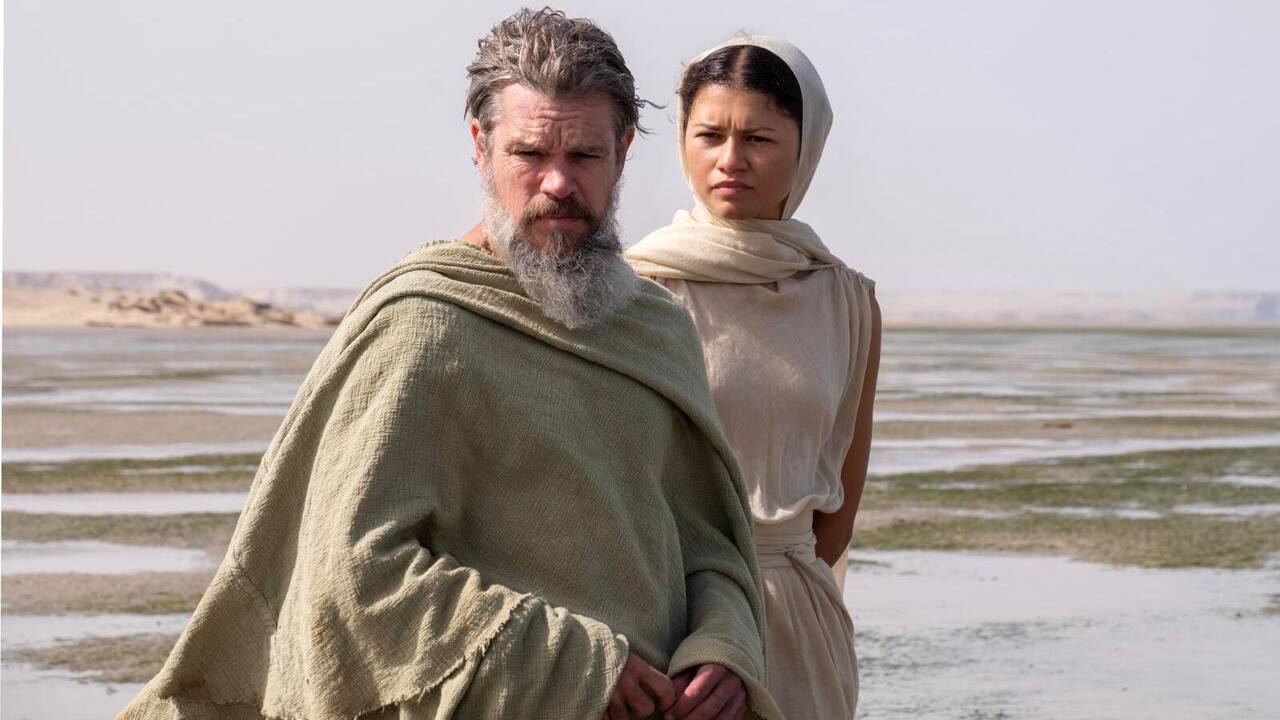
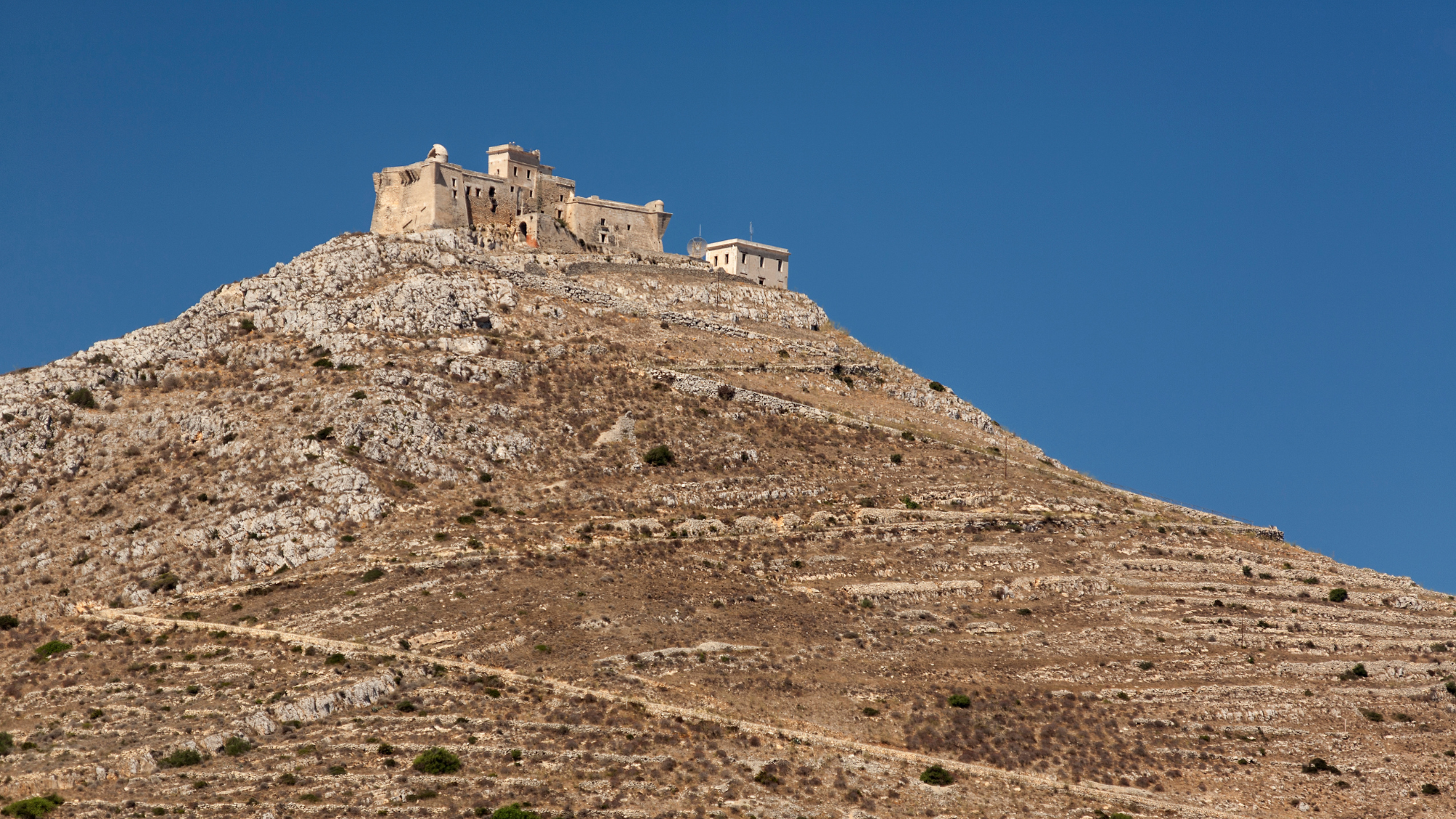
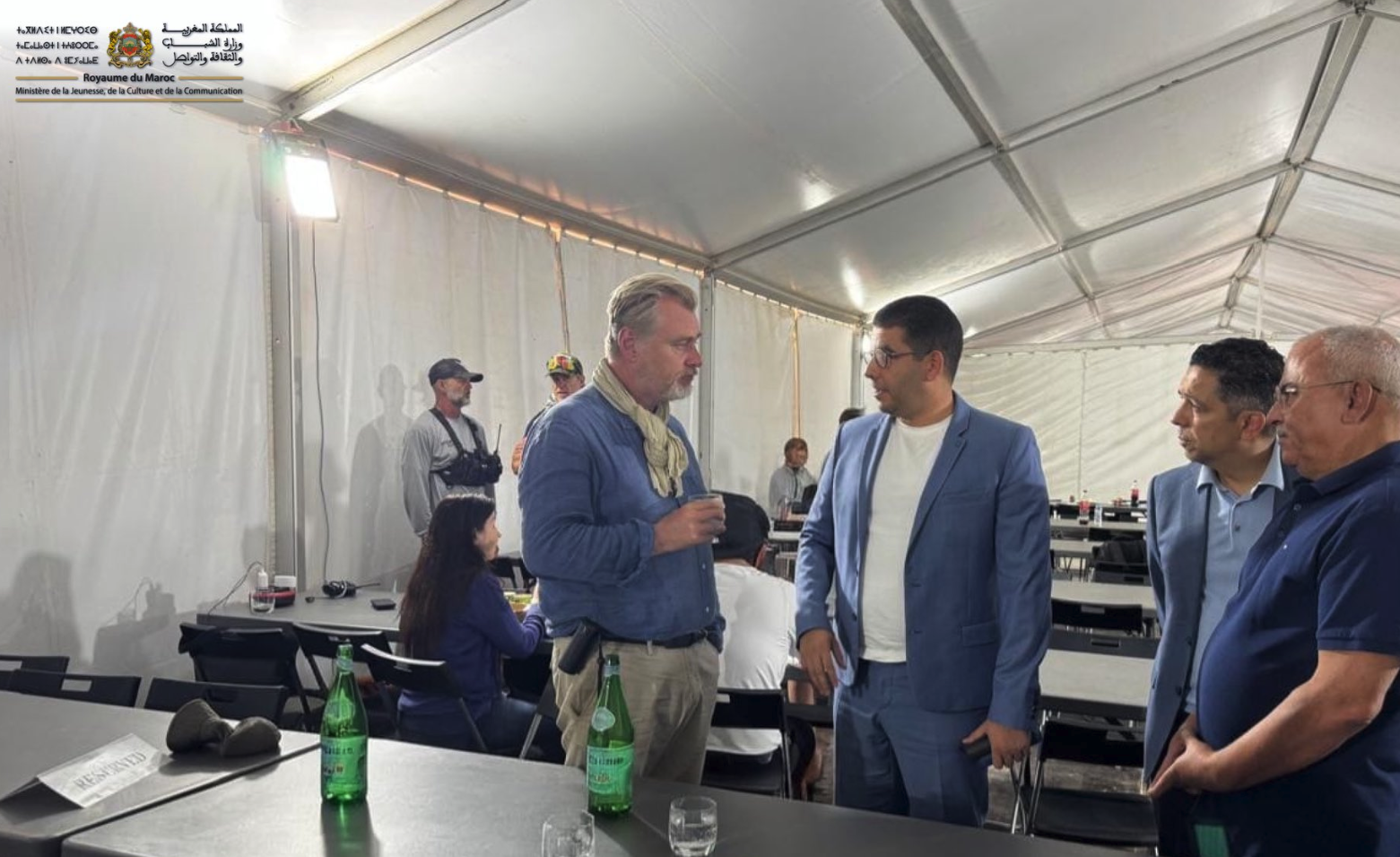
Part of the film was shot near Dakhla, in Western Sahara, a territory controlled by Morocco but still listed by the United Nations as a Non-Self-Governing Territory whose final status remains unresolved.
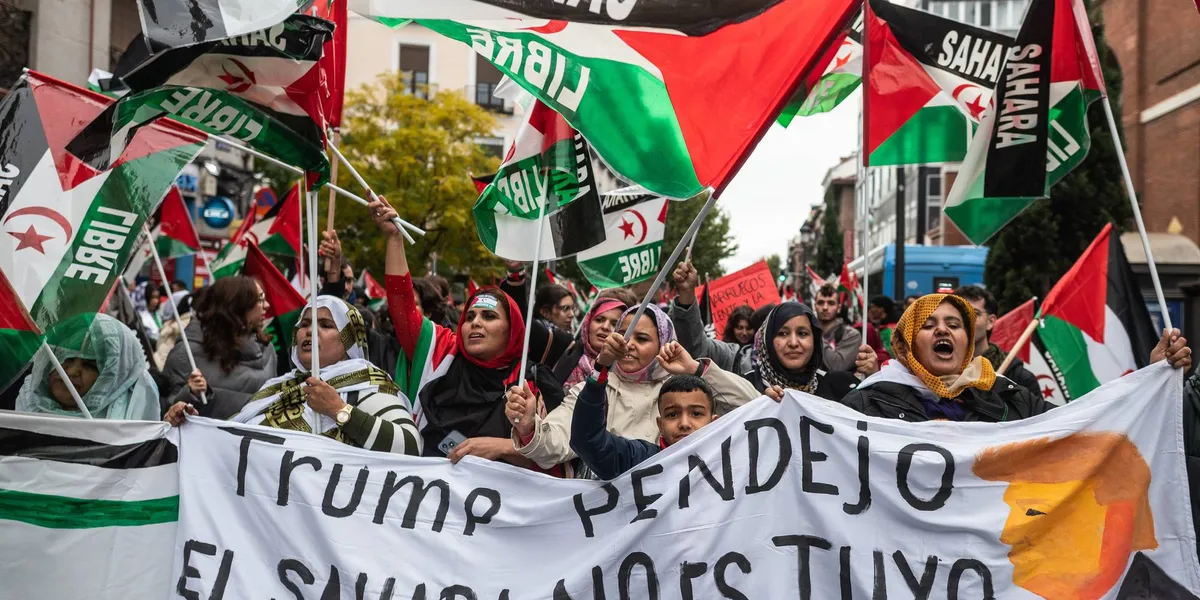
That choice creates a contradiction cinematic spectacle cannot conceal. Nolan filmed a story about exile, separation and the struggle to return home on the land of a people who have spent half a century divided between refugee camps, exile and life under Moroccan control.