Academia
The World Cup offers far more than sporting entertainment; it offers a mirror through which humanity may examine itself.
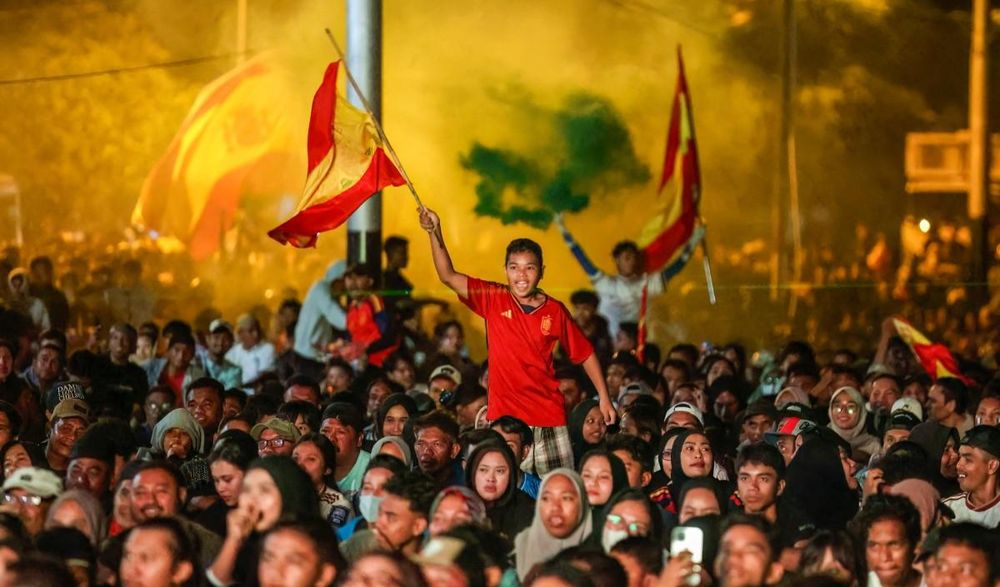
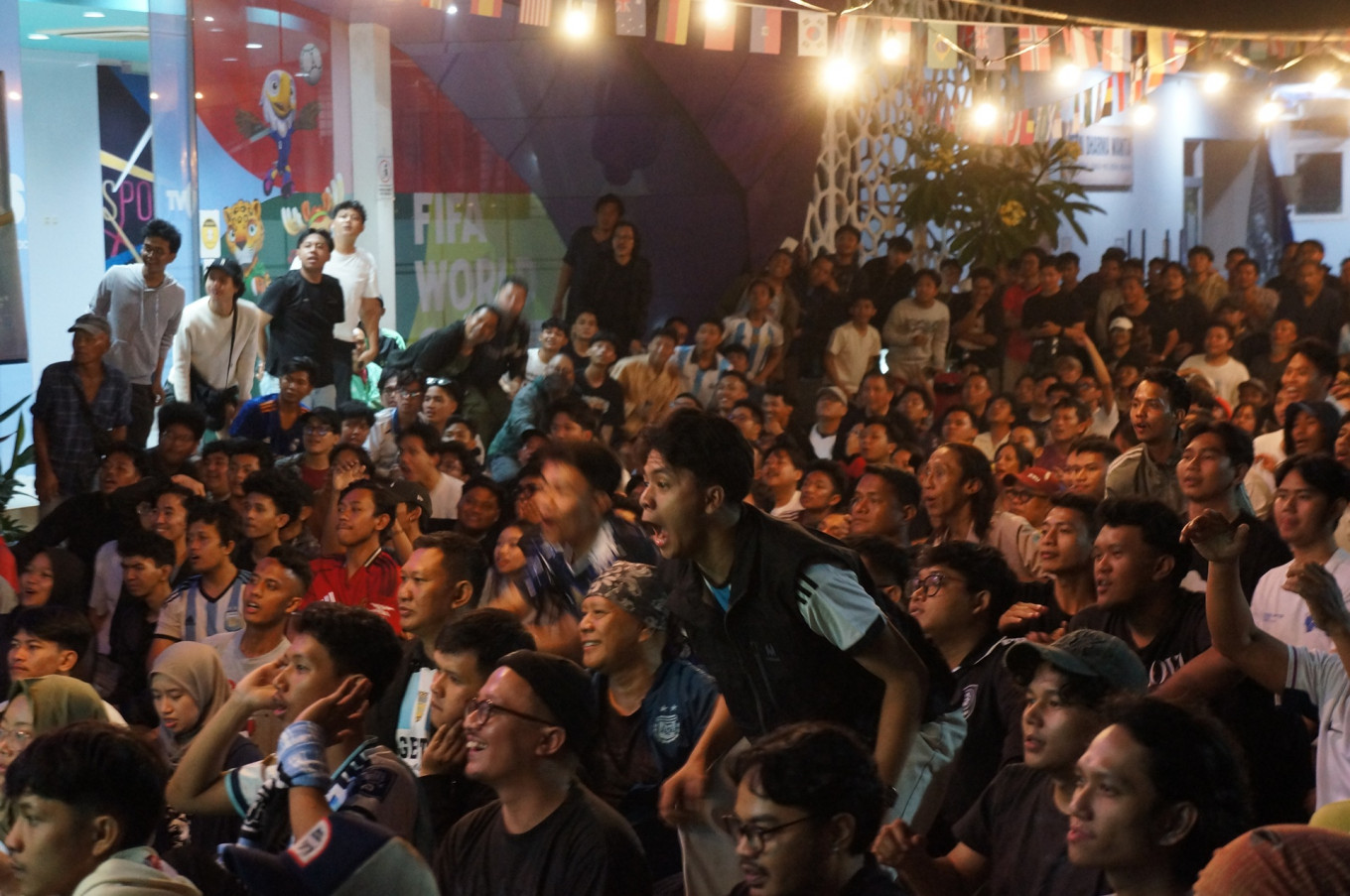
An Argentina supporter reacts during the public screening of the World Cup 2026 semifinal between England and Argentina at the headquarters of state-owned broadcaster TVRI in Senayan, Central Jakarta, on July 16, 2026. (JP/Nur Janti)
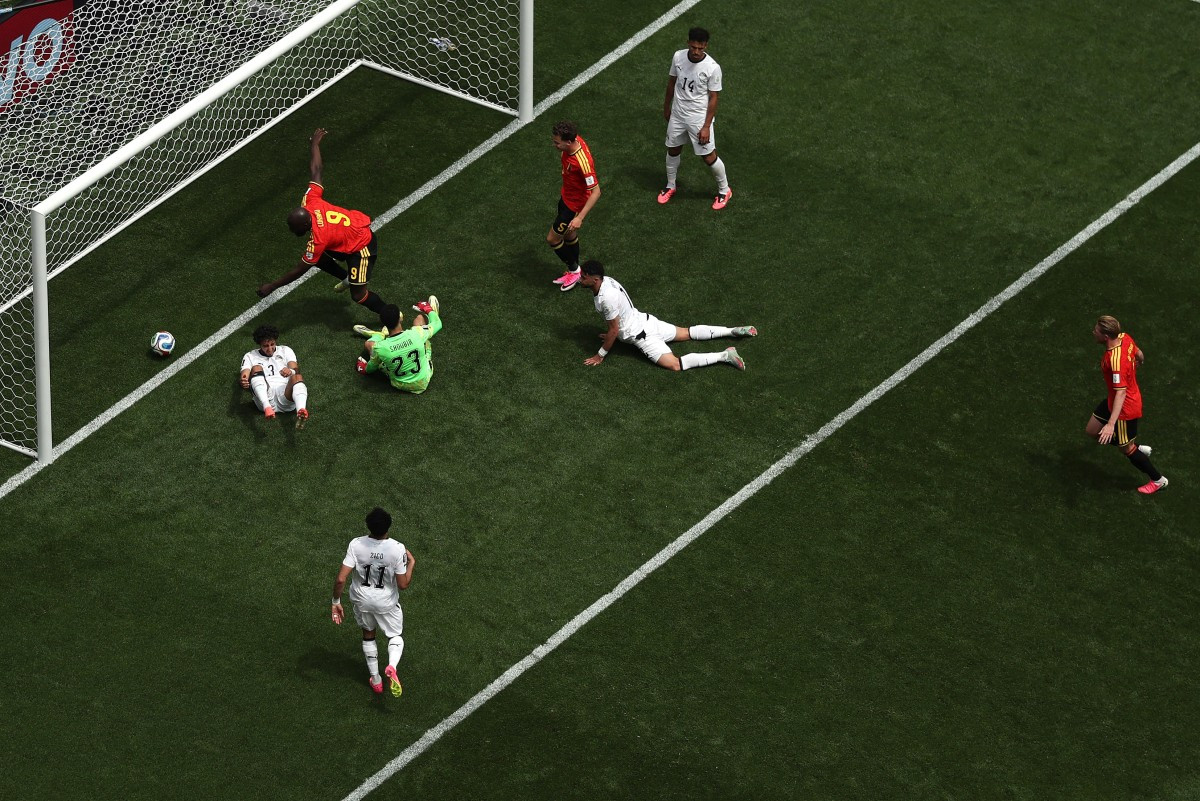
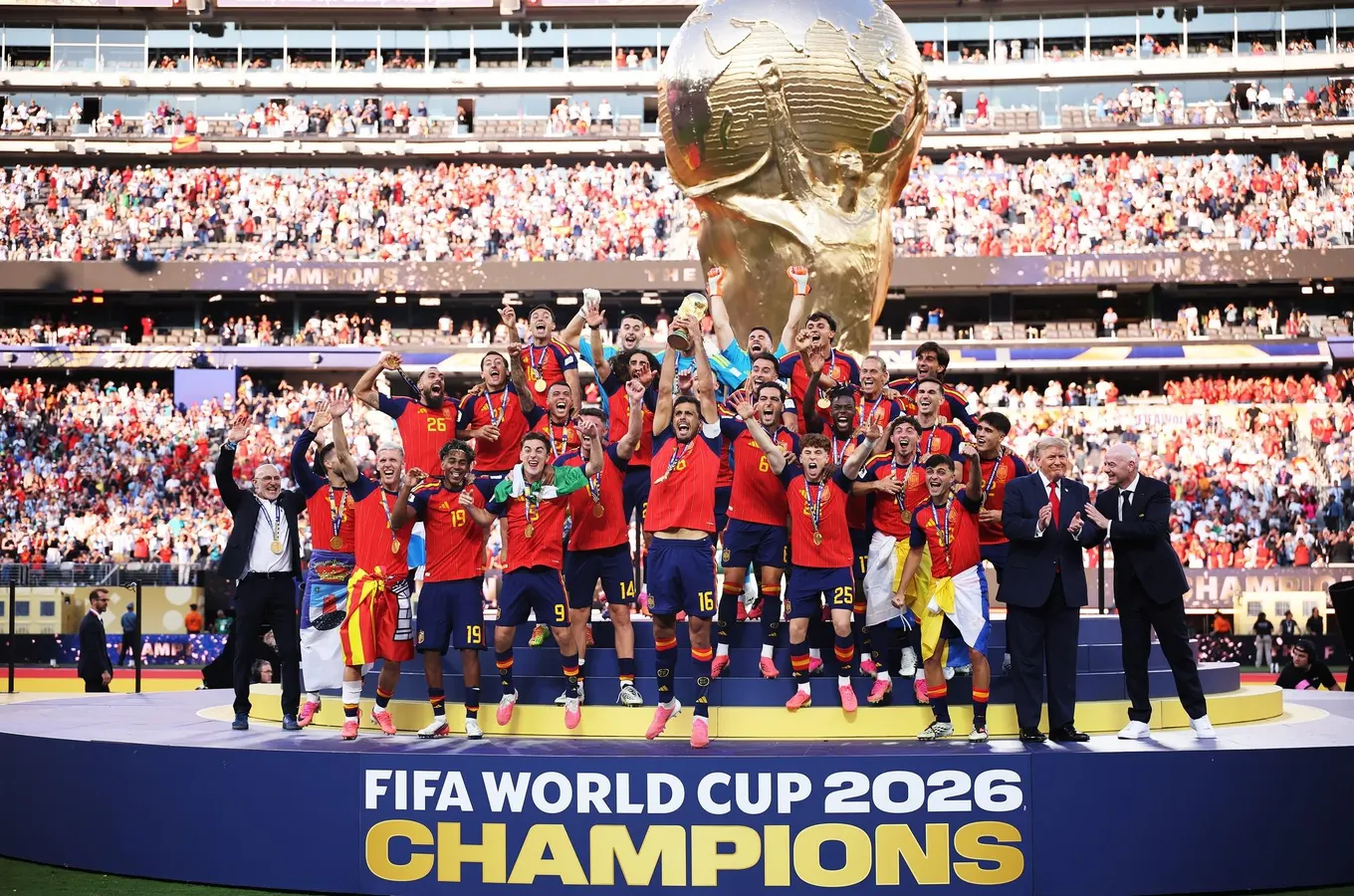
The FIFA World Cup 2026 has once again demonstrated that soccer has transcended the boundaries of sport. It has evolved into a universal language of humanity, a global stage where intelligence, strategy, emotion, nationalism, economics, media, politics and moral responsibility converge. In a single match, billions of people celebrate, weep, hope, admire and sometimes condemn.The road to the final between Argentina and Spain became one of the defining moments of the tournament. Yet beyond the beauty of soccer itself, countless narratives emerged across the global public sphere. Many praised tactical brilliance, technical excellence and the mentality of champions. Others questioned refereeing decisions, media influence, political interests and even circulated conspiracy theories through social media.
This illustrates one of the defining characteristics of the digital age: achievement is no longer judged solely by performance on the field. It is equally shaped by public perception.