Audio By Vocalize
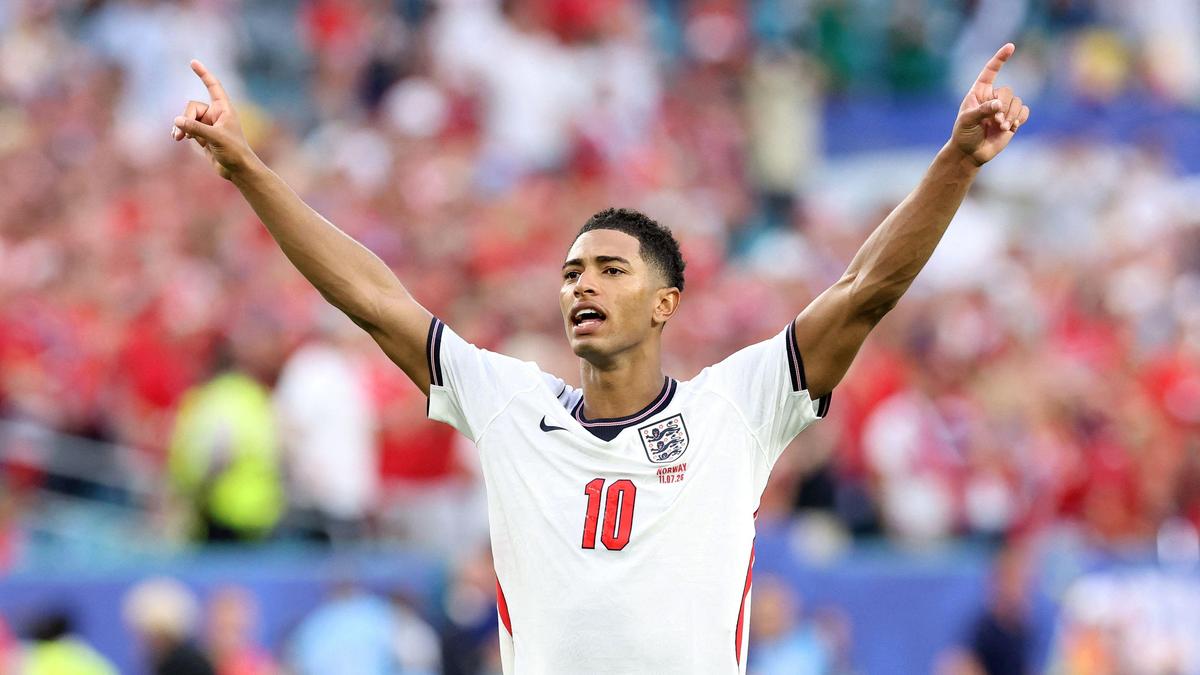
England's midfielder Jude Bellingham and England's forward Harry Kane hug after losing the 2026 World Cup football tournament semi-final match against Argentina at the Atlanta Stadium in Atlanta on July 15, 2026. [AFP]
As football fans across the world turn their attention to the 2026 World Cup, we are reminded that every tournament brings champions, heartbreaks and unforgettable underdog stories. The 2026 edition has also reminded us that football can become national therapy for countries carrying wounds of war, political crisis, displacement, sanctions or post-conflict memory.
This does not mean conflict makes countries better at football. That is a myth. War destroys institutions, weakens leagues, displaces families and interrupts talent development. Most conflict-affected countries do not qualify for the World Cup. But when they do, their presence on the global stage becomes more than sport. It becomes a moment of national breathing, a rare space where citizens can gather around one flag.
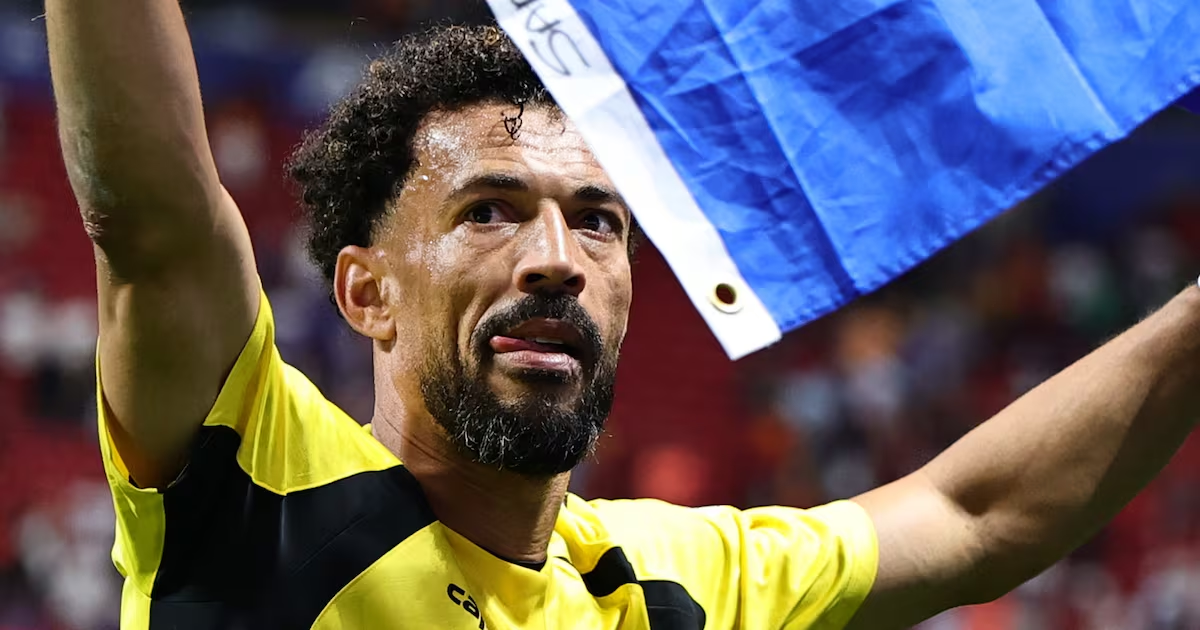
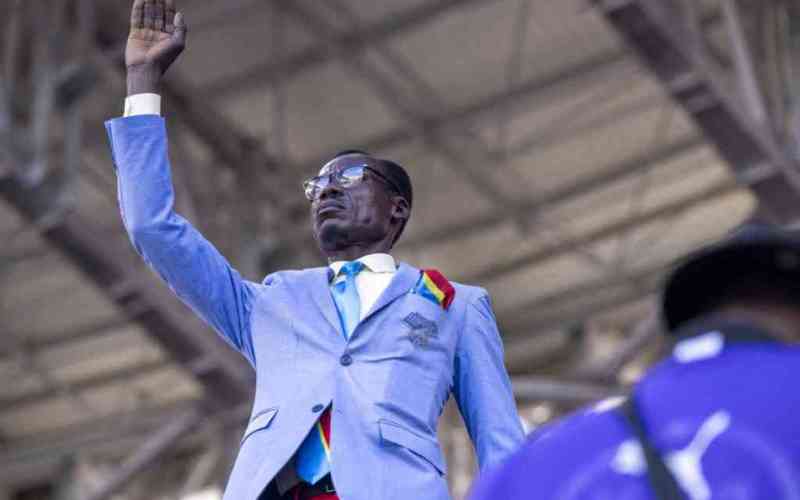
The Democratic Republic of Congo is one of the strongest examples from the 2026 World Cup. After a 52-year absence from the tournament, DR Congo returned not as passengers, but as a serious and spirited team. They drew 1-1 with Portugal, scored their first World Cup goal as DR Congo, beat Uzbekistan 3-1 to reach the round of 32, and then pushed England before losing 2-1 after leading for much of the match.