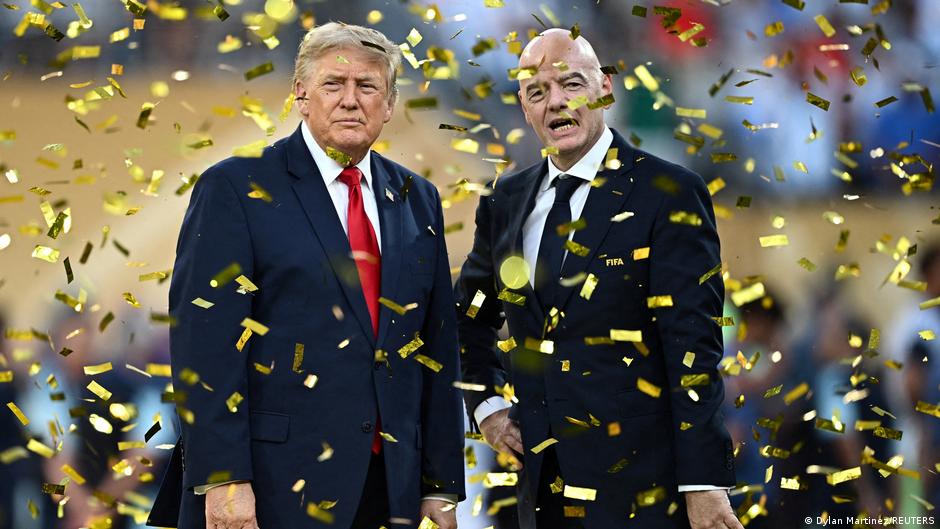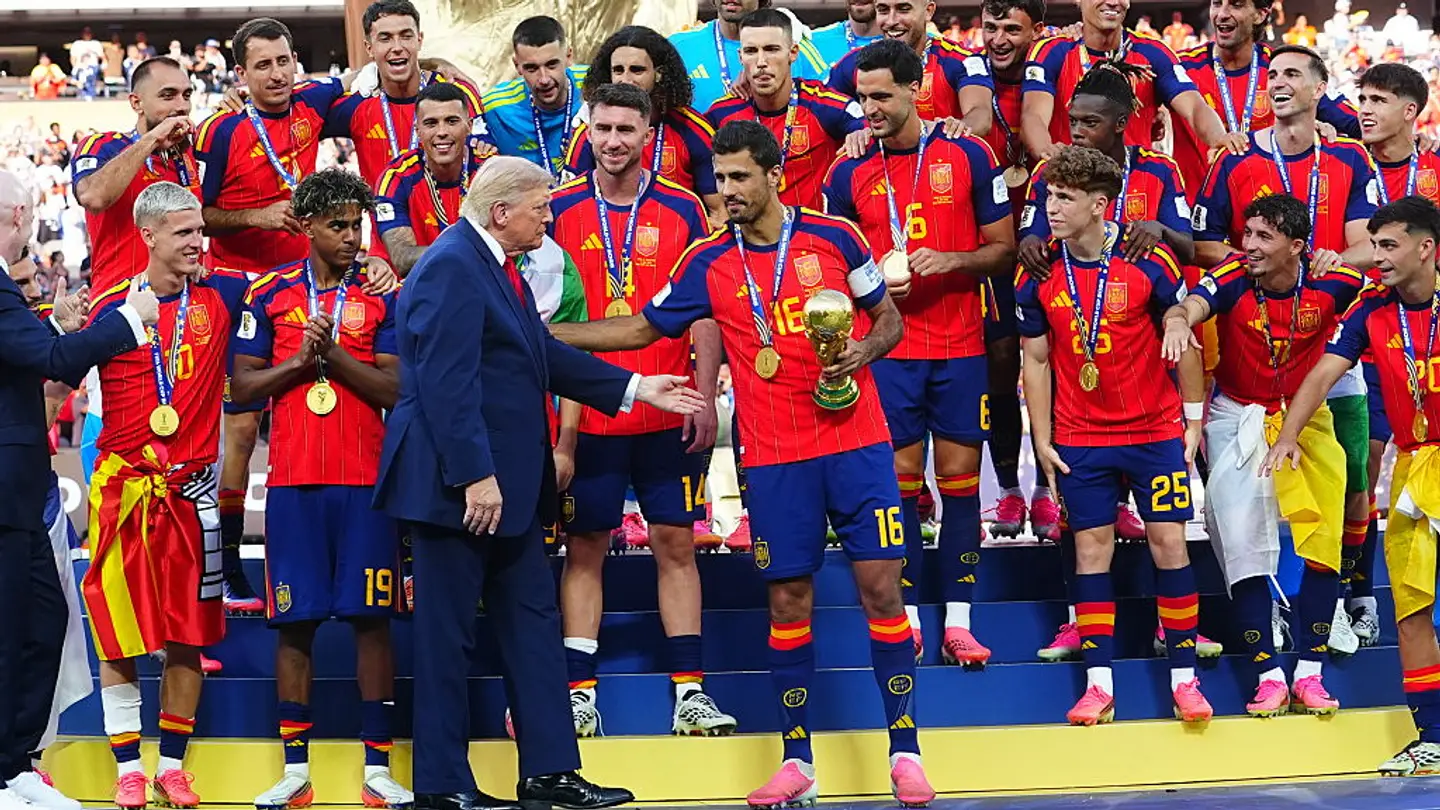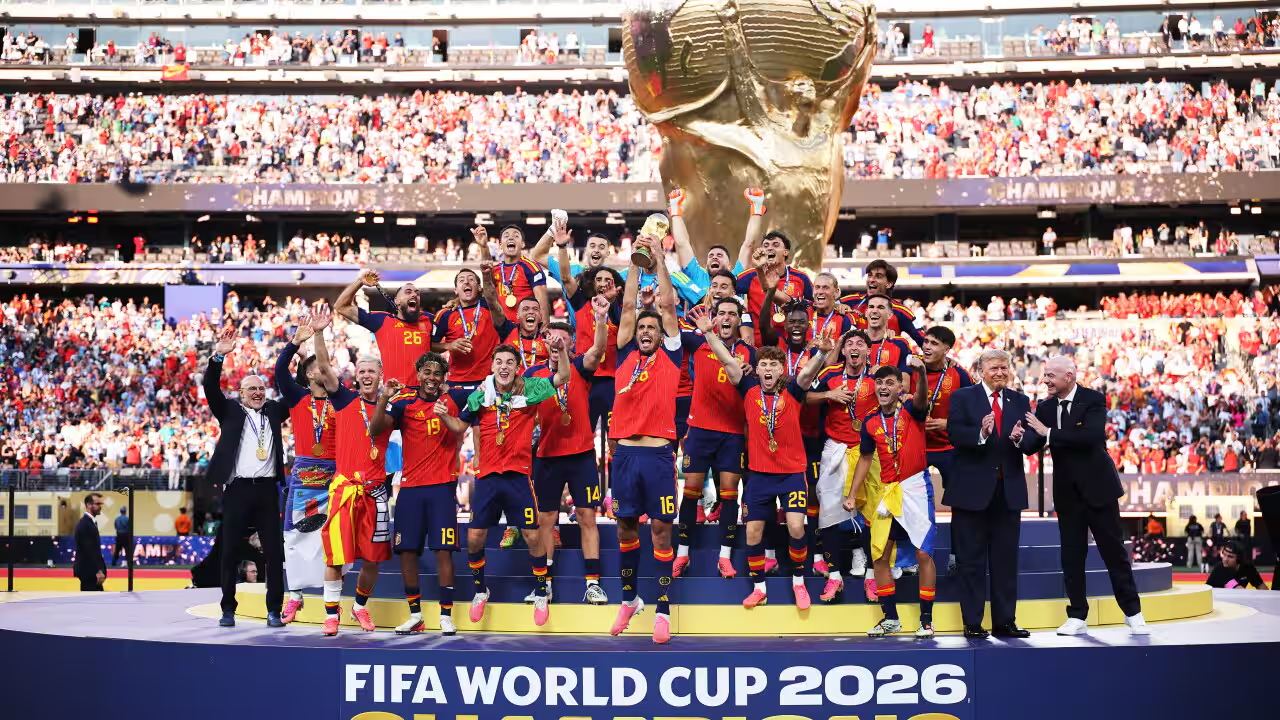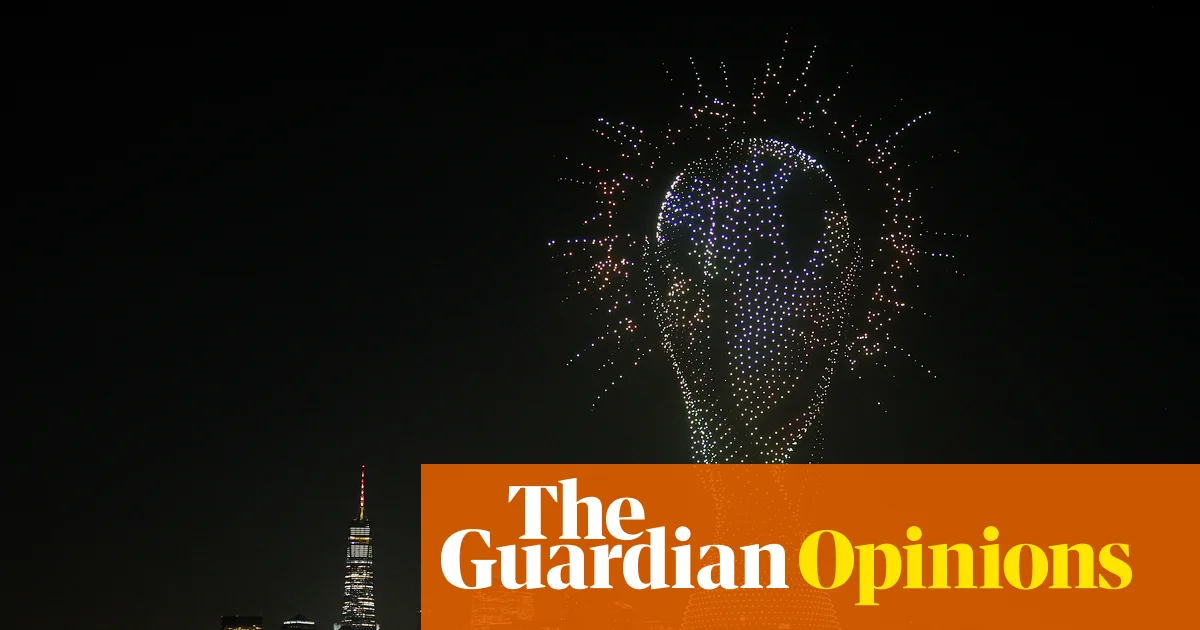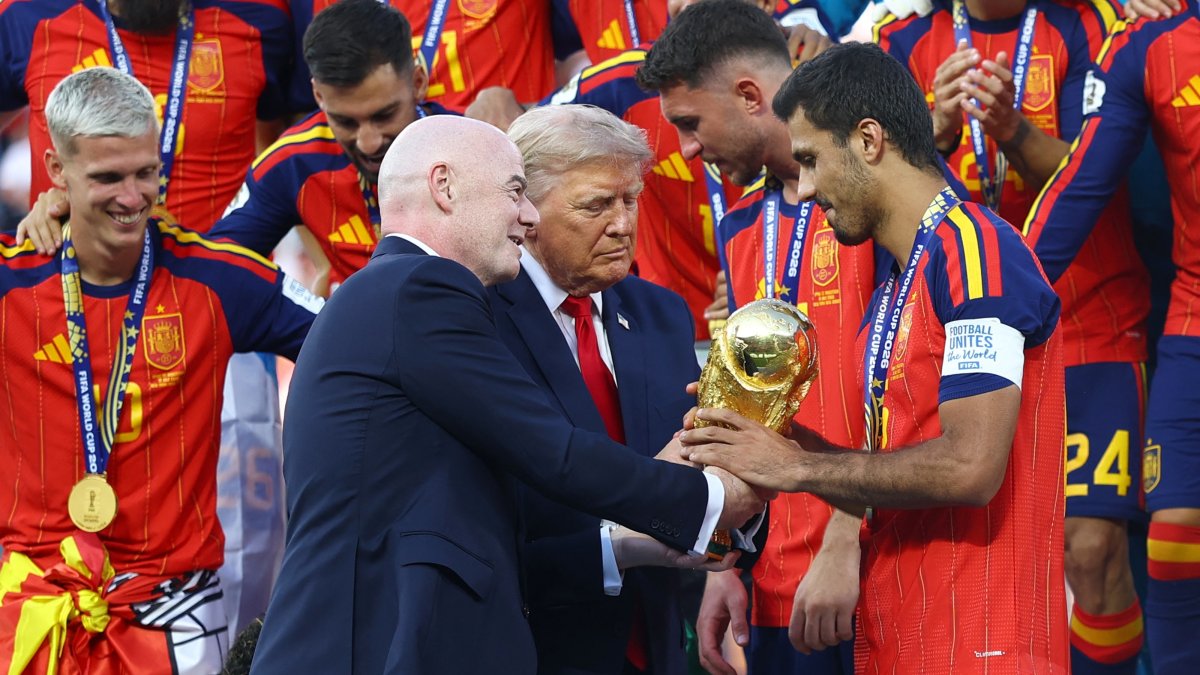
The 2026 FIFA World Cup will be remembered as the biggest tournament football has ever staged. It shattered attendance records, expanded the field to 48 teams, generated unprecedented revenue and ended on Sunday with Spain reclaiming the title after Ferran Torres' extra-time winner against Argentina in the final at MetLife Stadium.
Yet beneath the spectacle, the monthlong tournament exposed difficult questions about FIFA's priorities, from commercialization and political influence to climate concerns, fan accessibility and player welfare.
Whether the tournament represented football's future or a warning about its direction remains one of its defining debates.
Costly expansion
For the first time, 48 nations competed for the World Cup, increasing the tournament from 64 to 104 matches across the United States, Mexico and Canada.