Audio By Vocalize
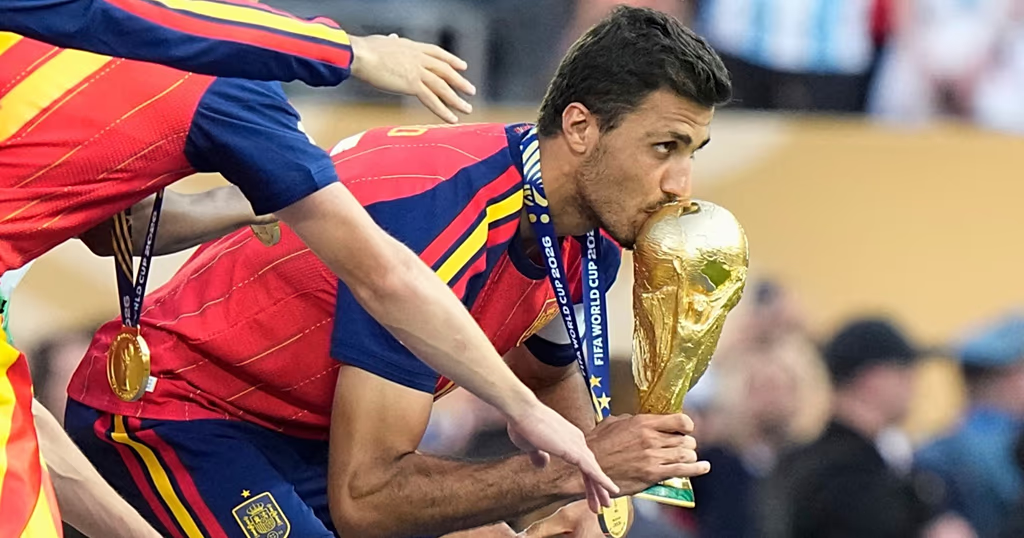
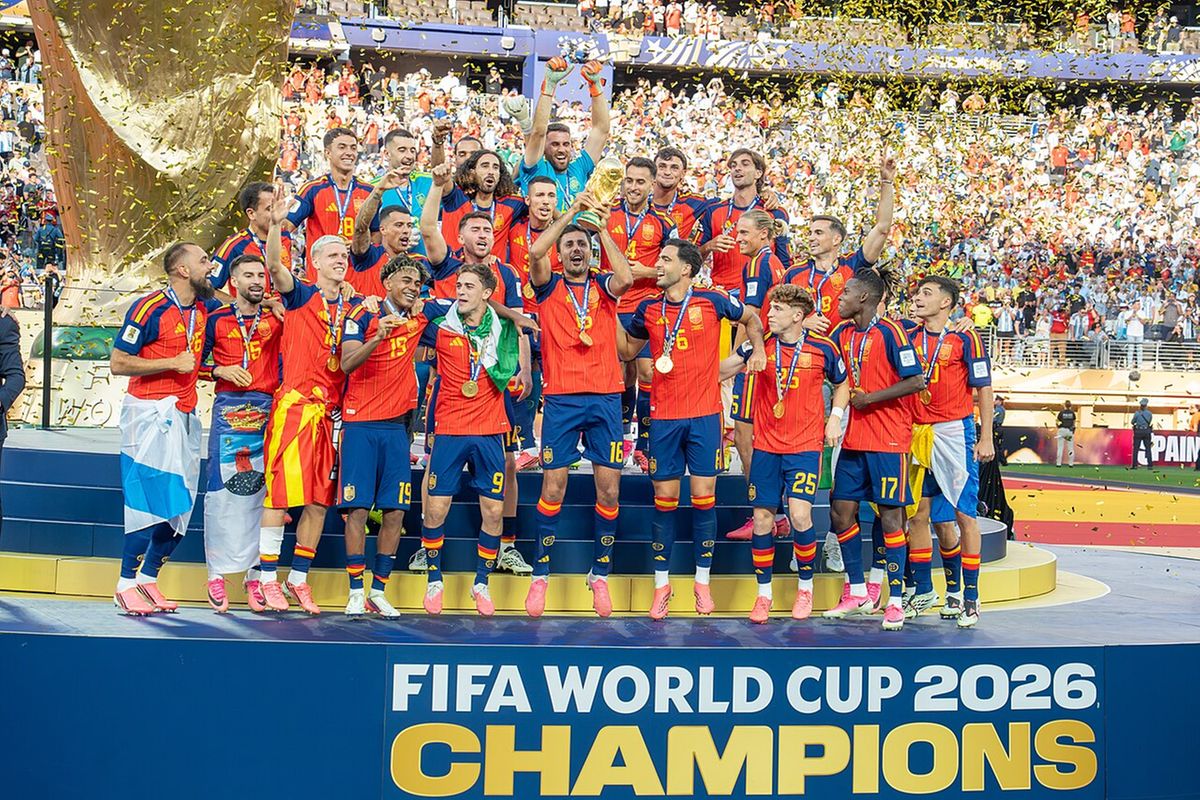
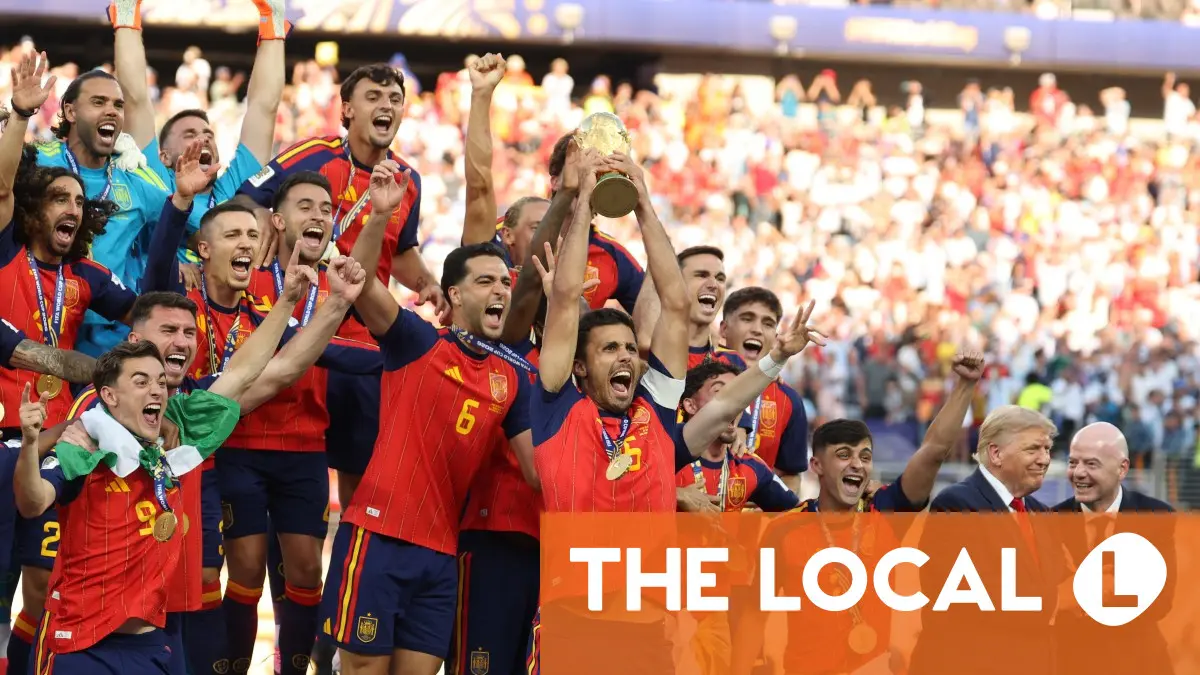
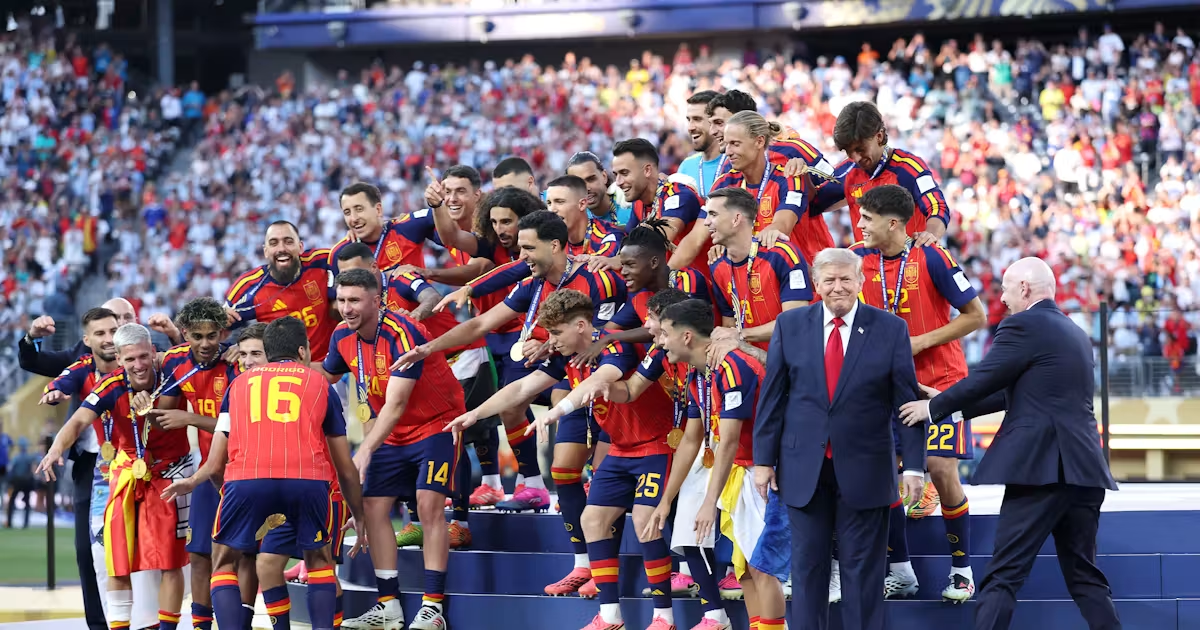
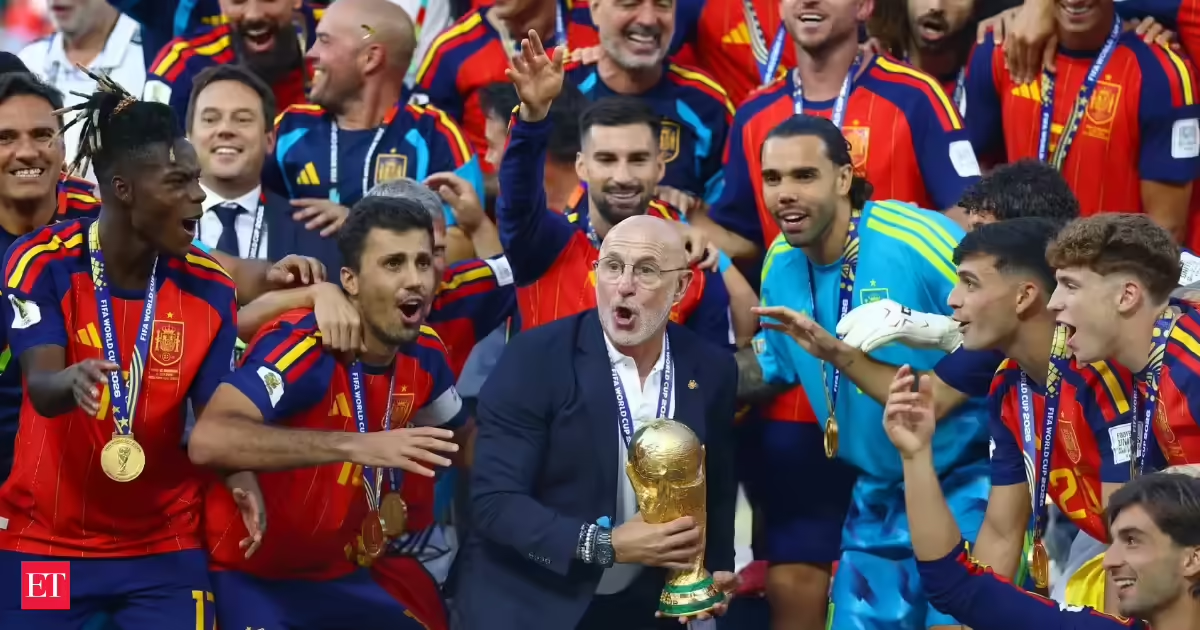
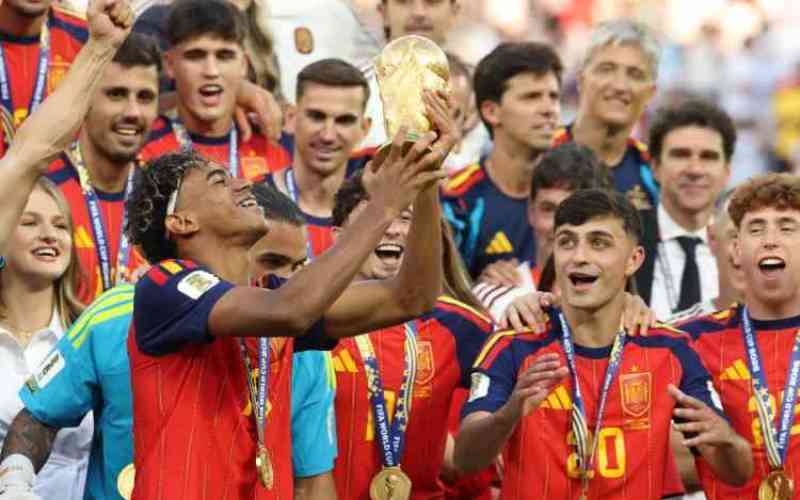
Spain's forward Lamine Yamal lifts the trophy with his teammates after winning the 2026 World Cup football tournament.[ AFP]
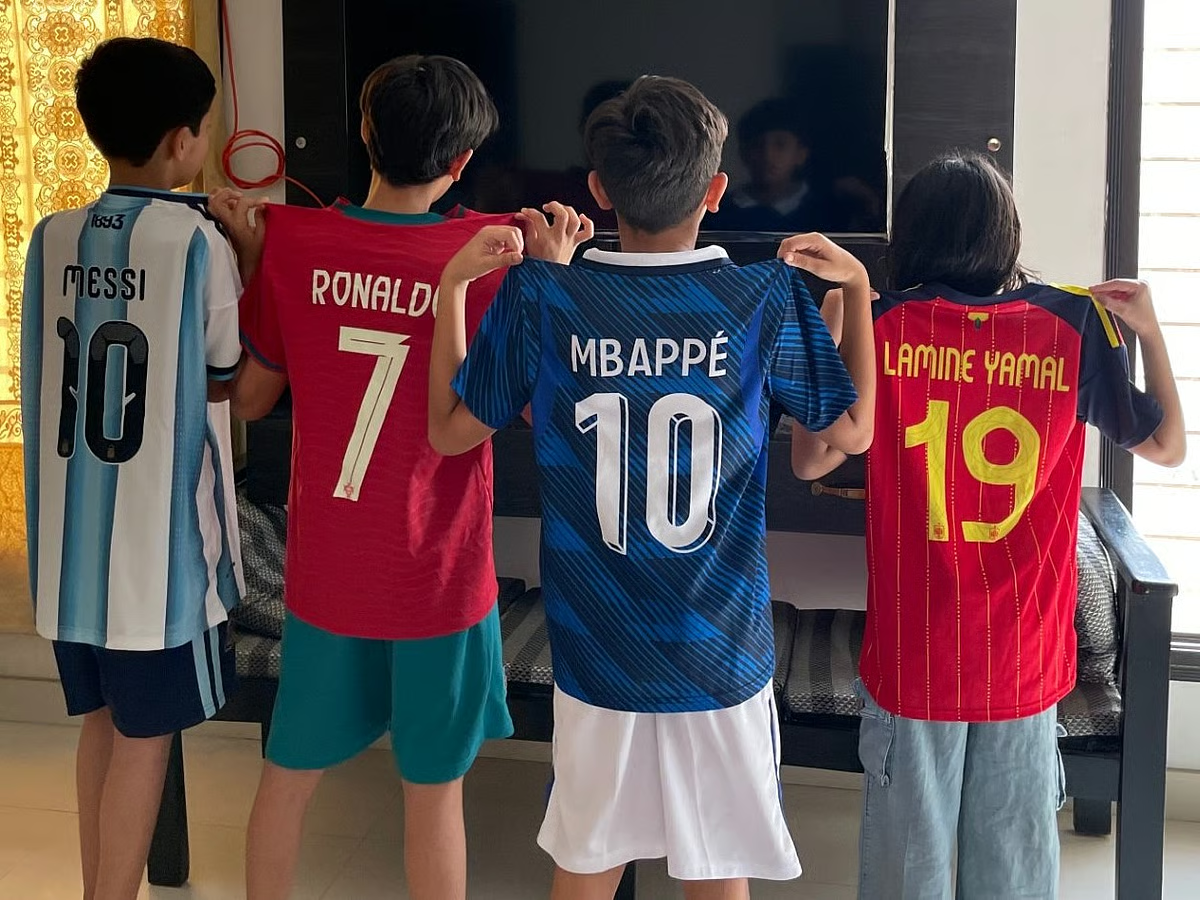
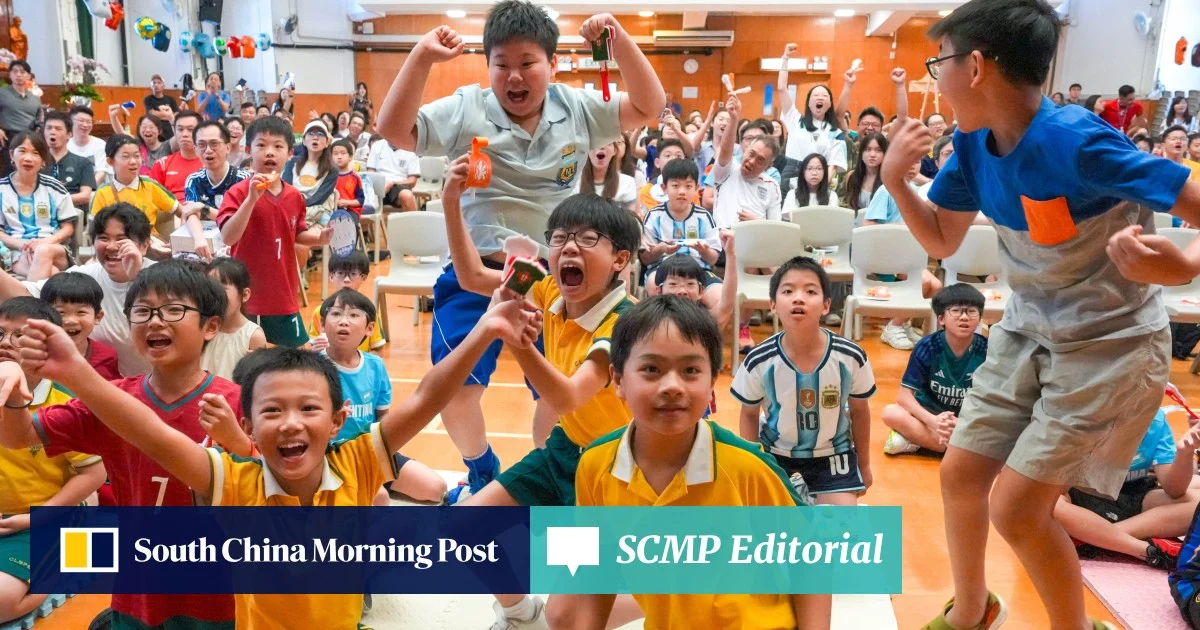
Every four years for a few weeks, billions of people across every continent direct their attention to the same event. Streets empty during matches. Families gather around television screens. Strangers embrace after dramatic goals. National flags appear on balconies, cars and shopfronts. Fans walk around sporting their favourite team’s jersey. For a brief moment, the World Cup becomes the closest thing the world has to a shared global experience.
It is easy to dismiss football as mere entertainment. Yet to do so is to misunderstand its extraordinary political and social significance. The World Cup is not simply the world's biggest sporting tournament. It is one of the largest demonstrations of soft power, national identity, economic inequality and global interconnectedness that humanity produces. Every tournament tells us as much about the state of the world as it does about the quality of its football.
Perhaps the most remarkable feature of the World Cup is its ability to inspire a level of emotional investment that few political institutions could ever hope to achieve. Citizens who may feel disconnected from their governments, sceptical of political leaders or indifferent to national celebrations suddenly become deeply patriotic when 11 players step onto a football pitch wearing their country's colours. Football succeeds where politics often fails: Iit creates a sense of collective belonging.