Academia
Beyond the goals and the glamor of the 2026 pitch, the FIFA World Cup has quietly evolved into humanity's most powerful arena for political survival, cultural recognition and global solidarity.
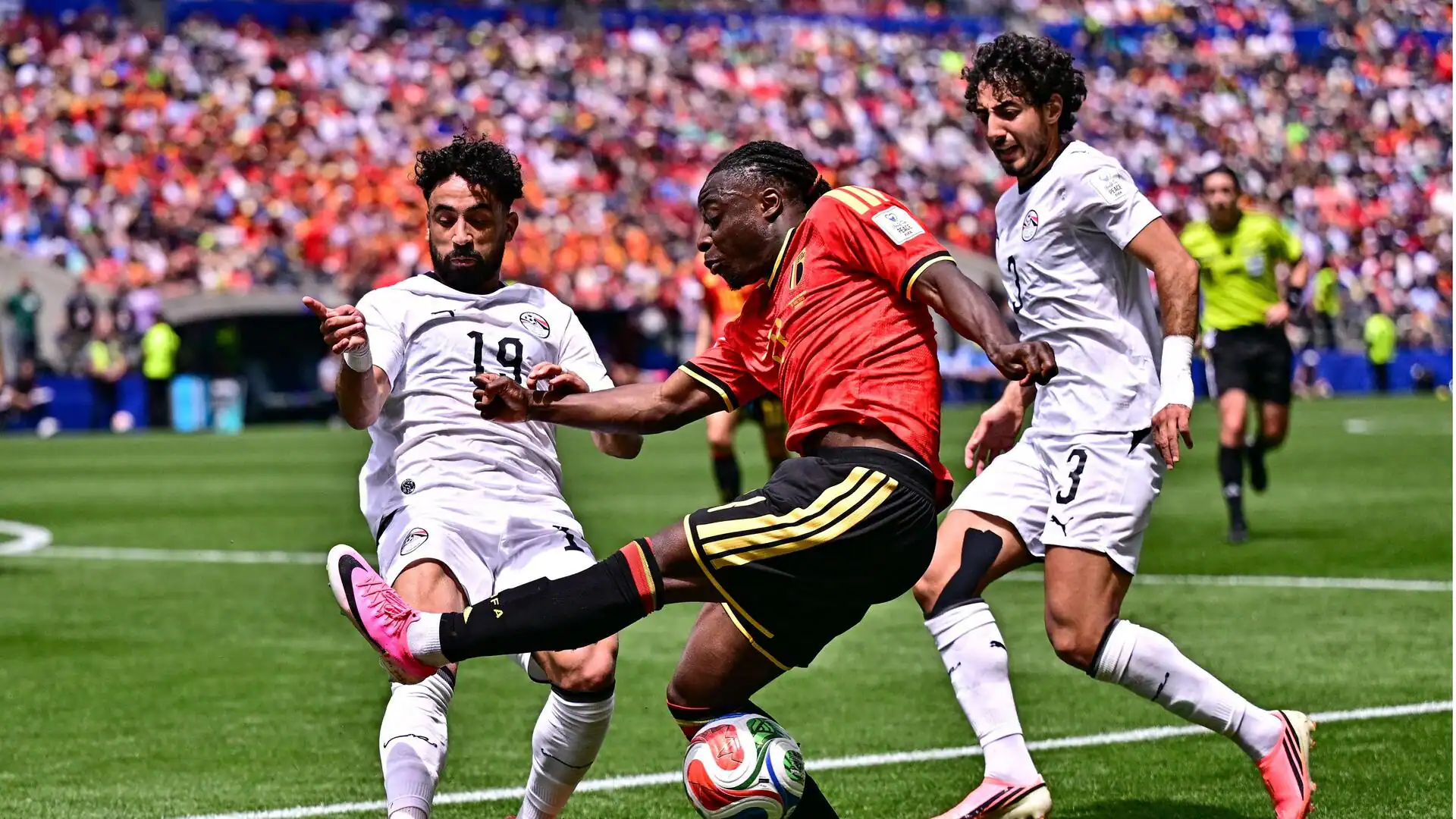
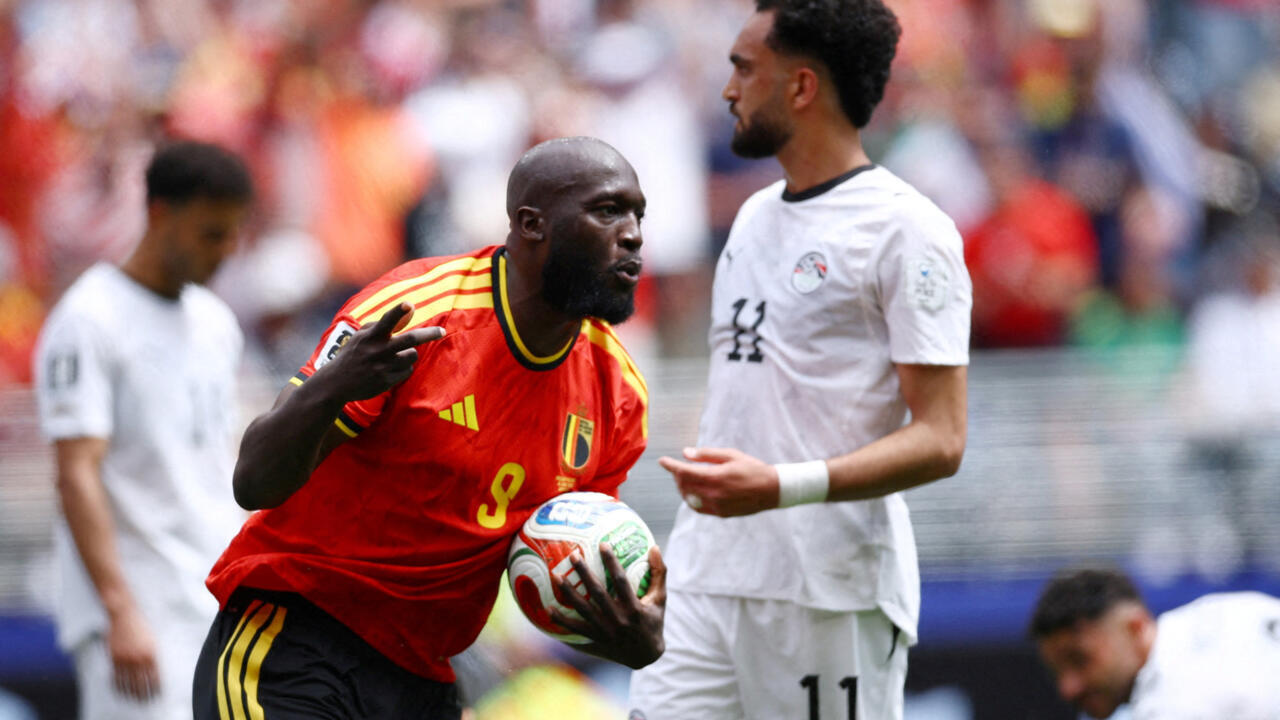
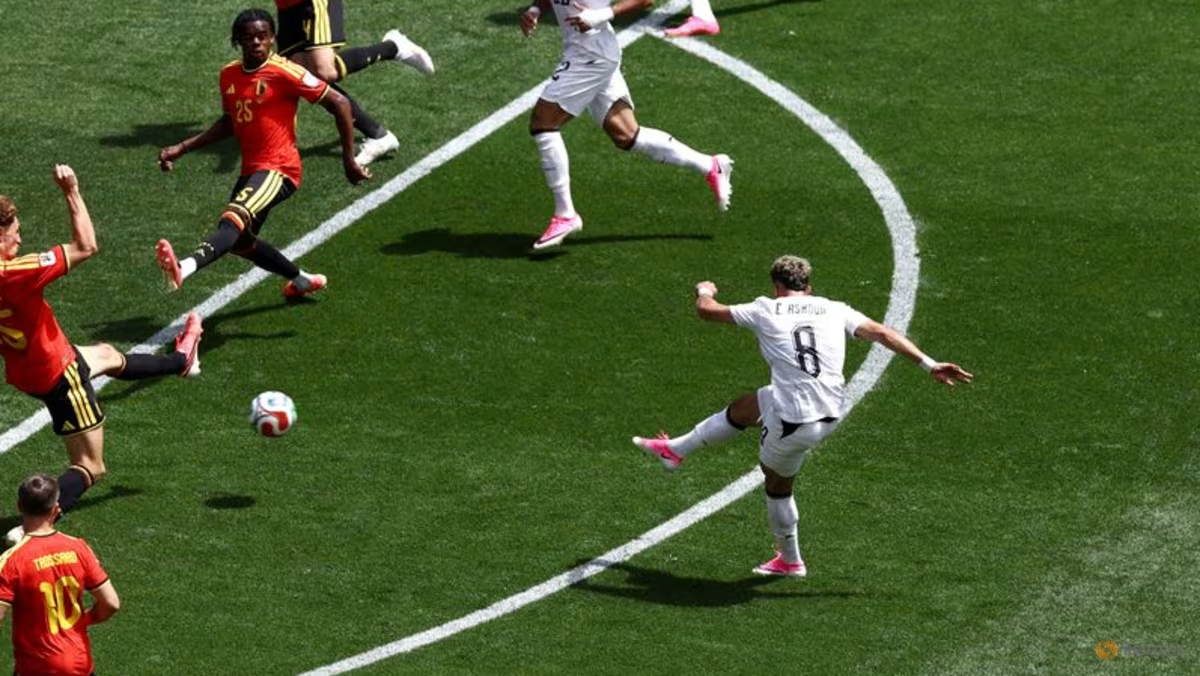
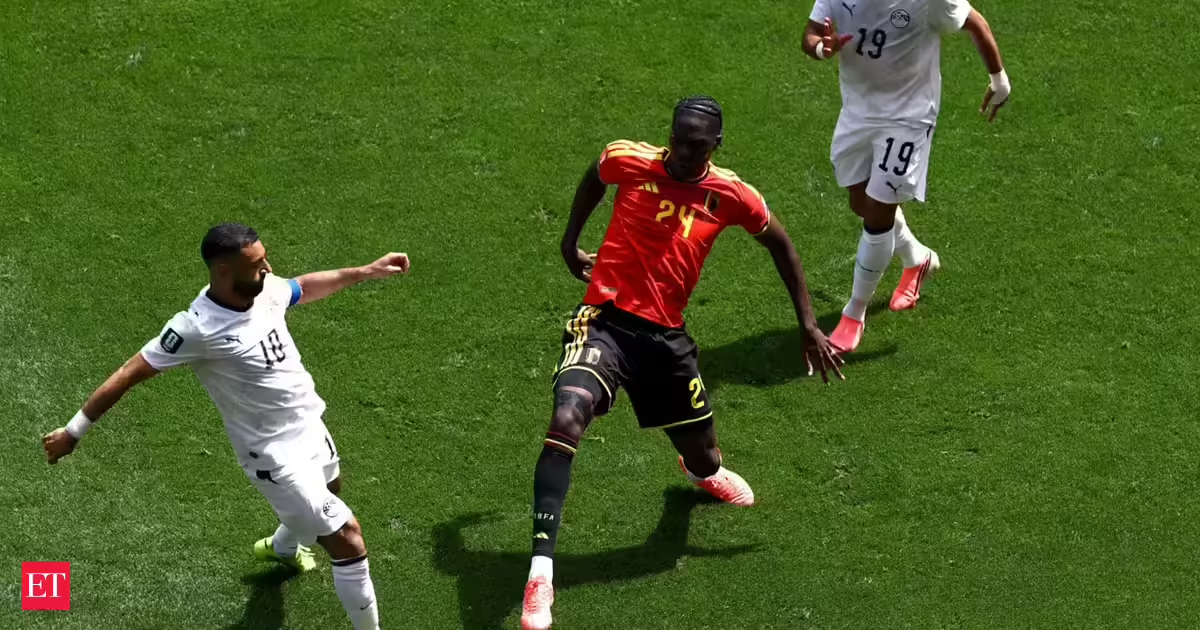
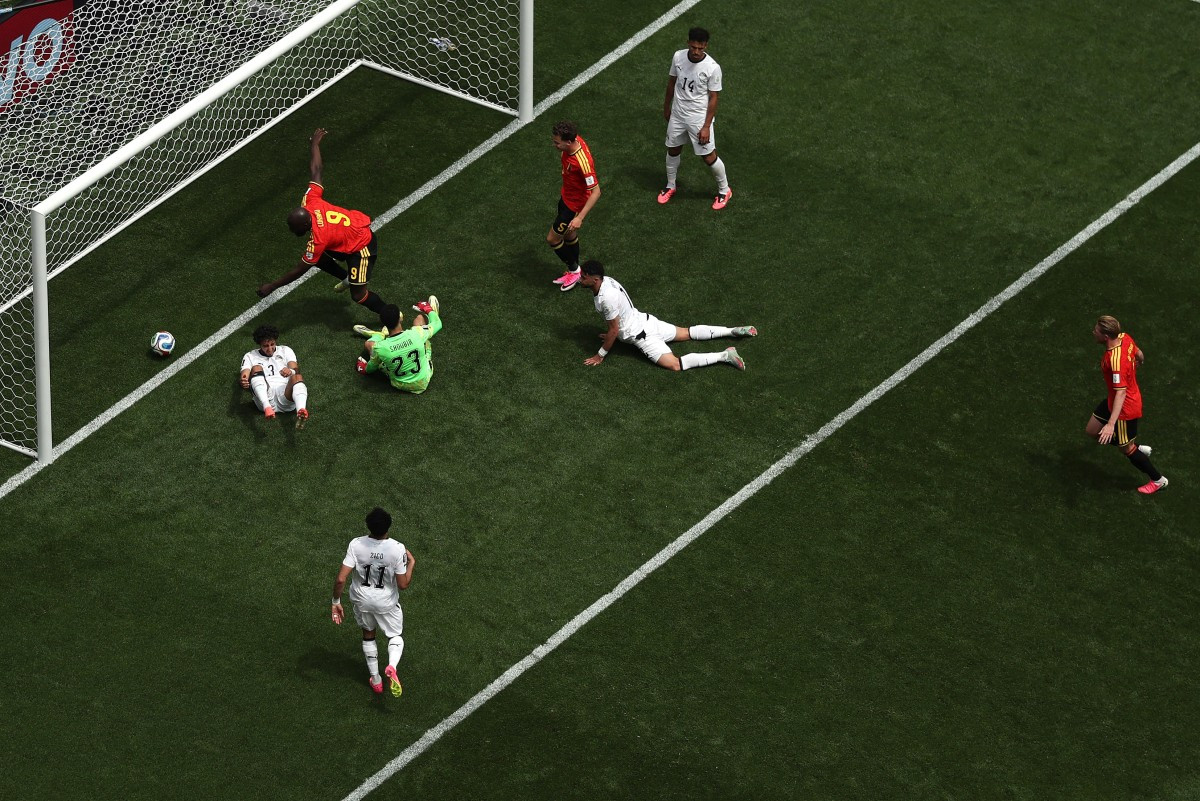
Belgian striker Romelu Lukaku forces an own goal by Egyptian defender Mohamed Hany during the 2026 FIFA World Cup Group G match between Belgium and Egypt on June 15 at Seattle Stadium in Seattle, the United States.. (AFP/Getty Images/Emilee Chinn )
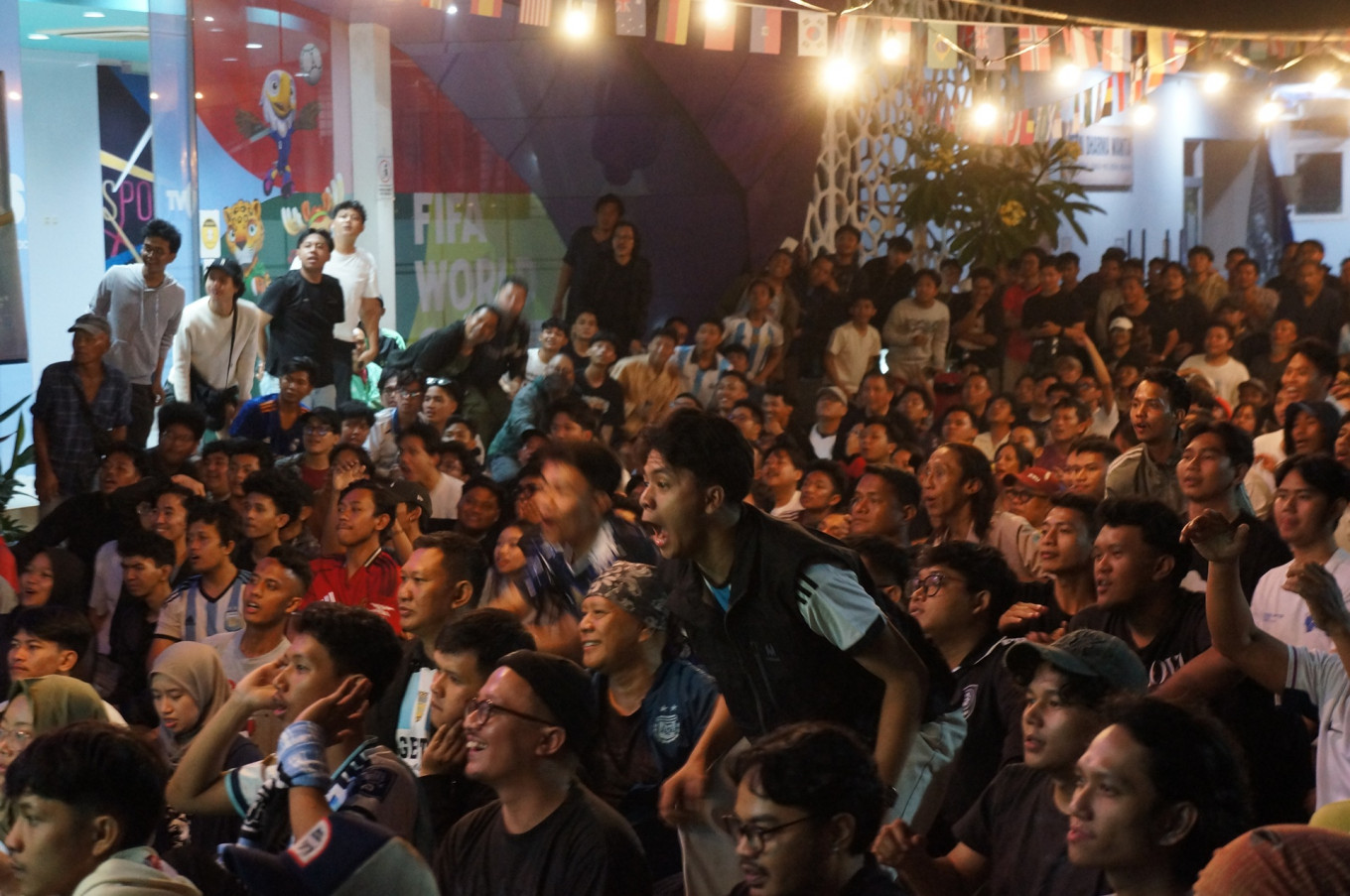
Few events have the power to bring billions of people together around the same experience like the FIFA World Cup. Every four years, people from different countries, cultures and backgrounds pause their daily routines to watch the same matches, celebrate the same goals and debate the same moments.The 2026 World Cup, hosted jointly by the United States, Canada and Mexico, has once again become a global conversation. From major cities to small towns, soccer dominates discussions in homes, cafés and public spaces. Yet the tournament's significance extends far beyond what happens on the pitch.
The World Cup is not only about determining the best soccer team in the world. It is also a stage where nations present themselves to a global audience, where identities are expressed and where social and political realities often become visible.