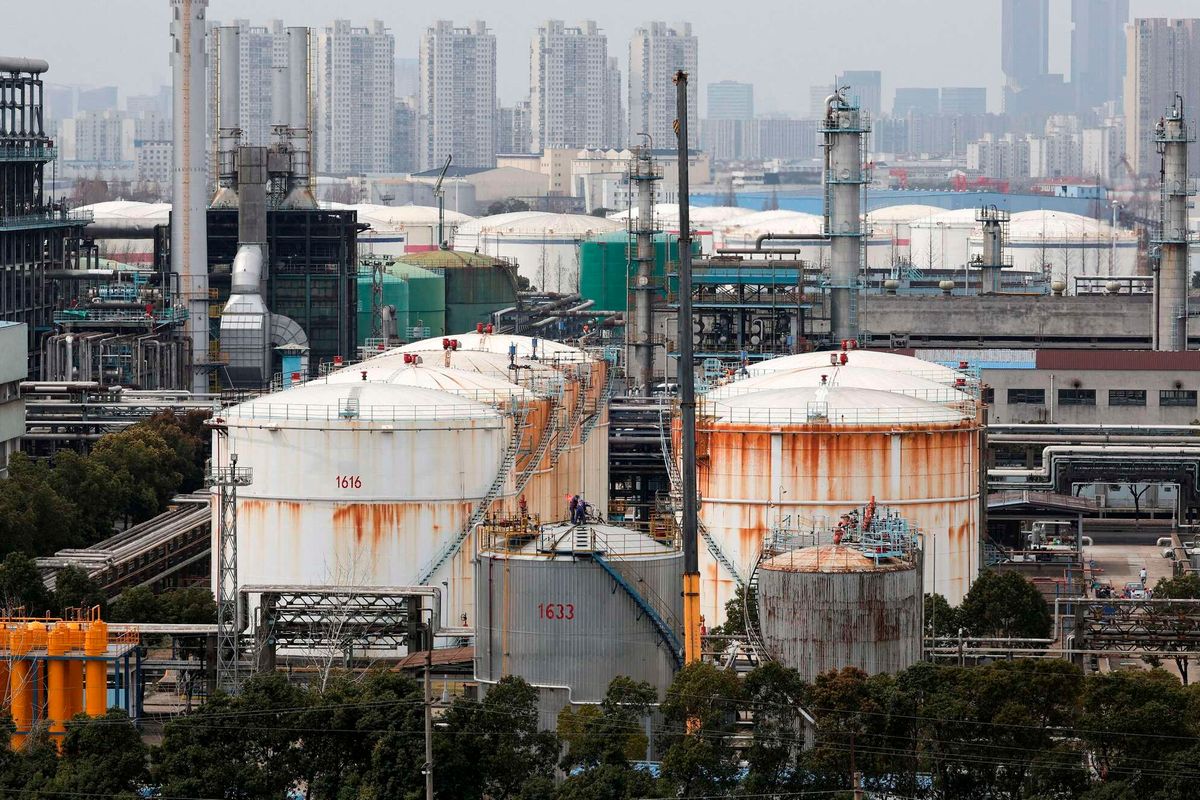
The big policy pivot by the department of minerals & petroleum to transition from a voluntary stockholding model to a regulated, mandatory regime is a watershed moment for South Africa. Private oil companies are potentially set to be compelled to keep nearly three weeks of fuel to avert the economy running out of fuel when global supply shocks hit.Under the proposal made by mineral & petroleum resources minister Gwede Mantashe the state will be required to hold a 60-day emergency buffer (phasing toward 90 days) while compelling licensed wholesalers and importers to maintain an additional 21-day supply of crude oil and refined products.A central feature of the policy is the recalibration of stockholding levels to balance national security with the high opportunity cost of tying up capital in oil reserves. All in all, this plan sets a target of having a 36-million barrel emergency oil stockpile to cover 60 days of national fuel demand and shield its economy.The policy lays bare the risk of the country running out of fuel with the department saying it would cost the economy R1bn a day.At face value, this pivot recognises that the country is a net importer of both crude oil and refined petroleum products.However, the sad state of affairs has the government’s fingerprints on it. For the past decade, authorities sat back and watched as several refineries closed or went under.Not to forget the not-so-small matter of the controversial sale of around 10-million barrels of state-owned crude oil in late 2015 and early 2016, which left the country with significantly reduced strategic stockpiles.To ask for the private sector to help the state keep healthy reserves out of its own pocket will require more transparency from the government, lest the country wake up to another sale of the reserves.The monthly reporting that the department will require from private oil companies and the responsible state-owned entity that will keep the state’s portion of the reserves cannot be a one-way street.The country must at all times be informed on the state of the reserves, when there are sales of the reserves and the reason behind any possible sales.If the private sector is good enough to play a role in building up reserves it is good enough to be treated like an equal partner when the government contemplates any sale of the reserves. The reserves are South Africa’s national insurance against catastrophes and should be treated as such.The government has over the past five years collaborated to great effect with the private sector in areas such as energy and logistics.The same spirit should prevail in this fuel reserves policy pivot: the government should get the buy-in of the private sector and not use the enormous power at the state’s disposal to force through this pivot.The reserves are South Africa’s national insurance against catastrophes and should be treated as such.The fact is that drastic measures are needed to shore up the country’s reserves in an increasingly volatile world, where might matters more than reason and war is a social media post away.South Africa is not an outlier in the government mandating private oil companies to keep reserves for rainy days.The UK largely depends on private oil companies to hold the country’s strategic petroleum reserves, while a country like Australia also relies on the private sector importers and refiners to maintain minimum stockholding obligations of about 30 days.India uses a mixed approach where state-owned underground caverns are supplemented by commercial inventories.South Africa works when the government treats business as a valuable partner. Whatever comments that will come from the industry as part of the public consultation must be considered in good faith so we have a policy that will truly be in the national interest.
EDITORIAL | Big fuel reserves policy pivot needs industry buy-in
If the private sector must build up reserves it must be treated like an equal partner
617 words~3 min read