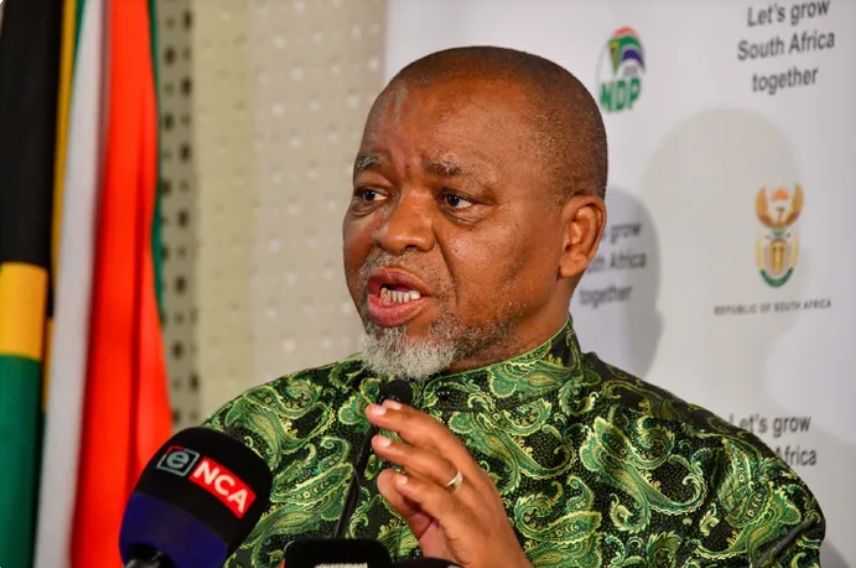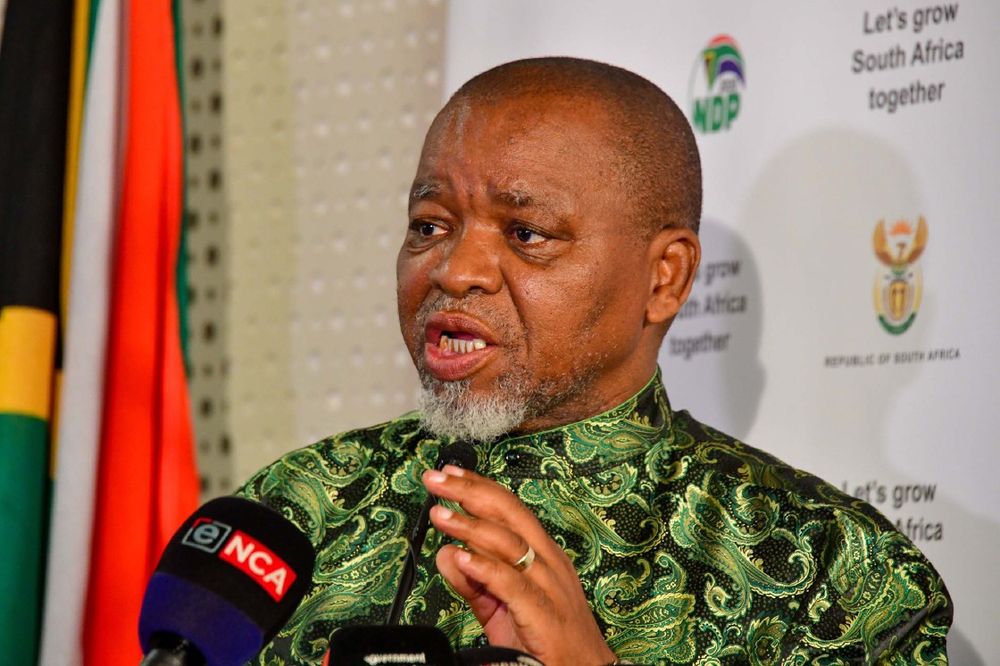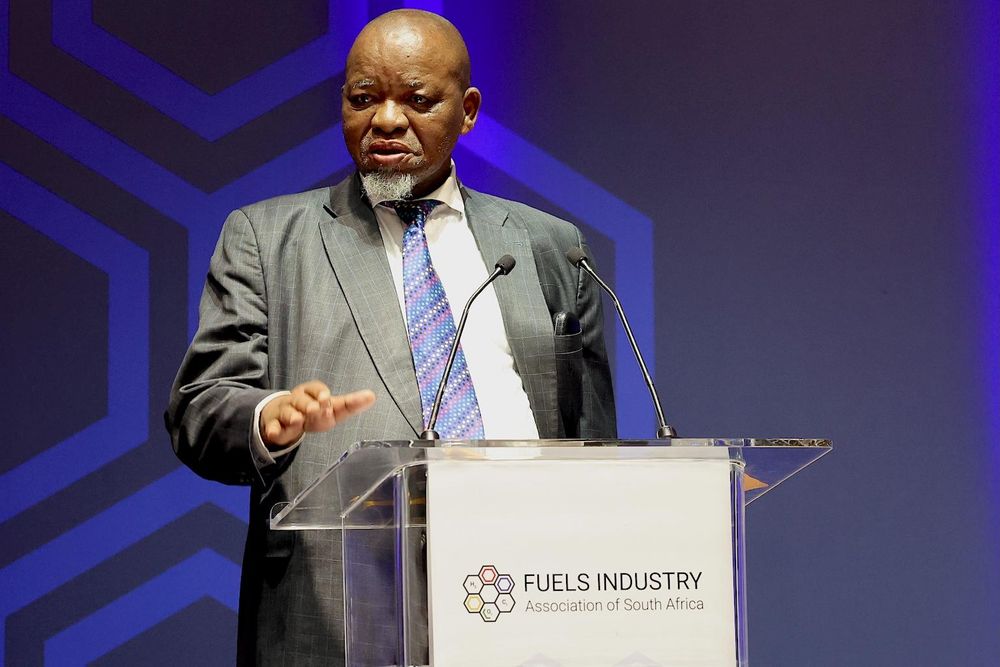
Private oil companies and wholesalers will be legally compelled to store 21 days of backup fuel at their own expense, in a big pivot that transitions the country from a voluntary into a mandatory regime, forcing the private sector to store significant volumes of backup fuel alongside the government. For its part, the government will hold 60 days of net-import reserves — with the department of mineral & petroleum resources arguing its proposal will go a long way in preventing the country from running out of fuel in the event of global supply shocks.The proposal is contained in a public consultation document, published last week.Companies and the government will be mandated to maintain backup stock made up of 70% crude oil and 30% finished, refined product such as petrol, jet fuel and diesel. South Africa, Africa’s most industrialised economy, consumes about 67-billion litres of fuel annually.Under the proposal, the department will require all companies with holding stock obligations to submit monthly reports, with those found to be non-compliant set to face consequences that might include imprisonment.Read: Economic activity slumps to six-month low on fuel prices and rate hike The policy pivot is in response to the recent shortage scare sparked by the Middle East war, with the department warning that if South Africa doesn’t put measures in place to ensure a longer period of reserves, the economy stands to lose R1bn a day if it runs out of fuel.Minister Gwede Mantashe in June proposed draft policy changes to build 60-day strategic crude oil and fuel reserves, with government reserves to be stored at Saldanha and in Milnerton.The department has begun implementing the proposal, setting out its rationale in a public consultation document.“Conservatively, it is estimated that a national unavailability of liquid fuels would cost South Africa’s economy approximately R1bn a day in GDP. This raises a fundamental question regarding the role of government in ensuring security of supply,” the consultation document reads.“The international conditions have changed, and there is a need for the government to put in place a comprehensive long-term strategic stocks policy to enable the country to ensure continuity of liquid fuel supply even in the face of severe disruptions or catastrophes.”The department stated that it takes a minimum of 21 days and a maximum of 42 days for imports to reach South African ports of entry, and a further 10-14 days are spent on offloading, refining and transporting products from coastal refineries to the inland market.It stressed that the government can’t go it alone in building up the requisite reserves in what will be an expensive exercise.“A central feature of the policy is the recalibration of stockholding levels to balance national security with the high opportunity cost of tying up capital in oil reserves. “While previous targets in some jurisdictions are higher, the policy recommends a mix of stock holdings totalling 90 days of net imports to be held by the government, primarily in the form of crude oil stored at the state-owned Saldanha Bay facility,” the document reads.“To complement this, the policy introduces a mandatory obligation for licensed manufacturers and wholesalers to maintain an additional 14 days of refined product stocks, such as diesel, petrol and jet fuel.“This dual responsibility ensures that the state manages long-term strategic security and cushions the economy against global supply chain shocks while the private sector contributes to immediate downstream resilience.”Read: How imported bitumen threatens SA’s roads — and R1-trillion infrastructure driveSouth Africa’s fuel industry has undergone drastic changes over the past decade, with a majority of domestic refineries either closing down or being converted into import terminals.The proposed policy also outlines what will trigger fuel rationing in the event of a crisis. Under the proposal, fuel rationing will be triggered when a supply shock sheds more than 50% of South Africa’s fuel supply.The draft policy, if implemented, might also see the construction of fuel storage facilities. “The accumulation and holding of strategic stocks require investment in storage facilities. The country does not have sufficient storage capacity to accommodate refined strategic stocks. Meeting the required volume of refined strategic stocks will therefore require the construction of new storage tanks.”The outbreak of war in the Middle East in February resulted in the surge in oil prices and record fuel prices in South Africa and other parts of the world.
Mantashe wants oil firms to stockpile 21 days of fuel, at their cost
Petroleum resources minister warns the economy will lose R1bn a day if SA runs out of fuel
717 words~3 min read