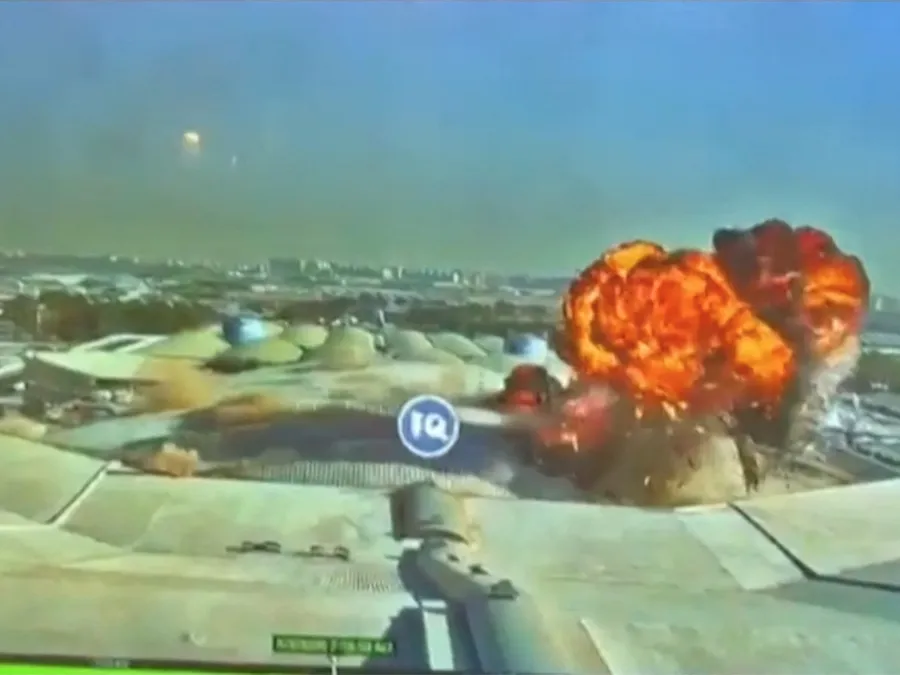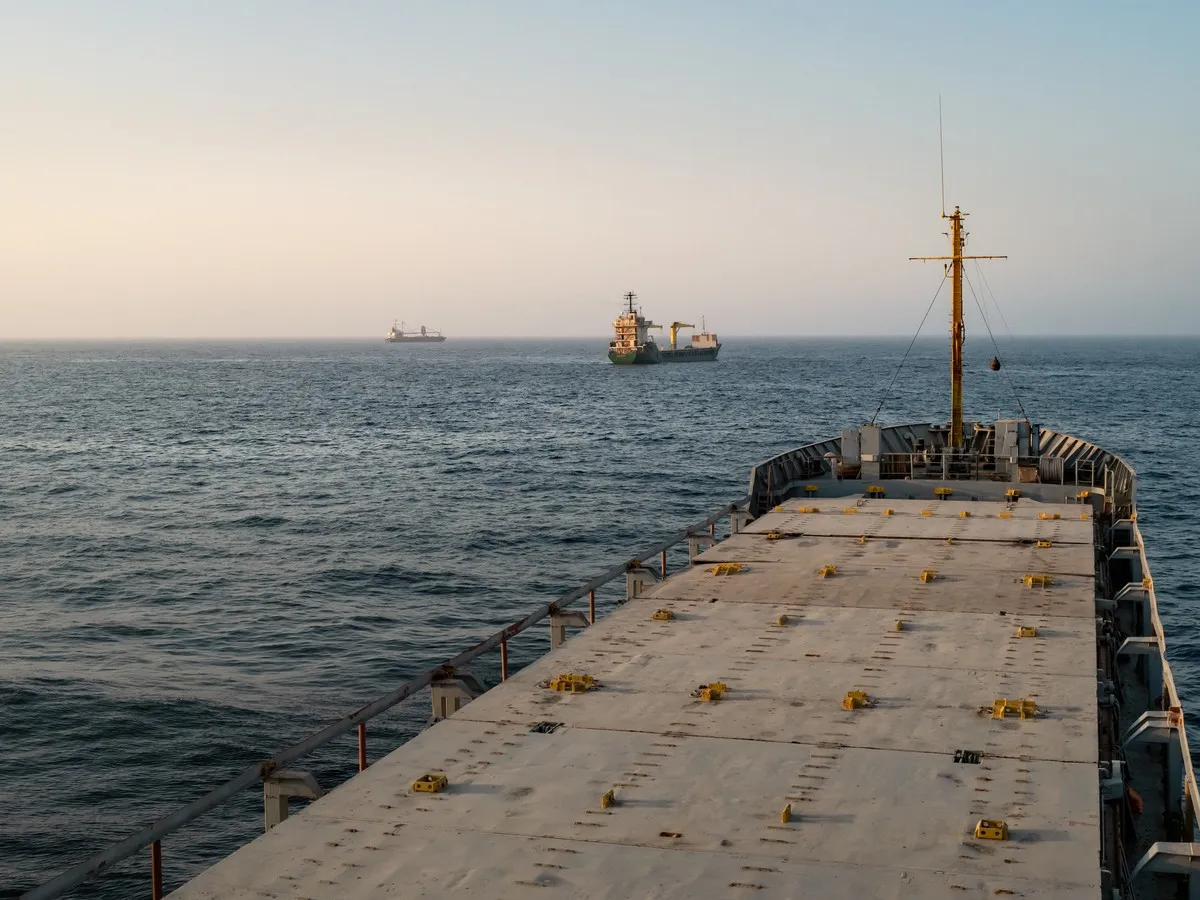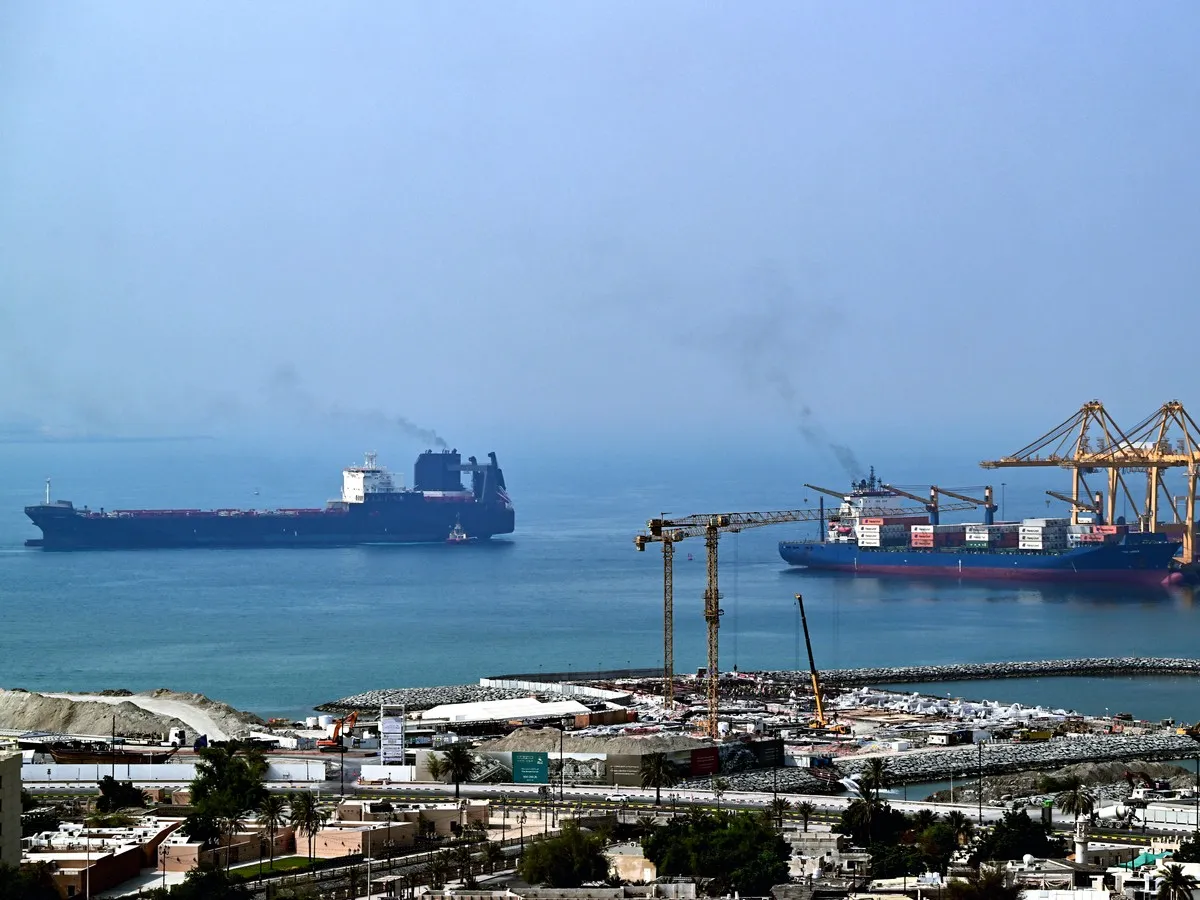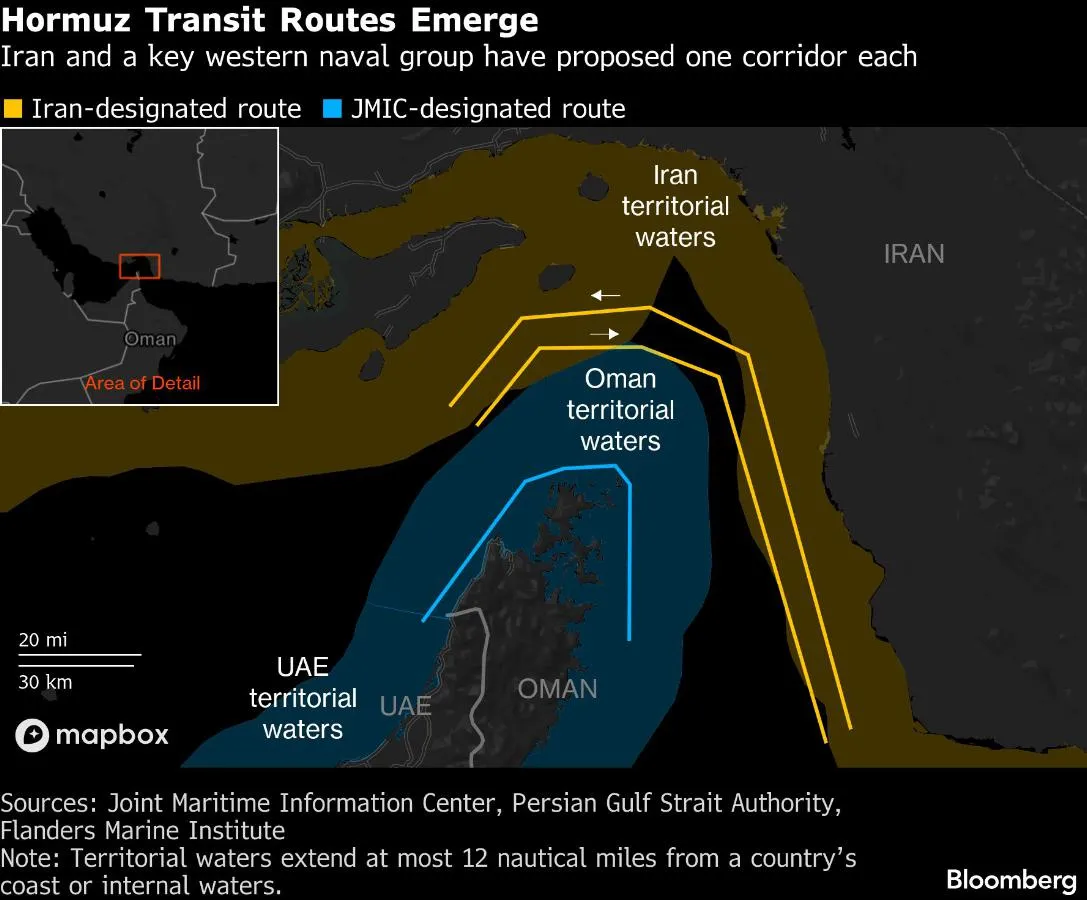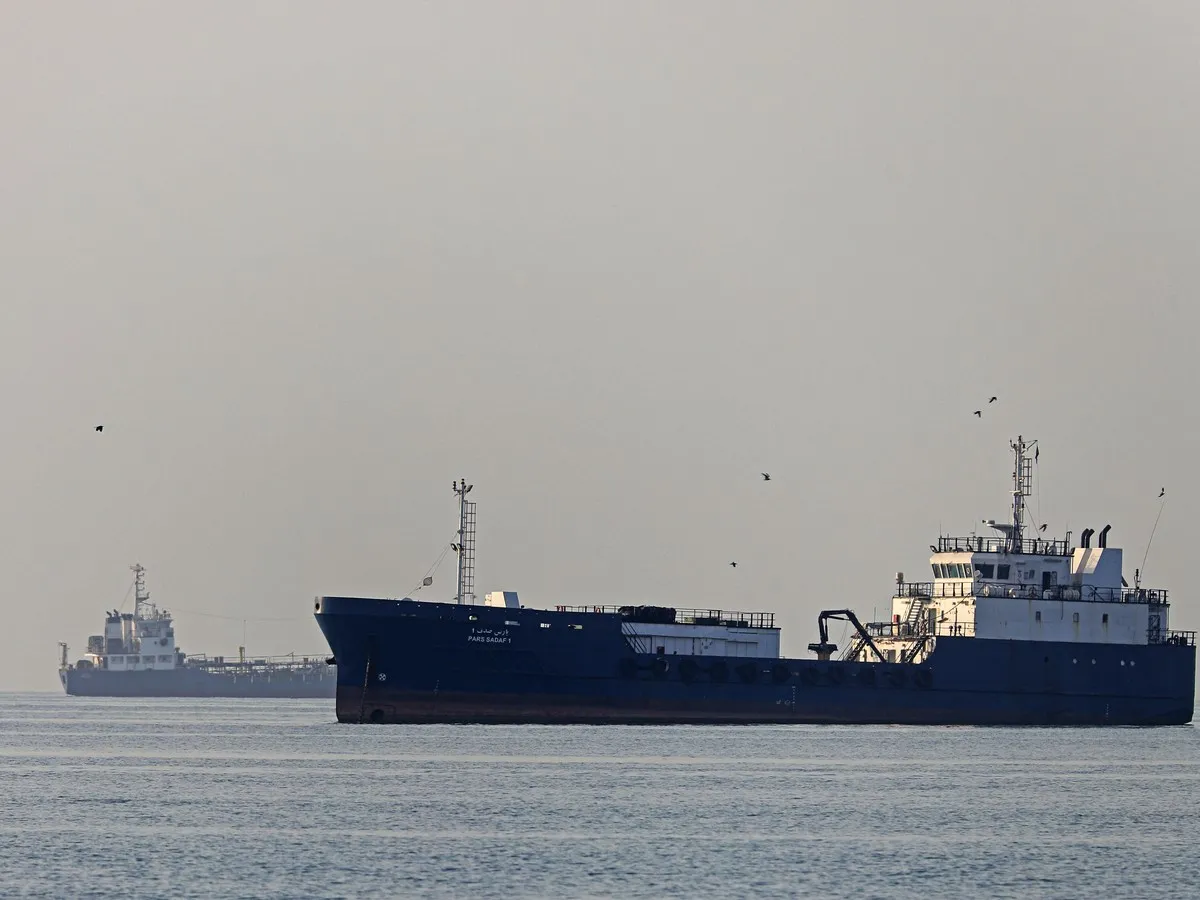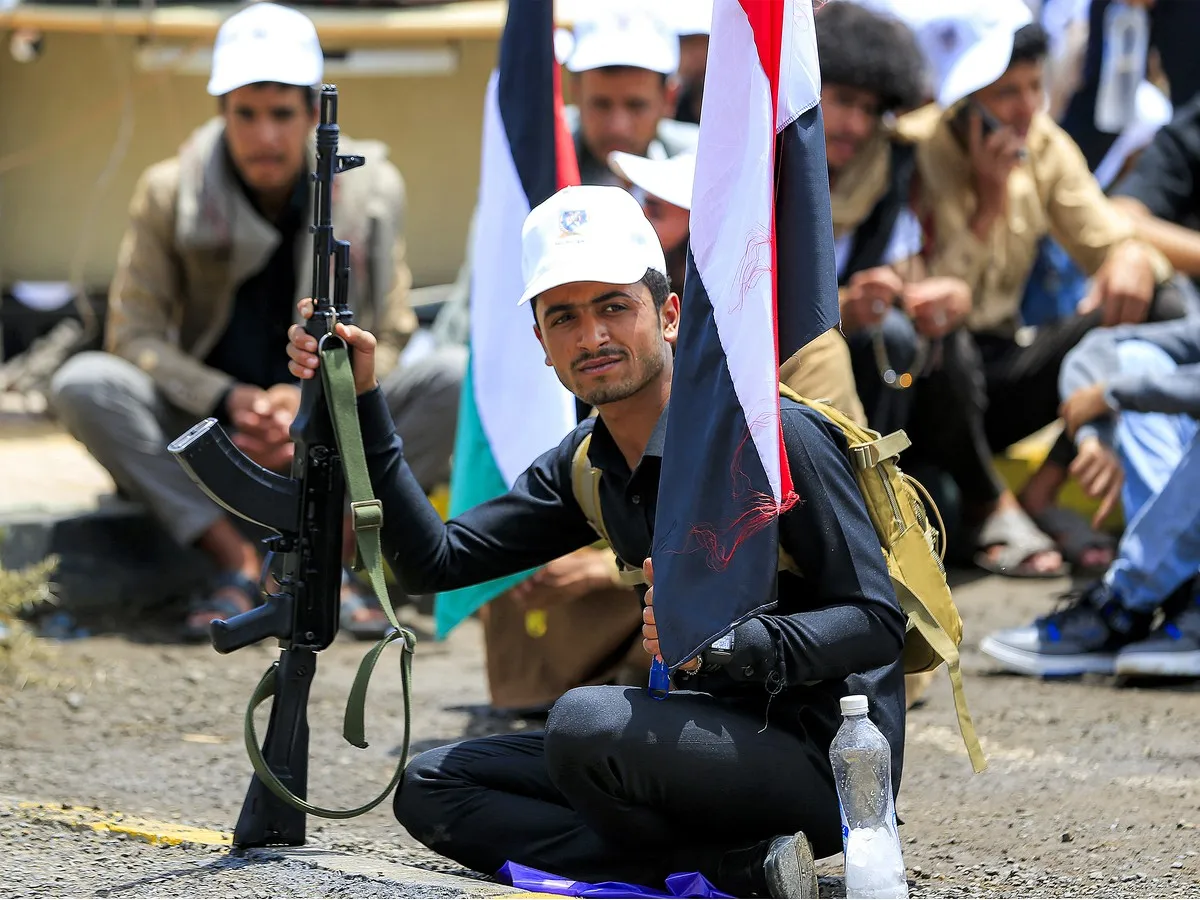
Skip to Content Subscribe Our Offers My Account Manage My Subscriptions FAQ Newsletters Canada Canadian True Crime Canadian Politics Health World Israel & Middle East Financial Post NP Comment Longreads Puzzmo Diversions Comics NP News Quiz New York Times Crossword Horoscopes Life Eating & Drinking Style Sponsored Play for Ontario Travel Travel Canada Travel USA Travel International Cruises Travel Essentials Culture Books Celebrity Movies Music Theatre Television Business Essentials Advice Lives Told Tails Told Shopping Buy Canadian Home Living Outdoor Living Kitchen & Dining Tech Style & Beauty Personal Care Entertainment & Hobbies Gift Guide Travel Guide Amazon Prime Day Deals Savings National Post Store More Sports Hockey Baseball Basketball Football Soccer Golf Tennis Driving Vehicle Research Reviews News Gear Guide Obituaries Place an Obituary Place an In Memoriam Classifieds Place an Ad Celebrations Working Business Ads Archives Healthing Epaper Manage Print Subscription Profile Settings My Subscriptions Saved Articles My Offers Newsletters Customer Service FAQ Newsletters Canada World Financial Post NP Comment Longreads Puzzmo Diversions Life Shopping Epaper Manage Print Subscription HomeNP CommentMohamed Fahmy: A new threat to oil markets emerges in the Iran warHouthis target Saudi shipping routes, as U.S. and Iran step up attacksLast updated 48 minutes ago You can save this article by registering for free here. Or sign-in if you have an account.University students gather for a demonstration to show their support for the Houthi movement amid escalating tensions with Saudi Arabia, at the Sanaa University campus in Yemen's Houthi-held capital Sanaa on July 22, 2026. Photo by MOHAMMED HUWAIS /AFP via Getty ImagesTen days into one of the most dangerous phases of the U.S.-Iran war, the killing of four American soldiers has dramatically expanded the conflict, opening new fronts and new threats to oil markets, and raising the spectre of a prolonged war of attrition across the Middle East.Enjoy the latest local, national and international news.Exclusive articles by Conrad Black, Barbara Kay and others. Plus, special edition NP Platformed and First Reading newsletters and virtual events.Unlimited online access to National Post.National Post ePaper, an electronic replica of the print edition to view on any device, share and comment on.Daily puzzles including the New York Times Crossword.Support local journalism.Enjoy the latest local, national and international news.Exclusive articles by Conrad Black, Barbara Kay and others. Plus, special edition NP Platformed and First Reading newsletters and virtual events.Unlimited online access to National Post.National Post ePaper, an electronic replica of the print edition to view on any device, share and comment on.Daily puzzles including the New York Times Crossword.Support local journalism.Create an account or sign in to continue with your reading experience.Access articles from across Canada with one account.Share your thoughts and join the conversation in the comments.Enjoy additional articles per month.Get email updates from your favourite authors.Create an account or sign in to continue with your reading experience.Access articles from across Canada with one accountShare your thoughts and join the conversation in the commentsEnjoy additional articles per monthGet email updates from your favourite authorsSign In or Create an AccountorAmong the dead were a teenage female soldier, a young serviceman who had planned to marry his fiancée after completing his deployment, and a twenty year old female, all killed when Iranian strikes hit a military base used by American forces in Jordan on July 17. Two days later, a father of two died while disposing of a downed attack drone in northern Iraq. Their deaths brought the U.S. military death toll to 18 since the war began on Feb. 28, while nearly 100 American service members have been wounded during the past two weeks of escalating Iranian reprisals, according to the Pentagon.Nothing shakes a nation at war more than the sight of flag-draped coffins returning home from the battlefield. President Donald Trump understands that political reality, which is why he has vowed that Iran will pay “many times over” for the deaths of U.S. soldiers. His warning signals that every American casualty raises the risk of an even more devastating escalation.The National Post newsletter that doesn’t hold back, giving readers the unvarnished truth on media, politics and culture.By signing up, you consent to receive the above newsletter from Postmedia Network Inc.A welcome email is on its way. If you don't see it, please check your junk folder.The next issue of Right? will soon be in your inbox.We encountered an issue signing you up. Please try againAs images of those flag-draped coffins flanked by officers honouring their fallen soldiers filled television screens during a state funeral Wednesday, Trump responded with one of his signature Truth Social posts, warning that the United States would strike Iranian bridges and power plants if Tehran continued attacking commercial vessels transiting the Strait of Hormuz.“From this point forward, any time the Islamic Republic of Iran shoots at a ship in the Strait of Hormuz, whether it be by Missile, Rocket, Drone, or any other device or weapon, the United States will bomb and destroy ONE BRIDGE OR POWER PLANT, including those located next to, or in, the Capital City of Tehran,” the president wrote.”The ceasefire effectively collapsed last week as the Strait of Hormuz once again became a flashpoint. Iran intensified what many regional officials describe as state-backed maritime coercion, demanding fees from commercial vessels, obstructing shipping lanes, and disrupting navigation through one of the world’s most critical energy corridorsOver the past 10 days, the U.S. bombing campaign has expanded beyond degrading Iran’s military capabilities — targeting drone and ballistic missile launch sites, coastal surveillance and maritime tracking facilities, military command networks, communications infrastructure, and air defense batteries — to include dual-use infrastructure. Among the latest targets are key transport links, including the B1 Bridge between Tehran and Karaj and six bridges in Hormozgan Province, which Washington says the IRGC used to transport missile components.In response, Iran once again targeted U.S. bases and military assets in Bahrain, Qatar, Kuwait, and Jordan with missiles and drones.As the U.S. strikes continued well into their eleventh day Iran’s intensified attacks on commercial shipping, targeting at least nine vessels and tankers, including Greek-owned ships, have been attacked over the past week and a half, disrupting maritime traffic and triggering more U.S. retaliatory strikes.The signs on the ground suggest the worst may still lie ahead: a prolonged war of attrition that could drain not only the region but the global economyOn July 20, the Iran-backed Houthi militia in Yemen — designated as a terrorist organization by the United States, Canada, Saudi Arabia, Australia, New Zealand, Malaysia and the UAE — announced an immediate naval blockade targeting Saudi shipping through the Bab el-Mandeb Strait. The move threatens one of the world’s most critical energy corridors, potentially disrupting a route that carries an estimated 25 per cent of global oil and gas supplies. With the Strait of Hormuz already heavily restricted, any sustained disruption in the Bab el-Mandeb could further choke Middle Eastern energy exports and send shockwaves through global energy markets.On Monday, after Iran targeted the Kuwaiti-flagged oil tanker Kaifan in the Strait of Hormuz, injuring several crew members, and launched another wave of missiles and drones toward Kuwait, I spoke with Mohamed Al Mohammad Alwahaib, a professor of political philosophy at Kuwait University, about the escalating conflict and its implications for the Gulf.“The nature of the attacks on Kuwait changed dramatically after the memorandum collapsed. Rather than focusing on military-related targets, they shifted almost entirely toward civilian infrastructure, including water desalination facilities and electricity generation plants — services on which every resident of Kuwait depends for daily survival. Kuwait has no natural rivers, and virtually all of its drinking water comes from desalination plants,” said Alwahaib.“These attacks reflect a moment of political bankruptcy in Iranian decision-making,” he continued. “The leadership appears intent on demonstrating to its domestic audience that it is retaliating, but the retaliation is directed at the wrong targets. Rather than confronting those it holds responsible, it has chosen to strike states that are more vulnerable to its military capabilities.”I asked the U.S. educated Kuwaiti professor, who has witnessed the fog of war for more than four months — including repeated attacks on Kuwait’s International Airport that resulted in civilian casualties — whether Kuwait was beginning to lose patience.“What is interesting though, is that there is a growing conviction that Kuwaiti neutrality has become unrewarded. Kuwait, which has historically maintained more pragmatic relations with Iran than some of its Gulf neighbors, suffered a lot from these continued attacks — something that really undermined the belief that neutrality offers protection,” he said.“Continued attacks have reinforced calls for enhanced missile defense, closer Gulf security coordination, and firmer diplomatic responses, reflecting a declining willingness to accept Iranian explanations at face value.”The financial cost of the war is rising at an alarming pace. During a tense congressional hearing on Tuesday, American War Secretary Pete Hegseth told lawmakers the U.S. has already spent $37.5 billion on the Iran campaign and warned that the Pentagon will require nearly twice that amount to sustain military operations in the months ahead.Amid escalating calls for retaliation Trump announced Tuesday that the U.S. would target Pickaxe Mountain, an Iranian nuclear facility under construction that is believed to be buried deep underground.“We’ll be hitting that area pretty soon, and very heavily,” Trump told reporters in the Oval Office, reiterating a threat he has made against the site in recent weeks.If the war’s objective is to prevent Iran from acquiring a nuclear weapon and curb the regime’s destabilizing ambitions, then targeting the centrifuges reportedly transferred to Pickaxe Mountain last fall — equipment capable of enriching uranium, the critical step in producing weapons-grade nuclear material — would be a logical military objective.While Pakistan, Qatar, and Egypt formally presented a 10-day ceasefire proposal to the United States and Iran on Tuesday — an initiative aimed at halting the fighting and reviving the memorandum of understanding on the Strait of Hormuz —I remain deeply skeptical. The cycle of revenge and retaliation has taken on a momentum of its own, pushing the region ever closer to another full-scale war.National PostMohamed Fahmy is an award-winning journalist who has covered the Middle East for numerous outlets, including CNN, Al-Jazeera, the Los Angeles Times and Foreign Policy. Join the Conversation This website uses cookies to personalize your content (including ads), and allows us to analyze our traffic. Read more about cookies here. By continuing to use our site, you agree to our Terms of Use and Privacy Policy.
Mohamed Fahmy: A new threat to oil markets emerges in the Iran war
Houthis target Saudi shipping routes, as U.S. and Iran step up attacks
1,731 words~8 min read