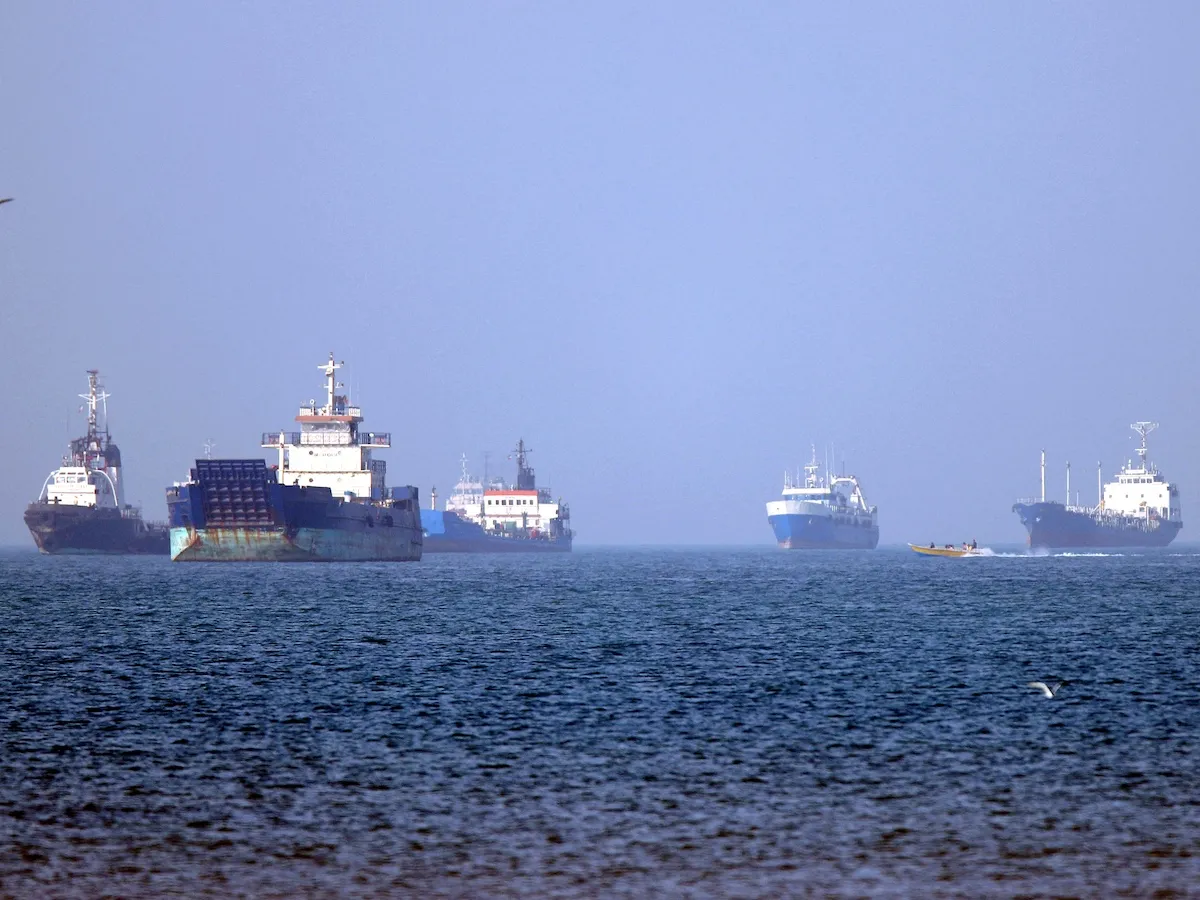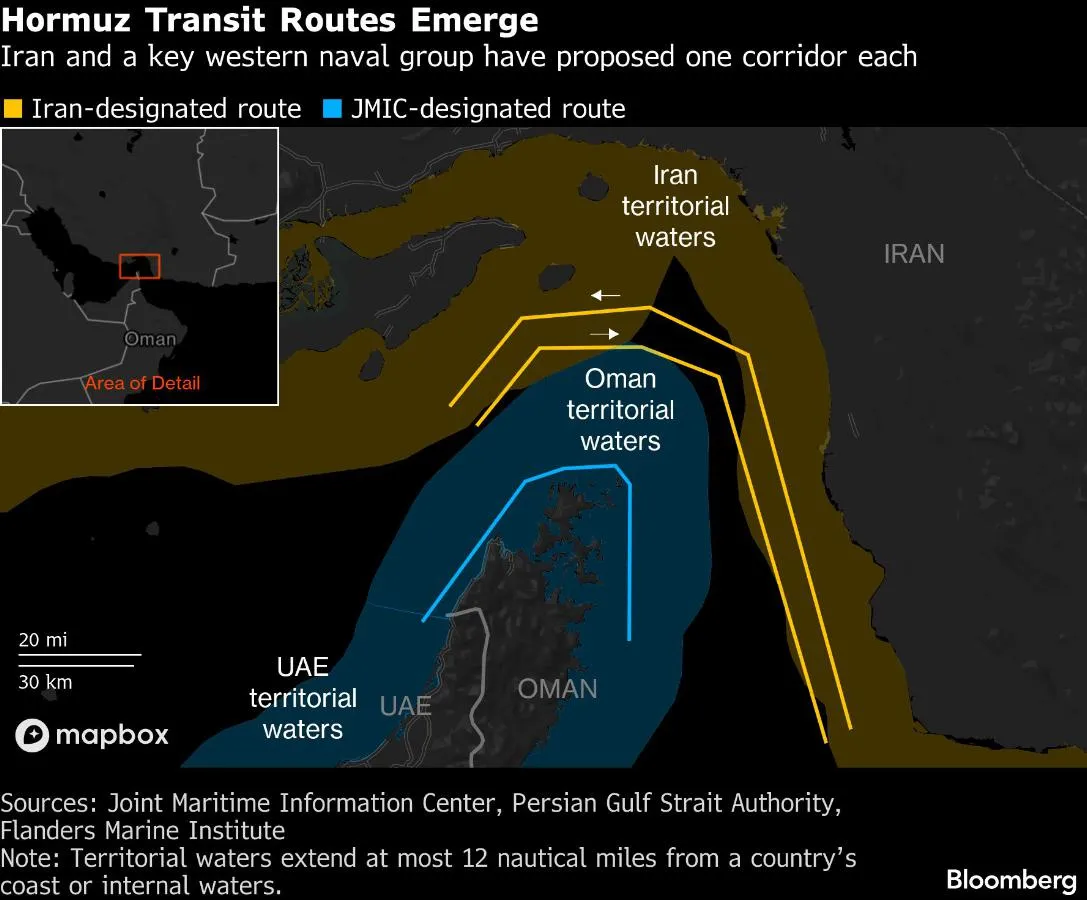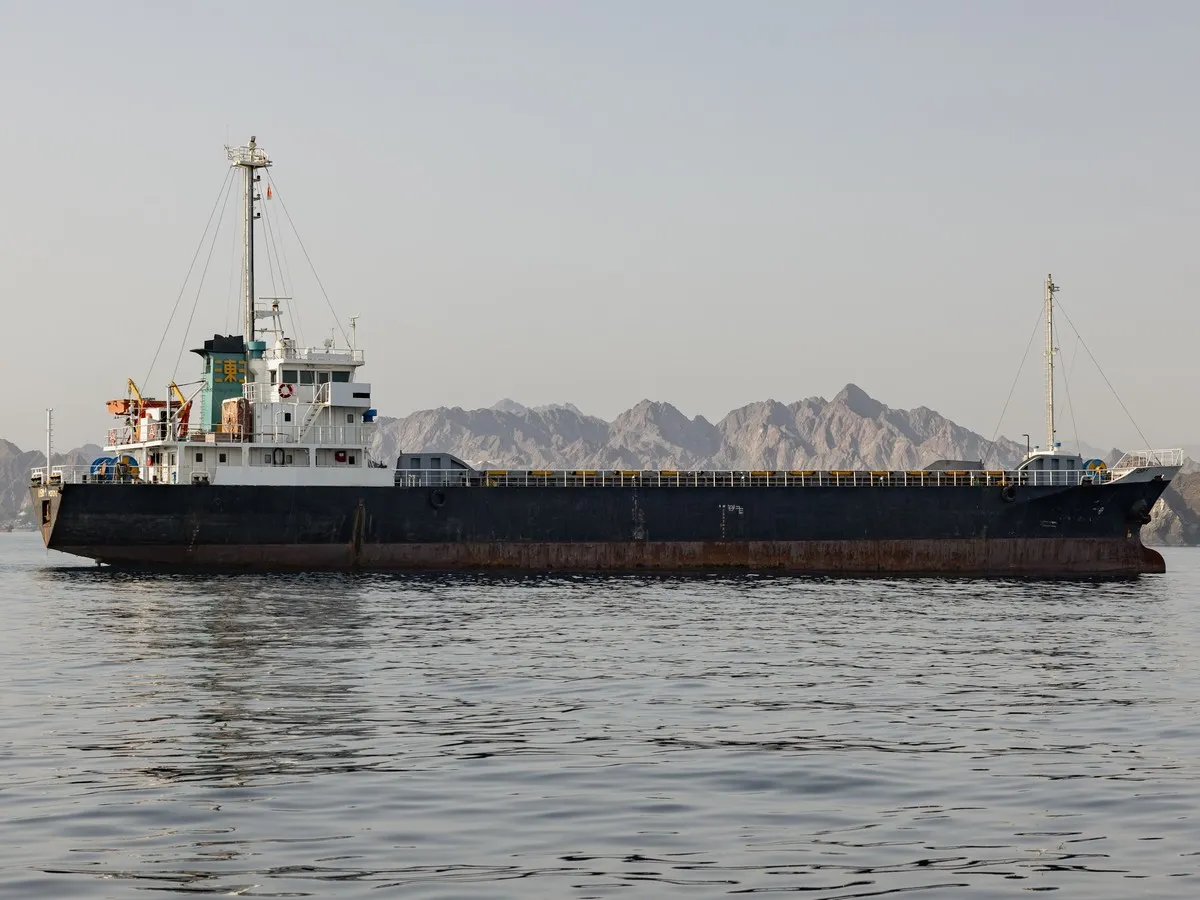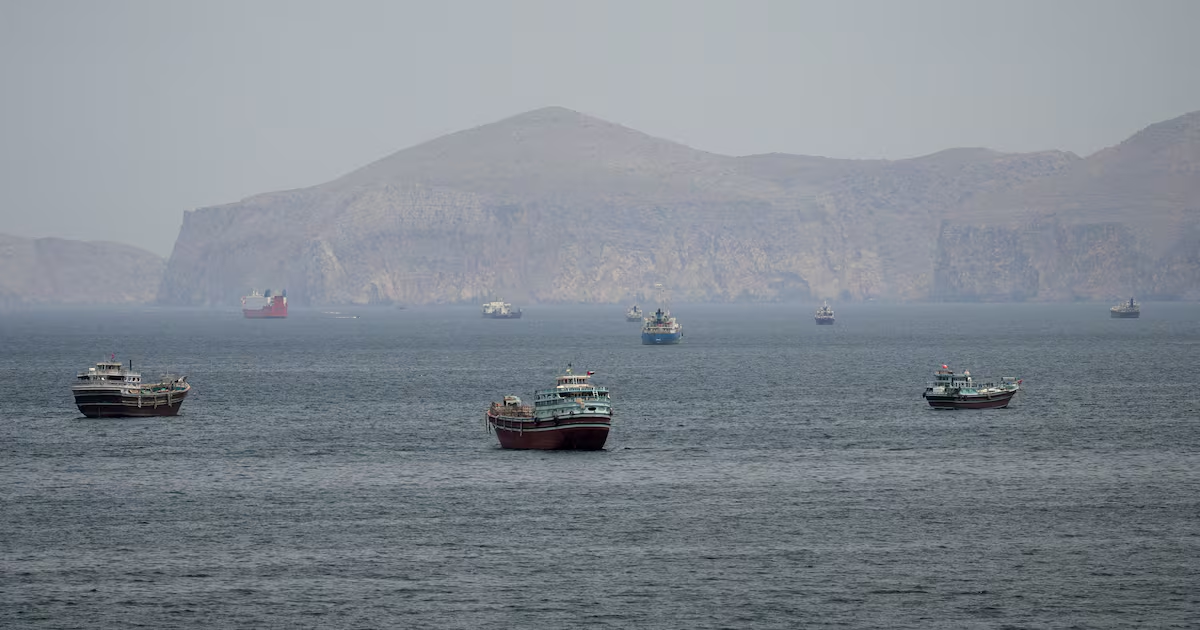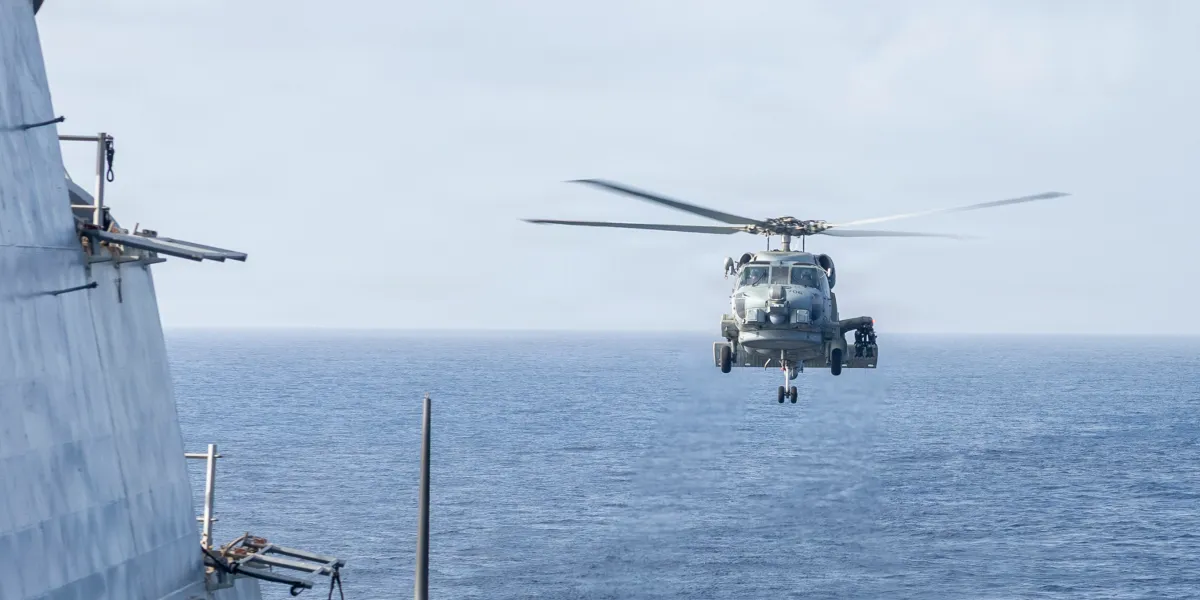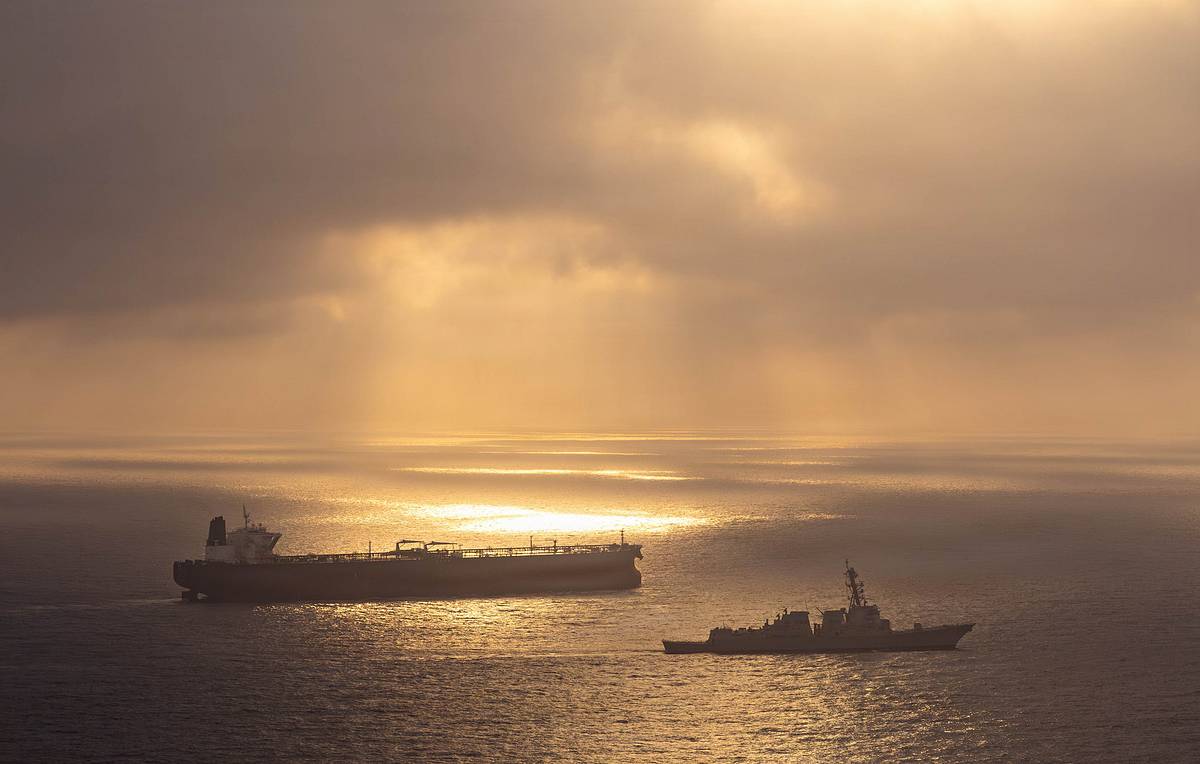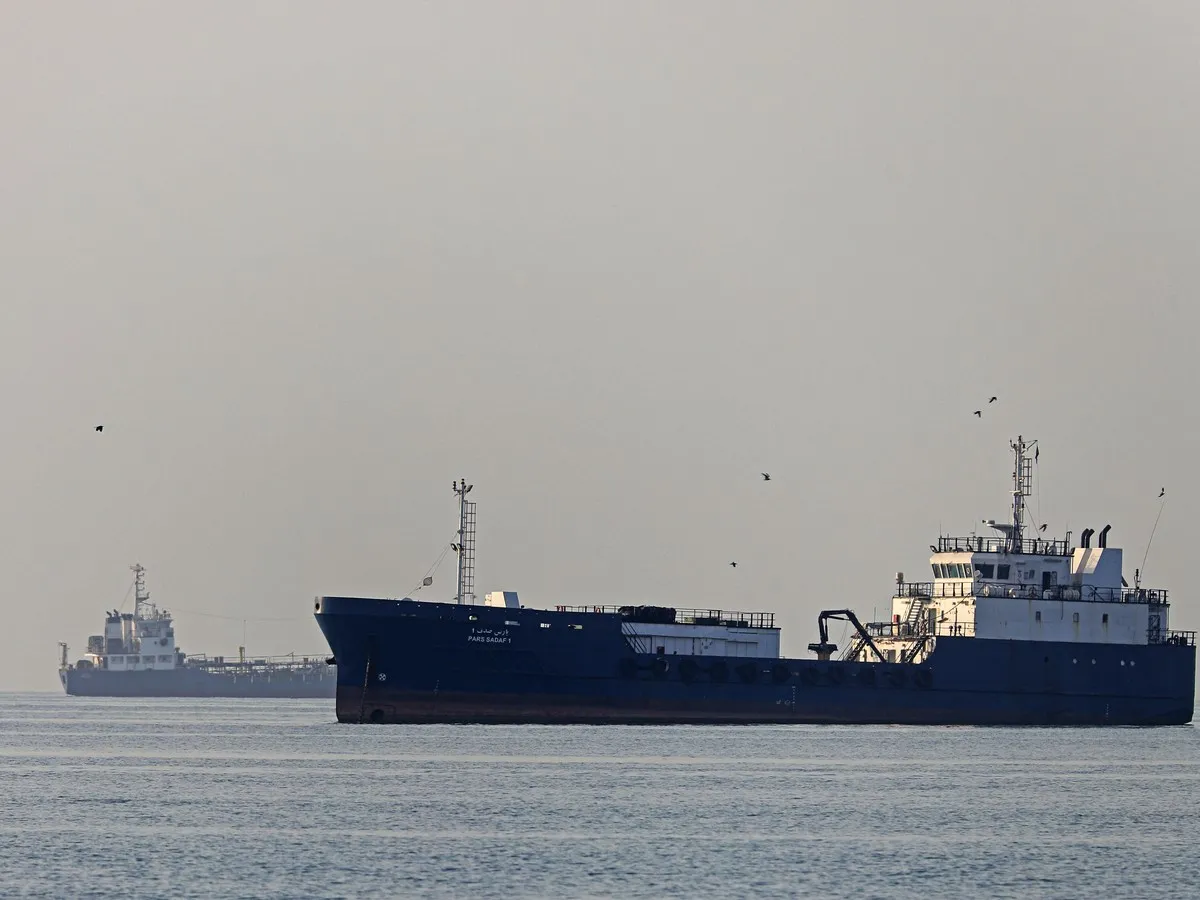
Skip to Content Subscribe Our Offers My Account Manage My Subscriptions FAQ Newsletters Canada Canadian True Crime Canadian Politics Health World Israel & Middle East Financial Post NP Comment Longreads Puzzmo Diversions Comics NP News Quiz New York Times Crossword Horoscopes Life Eating & Drinking Style Sponsored Play for Ontario Travel Travel Canada Travel USA Travel International Cruises Travel Essentials Culture Books Celebrity Movies Music Theatre Television Business Essentials Advice Lives Told Tails Told Shopping Buy Canadian Home Living Outdoor Living Tech Style & Beauty Kitchen & Dining Personal Care Entertainment & Hobbies Gift Guide Travel Guide Deals Savings National Post Store More Sports Hockey Baseball Basketball Football Soccer Golf Tennis Driving Vehicle Research Reviews News Gear Guide Obituaries Place an Obituary Place an In Memoriam Classifieds Place an Ad Celebrations Working Business Ads Archives Healthing Epaper Manage Print Subscription Profile Settings My Subscriptions Saved Articles My Offers Newsletters Customer Service FAQ Newsletters Canada World Financial Post NP Comment Longreads Puzzmo Diversions Life Shopping Epaper Manage Print Subscription HomeNewsWorldDozens of ships sneak past Iran's Hormuz blockade with U.S. help: reportsOutflow still a trickle compared to the roughly 130 ships that passed through the strait every day before the conflict startedLast updated 25 minutes ago You can save this article by registering for free here. Or sign-in if you have an account.In this picture obtained from Iran's ISNA news agency on June 1, 2026, vessels sail at Suru Beach in Bandar Abbas along the Strait of Hormuz. Photo by AMIRHOSSEIN KHORGOOEI /ISNA/AFP via Getty ImagesDozens of commercial ships have reportedly passed through the Strait of Hormuz in recent weeks, even as Iran heavily restricts traffic amid the ongoing war.Enjoy the latest local, national and international news.Exclusive articles by Conrad Black, Barbara Kay and others. Plus, special edition NP Platformed and First Reading newsletters and virtual events.Unlimited online access to National Post.National Post ePaper, an electronic replica of the print edition to view on any device, share and comment on.Daily puzzles including the New York Times Crossword.Support local journalism.Enjoy the latest local, national and international news.Exclusive articles by Conrad Black, Barbara Kay and others. Plus, special edition NP Platformed and First Reading newsletters and virtual events.Unlimited online access to National Post.National Post ePaper, an electronic replica of the print edition to view on any device, share and comment on.Daily puzzles including the New York Times Crossword.Support local journalism.Create an account or sign in to continue with your reading experience.Access articles from across Canada with one account.Share your thoughts and join the conversation in the comments.Enjoy additional articles per month.Get email updates from your favourite authors.Create an account or sign in to continue with your reading experience.Access articles from across Canada with one accountShare your thoughts and join the conversation in the commentsEnjoy additional articles per monthGet email updates from your favourite authorsSign In or Create an AccountorU.S. Central Command, which oversees American military operations in the Middle East, has guided close to 70 commercial ships through the narrow strait over three weeks, the New York Times reported on Sunday, quoting U.S. officials. That’s about three ships a day. Normally, more than 100 ships make the daily passage.The vessels had their transponders turned off to avoid detection and hewed close to the Omani coast, according to the paper.Get a dash of perspective along with the trending news of the day in a very readable format.By signing up you consent to receive the above newsletter from Postmedia Network Inc.A welcome email is on its way. If you don't see it, please check your junk folder.The next issue of NP Posted will soon be in your inbox.We encountered an issue signing you up. Please try again“Though U.S. forces are not escorting, we continue to communicate and coordinate with commercial ships seeking to freely and safely transit the Strait of Hormuz, a critical international corridor for regional and global economies,” Capt. Tim Hawkins of Central Command said in a statement to the Times.Iran has restricted traffic in the strait, which carries more than a fifth of global oil flows, after Israel-U.S. bombing raids decapitated Iran’s leadership and destroyed the country’s nuclear and military sites in late February.Tehran has enforced its blockade by laying sea mines, boarding ships and attacking non-allied vessels attempting passage. More than a thousand ships and some 20,000 seafarers have been stuck in the Persian Gulf since the conflict began on Feb. 28.Many ships continue to venture close to Iran’s coasts, suggesting that deals are being made with Tehran to gain access to the strait, the Times reported. The Persian Gulf Strait Authority (PGSA), a new agency set up by Iran, has enacted a tiered access system, charging some tankers while letting other ships cross for free.The money is passed onto the Islamic Revolutionary Guard Corps, according to the U.S. Treasury department, which has forbidden anyone from making deals with Iran to sail through the strait. Earlier media reports said that Iran was typically charging about US$1 per barrel of oil for ships with ties to the U.S. or Israel.“Regardless of whether a payment is made, U.S. persons are prohibited from receiving services from the Government of Iran, including services related to a guarantee of safe passage,” the department said in a statement on May 29.The U.S. Office of Foreign Assets Control has warned that making financial arrangements with Iran to ensure safe passage would carry sanction risks.“These demands may include several payment options, including fiat currency, digital assets, offsets, informal swaps, or other in-kind payments, such as nominally charitable donations made to the Iranian Red Crescent Society, Bonyad Mostazafan, or Iranian embassy accounts,” the office said in May.Last week, a Bloomberg analysis found that more than 109 large oil tankers trapped in the Persian Gulf have managed to slip out of the Strait of Hormuz. That represented roughly one-quarter of the non-Iranian tankers capable of carrying 700,000 barrels or more.Some ships tried to slip through undetected under the cover of darkness. In one instance, U.S. helicopters showed up “suddenly” and successfully deterred Iranian fast boats approaching a group of vessels attempting to make the dangerous crossing, according to Bloomberg.Media reports have catalogued dozens of ships that have been met with Iranian fire, while some have been captured or sunk in the attempt to leave the channel. United Kingdom Maritime Trade Operations has recorded 44 incidents involving vessels in the Middle East maritime region since March 1. At least 10 people have died.While a modest amount of oil is also diverting the strait via alternative pipelines used by Saudi Arabia and the United Arab Emirates, these outflows are a trickle compared to the roughly 130 ships that passed through the strait every day before the conflict started.The U.S. and Iran agreed to a ceasefire on April 8, but both sides have continued to push for control of the strait. As of June 1, U.S. Central Command said it had redirected 121 commercial vessels near Hormuz since starting its own naval blockade to limit Iran’s shipments on April 13.U.S. President Donald Trump has repeatedly voiced his optimism about reaching a deal, but a peace plan has proven elusive. While full details of the current talks are not known, they include a 60-day ceasefire extension while a larger framework for Iran to remove its enriched uranium is worked out and its toll system dismantled.Iran has said Israel’s expansion of its incursion into Lebanon has stalled negotiations. Trump said on Monday on Truth Social that “all shooting will stop” between Israel and Hezbollah.“There will be no Troops going to Beirut, and any Troops that are on their way, have already been turned back,” Trump said, adding that he also spoken to leaders of Hezbollah. “Israel will not attack them, and they will not attack Israel,” he added.National PostOur website is the place for the latest breaking news, exclusive scoops, longreads and provocative commentary. Please bookmark nationalpost.com and sign up for our daily newsletter, Posted, here. Join the Conversation This website uses cookies to personalize your content (including ads), and allows us to analyze our traffic. Read more about cookies here. By continuing to use our site, you agree to our Terms of Use and Privacy Policy.
Dozens of ships sneak past Iran's Hormuz blockade with U.S. help: reports
Outflow still a trickle compared to the roughly 130 ships that passed through the strait every day before the conflict started
TL;DRAI
U.S. Central Command covertly guided ~70 ships through Iran's Hormuz blockade in three weeks versus normal 130 daily transits. Iran's toll system and sanctions warnings create geopolitical uncertainty in energy supply chains—a cost variable affecting operational budgets.
1,360 words~6 min read