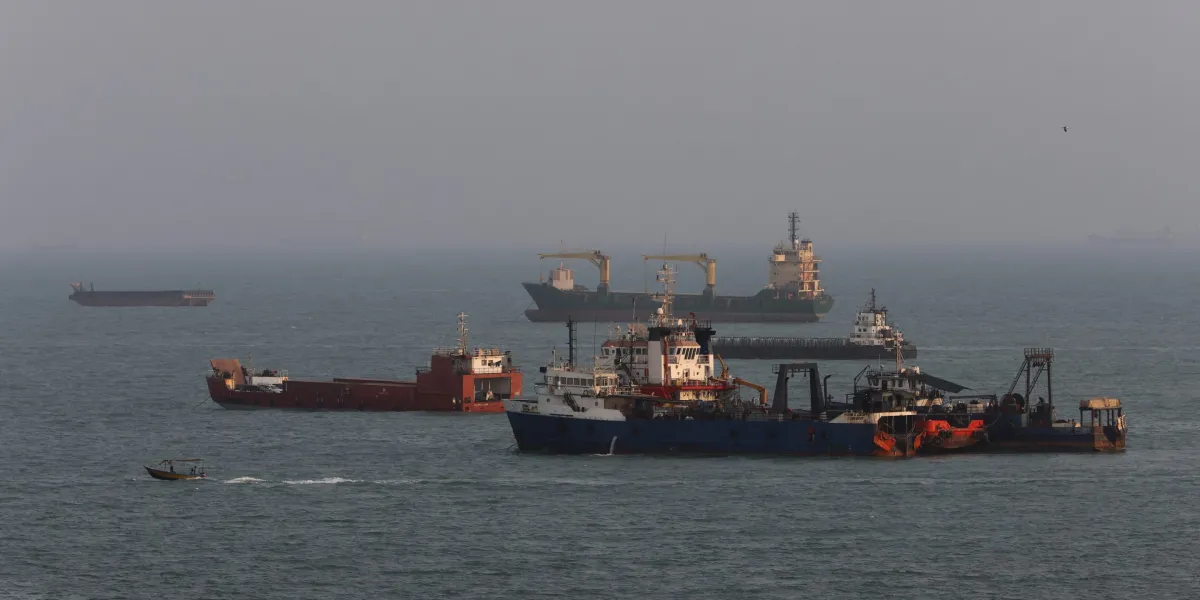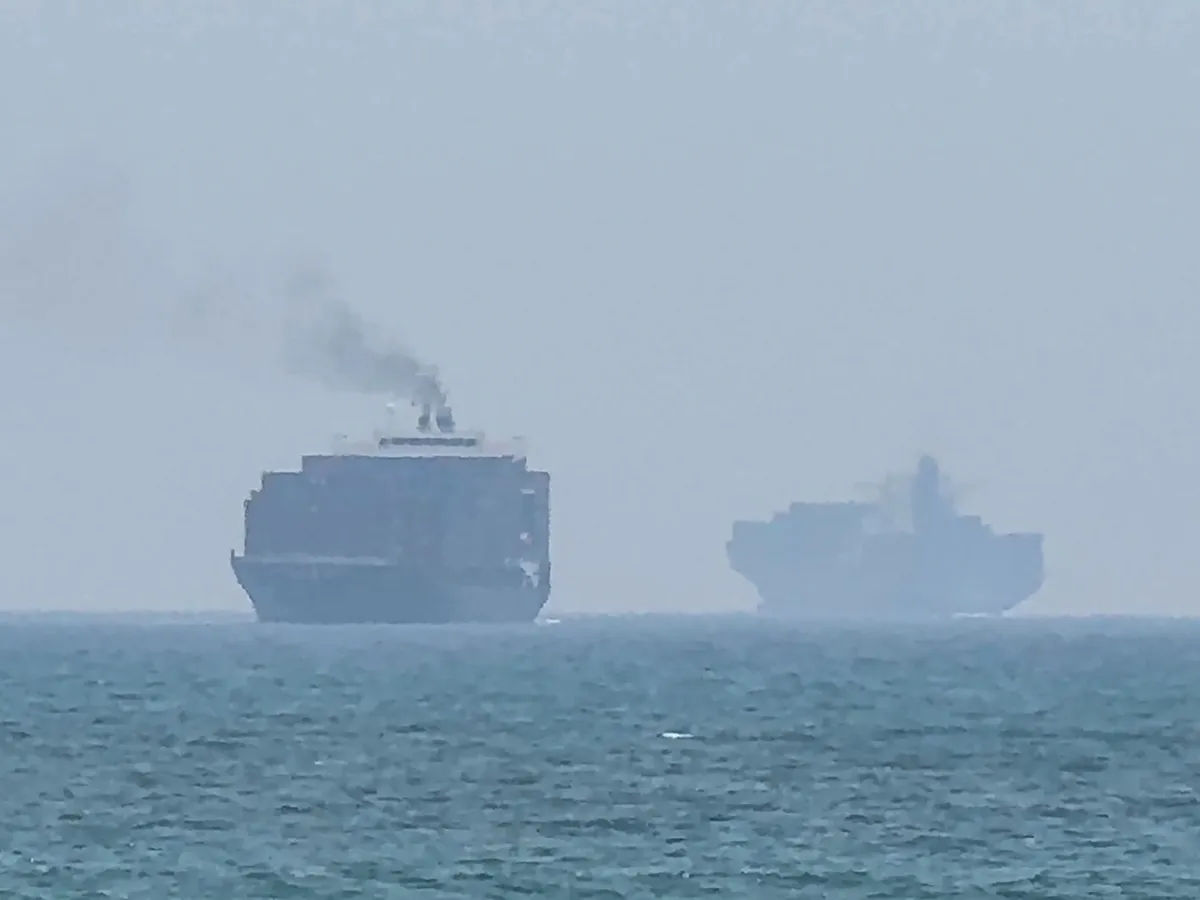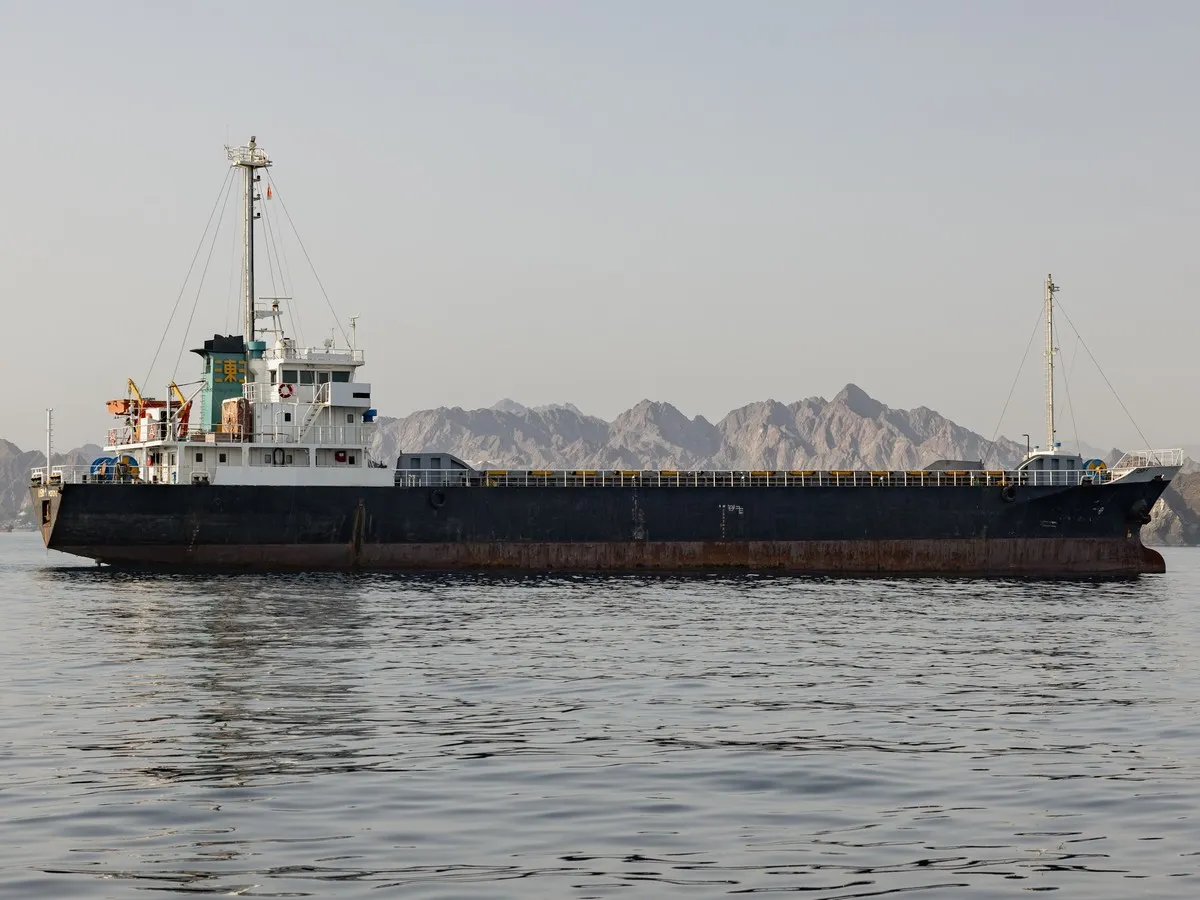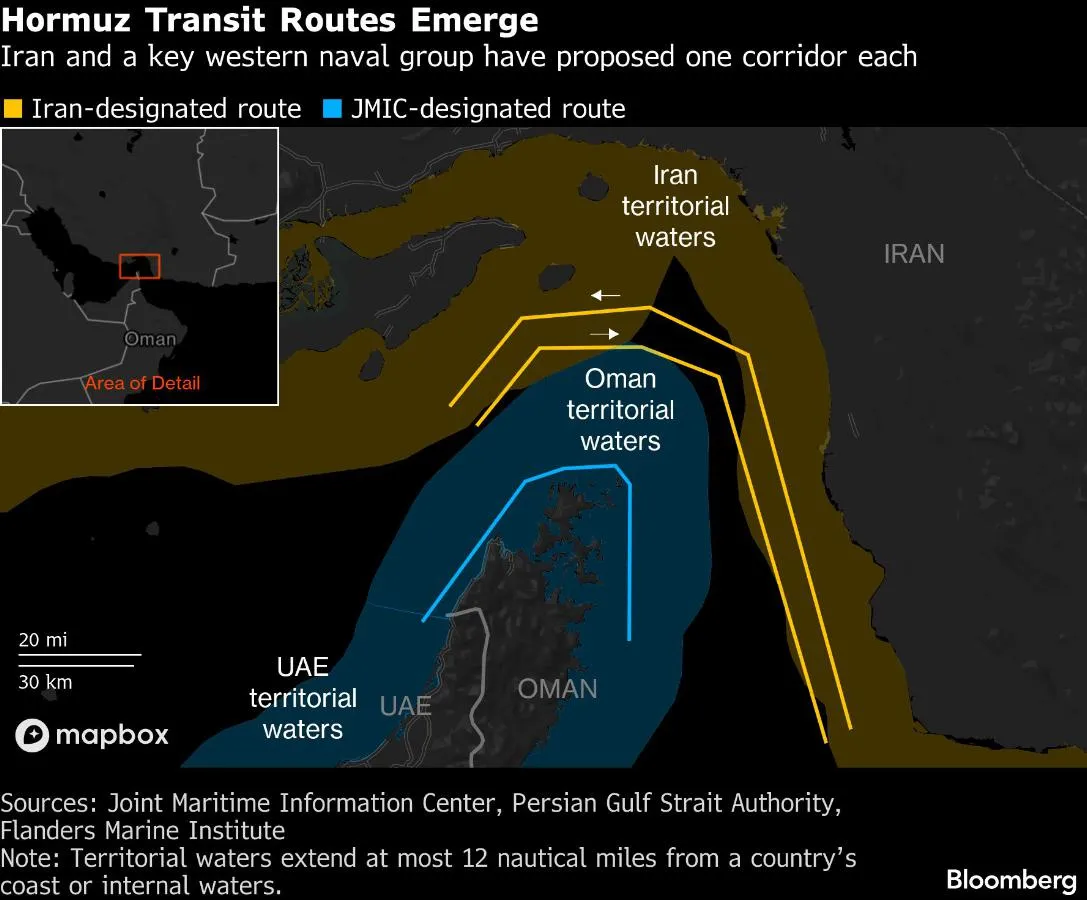
Skip to Content Subscribe Our Offers My Account Manage My Subscriptions FAQ Newsletters Canada Canadian True Crime Canadian Politics Health World Israel & Middle East Financial Post NP Comment Longreads Puzzmo Diversions Comics NP News Quiz New York Times Crossword Horoscopes Life Eating & Drinking Style Sponsored Play for Ontario Travel Travel Canada Travel USA Travel International Cruises Travel Essentials Culture Books Celebrity Movies Music Theatre Television Business Essentials Advice Lives Told Tails Told Shopping Buy Canadian Home Living Outdoor Living Kitchen & Dining Tech Style & Beauty Personal Care Entertainment & Hobbies Gift Guide Travel Guide Amazon Prime Day Deals Savings National Post Store More Sports Hockey Baseball Basketball Football Soccer Golf Tennis Driving Vehicle Research Reviews News Gear Guide Obituaries Place an Obituary Place an In Memoriam Classifieds Place an Ad Celebrations Working Business Ads Archives Healthing Epaper Manage Print Subscription Profile Settings My Subscriptions Saved Articles My Offers Newsletters Customer Service FAQ Newsletters Canada World Financial Post NP Comment Longreads Puzzmo Diversions Life Shopping Epaper Manage Print Subscription HomeNewsWorldIran, Oman hone in on Hormuz Strait deal as ship attacks mountThe finalization of a “shipping map” forms part of a broader accord to govern traffic through the strait You can save this article by registering for free here. Or sign-in if you have an account.Iran’s Foreign Minister Abbas Araghchi said on Saturday that negotiators are closing in on temporary lanes for ships entering and exiting the Persian Gulf. (Bloomberg)Iran and Oman appear to be edging closer to a deal on how the Strait of Hormuz should be managed, agreeing on routes through the key waterway that’s proved a major stumbling block in efforts to end almost six months of war between the Islamic Republic and the US.Enjoy the latest local, national and international news.Exclusive articles by Conrad Black, Barbara Kay and others. Plus, special edition NP Platformed and First Reading newsletters and virtual events.Unlimited online access to National Post.National Post ePaper, an electronic replica of the print edition to view on any device, share and comment on.Daily puzzles including the New York Times Crossword.Support local journalism.Enjoy the latest local, national and international news.Exclusive articles by Conrad Black, Barbara Kay and others. Plus, special edition NP Platformed and First Reading newsletters and virtual events.Unlimited online access to National Post.National Post ePaper, an electronic replica of the print edition to view on any device, share and comment on.Daily puzzles including the New York Times Crossword.Support local journalism.Create an account or sign in to continue with your reading experience.Access articles from across Canada with one account.Share your thoughts and join the conversation in the comments.Enjoy additional articles per month.Get email updates from your favourite authors.Create an account or sign in to continue with your reading experience.Access articles from across Canada with one accountShare your thoughts and join the conversation in the commentsEnjoy additional articles per monthGet email updates from your favourite authorsSign In or Create an AccountorThe finalization of a “shipping map” forms part of a broader accord to govern traffic through the strait and constitutes an independent arrangement between the two states that will uphold their sovereignty and ensure the safe transit of vessels, Defa Press cited Iranian Foreign Ministry spokesman Esmail Baghaei as saying. The state-run news agency didn’t spell out whether ships will be charged transit fees or what security arrangements would be made for them, saying another phase of talks would be held.The move follows a series of attacks in Hormuz, through which a fifth of the world’s oil and gas transited before the war. The U.S. wasn’t party to its negotiation and is unlikely to agree to terms that don’t restore free passage along the route linking the Persian Gulf to the Gulf of Oman and the Arabian Sea.Get a dash of perspective along with the trending news of the day in a very readable format.By signing up you consent to receive the above newsletter from Postmedia Network Inc.A welcome email is on its way. If you don't see it, please check your junk folder.The next issue of NP Posted will soon be in your inbox.We encountered an issue signing you up. Please try againThe price of Brent crude, the global benchmark, rose almost 6% this week as hopes faded of a quick resolution to a deadlock that’s disrupted the flow of oil and other key commodities to global markets. There had been some 65 confirmed incidents involving vessels in Hormuz and the broader Middle East during the conflict and 17 seafarers had died as of Aug. 11, according to the International Maritime Organization.Attacks have continued since then, with the U.K. Maritime Trade Operations saying on Saturday that it had been notified of a projectile striking the hull of a bulk carrier. And two Abu Dhabi National Oil Co. vessels were struck while transiting Hormuz on Thursday and another was hit on Friday evening, according to reports from the United Arab Emirates’ state-run WAM news.Meanwhile, the U.S. is readying new economic measures to force Tehran to capitulate in the war, which began when America and Israel launched air strikes against the Islamic Republic on Feb. 28 and has claimed thousands of lives — most of them in Iran.President Donald Trump told Fox News on Friday that the US plans to hit Iran’s economy hard and he didn’t care if the conflict ends before the November U.S. midterm elections, which will hinge on voter perceptions of the economy.In a speech on Long Island Friday, Trump said a U.S. blockade of Iranian ports was a “wall of steel” that enabled Washington to effectively govern Hormuz. “Pretty soon I’ll be declaring the Hormuz strait a territory of the United States,” he said.Iranian Foreign Minister Abbas Araghchi said an agreement with Oman wouldn’t translate into the strait’s reopening.That “is a separate issue. It depends on fulfilling other conditions that the US must abide by for it to take place,” he said on his Telegram channel on Saturday. While Iran is in contact with mediators from Qatar and Pakistan, who are passing messages between Tehran and Washington, “this does not constitute negotiation. We have not yet made a decision to resume negotiations with the US,” he added.Trump has struggled to find an off-ramp to the war and his push for renewed economic pressure on Iran comes as the U.S. faces a shortfall of key munitions and mounting domestic opposition to an expanded military campaign.Iran’s economy has already taken a major hit, with much of its industrial capacity damaged and crude exports severely curtailed by the U.S. blockade, but waves of sanctions have failed to force it to bend on its nuclear program or relinquish control over the strait.It’s unclear exactly what meaningful additional measures the U.S. could implement without resorting to secondary sanctions on buyers of Iranian oil, such as China. That would likely spark retaliatory action from Beijing and spark more global energy price uncertainty.Volatility in the Middle East extends beyond the U.S.-Iran conflict. Israel continues to clash with Hezbollah in southern Lebanon and Hamas operatives in Gaza, while the Houthis have attacked ships in the Red Sea. All three groups are backed by Iran.Lebanese Prime Minister Nawaf Salam said the Israeli military staged a series of attacks on his country on Saturday, including intensive airstrikes and shelling, that claimed the lives of at least nine people and injured 11. The situation was “of utmost gravity” and undermines efforts for stabilization, he said in a post on X.The Israel Defense Forces earlier said it had hit Hezbollah infrastructure in the Nabatieh and Ansar areas in southern Lebanon in response to action by the militia, and that it would continue operations to counter threats against its soldiers and nationals.“Responsibility for dealing with any military structures, if they exist on Lebanese territory, lies exclusively with the Lebanese state,” Salam said, adding that those who had been killed couldn’t be considered military targets.The latest upsurge in violence threatens to derail a U.S.-brokered ceasefire between the Israeli and Lebanese governments that provides for Hezbollah’s disarmament. It also envisions the IDF eventually withdrawing from territory it has occupied and that the Lebanese army will step in to maintain security.—With assistance from Dan Williams and Yi Wei Wong.Our website is the place for the latest breaking news, exclusive scoops, longreads and provocative commentary. Please bookmark nationalpost.com and sign up for our daily newsletter, Posted, here. Join the Conversation This website uses cookies to personalize your content (including ads), and allows us to analyze our traffic. Read more about cookies here. By continuing to use our site, you agree to our Terms of Use and Privacy Policy.
Iran, Oman hone in on Hormuz Strait deal as ship attacks mount
An independent arrangement between the two states will uphold their sovereignty and ensure the safe transit of vessels.
1,430 words~7 min read