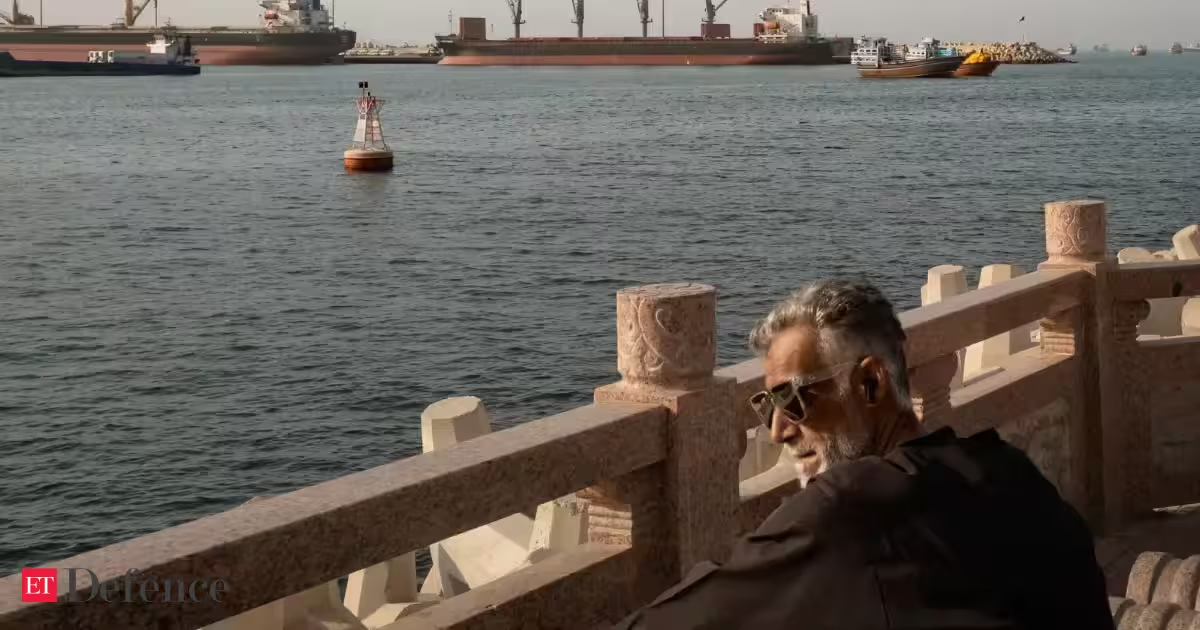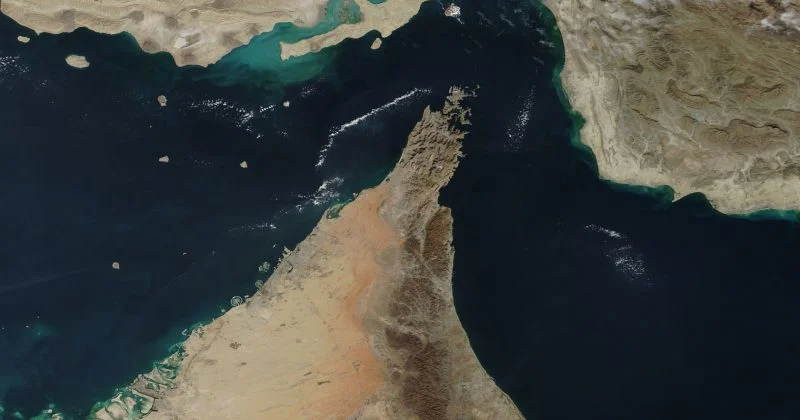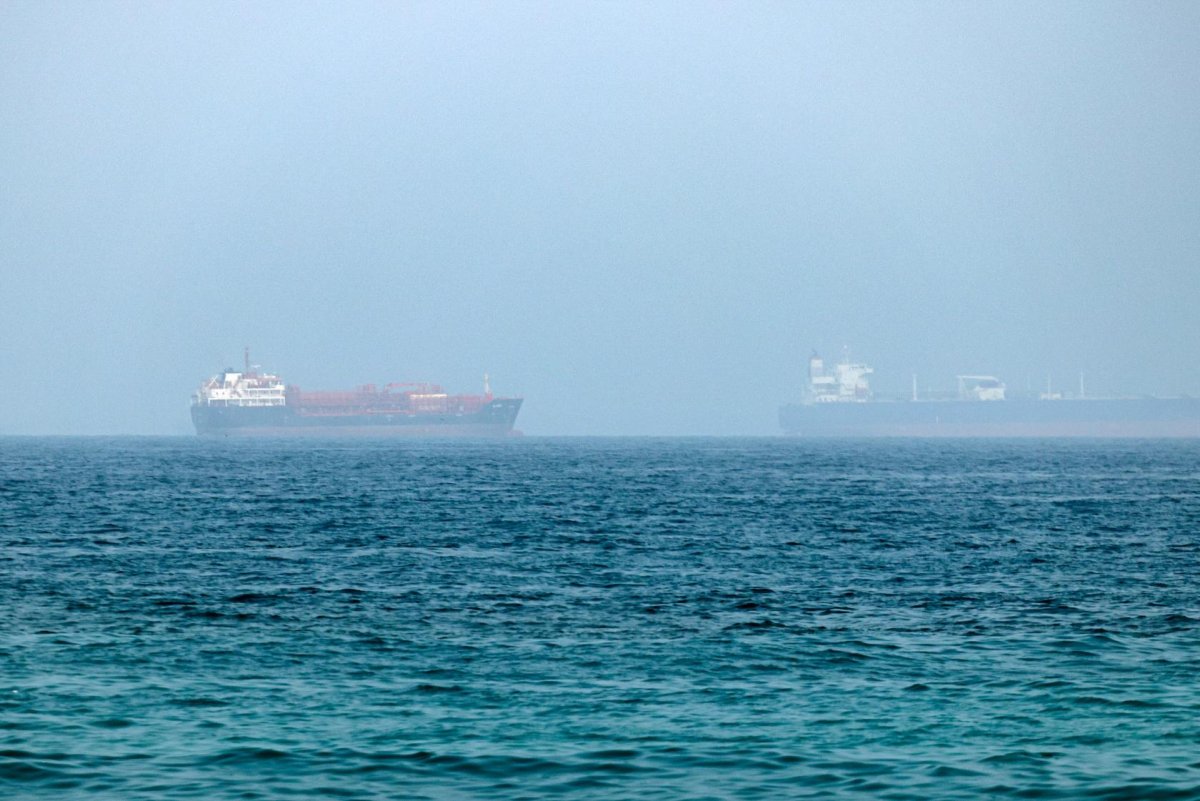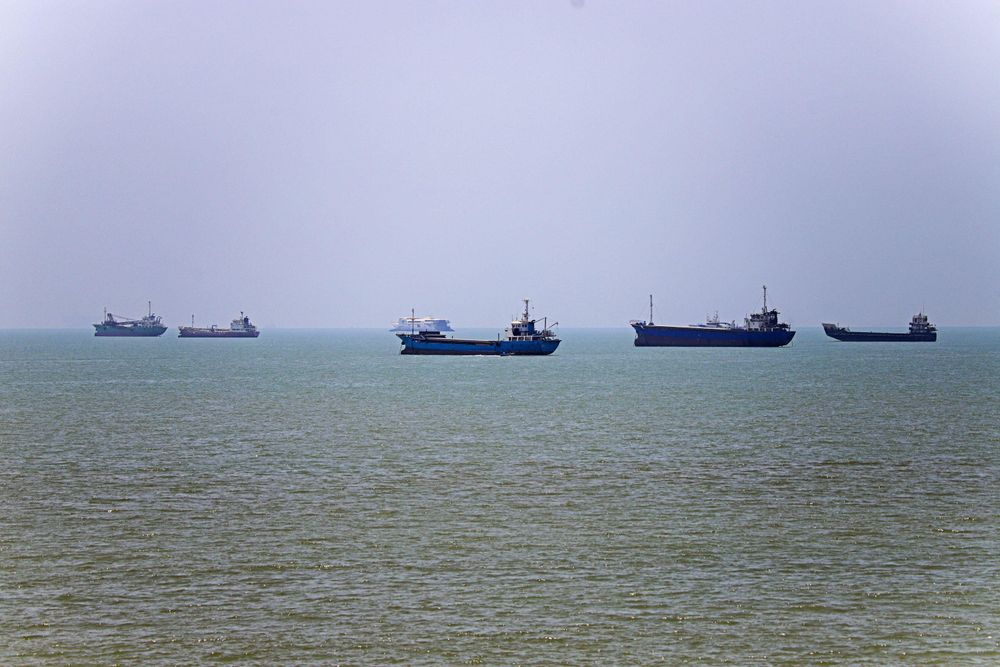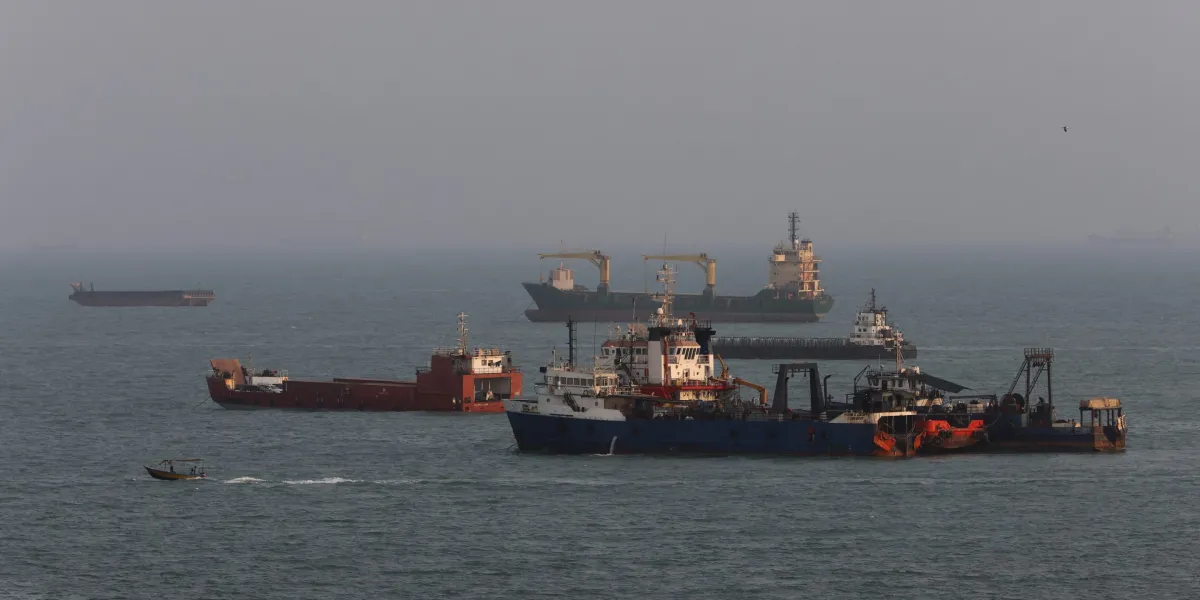
Iran and Oman appear to be edging closer to a deal on how the Strait of Hormuz should be managed, agreeing on routes through the key waterway that’s proved a major stumbling block in efforts to end almost six months of war between the Islamic Republic and the US.
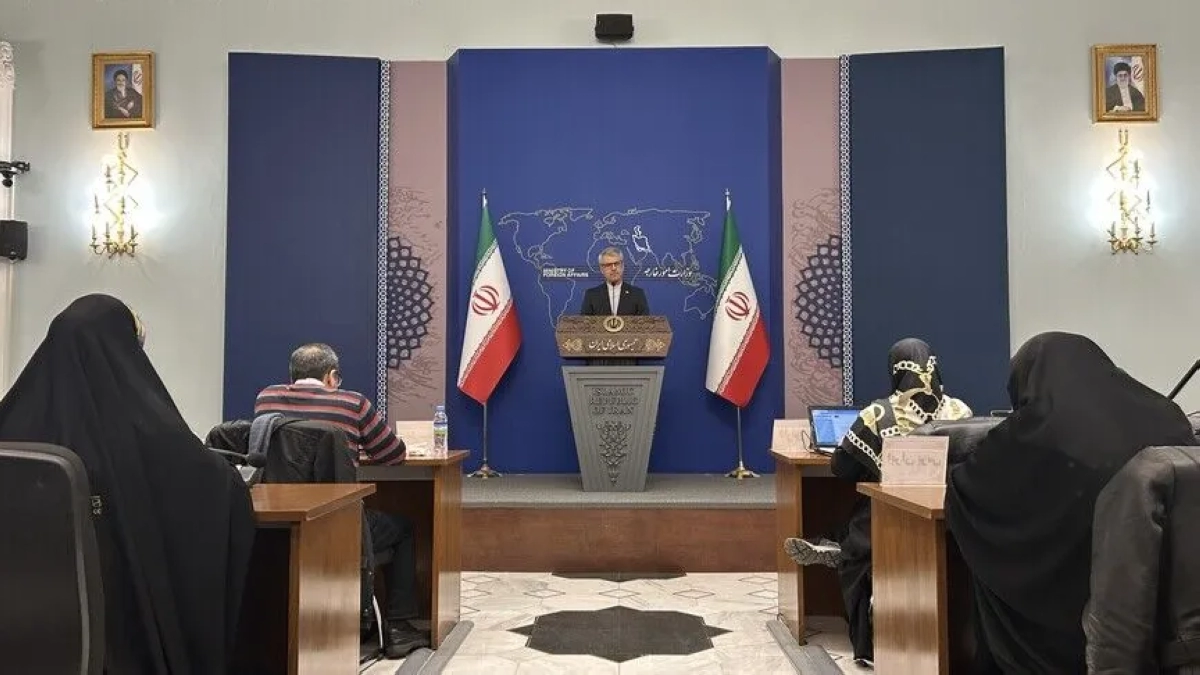
The finalization of a “shipping map” forms part of a broader accord to govern traffic through the strait and constitutes an independent arrangement between the two states that will uphold their sovereignty and ensure the safe transit of vessels, Defa Press cited Iranian Foreign Ministry spokesman Esmail Baghaei as saying. The state-run news agency didn’t spell out whether ships will be charged transit fees or what security arrangements would be made for them, saying another phase of talks would be held.
The move follows a series of attacks in Hormuz, through which a fifth of the world’s oil and gas transited before the war. The US wasn’t party to its negotiation and is unlikely to agree to terms that don’t restore free passage along the route linking the Persian Gulf to the Gulf of Oman and the Arabian Sea.
The price of Brent crude, the global benchmark, rose almost 6% this week as hopes faded of a quick resolution to a deadlock that’s disrupted the flow of oil and other key commodities to global markets. There had been some 65 confirmed incidents involving vessels in Hormuz and the broader Middle East during the conflict and 17 seafarers had died as of Aug. 11, according to the International Maritime Organization.