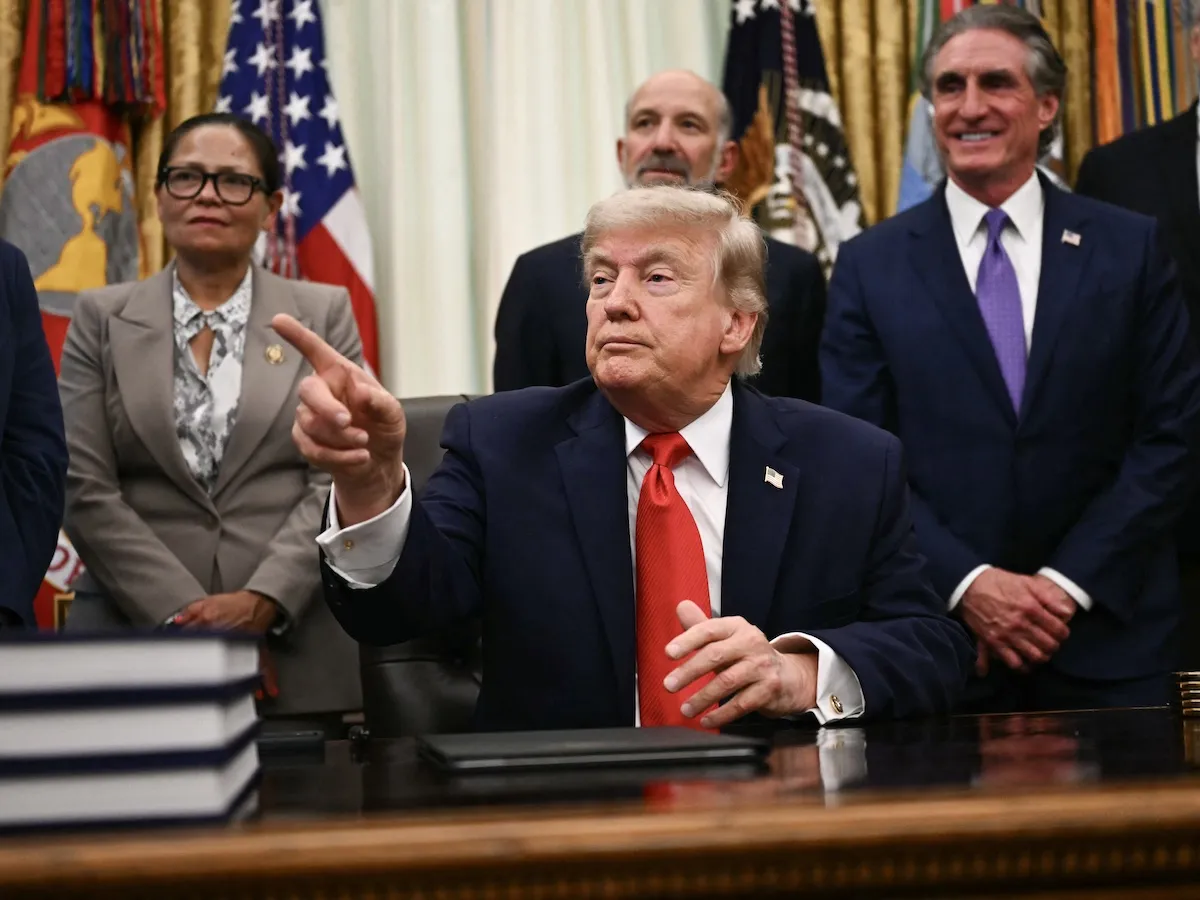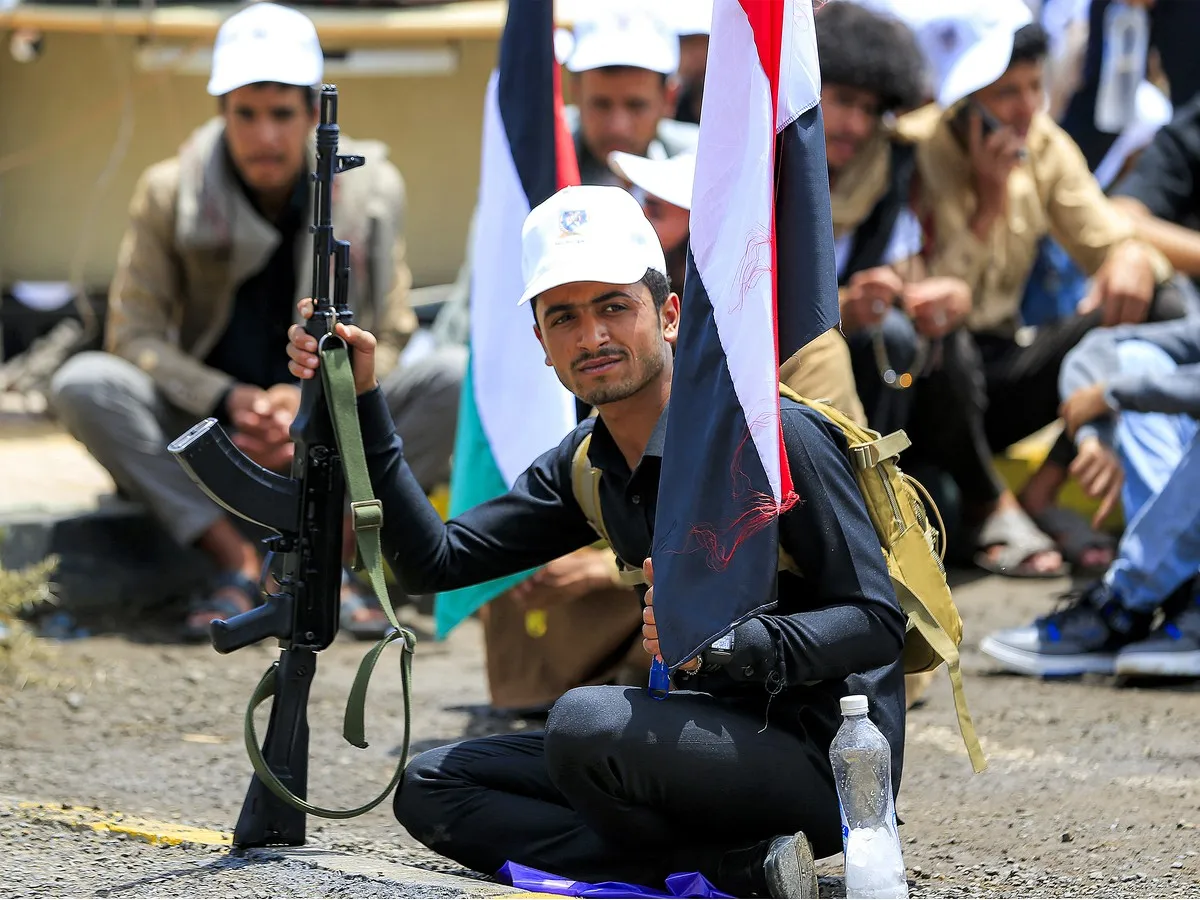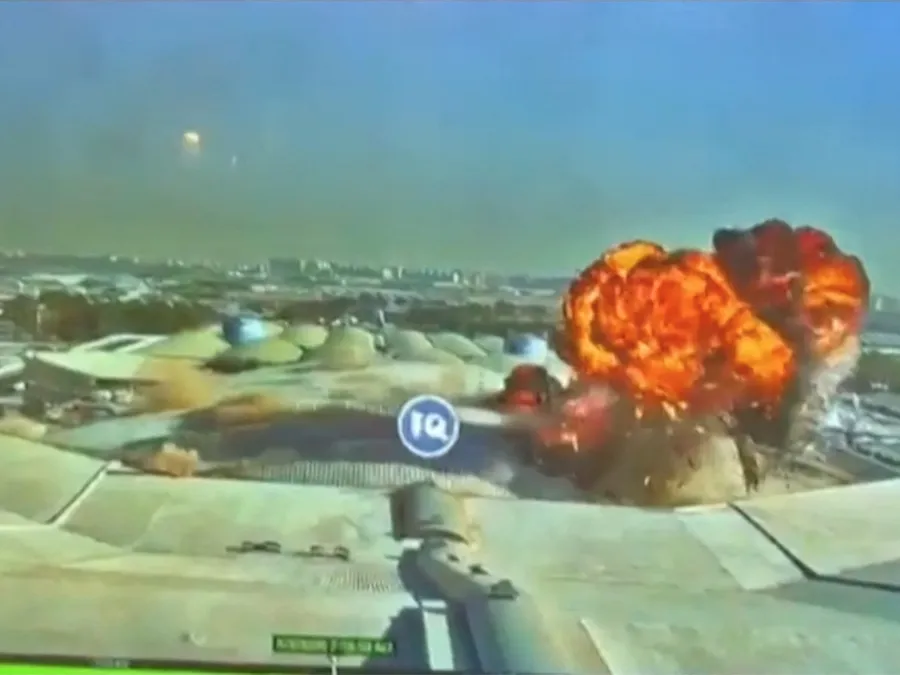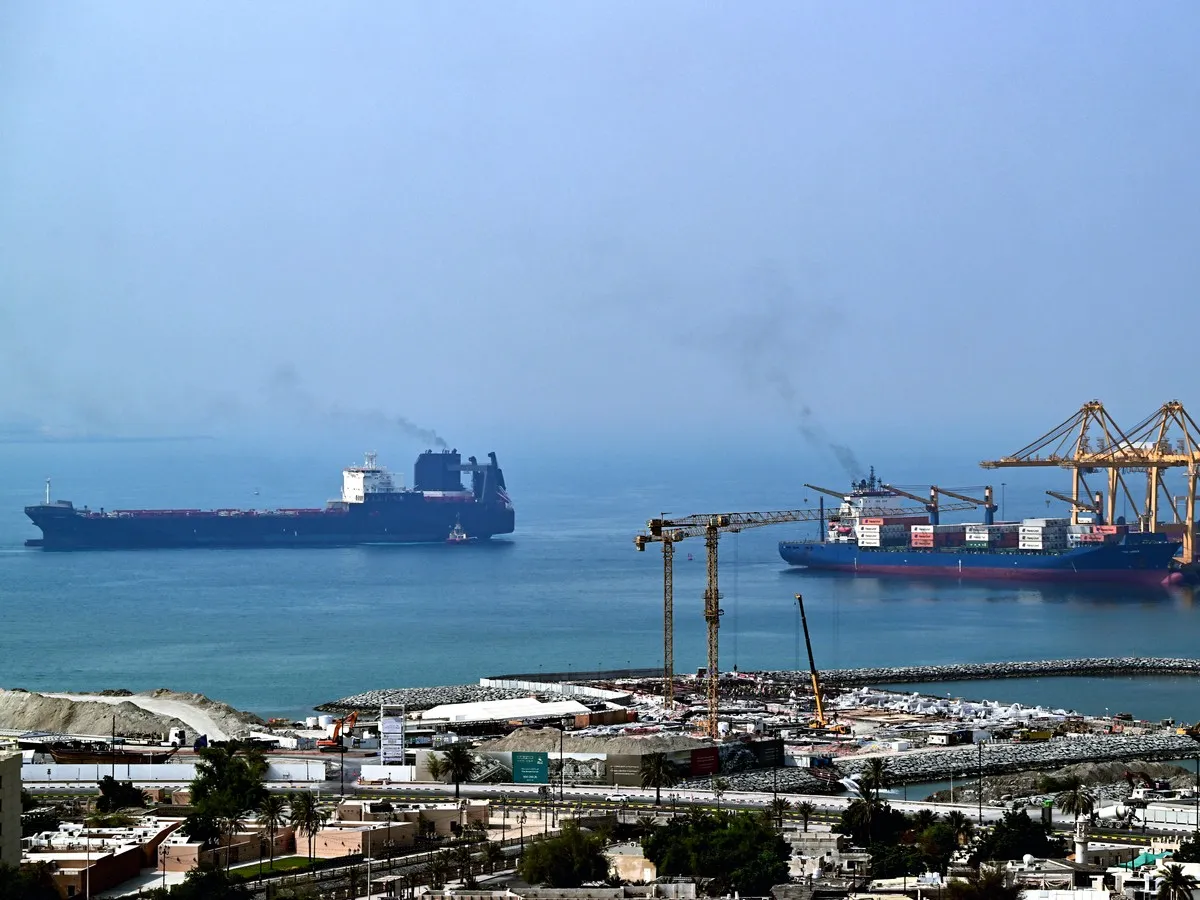
Skip to Content Subscribe Our Offers My Account Manage My Subscriptions FAQ Newsletters Canada Canadian True Crime Canadian Politics Health World Israel & Middle East Financial Post NP Comment Longreads Puzzmo Diversions Comics NP News Quiz New York Times Crossword Horoscopes Life Eating & Drinking Style Sponsored Play for Ontario Travel Travel Canada Travel USA Travel International Cruises Travel Essentials Culture Books Celebrity Movies Music Theatre Television Business Essentials Advice Lives Told Tails Told Shopping Buy Canadian Home Living Outdoor Living Kitchen & Dining Tech Style & Beauty Personal Care Entertainment & Hobbies Gift Guide Travel Guide Amazon Prime Day Deals Savings National Post Store More Sports Hockey Baseball Basketball Football Soccer Golf Tennis Driving Vehicle Research Reviews News Gear Guide Obituaries Place an Obituary Place an In Memoriam Classifieds Place an Ad Celebrations Working Business Ads Archives Healthing Epaper Manage Print Subscription Profile Settings My Subscriptions Saved Articles My Offers Newsletters Customer Service FAQ Newsletters Canada World Financial Post NP Comment Longreads Puzzmo Diversions Life Shopping Epaper Manage Print Subscription HomeNP CommentMohamed Fahmy: Trump is taking away Iran's sanctuaryThe U.S. has expanded targets to bridges and railways while the Islamic regime's munitions depleteLast updated 8 hours ago You can save this article by registering for free here. Or sign-in if you have an account.*** BESTPIX *** TOPSHOT - Ships are docked along a pier at the Khor Fakkan Container Terminal, the only natural deep-sea port in the region and one of the major container ports in Sharjah Emirate, along the Gulf of Oman on July 14, 2026. Tehran announced it was closing the Strait of Hormuz on July 12 and launched missiles and drones at its Gulf neighbours, in retaliation for new US strikes following an attack by Iranian forces on a merchant vessel that was abandoned in flames by its crew. AFP via Getty ImagesThe United States and Iran have entered a dangerous new phase of their conflict. Fierce military confrontations around the Strait of Hormuz have escalated pushing the Middle East to a wider regional conflict. As casualties mount and attacks spread beyond the immediate battlefield, the fighting now threatens not only regional stability but the global economy through one of the world’s most critical energy chokepoints.Enjoy the latest local, national and international news.Exclusive articles by Conrad Black, Barbara Kay and others. Plus, special edition NP Platformed and First Reading newsletters and virtual events.Unlimited online access to National Post.National Post ePaper, an electronic replica of the print edition to view on any device, share and comment on.Daily puzzles including the New York Times Crossword.Support local journalism.Enjoy the latest local, national and international news.Exclusive articles by Conrad Black, Barbara Kay and others. Plus, special edition NP Platformed and First Reading newsletters and virtual events.Unlimited online access to National Post.National Post ePaper, an electronic replica of the print edition to view on any device, share and comment on.Daily puzzles including the New York Times Crossword.Support local journalism.Create an account or sign in to continue with your reading experience.Access articles from across Canada with one account.Share your thoughts and join the conversation in the comments.Enjoy additional articles per month.Get email updates from your favourite authors.Create an account or sign in to continue with your reading experience.Access articles from across Canada with one accountShare your thoughts and join the conversation in the commentsEnjoy additional articles per monthGet email updates from your favourite authorsSign In or Create an AccountorThe fragile ceasefire has completely collapsed.This newsletter from NP Comment tackles the topics you care about. (Subscriber-exclusive edition on Fridays)By signing up you consent to receive the above newsletter from Postmedia Network Inc.We encountered an issue signing you up. Please try againBetween July 6 and July 12, Iranian drones and missiles struck multiple merchant vessels, including a Cyprus-flagged container ship, shattering any remaining illusion that the dispute could be contained through diplomacy.The U.S. bombed more than 440 targets across Iran, Tehran announced the closure of the Strait of Hormuz.My fears from the first day of the so-called negotiations was that Iran was using diplomacy to buy time while seeking de facto control over Hormuz — the strategic chokepoint through which roughly 20 per cent of the world’s oil passes and a potential cash cow for rebuilding its economy.In a conversation Tuesday with Mohamed Tawhidi, the Australian Shia imam born in Iran and a prominent critic of Islamic extremism, he reiterated to me the views he shared on X after the fighting resumed.:“The regime in Iran speaks of de-escalation when it needs time, and threatens war when it feels it has regained the initiative. It seeks sanctions relief, then channels the funds and influence toward financing its militias. It casts itself as the aggrieved party while extorting ships, threatening states and dragging the region from one crisis to the next.”Iran also launched missiles and drones targeting U.S. bases in Kuwait, Bahrain, Oman, Jordan, and Qatar, injuring three civilians with falling shrapnel. The retaliation was predictable. Since the war began on Feb. 28, Tehran has responded to every U.S. attack with strikes on American allies in the region.The most intense wave of Iranian attacks was directed at Bahrain and Kuwait, where the armed forces intercepted six missiles and 33 drones since last night. An Iranian strike also targeted a Kuwaiti naval vessel, injuring four naval officers.The fighting around the Strait of Hormuz, near the coasts of Iran and Oman, has reached dangerous and unprecedented levels. The Ministry of Defense of the United Arab Emirates reported that two Iranian cruise missiles struck two Emirati supertankers transiting the southern channel of the strait in Omani waters. One crew member aboard the Mombasa was killed and eight others injured.Another troubling sign of escalation is the widening of the conflict through the Iranian-backed Houthis in Yemen, who had largely remained on the sidelines until they launched ballistic missiles and drones at southern Saudi Arabia, striking Abha International Airport and the Tihama power stations for the first time since 2022.President Donald Trump responded Monday night by declaring that the U.S. naval blockade on Iranian ports will be reinstated on Tuesday and announced that the United States would serve as the “guardian” of the Strait of Hormuz, promising to impose a 20 per cent transit fee on all cargo passing through the strategic waterway, only to drop that plan Tuesday.What is evident in this round of fighting is that Washington has significantly expanded its target set. In recent days, U.S. strikes have moved beyond military objectives to critical civilian infrastructure inside Iran, including bridges and rail networks and targets on Kharg Island around the Iranian oil hub which handles approximately 90 per cent of Iran’s crude oil exports.As the renewed fighting entered its third consecutive night, I spoke with Greg Roman, Executive Director of the Middle East Forum and an expert on the Iranian political sphere to assess how the latest escalation could reshape the regional balance of power.“The bridge strikes mark a shift from degrading Iran’s ability to shoot to degrading its ability to sustain. The first rounds hit the shooters: small boats, air defenses, coastal surveillance, missile and drone storage, and naval logistics along the coastline. The strikes on the Golestan railway bridges, roughly 900 miles from the strait, hit the arteries. That line runs to Turkmenistan and anchors Iran’s overland trade with Central Asia, China and Russia, Roman said.“Those corridors are how Iran moves goods, evades sanctions and sustains itself when its ports face pressure. Cutting them tells Tehran the sanctuary is gone. Nothing that feeds the war effort is off the table. Trump has already named the next rungs: electric plants, desalination plants, Kharg Island.”This comes at a time when Iran’s ability retaliate is severely diminished.“Its missile stocks are drawn down, its air defenses are being re-attrited, and every week the strait stays contested, Iran strangles its own oil lifeline, which runs through the same waterway,” explained Roman. “A wounded regime with a new, unproven Supreme Leader must look avenged without inviting the strike that ends it. That is a narrow ledge, and it is getting narrower.”If the Houthis close the Bab el-Mandab waterway while contesting the Strait of Hormuz—the consequences will extend far beyond the battlefield. Together, the two waterways carry nearly 30 percent of the world’s seaborne oil and a significant share of global container traffic. Any sustained disruption could send crude prices soaring to between $150 and $200 a barrel, triggering a global economic shock while pushing the Middle East into an even darker and potentially uncontrollable phase of the conflict.National Post Join the Conversation This website uses cookies to personalize your content (including ads), and allows us to analyze our traffic. Read more about cookies here. By continuing to use our site, you agree to our Terms of Use and Privacy Policy.
Mohamed Fahmy: Trump is taking away Iran's sanctuary
The U.S. has expanded targets to bridges and railways while the Islamic regime's munitions deplete
1,458 words~7 min read