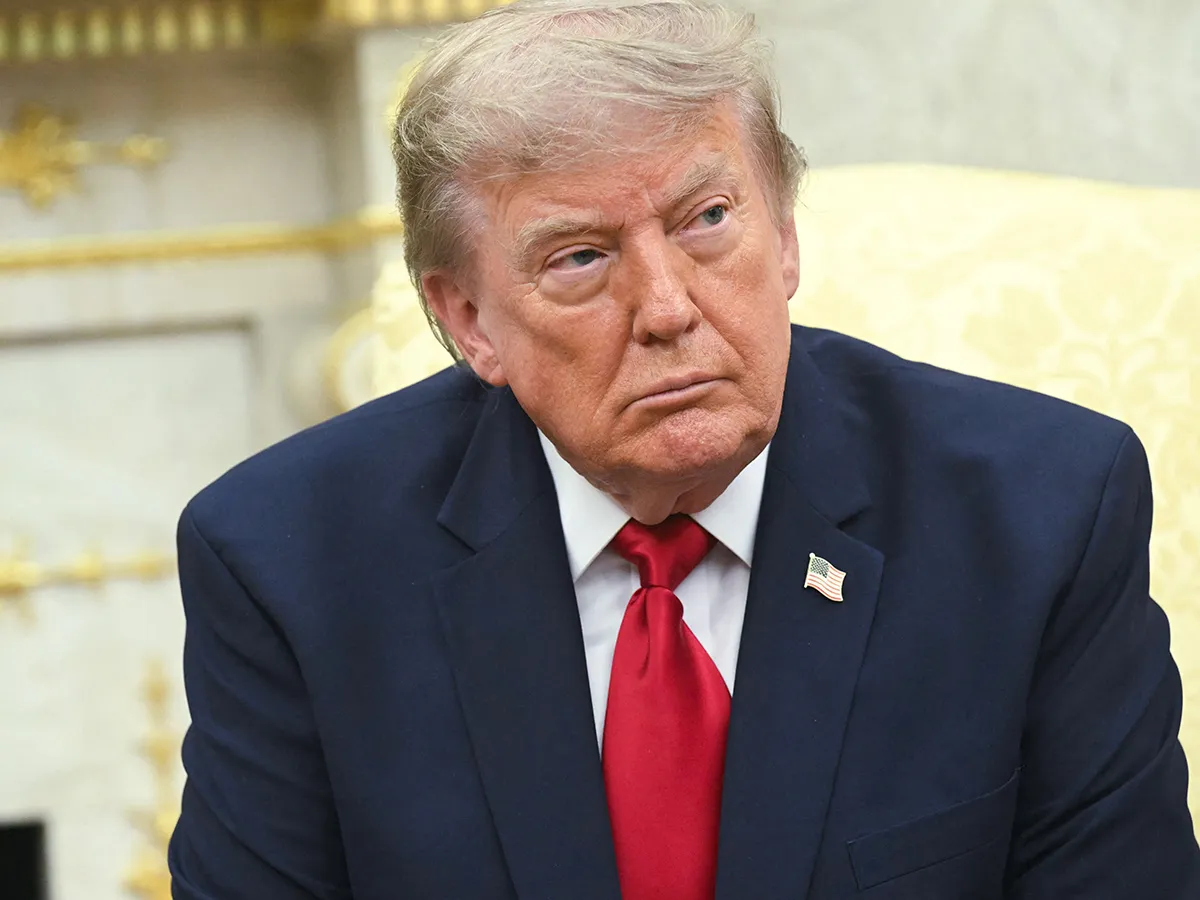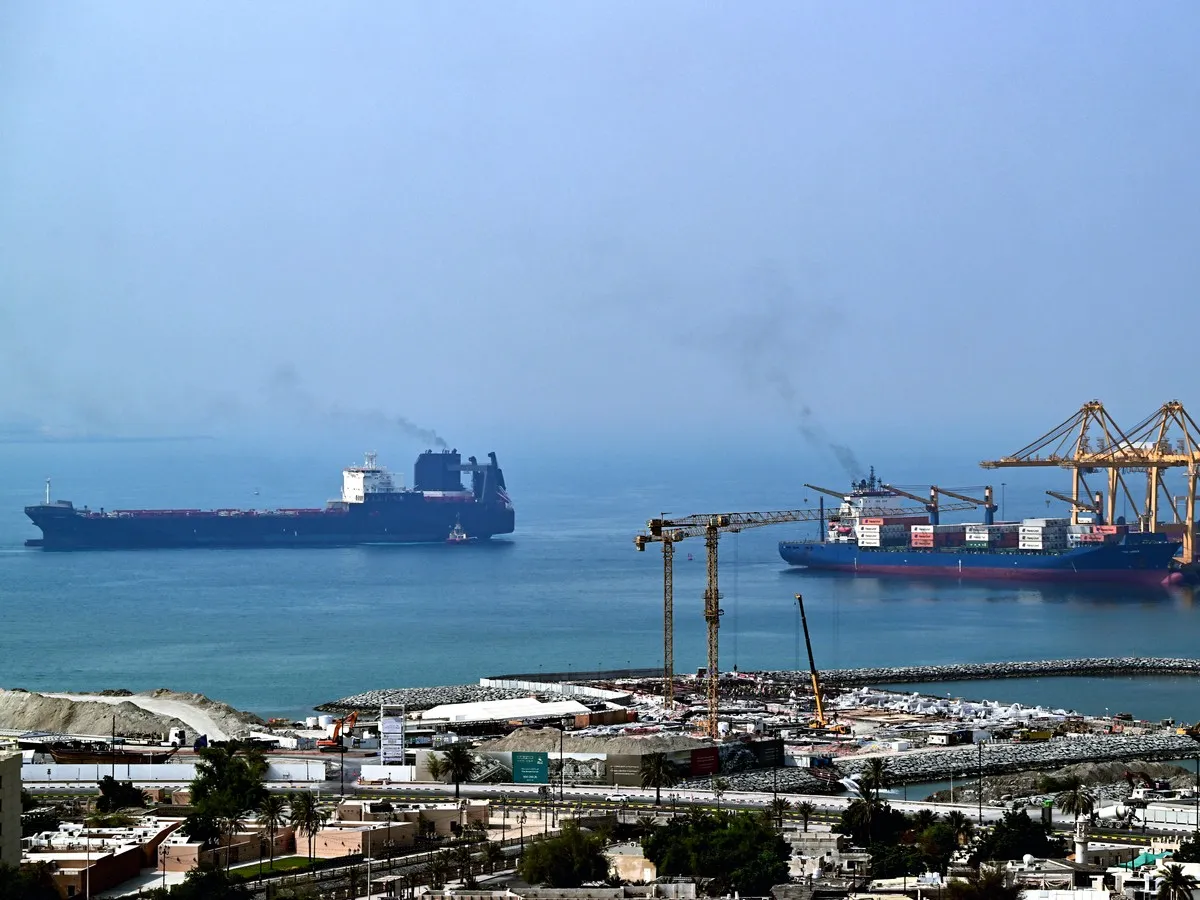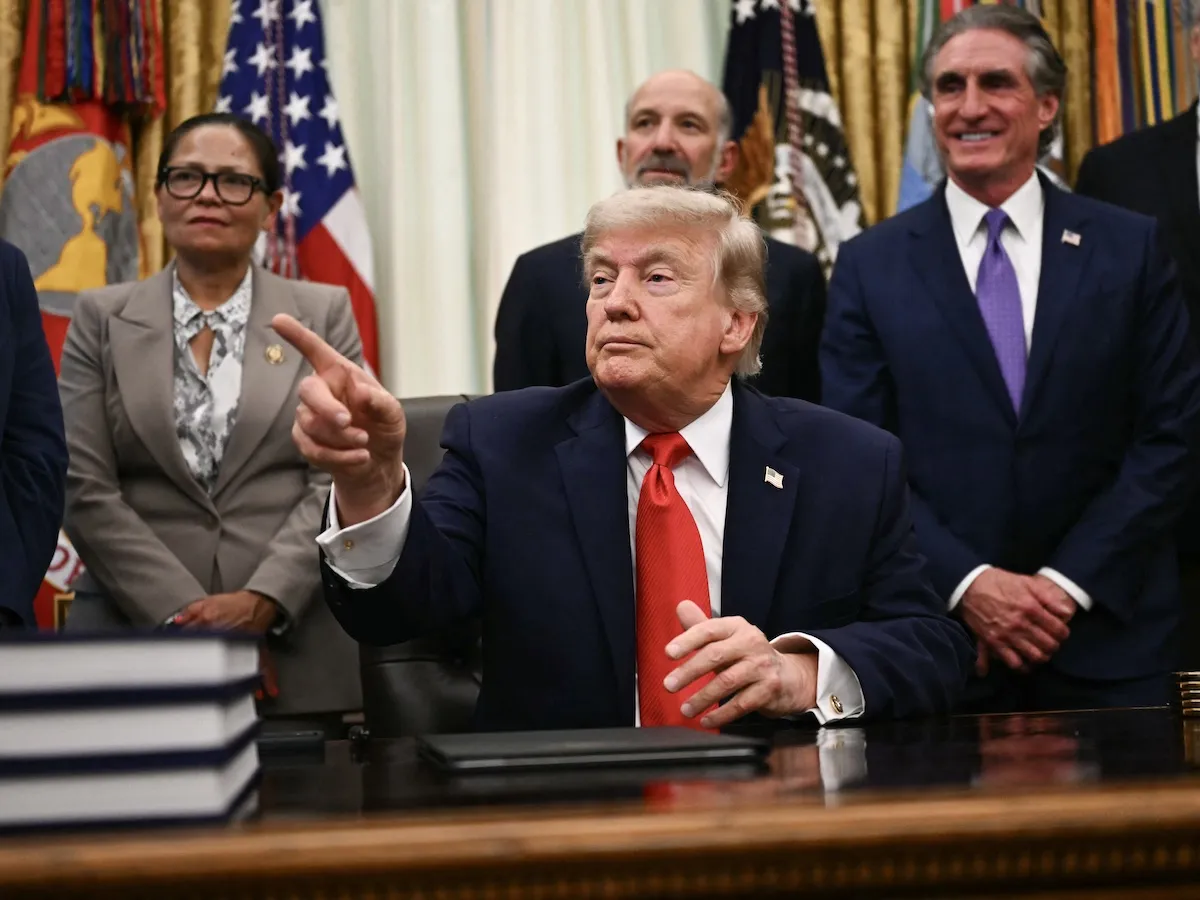
Skip to Content Subscribe Our Offers My Account Manage My Subscriptions FAQ Newsletters Canada Canadian True Crime Canadian Politics Health World Israel & Middle East Financial Post NP Comment Longreads Puzzmo Diversions Comics NP News Quiz New York Times Crossword Horoscopes Life Eating & Drinking Style Sponsored Play for Ontario Travel Travel Canada Travel USA Travel International Cruises Travel Essentials Culture Books Celebrity Movies Music Theatre Television Business Essentials Advice Lives Told Tails Told Shopping Buy Canadian Home Living Outdoor Living Kitchen & Dining Tech Style & Beauty Personal Care Entertainment & Hobbies Gift Guide Travel Guide Amazon Prime Day Deals Savings National Post Store More Sports Hockey Baseball Basketball Football Soccer Golf Tennis Driving Vehicle Research Reviews News Gear Guide Obituaries Place an Obituary Place an In Memoriam Classifieds Place an Ad Celebrations Working Business Ads Archives Healthing Epaper Manage Print Subscription Profile Settings My Subscriptions Saved Articles My Offers Newsletters Customer Service FAQ Newsletters Canada World Financial Post NP Comment Longreads Puzzmo Diversions Life Shopping Epaper Manage Print Subscription HomeNP CommentMohamed Fahmy: Trump nears peace deal with Iran for the 38th timeThe U.S. and Iran came close to all out war this weekLast updated 8 hours ago You can save this article by registering for free here. Or sign-in if you have an account.US President Donald Trump speaks before signing a proclamation in the Oval Office of the White House in Washington, DC, on June 11, 2026. (Photo by Kent NISHIMURA / AFP via Getty Images)The exchange of fresh strikes between the United States and Iran for two consecutive nights following the downing of a U.S. Apache helicopter raises the spectre of a return to full-scale war amidst rhetoric of a slim progress in negotiations.Enjoy the latest local, national and international news.Exclusive articles by Conrad Black, Barbara Kay and others. Plus, special edition NP Platformed and First Reading newsletters and virtual events.Unlimited online access to National Post.National Post ePaper, an electronic replica of the print edition to view on any device, share and comment on.Daily puzzles including the New York Times Crossword.Support local journalism.Enjoy the latest local, national and international news.Exclusive articles by Conrad Black, Barbara Kay and others. Plus, special edition NP Platformed and First Reading newsletters and virtual events.Unlimited online access to National Post.National Post ePaper, an electronic replica of the print edition to view on any device, share and comment on.Daily puzzles including the New York Times Crossword.Support local journalism.Create an account or sign in to continue with your reading experience.Access articles from across Canada with one account.Share your thoughts and join the conversation in the comments.Enjoy additional articles per month.Get email updates from your favourite authors.Create an account or sign in to continue with your reading experience.Access articles from across Canada with one accountShare your thoughts and join the conversation in the commentsEnjoy additional articles per monthGet email updates from your favourite authorsSign In or Create an AccountorThe fact that it took Washington nearly 18 hours to confirm that an AH-64 Apache helicopter had been downed on Tuesday by an Iranian drone over the Strait of Hormuz — despite the successful rescue of its two pilots within hours — raises questions about whether U.S. officials initially hesitated to disclose the loss. The delay came as President Trump continued to portray the conflict as effectively over, fuelling speculation that concerns over optics and political messaging may have shaped the timing of the announcement.The face-saving move came when the United States launched on Tuesday what it called “very powerful” retaliatory and “self-defence” airstrikes on strategic targets in southern Iran near the Strait of Hormuz. The narrow waterway has become Tehran’s strongest bargaining chip, with Iran repeatedly threatening and obstructing oil tankers and commercial shipping in one of the world’s most vital trade corridors — a campaign many view as a form of modern-day piracy.This newsletter from NP Comment tackles the topics you care about. (Subscriber-exclusive edition on Fridays)By signing up you consent to receive the above newsletter from Postmedia Network Inc.We encountered an issue signing you up. Please try againOn Wednesday, President Trump sat in the Oval Office surrounded by his national security team and warned: “We hit them hard yesterday, and we’re going to hit them hard again today,” intensifying his rhetoric as he sought to pressure Tehran into accepting a deal.Within hours, the United States launched another wave of strikes across Iran, once again describing the attacks as “self-defence.” The operation targeted strategic sites along the southern coast near the Strait of Hormuz, reportedly hitting air-defence systems, and military installations.Trump’s daily proclamations about an imminent deal with Iran, coupled with claims that its military is a “complete and total mess” and that “the Bully of the Middle East is DEAD!!!,” appear designed to shape perception rather than describe reality. The message is clear: reassure jittery financial markets, project strength abroad, and convince American voters that he is prevailing in the conflict.The “bully” is not dead.After the U.S. strike on Iran in retaliation for the Apache helicopter shoot-down on Tuesday, I received messages from my family in Kuwait confirming what I had expected. Once again, as had occurred since the outset of the war on Feb. 28, Iranian missiles and drones were launched toward the country. Although their apparent targets were U.S. military bases in the desert, the sound of interceptions was loud enough to wake entire neighbourhoods, while distant blasts rattled homes in the middle of the night. Similar attacks were directed at U.S. bases in Jordan and Bahrain — a stark reminder that Iran remains capable of projecting force across the Gulf despite repeated claims that it has been decisively defeated.Earlier this week, Iran’s largely intercepted strikes on Israel revealed more than military intent; they exposed a strategic shift. For decades, Tehran confronted its adversaries indirectly through proxies such as Hezbollah and the Houthis, relying on covert operations and carefully measured retaliation. That doctrine now appears to be changing.By striking Israel directly in response to attacks in Beirut, Tehran signaled that its red lines extend far beyond its borders. The message was unmistakable: Iran’s leadership and the Iranian Revolutionary Guard are increasingly willing to abandon the shadows and accept greater risks in a bid to restore deterrence and project power across the region.Following the Apache shoot-down and Washington’s military response, Tehran appeared eager to shift the narrative. In a post on X, Iranian Foreign Minister Abbas Araghchi suggested that foreign forces operating near Iran’s borders should expect the risks of “human error, accidents, or being caught in the crossfire.” His proposed solution was straightforward: foreign militaries should leave the region.Yet the message was hardly conciliatory. While claiming that Iran prefers the “language of diplomacy,” Araghchi warned that Tehran is equally capable of “speaking other languages” — a thinly veiled threat that any further U.S. escalation would trigger a firm Iranian response.Iran’s denial of responsibility for the Apache shoot-down, despite U.S. confirmation of the incident, and its rapid return to the familiar demand that “foreign militaries leave the region” illustrate the kind of strategic ambiguity that some celebrate as statecraft and others view as duplicity. Either way, it makes peace harder to achieve.The obstacles are obvious. The Gulf states will not part with the American military presence that underpins their security. The United States will not relax its pressure campaign while Iran threatens one of the world’s most vital shipping lanes in the Strait of Hormuz. And Israel will not stop pursuing Hezbollah while the Lebanese government remains unable to disarm a heavily armed organization that has long functioned as a state within a state.As a result, the war’s underlying drivers remain intact.In a rare televised interview from inside Iran on Friday, conducted by CNN’s Fred Pleitgen — my former colleague at CNN — Mohsen Rezaei, a senior military adviser to Supreme Leader Ayatollah Mojtaba Khamenei, revealed that Tehran has requested the release of $24 billion in frozen assets as a “test of trust” to revive stalled negotiations, insisting that the next move rests with President Trump. His comments carry considerable weight given his longstanding ties to Iran’s security establishment and decision-making circles.Rezaei also reiterated Iran’s claim to a greater role in managing the Strait of Hormuz, arguing that Iran and Oman should jointly oversee the strategic waterway through which a significant share of global oil and LNG shipments once passed. The proposal has been rejected by Washington and other international actors, who view free navigation through the strait as a global norm rather than a regional bargaining chip.Following Tuesday night’s so-called U.S. “self-defence” strikes, Iran once again retaliated by launching missiles toward U.S. military installations in Kuwait, Bahrain, and Jordan. Most were intercepted, but the cycle of escalation remains a threat.Washington, however, appears intent on raising the stakes. Speaking at U.S. Central Command (CENTCOM), Defense Secretary Pete Hegseth declared, “If we need to negotiate with bombs, we’ll negotiate with bombs, and we’re very good at it.”President Trump’s may believe that his repeated threats and bombing campaigns will force Iran to consolidate at thje negotiating table although Tehran has long viewed diplomacy under military pressure as surrender.Perhaps the clearest indication of what may come next came from Ebrahim Azizi, head of Iran’s National Security Commission, who warned after the Apache helicopter shoot-down: “This time, the war won’t be limited to the region.”On Thursday, in the span of a few hours, Trump went from threatening Iran with “very hard” new strikes and openly discussing the seizure of critical Iranian oil infrastructure to announcing that the “final points” of a potential deal had been approved by “all parties involved” — without actually naming Iran among them.Perhaps that omission should not come as a surprise. According to multiple reports citing a CNN analysis, Trump has publicly claimed at least 37 times (this latest claim would be no. 38) since the war began that a deal with Iran was imminent, close to completion, or virtually done. Yet no agreement has materialized.At some point, “the deal is almost done” ceases to be a diplomatic breakthrough and becomes a recurring talking point. As missiles continue to fly across the Gulf and the risk of a wider regional war grows by the day, the question is no longer whether a deal is near. It is whether anyone beyond Washington still believes one is.Mohamed Fahmy is an award-winning journalist who has covered the Middle East for numerous outlets, including CNN, Al-Jazeera, the Los Angeles Times and Foreign Policy. Join the Conversation This website uses cookies to personalize your content (including ads), and allows us to analyze our traffic. Read more about cookies here. By continuing to use our site, you agree to our Terms of Use and Privacy Policy.
Mohamed Fahmy: Trump nears peace deal with Iran for the 38th time
The U.S. and Iran came close to all out war this week
1,777 words~8 min read