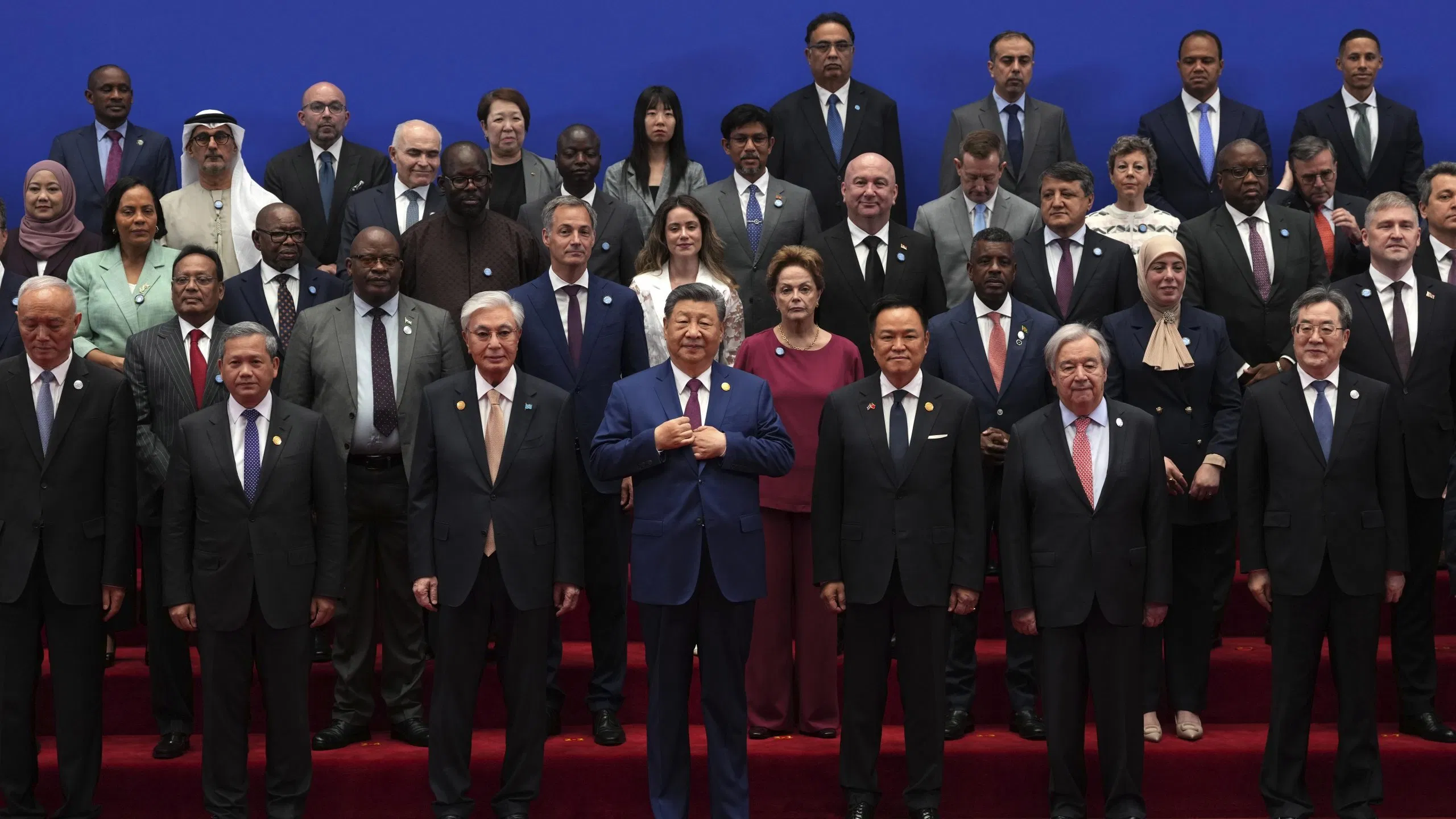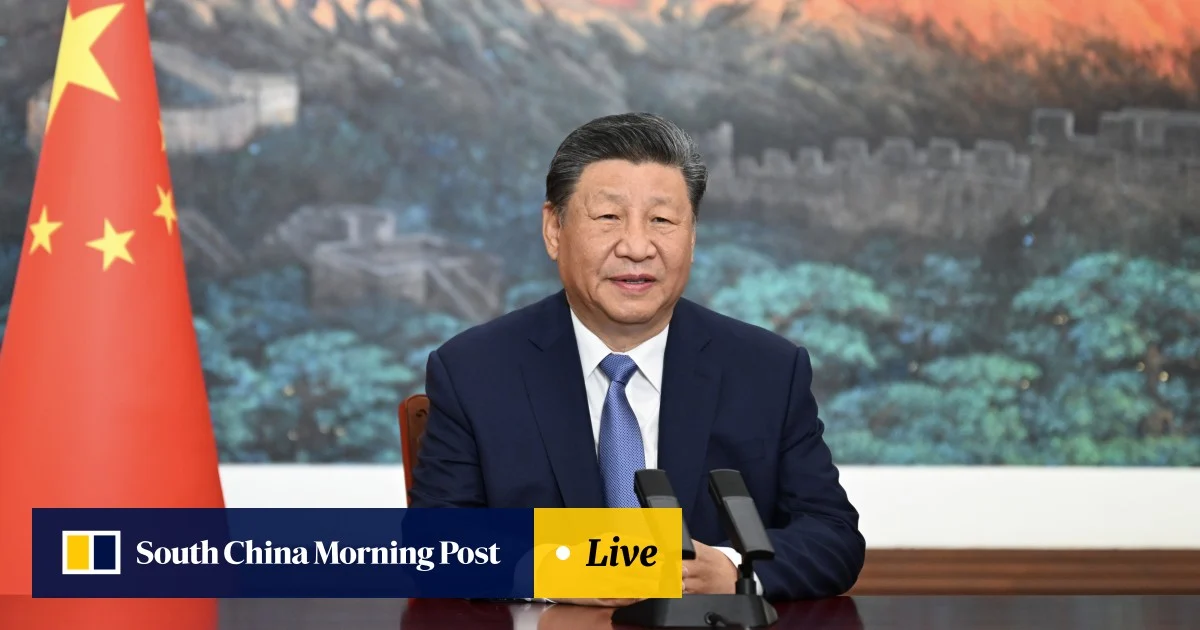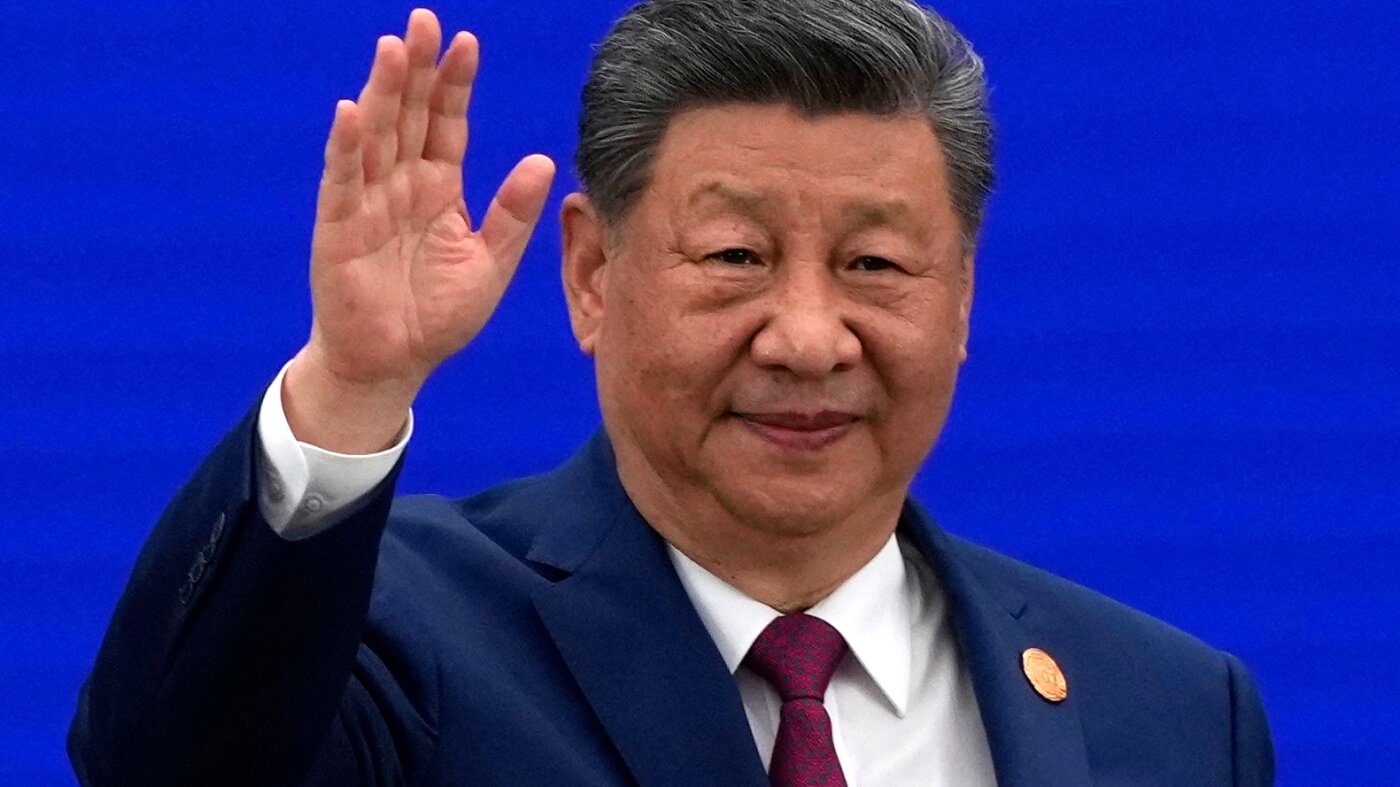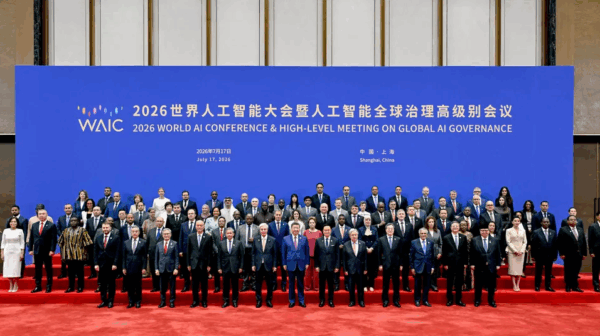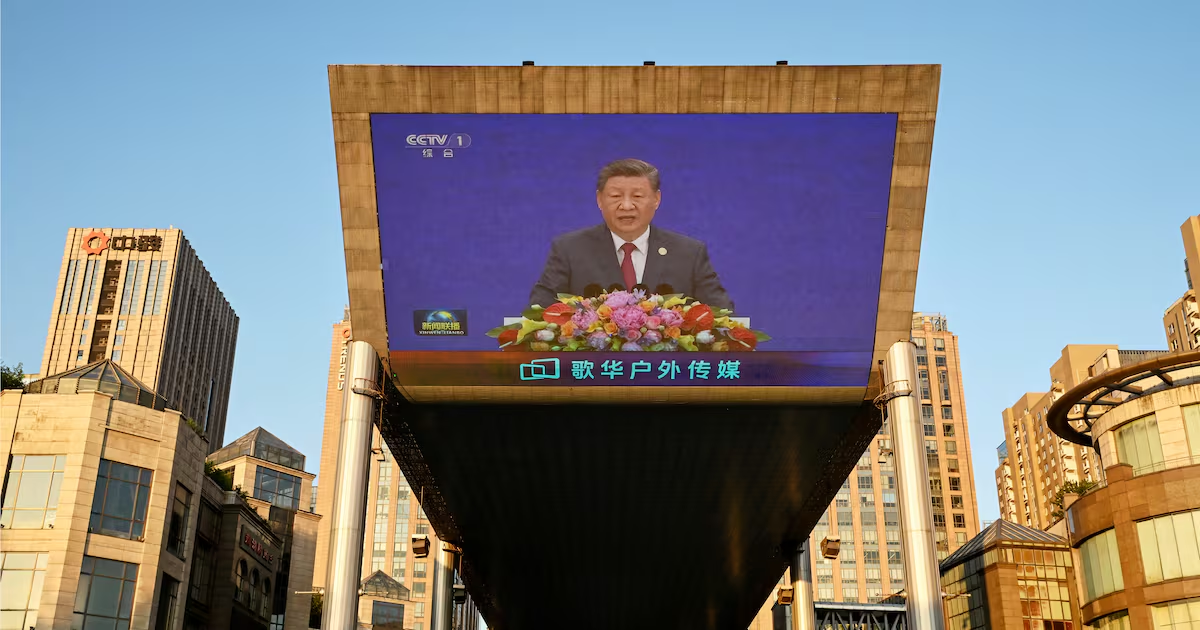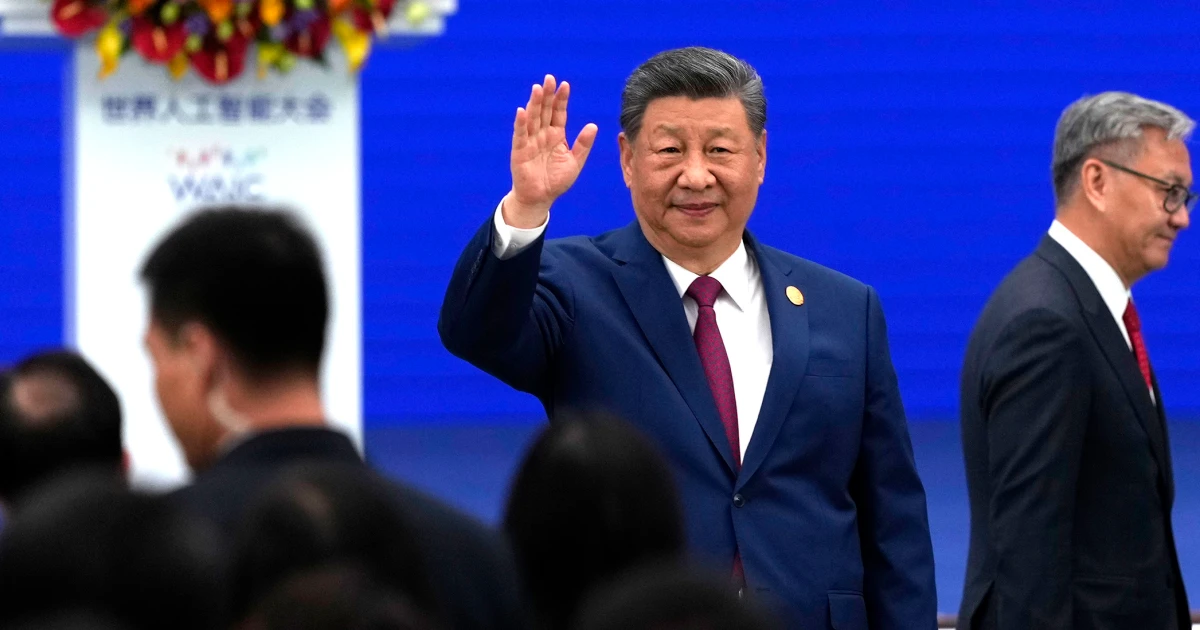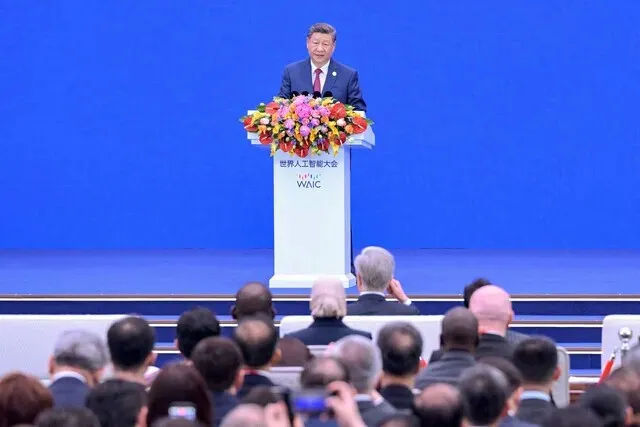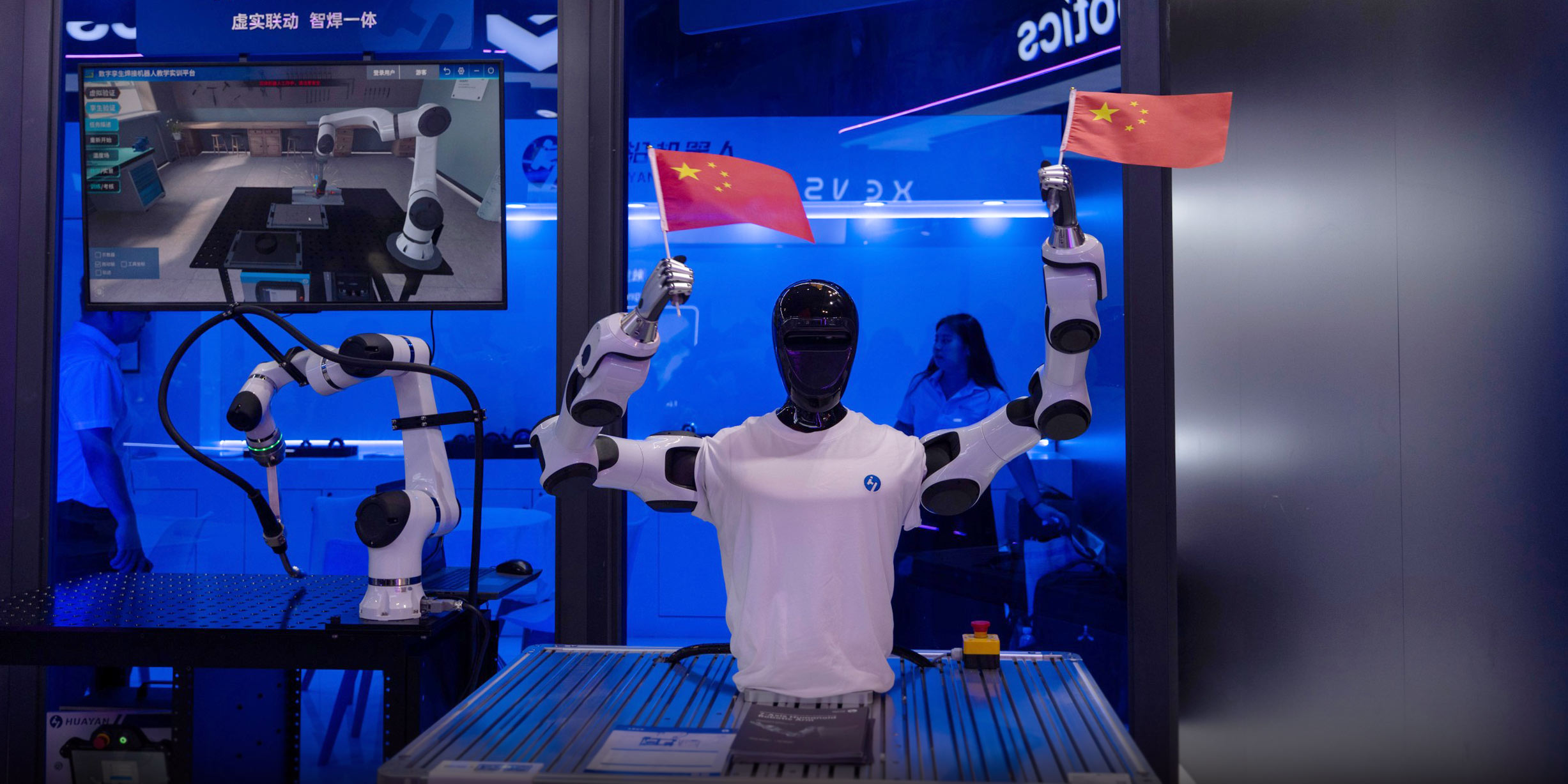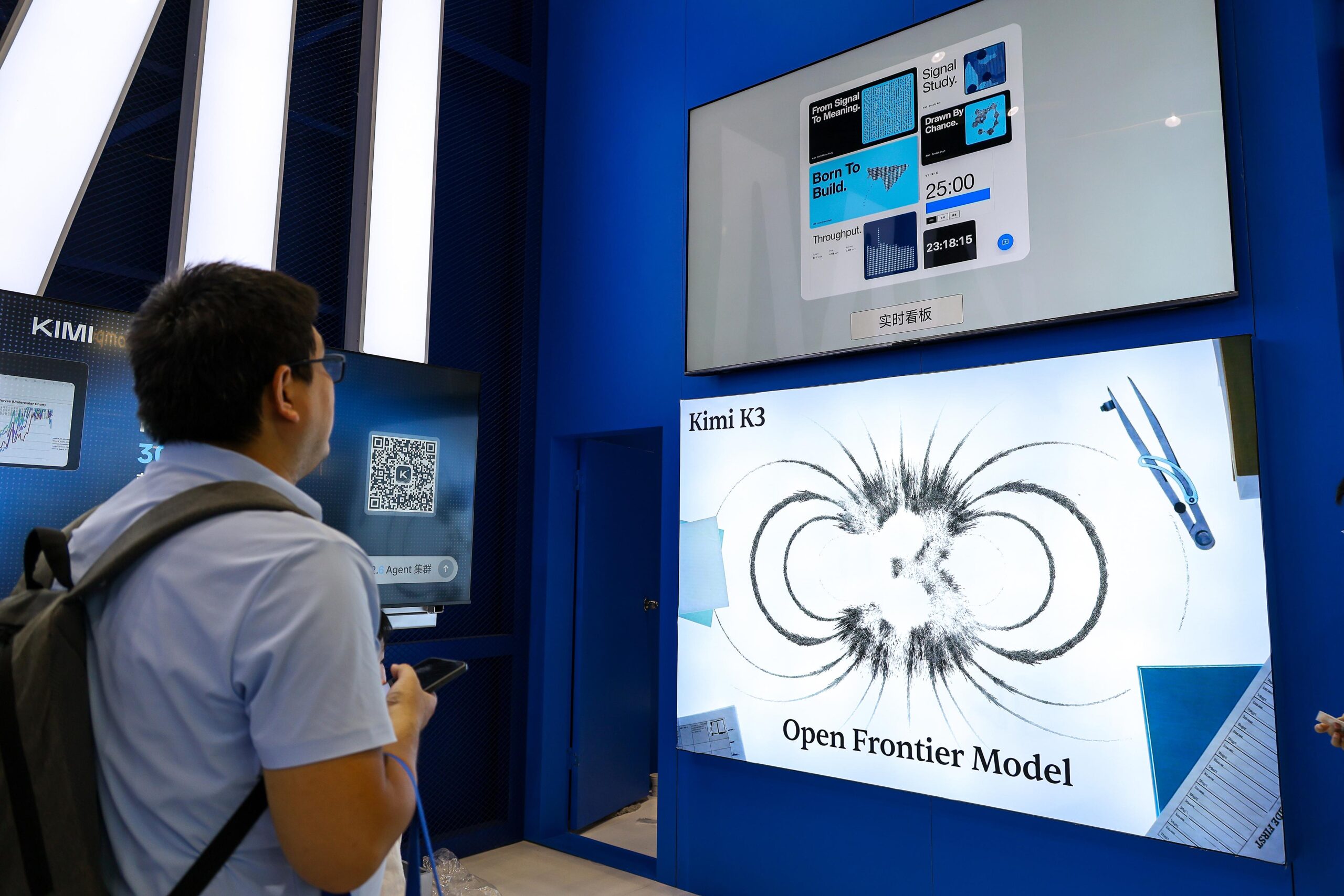
WASHINGTON—Last week, Shanghai welcomed more than 1,400 executives and investors to its World AI Conference, where Chinese President Xi Jinping and other top officials pitched China as a responsible steward of artificial intelligence development. This conference took place at an awkward moment, as the Trump administration has focused much of its attention this summer on reducing the risk of access by adversary countries such as China to frontier AI models like Fable and Mythos, which are known for their advanced cyber capabilities. On Tuesday, US Treasury Secretary Scott Bessent announced an investigation into Chinese intellectual-property theft and potential US sanctions against China, following speculation that a Chinese company, Moonshot AI, leveraged the intellectual property of American companies to train its model Kimi K3. As the United States works to construct a framework to control the risks of adversary access to frontier AI and counter the actions of (mostly) Chinese companies to distill the outputs of US models to accelerate their own capabilities, policymakers should learn from the spyware industry.
In June, Anthropic briefly suspended access to Fable and Mythos to comply with a US Department of Commerce directive, restoring access on July 1 after those restrictions were lifted. This episode was a brief exercise in utilizing export controls to limit adversary access to frontier AI models, similar to what the United States has previously done with semiconductors. Having tried and quickly reversed course on this tactic, the US government has turned back to a company-first approach, where individual companies determine which customers receive access and which customers present national security risks. This approach is quickly showing cracks.