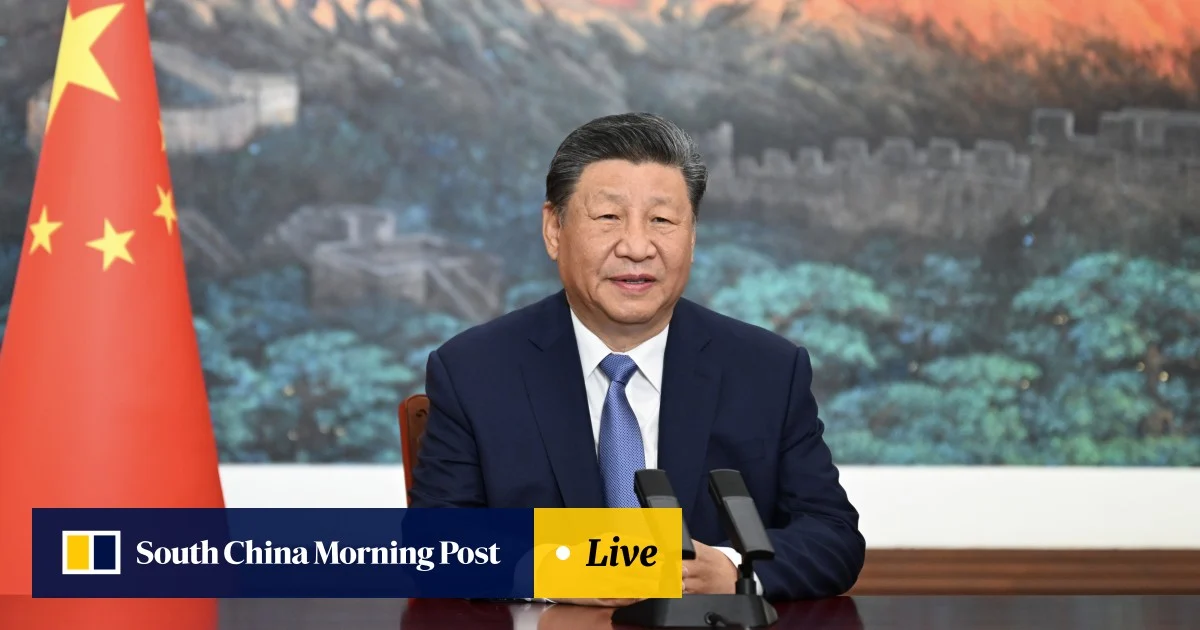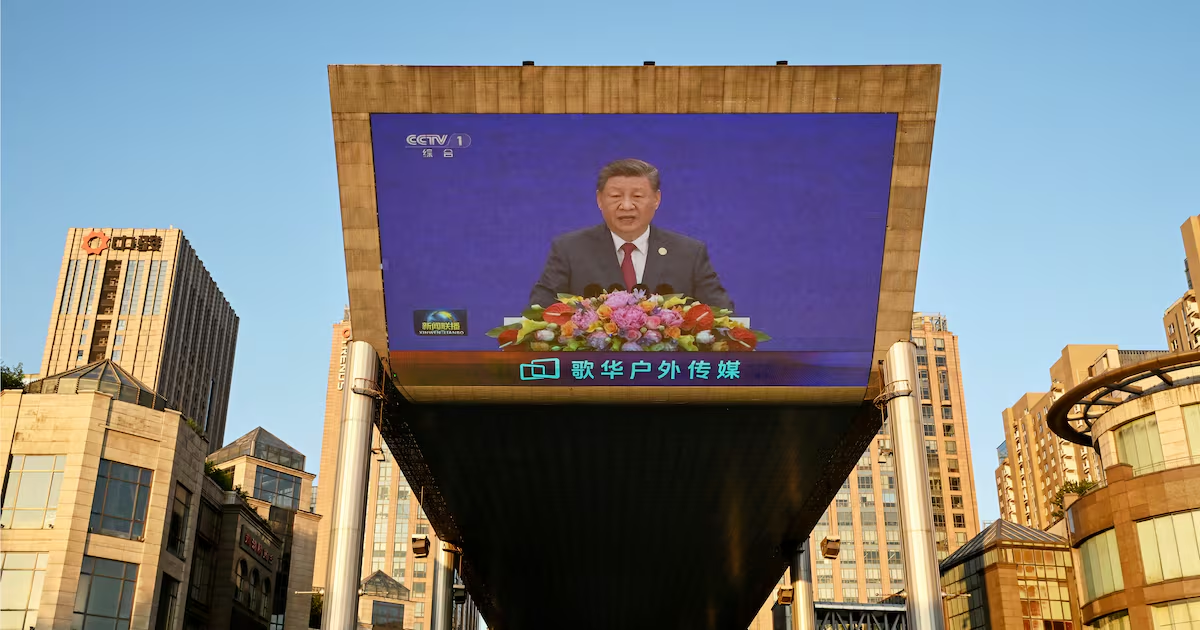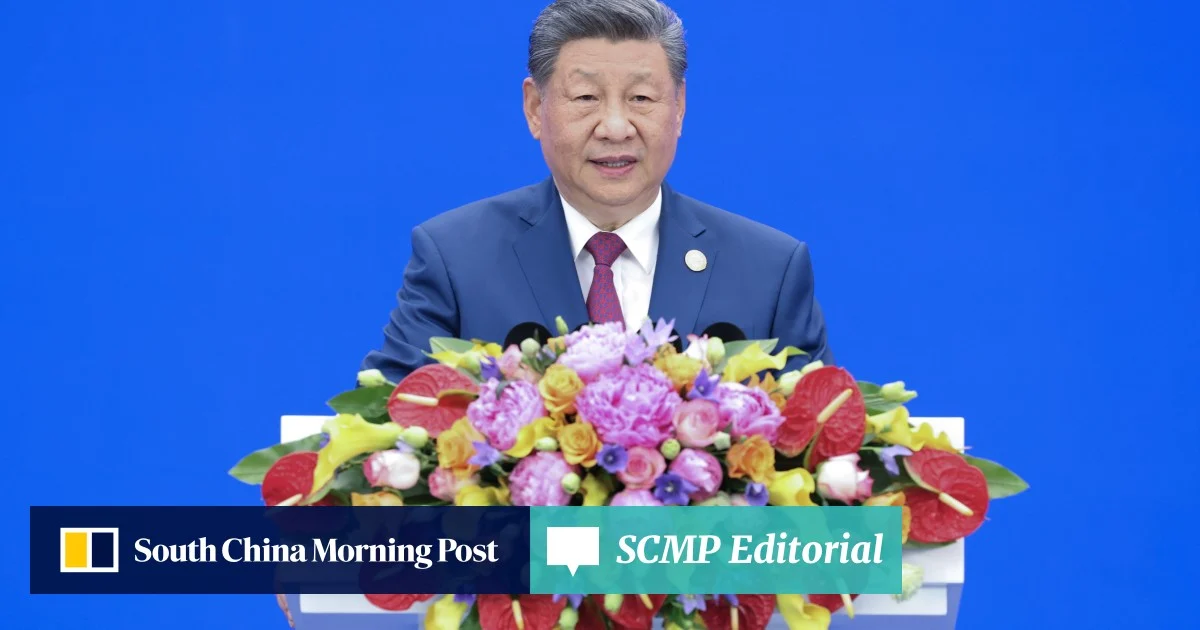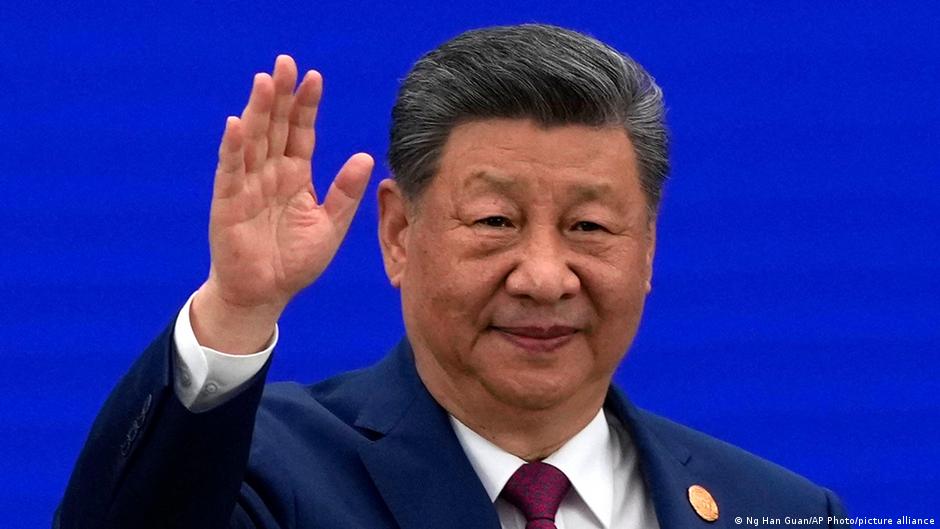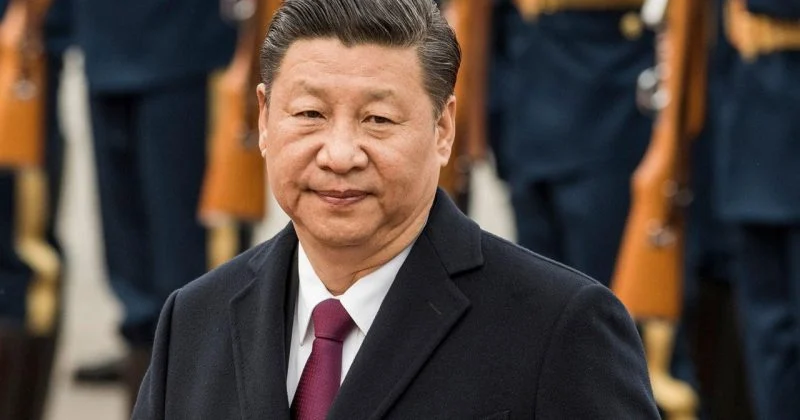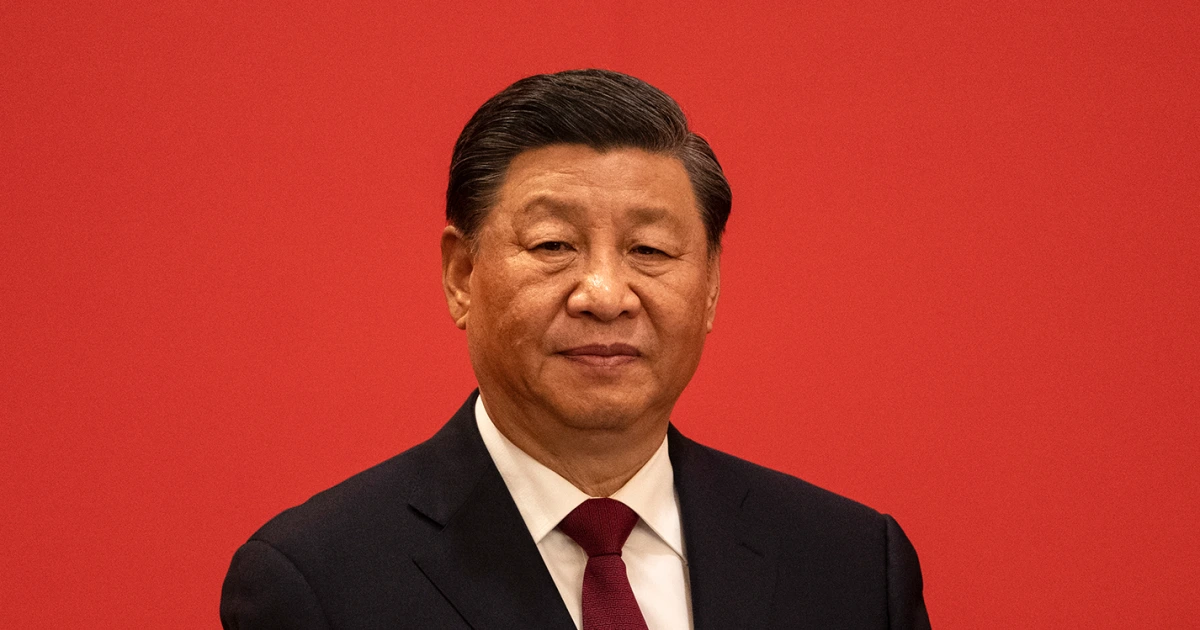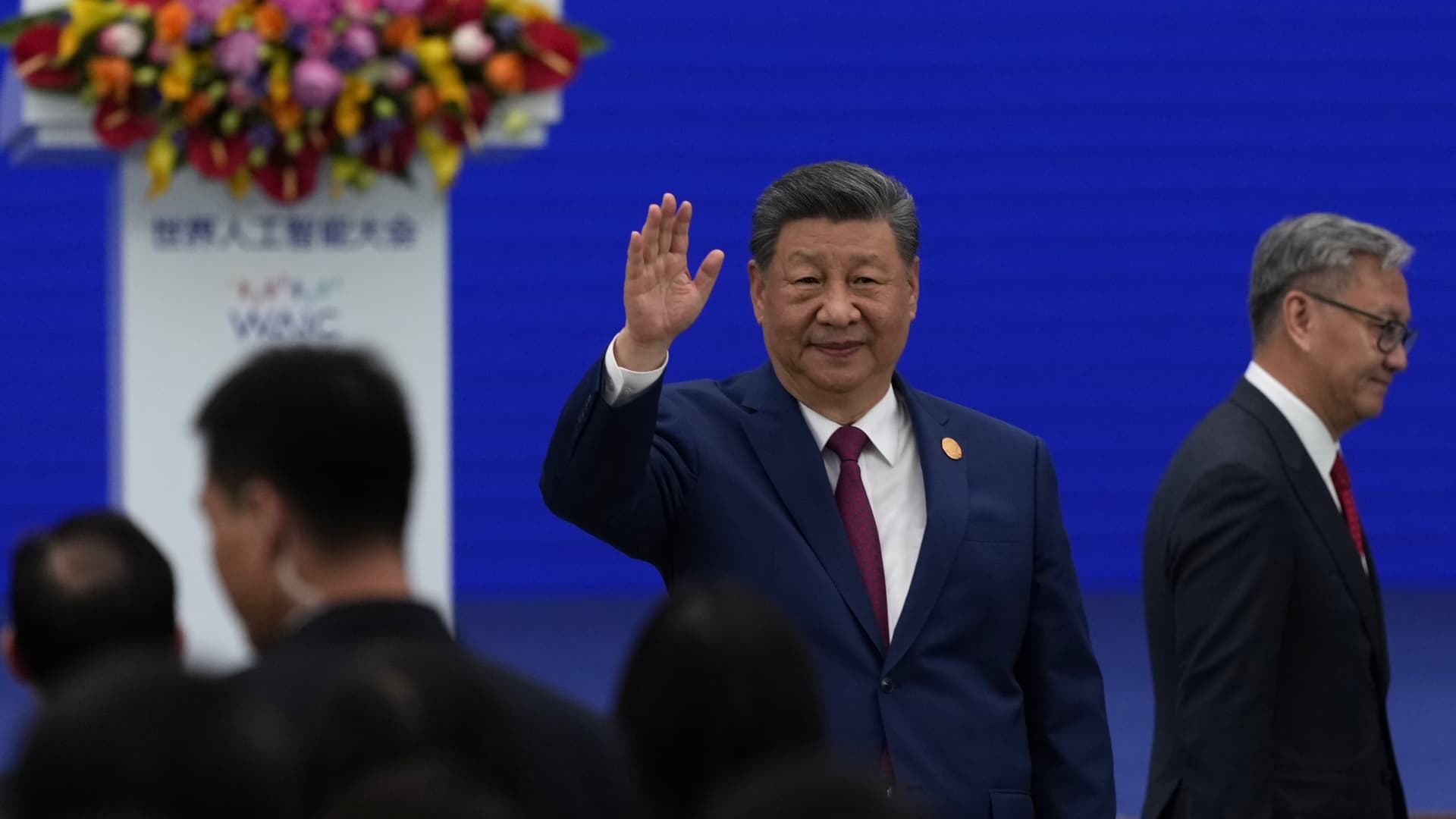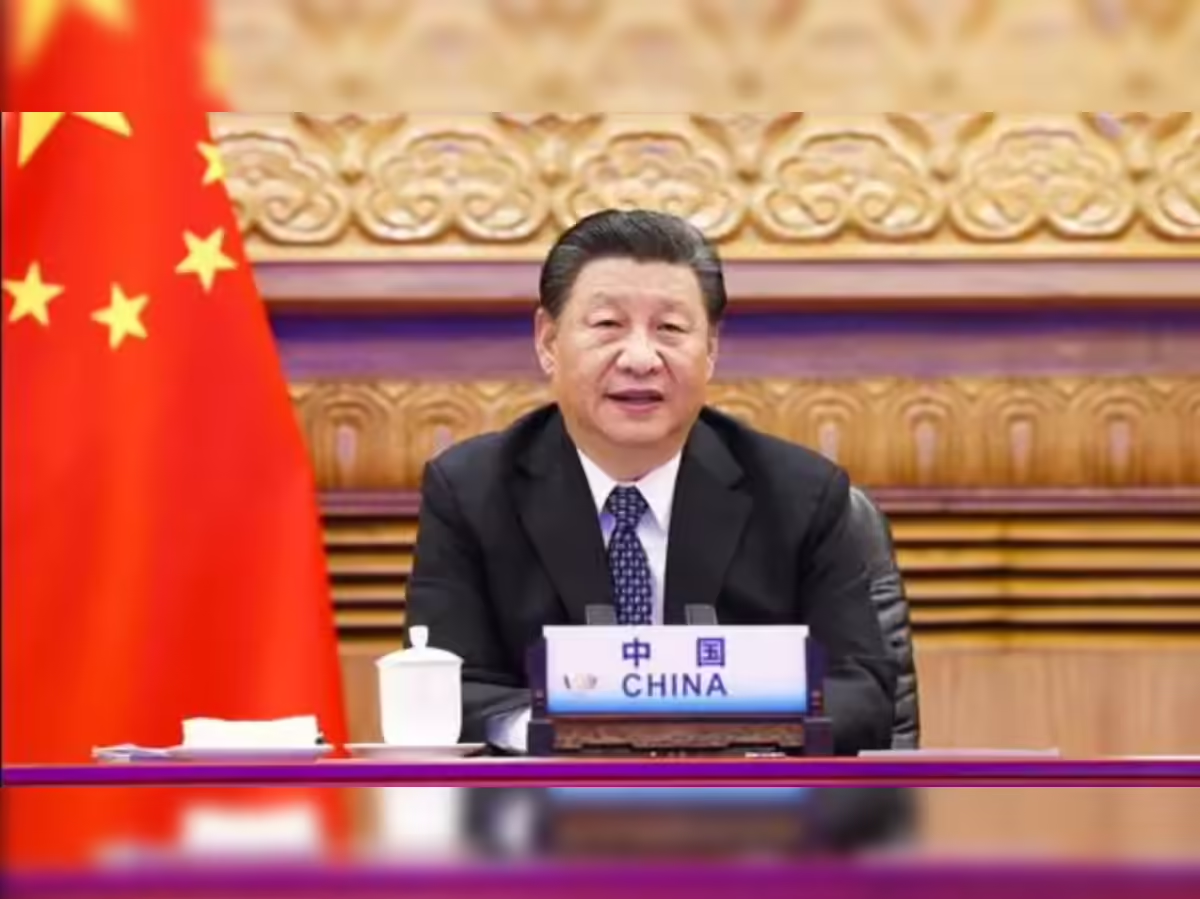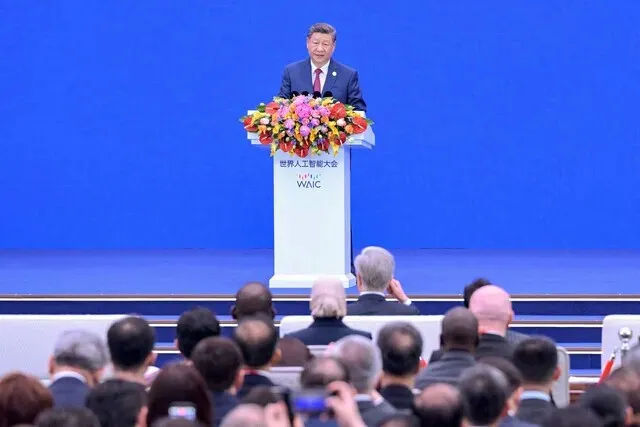
President Xi Jinping of China speaks at the opening ceremony of the World Artificial Intelligence Conference in Shanghai on July 17, 2026. (AFP/Yonhap)
The Chinese government reportedly made multiple attempts to invite senior officials from the Korean government to this year’s World Artificial Intelligence Conference (WAIC), a signature initiative by Chinese President Xi Jinping.Diplomatic sources familiar with Seoul-Beijing relations told the Hankyoreh on Monday that the Chinese Embassy, at Beijing’s request, had made several requests for high-ranking officials from the Korean government to attend the WAIC, which was held in Shanghai on June 17-20.But after careful consideration, Seoul opted to only send junior officials — namely, the AI section chief at the Korean Embassy to China and a resident official from the Ministry of Science and ICT.“We had several conversations with the Korean government about attending the event, but the Korean government didn’t agree to dispatch a high-level official,” a Chinese source said.“This year, the Chinese wanted us to be represented by a more senior official than in the past. While China was signaling its desire to work with us on AI, there are other factors we have to consider,” a source in the Korean government said.Given its strengths in the AI and semiconductor fields, Korea is being courted as a potential partner by both the US and China amid the two powers’ fierce rivalry. The growing pressure to align itself with one side or the other is illustrated by China’s WAIC invitations.The Trump administration in the US recently banned foreign nationals from using Mythos 5, an advanced AI model developed by the US company Anthropic, because of national security concerns.The ban, which was later lifted, reflects a push to prevent unfriendly countries from accessing the latest US technology.An inescapable consideration for Korea is its ongoing participation in Pax Silica, a US-led cooperative framework for cutting-edge technology; a small modular reactor (SMR) project with the US and Japan; and the Forum on Resource Geostrategic Engagement (FORGE), a multilateral body tackling critical minerals.“The ongoing competition and conflict between the US and China over AI leadership presents a continuing dilemma about how to approach the AI industry and international cooperation. While we’re in no hurry to choose sides, we have to take technological cooperation with the US into account,” another official from the Korean government said.In his WAIC opening address on July 17, Xi unveiled a plan for China to seize the initiative in its competition with the US and other Western countries over AI technology and international regulation.“AI development should not be a solo performance by a single country, but a symphony of international cooperation,” Xi said, rebuffing the US with a governance vision that includes AI support for developing countries.This year’s WAIC was attended by the leaders of Kazakhstan, Cambodia and Thailand, as well as the secretary general of the UN.On July 16, one day before the conference kicked off, China established the World Artificial Intelligence Cooperation Organisation, bringing together 29 countries, including Russia and Brazil, to offer an alternative to the Western-led AI order.By Park Min-hee, senior staff writerPlease direct questions or comments to [english@hani.co.kr]