As China narrows the artificial intelligence (AI) gap with the United States, Beijing is promoting a narrative centered on "open source" and "inclusive AI" as an argument for its vision of global governance.
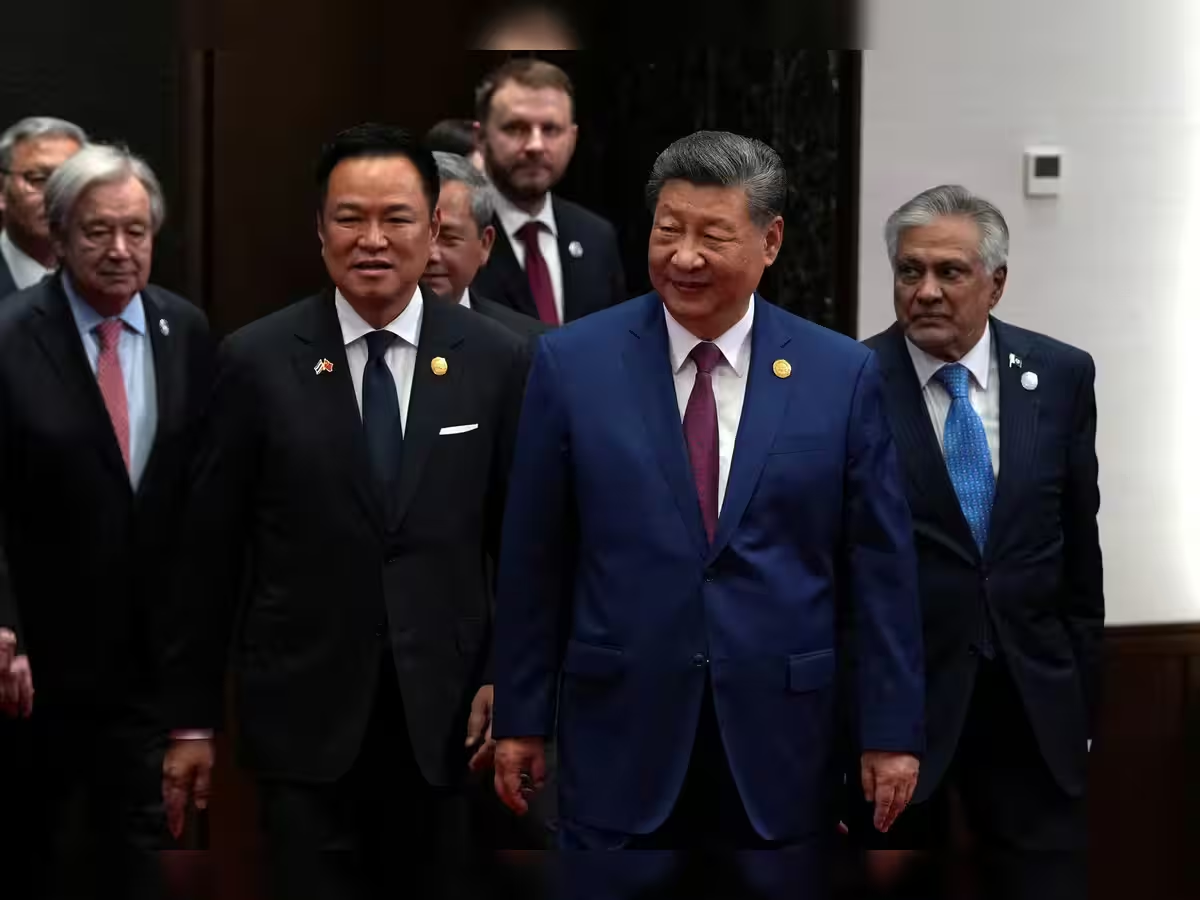
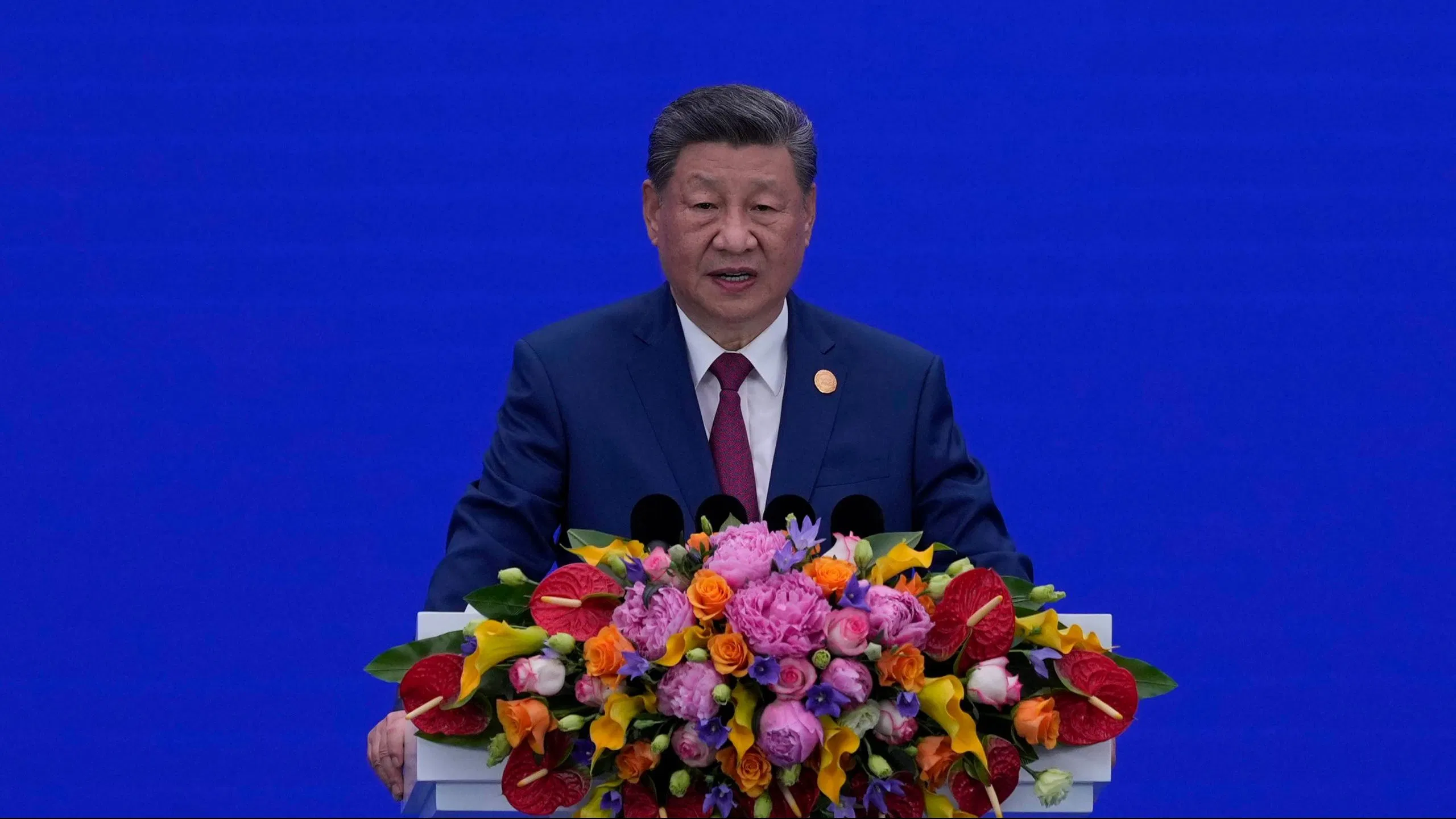
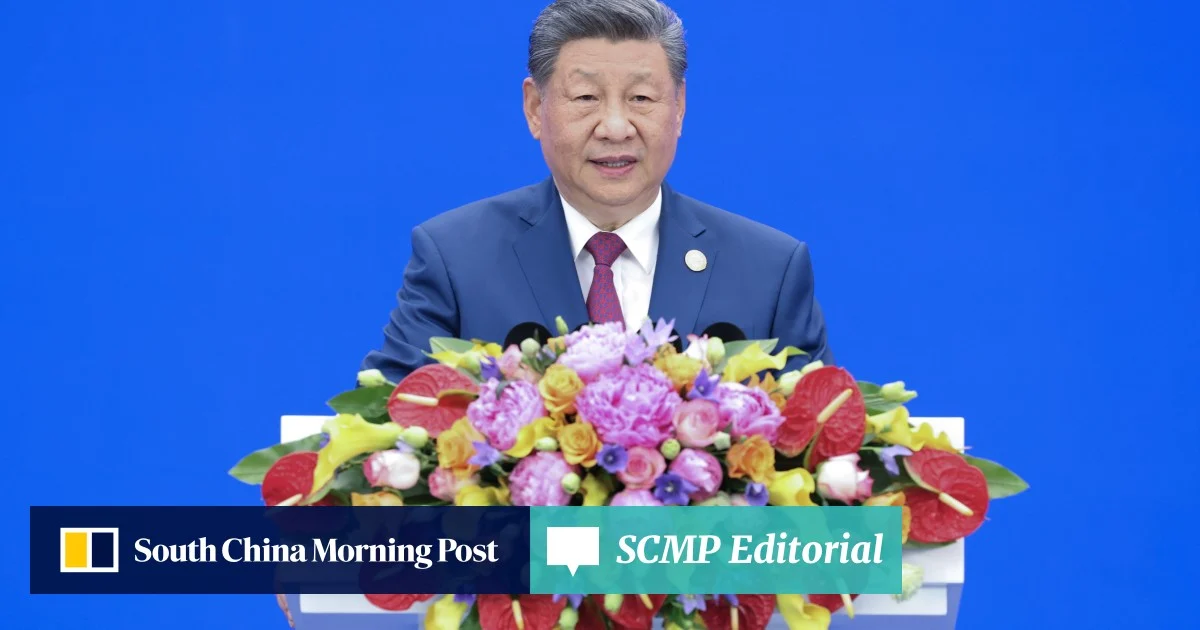
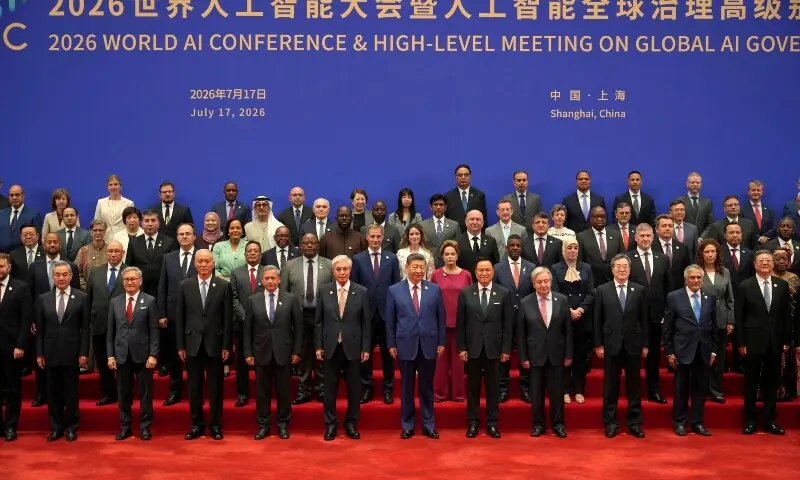
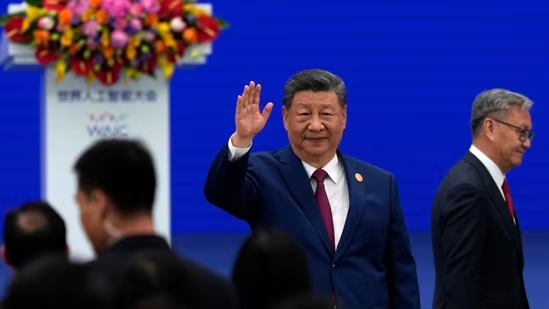
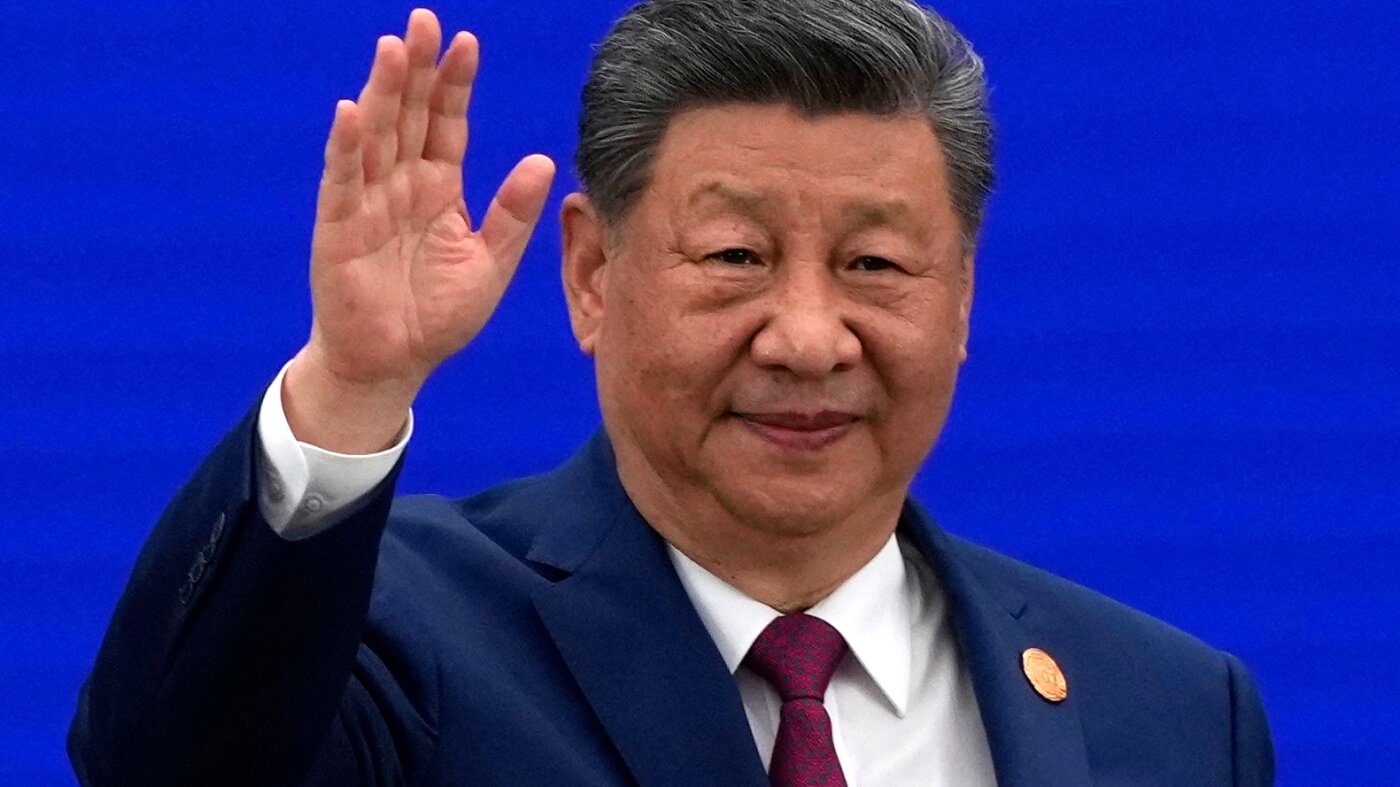
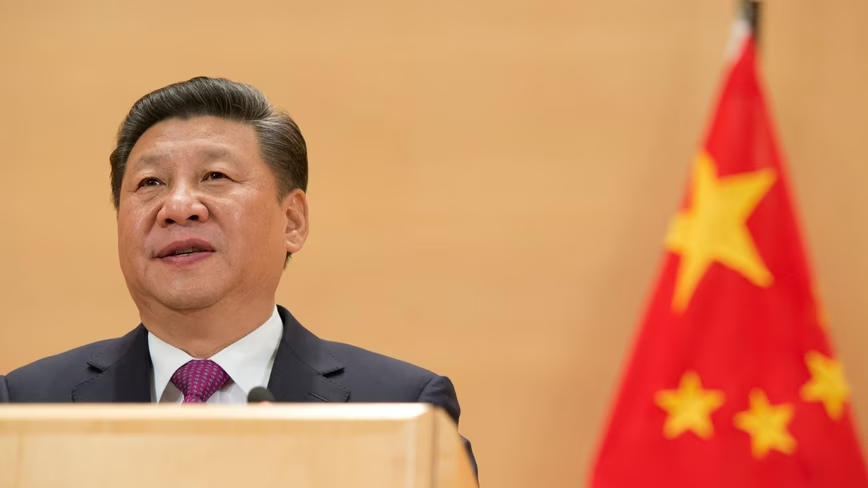
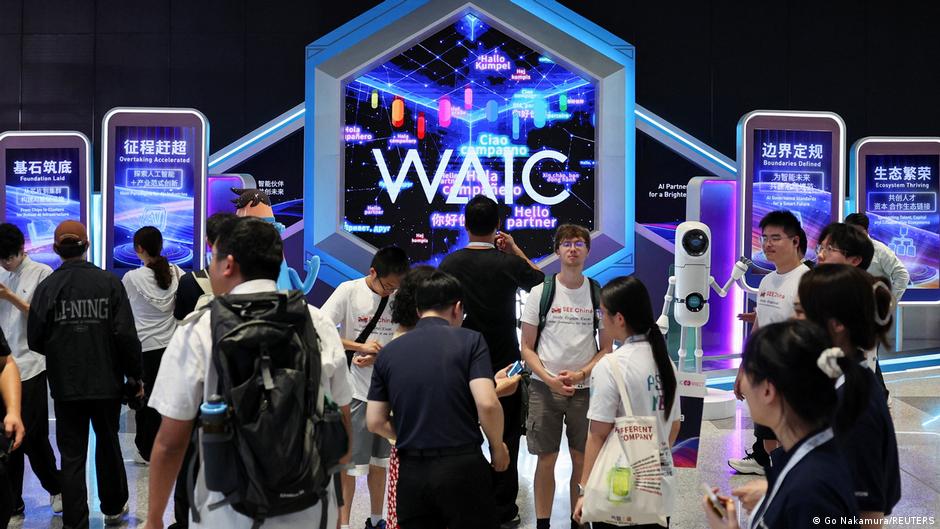
During his keynote speech at the World Artificial Intelligence Conference (WAIC) in Shanghai on Friday, Chinese President Xi Jinping expressed China's ambition to take a leading role in setting global standards in AI. He criticized what he described as the "overextension of the concept of national security."
Xi did not openly reference the United States. However, Beijing's effort to position itself as an advocate of a new AI order and challenge US dominance was unmistakable.
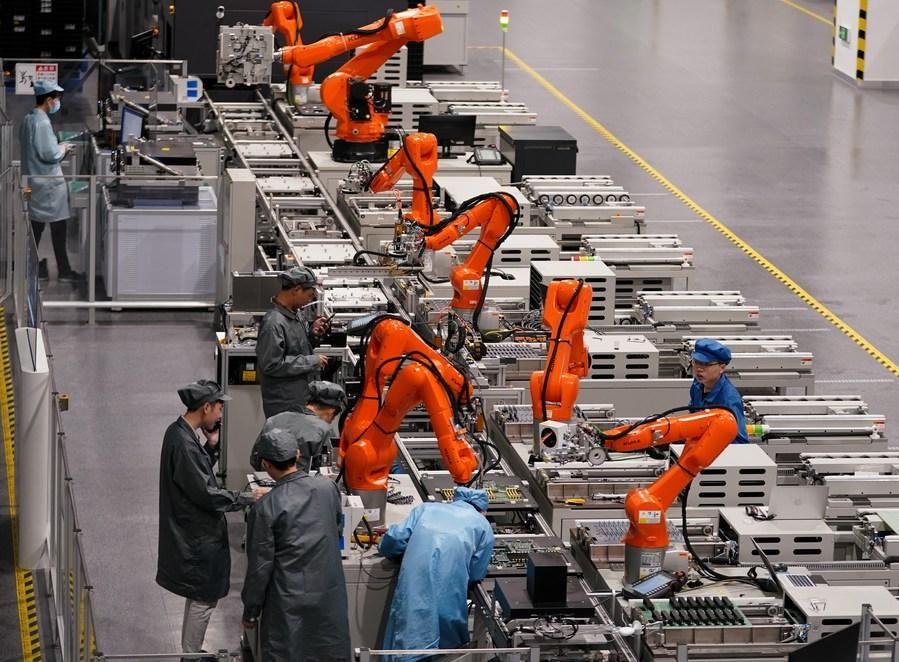
This year's Shanghai summit sent several important signals, says Rogier Creemers, assistant professor at Leiden University in the Netherlands specializing in China's digital technology policy. The WAIC indicates that artificial intelligence is now one of Beijing's political priorities, and that China intends to compete with the United States by supporting open-source AI models and promoting AI-driven industrialization, Creemers told DW. He also noted China hopes to win support from countries in the Global South for this effort.