Beijing’s intensifying efforts to shape international norms on AI are calibrated to promote itself as a responsible global leader, but they are largely self-serving, aimed at catching up on the technology and exporting China’s illiberal values. Democracies need to get their act together in response.
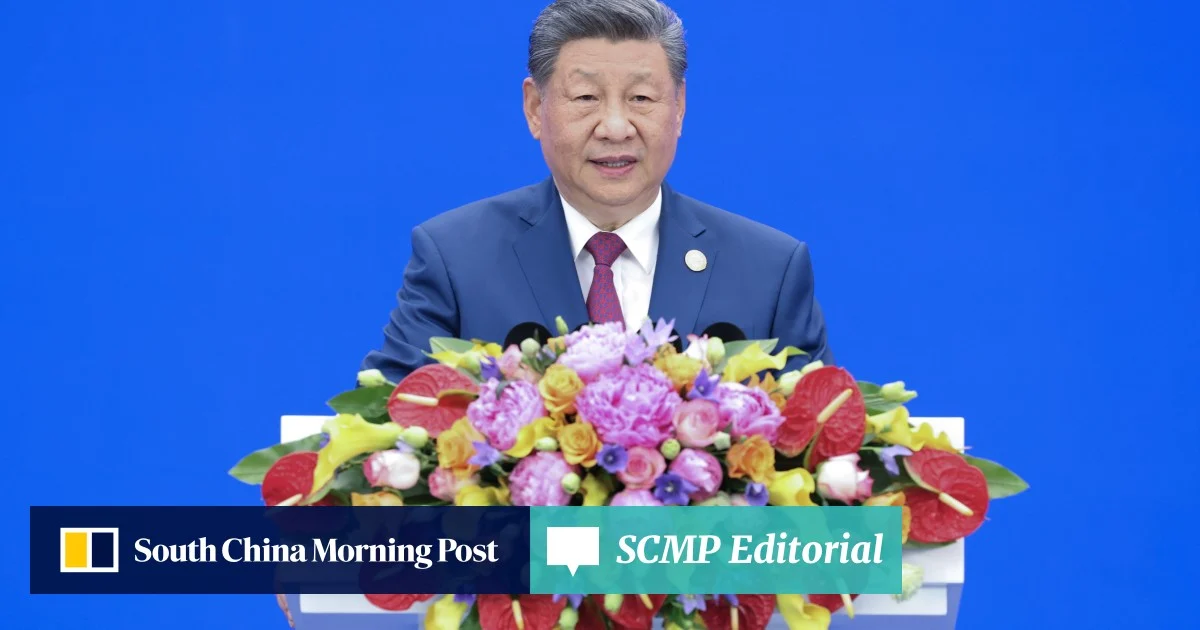
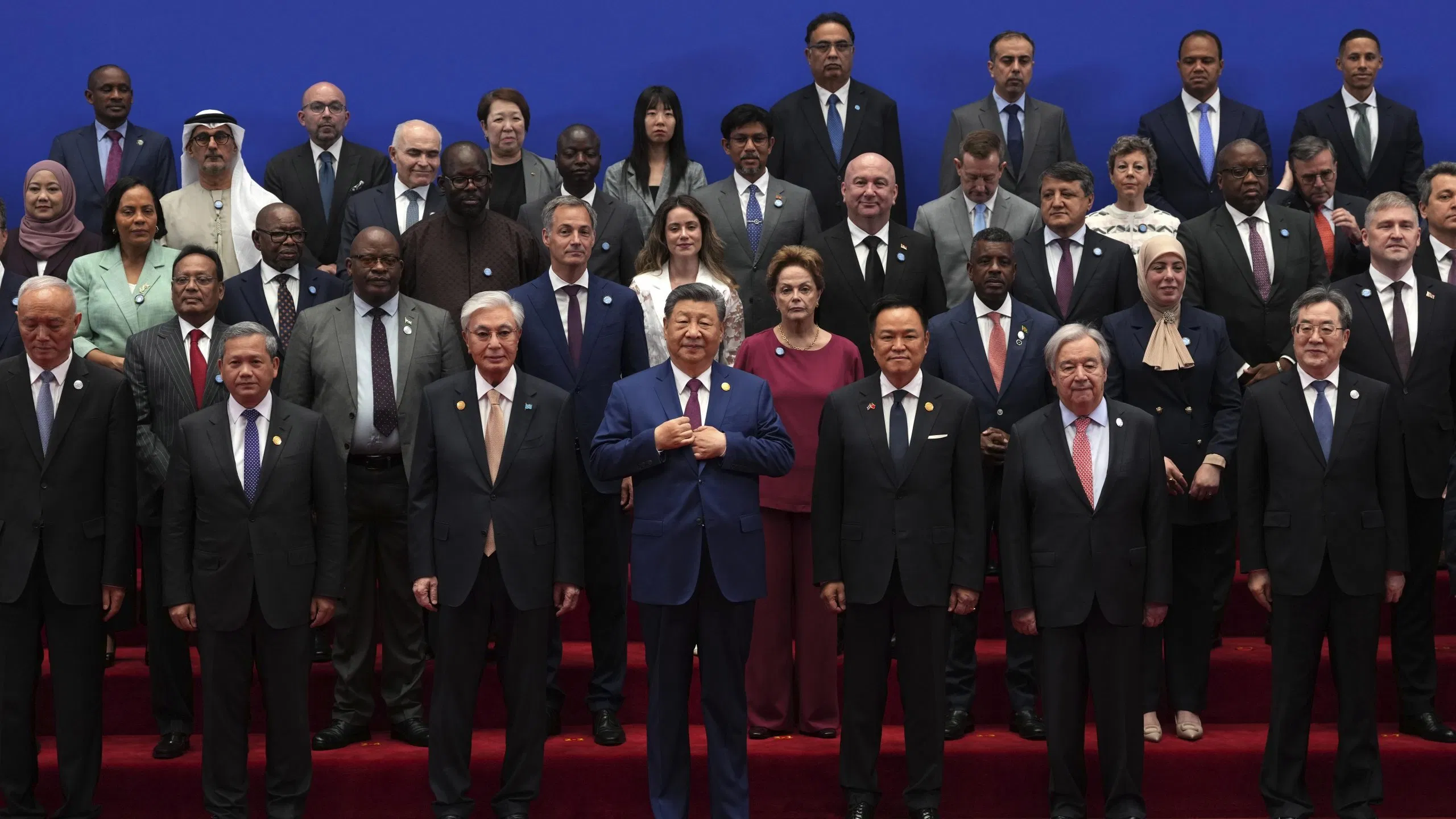
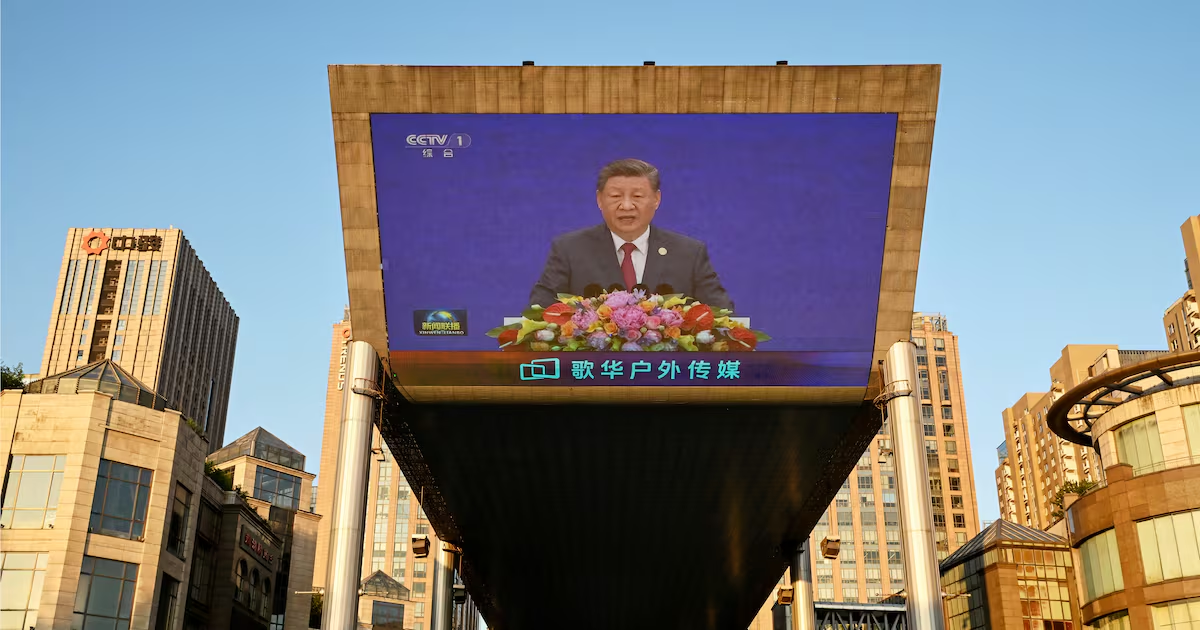
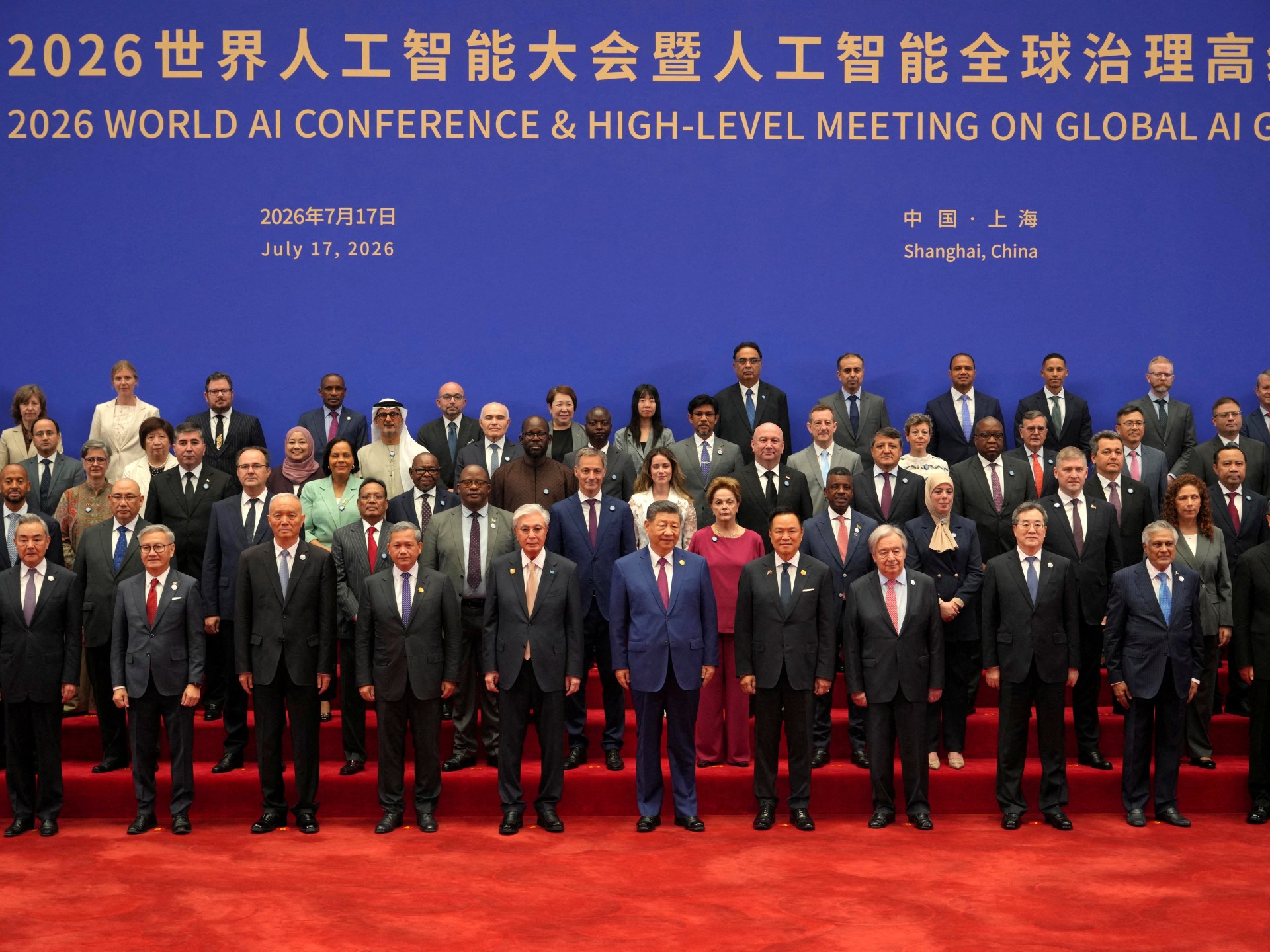
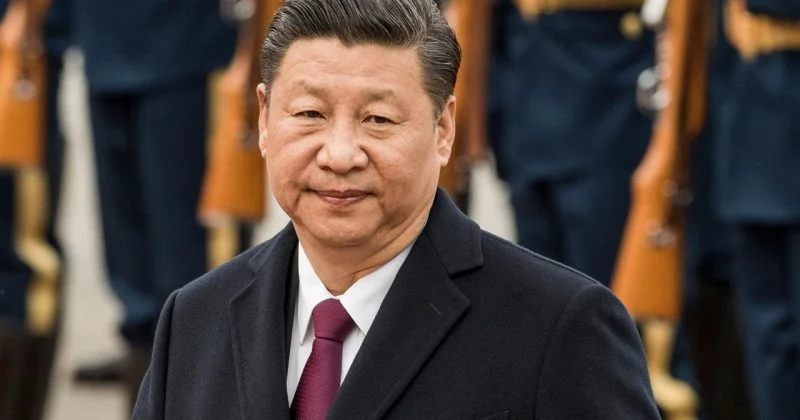
President Xi Jinping delivered a keynote speech at the 2026 World AI Conference and High-Level Meeting on Global AI Governance on July 17, making the case for the promotion of AI globally “for the positive, for good and for humanity.” He called for “a people-centered approach,” saying that “AI is an important driver for shared prosperity and common security” that required states to join hands “to build a just and equitable system for global AI governance.”
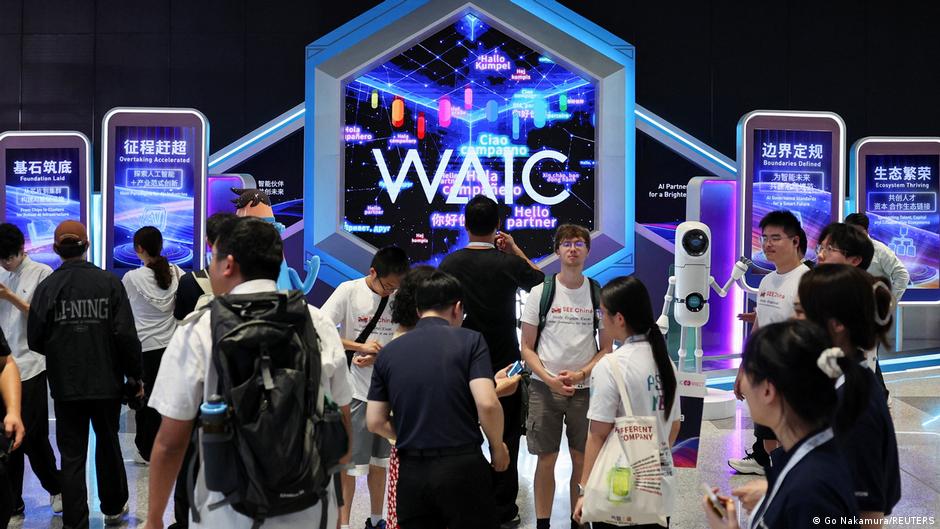
So Xi said all the right words. After all, China has never been short on its rhetoric. At last year’s edition of the conference, Premier Li Qiang made a strong case for global regulations governing AI using language designed to appeal to the Global South.
Noting the vast opportunities and challenges that come from the adoption of new technologies, Xi raised four points on AI development and governance: he promoted openness, collaborating, and sharing; recognized the various risks associated with AI adoption and the resultant need for AI always to be under human control; encouraged inclusiveness and the promotion of mutual learning between civilizations; and called for true multilateralism and an important role for the United Nations as well as a consensus-based governance framework in writing new global rules and technical standards.