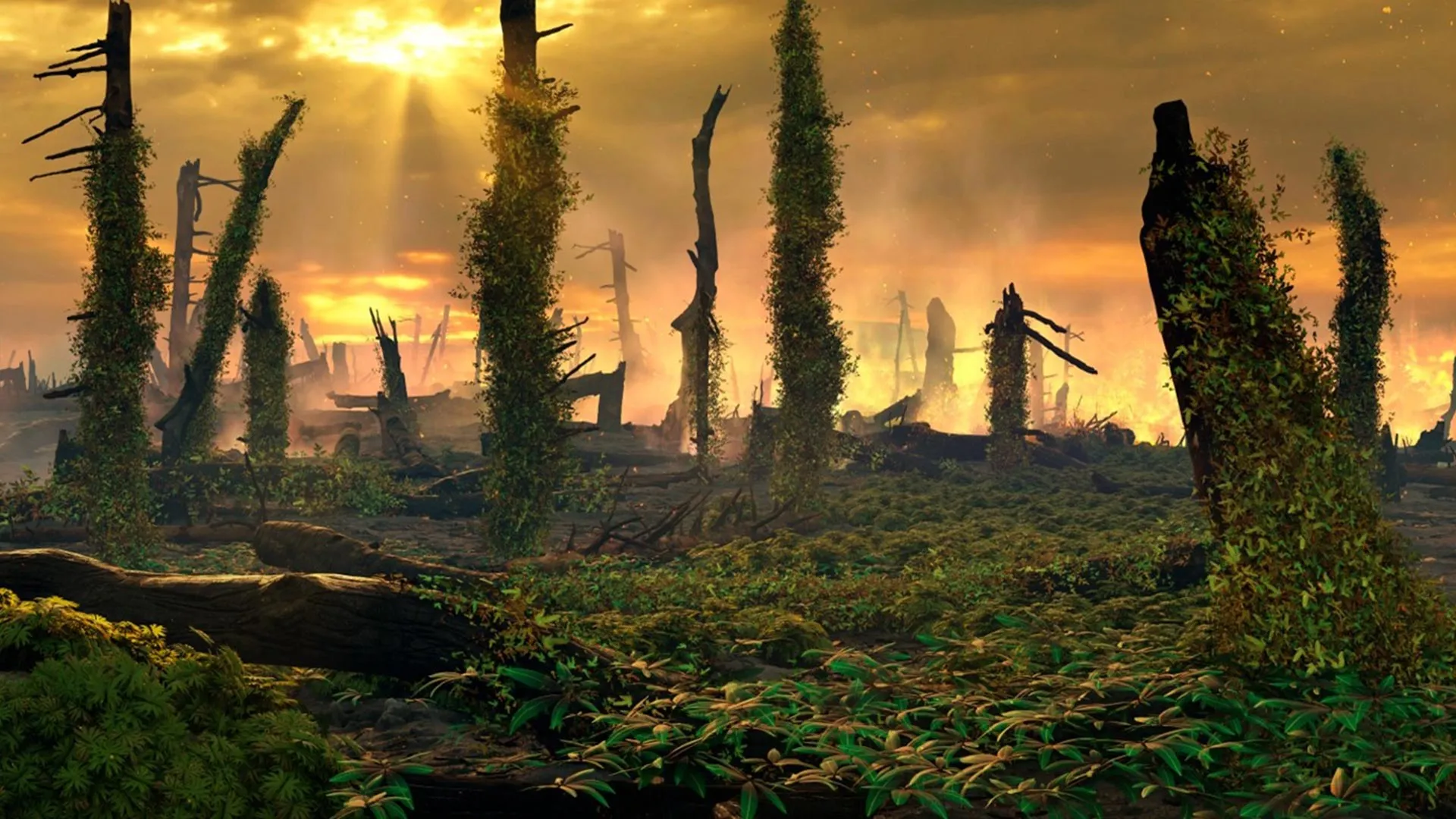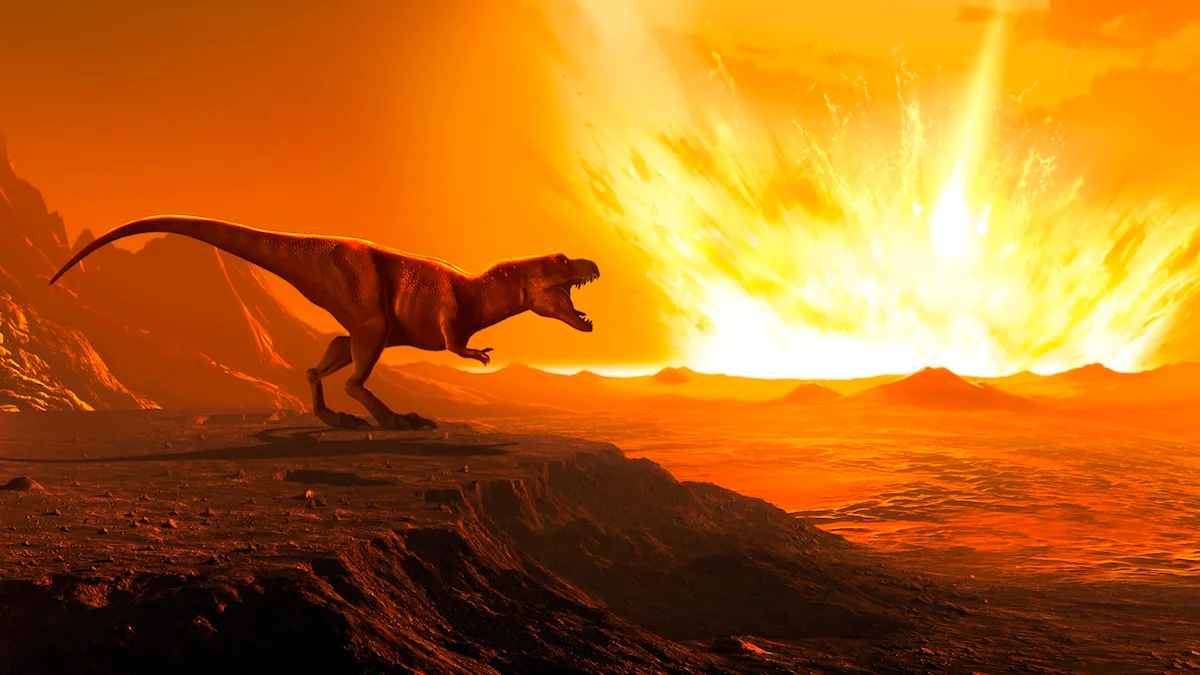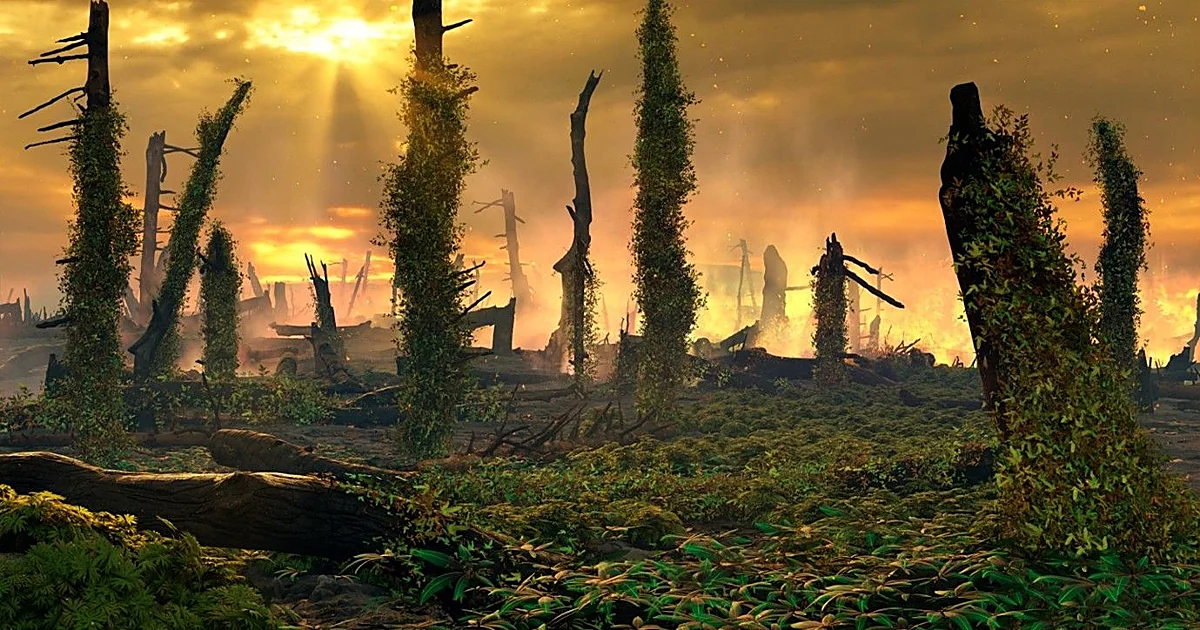
Some 200 million years ago, dramatic changes in climate and geology drove the extinction of approximately 80% of species on Earth. This hectic time in Earth’s history, the end-Triassic mass extinction event, is generally thought to come from extreme volcanic activity. But scientists think there might have been a smaller, seemingly less threatening contributor: the simple fern. To be clear, volcanic activity likely kickstarted the mass extinction event, driving up global temperatures and carbon dioxide levels. These changes killed off tree-dominated vegetation, and in their place came large swaths of ferns that formed savannahs in modern Northwest Europe. And these ferns, according to a paper published today in Nature Geoscience, further fanned the flames, making a bad situation even worse. “When the ferns dry out, the thick mats act as the ideal fuel to trigger massive wildfires,” Bas van de Schootbrugge, the study’s senior author and an Earth scientist at Utrecht University in the Netherlands, said in a statement. “Ferns responded to and delivered the fuel that fanned the flames, triggering repeated massive wildfires. A truly hellish world.”
End of an era Roughly 201 million years ago, what’s now the Atlantic Ocean quite literally flipped over, blowing up in volcanic eruptions that released tons of carbon dioxide and sulfur dioxide, according to a blog post by the U.K.’s Natural History Museum. This led to increases in sea levels and ocean acidity that likely killed off much of marine life from this era.