view more
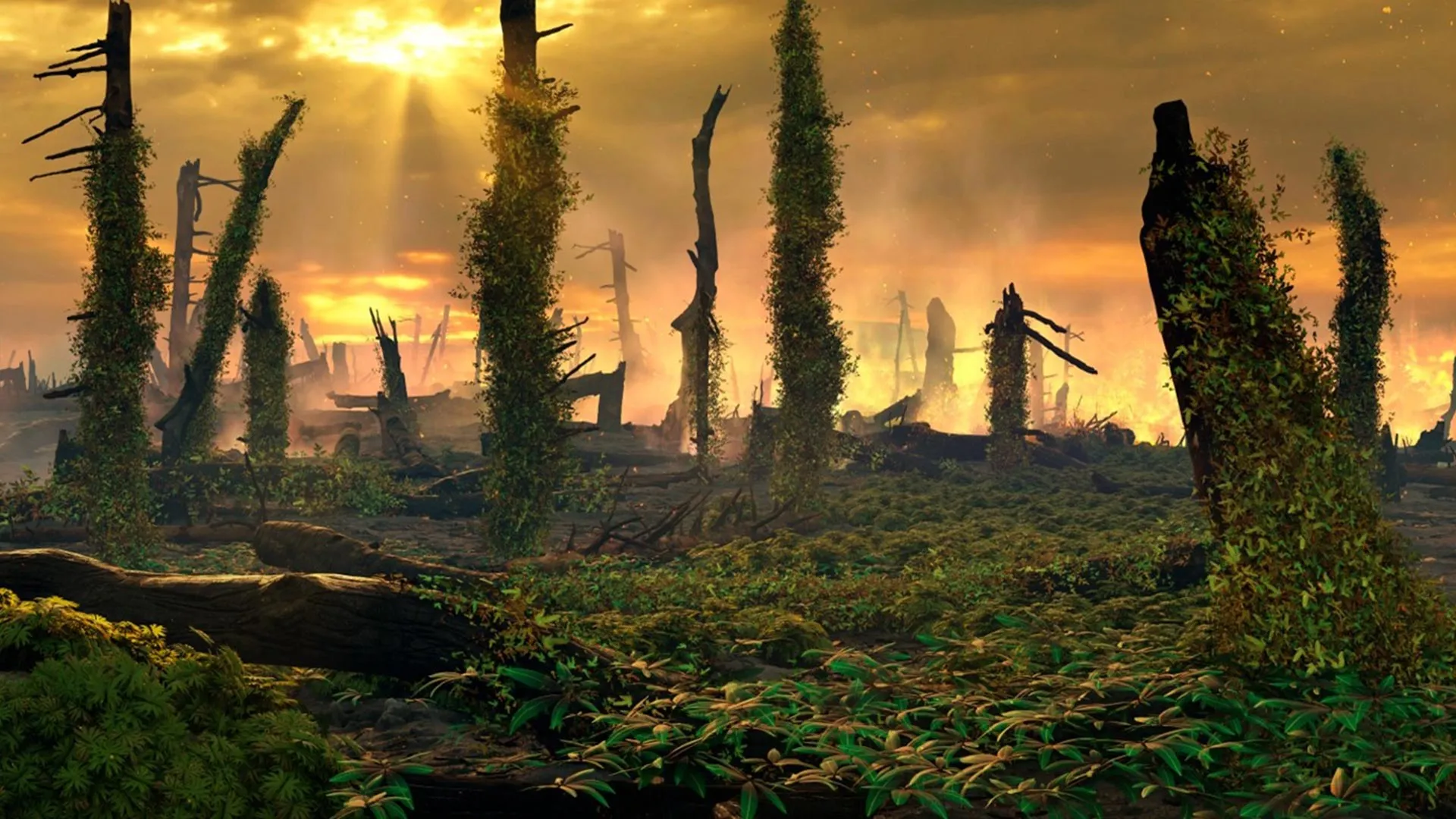
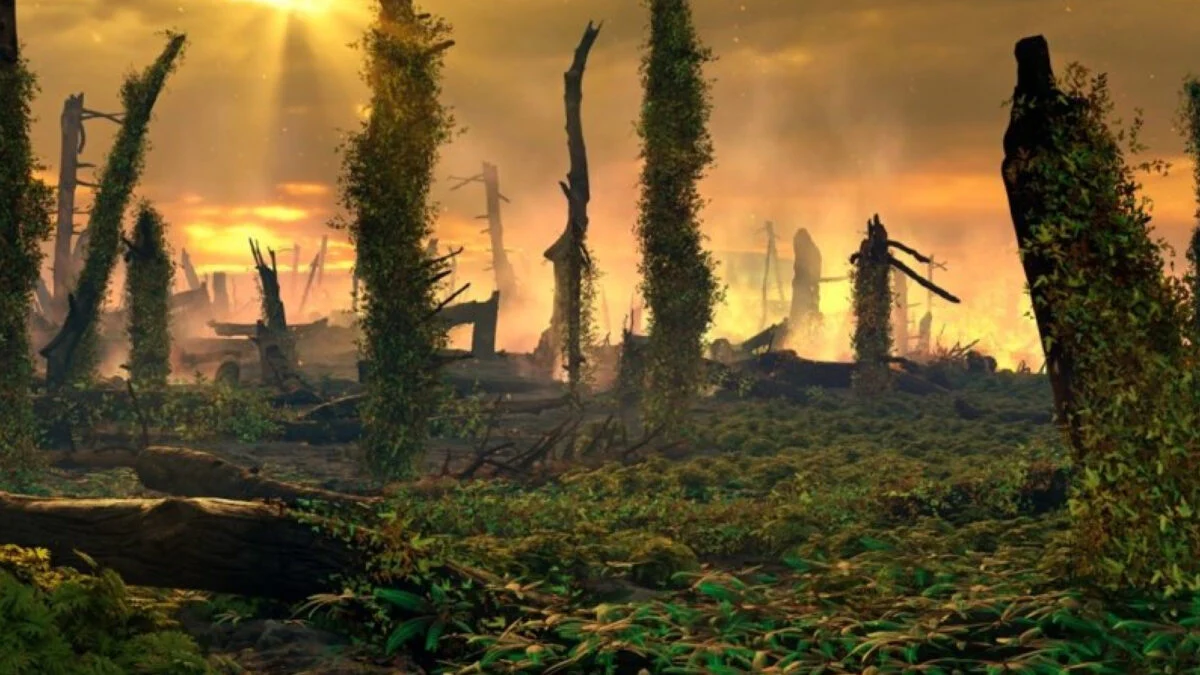
The end-Triassic mass extinction, 201 million years ago, is linked to volcanism that resulted from the break-up of Pangea and which pumped out vast amounts of CO2 into the atmosphere causing extreme global warming of 5 to 10 degrees Celsius. As a result, tree-dominated vegetation collapsed and the highly disturbed landscapes were colonized by ferns that formed savannahs across large swaths of what is now Northwest Europe. New research by an international team led by geologists from Utrecht University and published in Nature Geoscience on 21 July 2026 has found that these fern savannahs were prone to large-scale burning, whereby the ferns themselves acted as the fuel that fanned the flames.
How to track wildfires in deep time
The research team had access to exceptional sedimentary material from 4 drill cores, including a recently drilled 640-meter-long core from the United Kingdom. The team generated paleo-fire records based on the abundance of fossil charcoal and organic molecules that form in the smoke emitted from wildfires, so-called polycyclic aromatic hydrocarbons (PAHs).
Combined with pollen and spore records, these proxy records show a period of intense wildfire activity during the main extinction interval coincident with the proliferation of ferns. However, charcoal records can be misinterpreted when larger pieces of charcoal break up in smaller fragments in the sample. Similarly, the PAHs emitted during wildfires do not necessarily land close to the wildfires, and the molecules may not be preserved at all. The team therefore came up with a novel way to track wildfire activity in deep time.