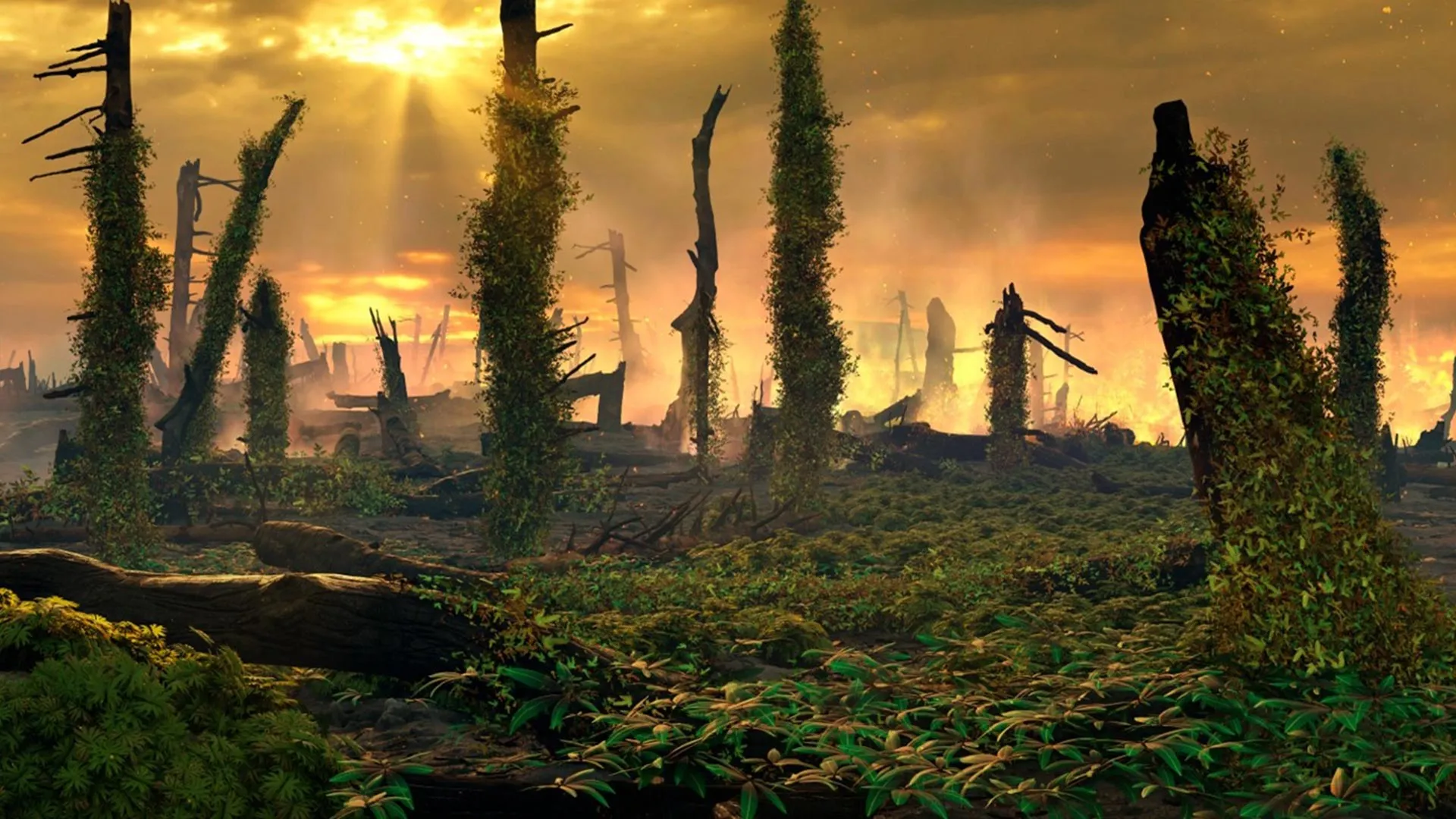
The end-Triassic mass extinction struck about 201 million years ago and has been tied to enormous volcanic eruptions associated with the break-up of Pangea. Those eruptions released vast quantities of CO2 into the atmosphere, driving global temperatures up by an estimated 5 to 10 degrees Celsius.
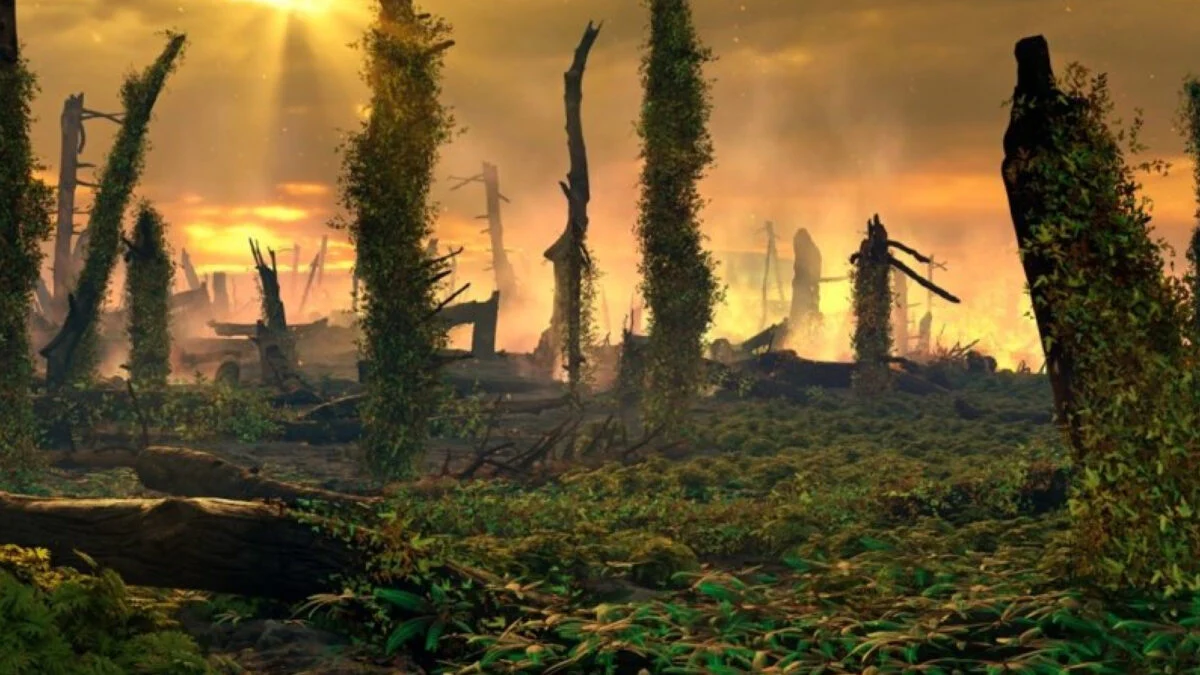
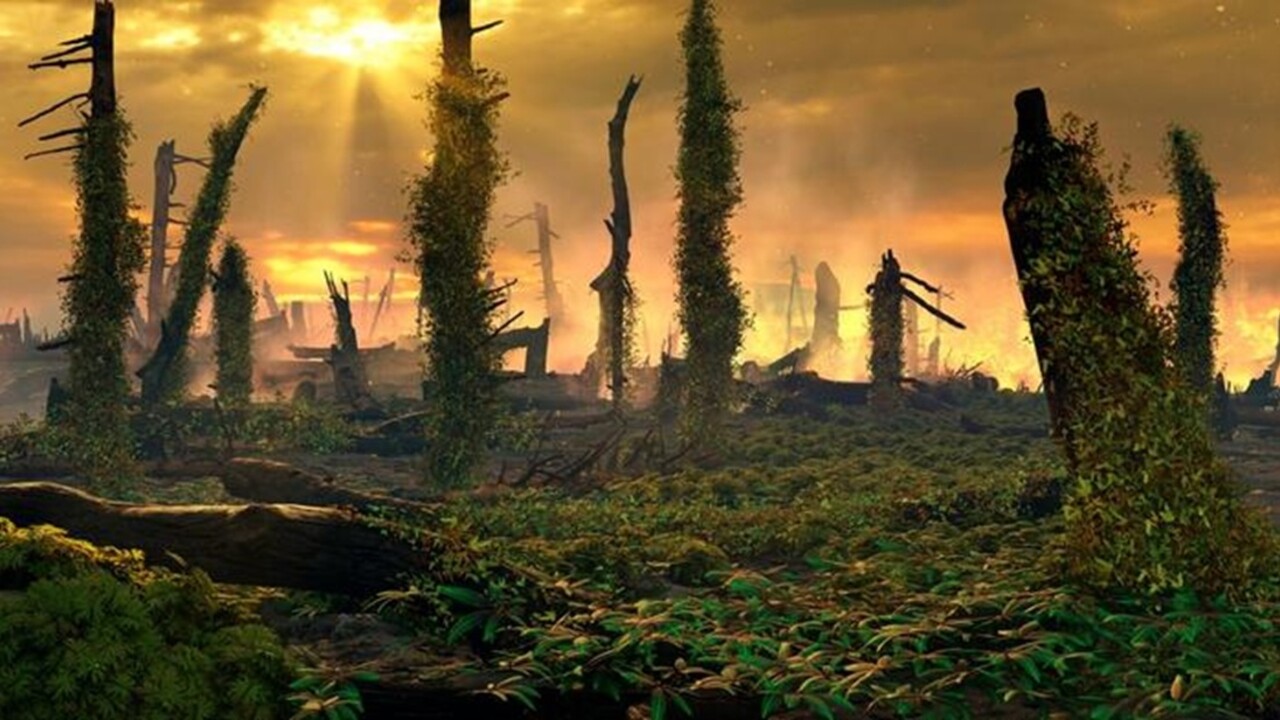
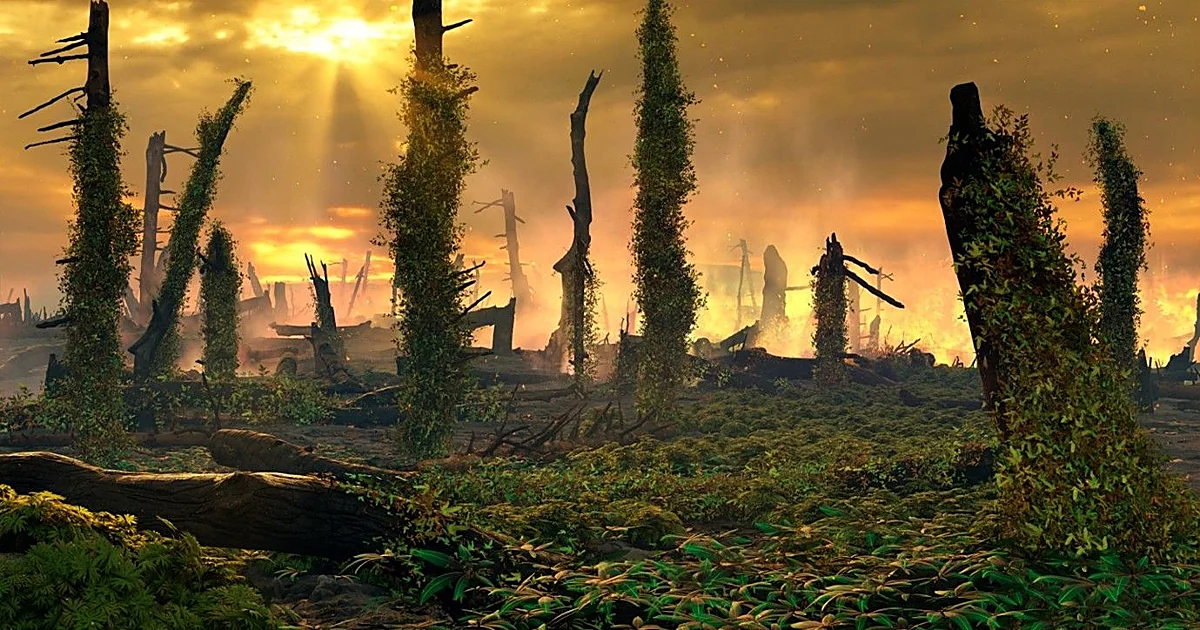
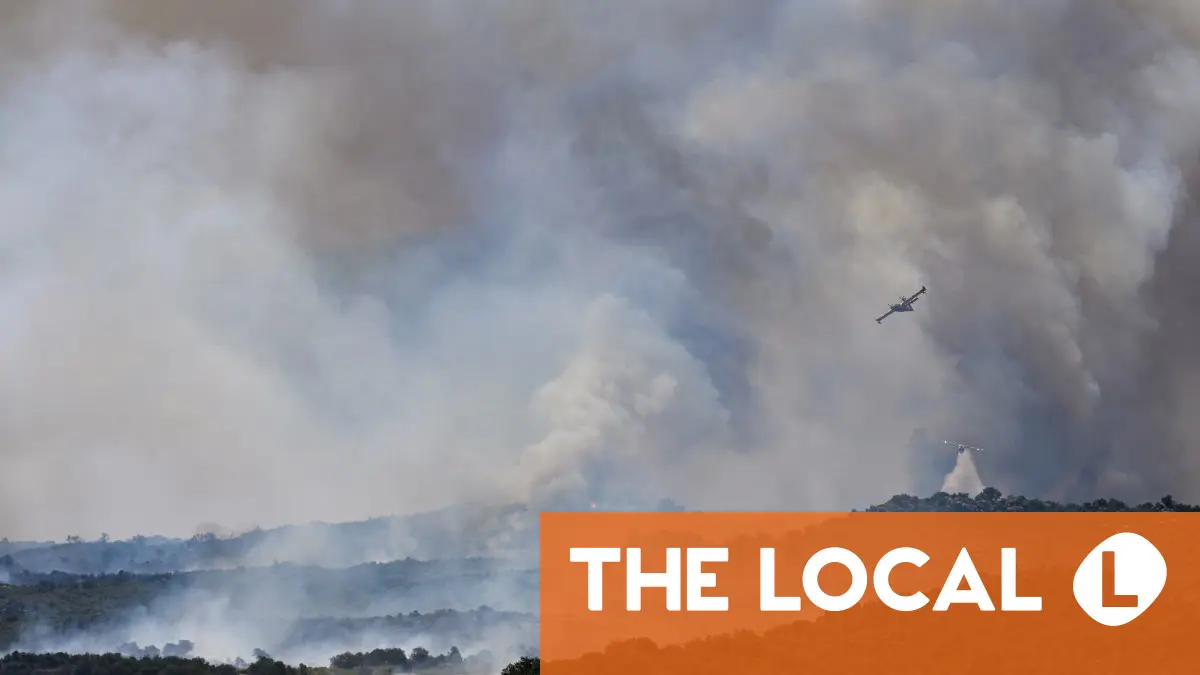
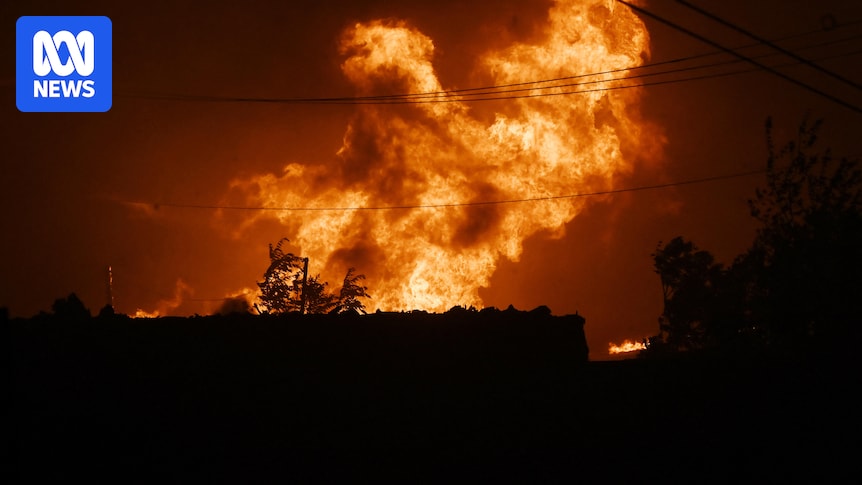
As the planet heated, forests dominated by trees collapsed. Ferns quickly moved into the damaged landscapes, spreading across large parts of what is now Northwest Europe and creating broad savannah-like environments. New research from an international team led by geologists at Utrecht University suggests that these fern-covered regions were highly vulnerable to fire. The ferns themselves may have supplied much of the fuel that kept the flames spreading.
The findings were published in Nature Geoscience on July 21, 2026.
Reconstructing Ancient Wildfires
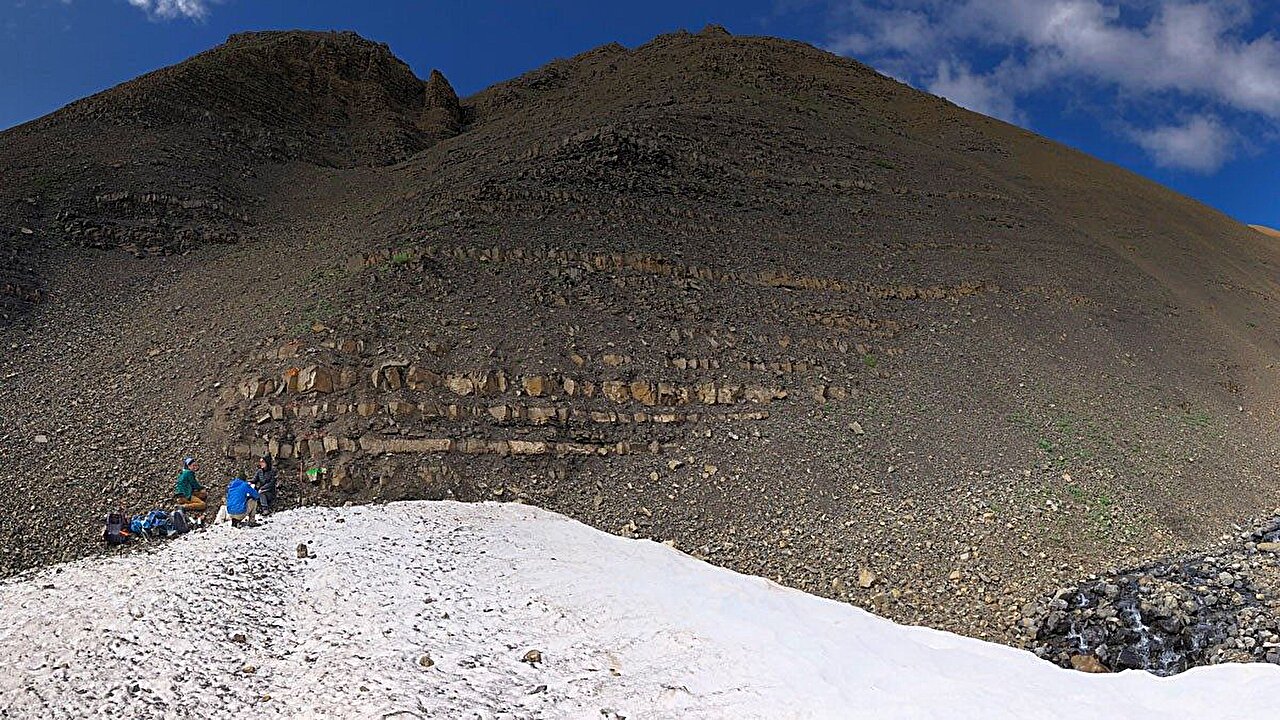
To investigate wildfire activity from this distant period, the researchers studied exceptionally well-preserved sediment from 4 drill cores. One of them was a recently collected 640-meter-long core from the United Kingdom.