July 22nd, 2026
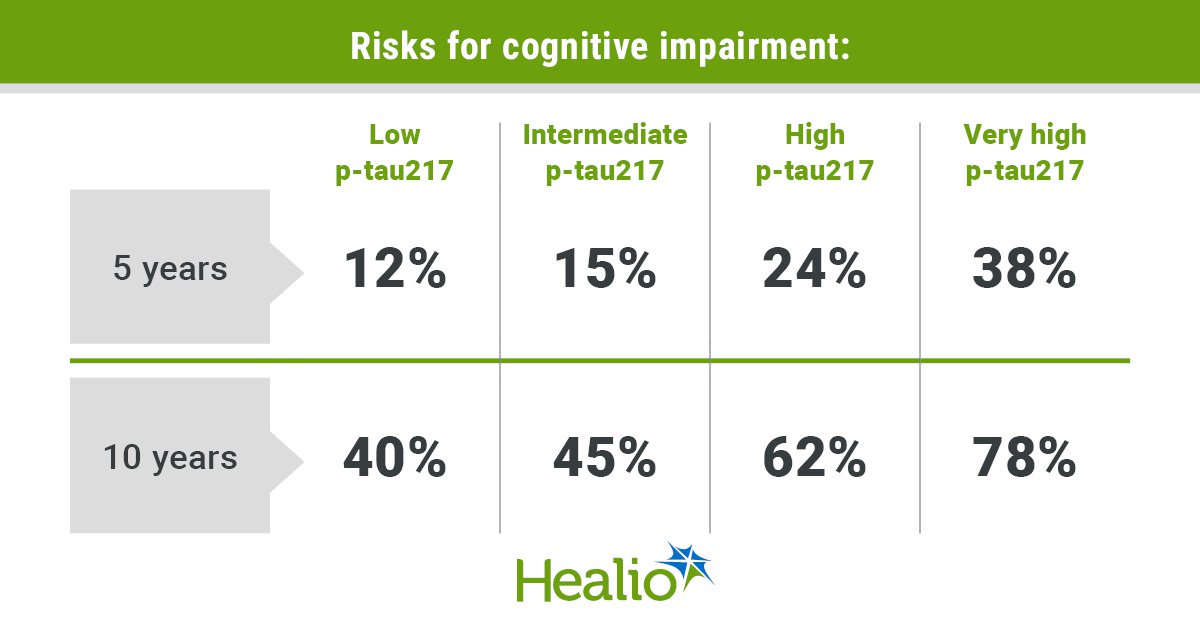
The first predictive blood tests for future risk of Alzheimer's disease were developed in recent years based on correlations between marker proteins in the blood and disease risk derived from large epidemiological studies. One such marker is phosphorylated tau 217 (p-tau217), a modified variant of the tau protein involved in Alzheimer's disease pathology. People with higher levels in a blood sample have a greater chance of developing Alzheimer's disease symptoms in the years ahead, as the mechanisms of neurodegeneration are already operating at a higher than average level in their brain cells. Tau becomes pathological and damaging when it is hyperphosphorylated, aggregating and provoking chronic inflammation in brain tissue.
The medical community is somewhat reluctant to engage with this sort of testing because there is no easy prescription to follow up with. But the interesting question remains: what should one do if a blood test shows a high level of p-tau217? The obvious first answer is to look at all of the lifestyle factors that correlate with risk of Alzheimer's disease, based on epidemiological studies, and modify one's lifestyle choices appropriately. More speculatively, get vaccinated, based on the ongoing discussion over the evidence for late life vaccinations of various sorts to reduce the risk of dementia via trained immunity. The same might be said for taking antiviral drugs, based on similar discussions centered on the possible role of persistent viral infections in neurodegenerative conditions. After than, one might look at what else can be done to reduce age-related chronic inflammation, given its prominent role in neurodegenerative conditions, but all such strategies are probably things one should be undertaking regardless.