While everyone may benefit from a healthy diet, those with higher levels of Alzheimer's-related blood biomarkers may be more likely to benefit from a MIND diet intervention, according to a new study from the MIND trial. The biomarkers found in participants' blood measure two specific proteins central to Alzheimer's disease: beta-amyloid (or amyloid-β40) and phosphorylated tau (or p-tau181).
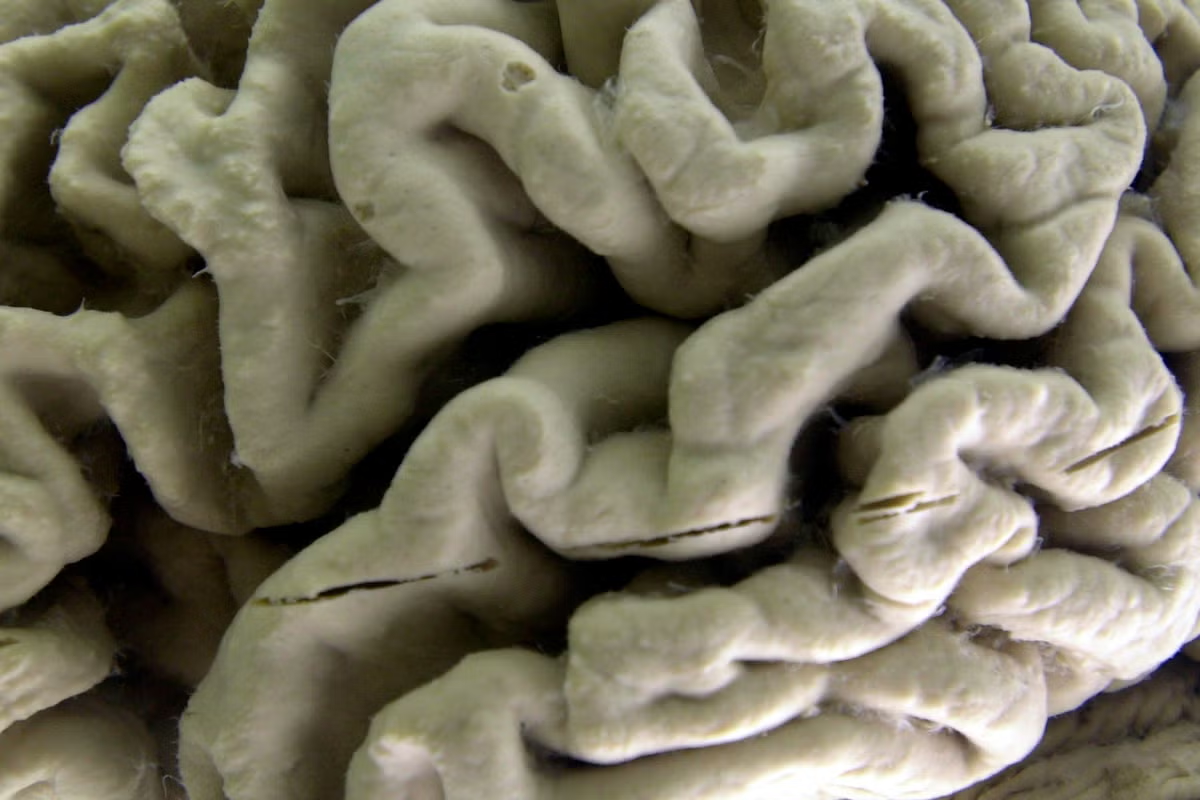
Beta-amyloid develops into sticky plaques that form between nerve cells in the brain and disrupt cell communication. It is thought to be one of the earliest features of the disease.
Similarly, phosphorylated tau is a protein that clumps together to form tangles and interferes with normal nerve cell processes. Both biomarkers—often referred to as plaques and tangles—are strongly associated with the risk of Alzheimer's disease and dementia.
"In our analysis of data from the MIND trial, we found that the association between the dietary intervention and cognition varied by how much beta-amyloid and phosphorylated tau individuals had in the blood at the start of the study, raising the possibility that the MIND diet may be more beneficial for individuals with higher levels of these blood biomarkers," said Klodian Dhana, MD, Ph.D., lead author of the paper and an associate professor in the Department of Internal Medicine.